

The Ultimate Guide to Tennis Shoes for Everyday Walking
For years, the idea of using tennis shoes for walking was met with skepticism. The prevailing wisdom suggested that dedicated walking shoes, with their specific rocker soles and stiff constructions, were the only legitimate choice for the serious pedestrian. However, a quiet revolution has been underway on sidewalks, park paths, and urban trails worldwide. A growing number of individuals are discovering that a well-chosen pair of tennis shoes—designed for the lateral cuts and quick stops of the court—can provide an unexpectedly superb platform for the repetitive, linear motion of walking. This shift isn’t about mere fashion or convenience; it’s rooted in an evolving understanding of biomechanics, material science, and individual foot morphology. The specialized design features of modern athletic footwear, once siloed into specific sports, are proving to be remarkably transferable. This guide will dismantle the old dogma and demonstrate how the right tennis shoe can become your most trusted companion for daily ambulation, offering a blend of cushioning, stability, and versatility that dedicated walking shoes often struggle to match.
The Biomechanical Bridge: Why Tennis Shoes Can Work for Walking
To comprehend the suitability of tennis shoes for walking, we must first dissect the fundamental biomechanics of both activities. Walking is a cyclical, heel-to-toe motion involving a gait cycle with distinct phases: heel strike, mid-stance, and toe-off. The primary demands are on shock absorption at impact and a smooth roll-through. Tennis, in contrast, involves explosive multi-directional movements—sprinting forward, sliding laterally, and pushing off for overheads. The shoe must therefore provide stability against rolling (especially medial-lateral stability), toe durability for drag, and cushioning for jumps and hard landings. The intersection lies in the mid-stance and propulsion phases. A quality tennis shoe is engineered with a firm heel counter and a supportive midsole to prevent excessive foot roll during aggressive side-to-side motion. This translates directly to superb stability for walkers, especially those with mild overpronation. Furthermore, the advanced cushioning technologies (like Nike Air, Adidas Boost, or ASICS GEL) developed to handle the high-impact landings of tennis are more than adequate to absorb the comparatively lower repetitive stress of walking. As Dr. Casey Kerrigan, a former professor of physical medicine and rehabilitation at Harvard University, has pointed out in her research on footwear, excessive cushioning and “motion control” features in traditional walking shoes can sometimes impede natural foot function. A tennis shoe often strikes a better balance, offering protection without overly dictating the foot’s natural movement pattern.
:max_bytes(150000):strip_icc()/vwt-walking-shoes-test-ryka-devotion-x-sahara-borja-02-18807b688fbb49e4ba30a3ee438600cb.jpeg)
Deconstructing the Tennis Shoe: Key Features for the Walker
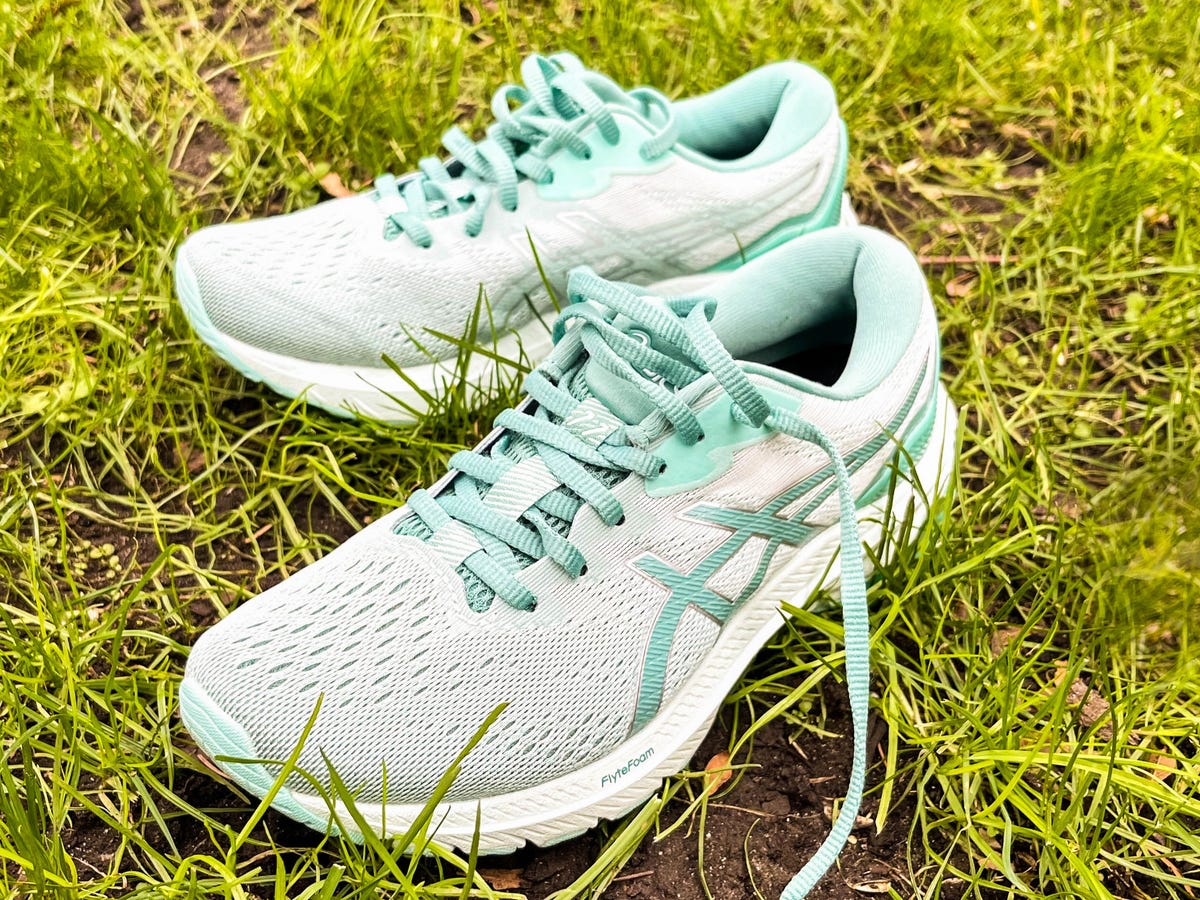
Not all tennis shoes are created equal for pedestrian purposes. The market segments into clay court, grass court, and hard court shoes, with the latter being the most relevant for walkers. When evaluating a tennis shoe for walking, focus on these critical components. First, the upper: Look for breathable, durable materials like engineered mesh. Many tennis shoes feature reinforced toe guards (often a tougher material like TPU) which, while designed for toe-dragging on court, add fantastic durability for walkers whose feet may scuff the ground. Second, the midsole: This is the heart of the shoe. Avoid overly soft, mushy midsoles common in some running shoes; they lack the stability needed for long walks. A tennis shoe midsole is typically firmer and more responsive, providing a stable platform. Technologies like ASICS’ GEL cushioning, strategically placed in the heel and forefoot, are exemplary for dissipating impact shock. Third, the outsole: The herringbone or modified herringbone tread pattern standard on hard court tennis shoes offers exceptional multi-surface traction on pavement, boardwalks, and even light gravel. The rubber compound is durable, resisting wear from abrasive concrete. Finally, the heel counter and chassis: The firm heel cup that cradles your foot is paramount for stability, preventing slippage and controlling heel strike. This integrated support system, a non-negotiable in tennis to prevent ankle rolls, becomes a foundational safety feature for the walker navigating curbs and uneven sidewalks.
A Comparative Lens: Tennis Shoes vs. Traditional Walking Shoes
The classic walking shoe often prioritizes a pronounced heel-to-toe rocker design, intended to propel the foot forward and reduce strain on the Achilles tendon. While beneficial for some, this design can feel unnatural and restrictive to others, almost like walking on a curved rocker. Tennis shoes for walking typically offer a flatter, more stable platform that allows your foot and ankle to move through a more natural range of motion. The cushioning in walking shoes is often focused on softness, which can lead to a lack of energy return—your foot sinks in and you must work slightly harder to push off. Tennis shoe cushioning, while protective, is generally more responsive. You get a slight “bounce back” with each step, which can reduce leg fatigue over long distances. Furthermore, the aesthetic divide is significant. As noted by countless style commentators on platforms like Quora and in publications like GQ, the traditional walking shoe has struggled to shed its utilitarian, often dated, look. The modern tennis shoe, born from sport and refined by streetwear culture, offers a sleek, versatile silhouette that transitions seamlessly from a morning walk to casual daytime activities. This fusion of performance and style is a major driver behind their adoption for everyday use.
Selecting Your Perfect Pair: A Personal Fitting Journey
Your journey to finding the ideal tennis shoes for walking is deeply personal and must begin with an honest assessment of your feet and gait. Are you a neutral walker, or do you overpronate (your foot rolls inward excessively)? While severe overpronators may still benefit from dedicated motion-control shoes, many with mild to moderate overpronation find the inherent stability of a tennis shoe sufficient. Visit a specialty running or athletic store where staff can observe your gait. When trying on shoes, do so in the afternoon when your feet are naturally slightly swollen. Wear the socks you intend to walk in. There should be about a thumb’s width of space between your longest toe and the end of the shoe. The widest part of your foot should align comfortably with the widest part of the shoe. Don’t just stand—walk around the store, even jog a few steps. Pay attention to the heel: it should be locked in place without slippage. Notice the arch support; it should feel supportive but not intrusive. Brands like New Balance and ASICS are renowned for offering multiple width options, which is a critical factor often overlooked. Remember, the goal is harmony between foot and shoe, where the technology supports without overpowering your natural stride.
Expert Voices and Endorsements: Beyond Anecdote
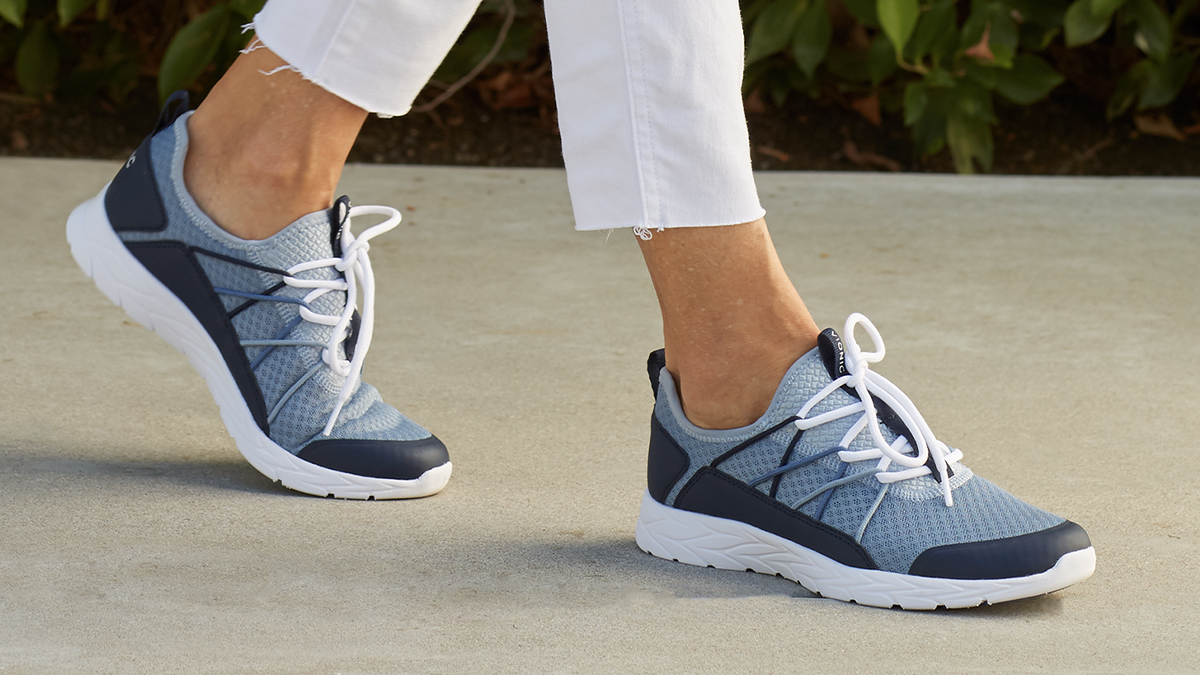
The movement towards athletic cross-training footwear for everyday life is supported by more than just user testimonials. Podiatrists and biomechanists are increasingly acknowledging the value. Dr. Brad Schaeffer, a prominent podiatrist featured in Men’s Health, has stated, “The lines between specific athletic shoes are blurring. A good tennis shoe provides excellent lateral support and cushioning, which are key for walkers who may have stability concerns.” On social media platforms like YouTube, certified fitness experts and physical therapists, such as Dr. Jo of “Ask Doctor Jo,” often review footwear for various activities and have highlighted specific tennis models for their all-around support. Even historical literature points to this principle. Christopher McDougall’s bestselling book Born to Run, while focused on minimalist running, sparked a global conversation about natural foot movement and challenged the necessity of overly structured, restrictive shoes. This philosophical shift has opened the door for people to reconsider all types of performance footwear, including tennis shoes, for their primary utility rather than their marketed purpose. The evidence, from clinical observation to cultural discourse, builds a compelling case.
Maximizing Value: Performance Meets Practicality
Investing in a pair of high-quality tennis shoes for walking is an investment in your mobility and long-term joint health. The durability of the construction—the rugged outsole, reinforced upper, and robust stitching—means these shoes often outlast traditional walking shoes when used primarily on pavement. This longevity translates to cost-effectiveness. To maximize value, consider previous season’s models. Athletic brands frequently update colorways and make minor tweaks annually, but the core technology remains consistent. Websites of major manufacturers and authorized retailers often sell these models at significant discounts, sometimes 30-50% off the original price. For instance, a top-tier ASICS Gel-Resolution or Nike Air Zoom Vapor model from a year or two ago will still offer 95% of the performance of the current version at a fraction of the cost. This is where professional knowledge pays off: understanding that “GEL” cushioning or a “Dynamic Fit” system is the key feature, not the specific model year, allows you to acquire cutting-edge technology at a discounted price. It’s a savvy approach to obtaining premium footwear that supports your walking habit without straining your budget.

Your Path Forward in a Trusted Pair
The landscape of everyday footwear is no longer rigidly categorized. The specialized engineering of the tennis court—born from a need for stability, cushioning, and durability—has produced a class of shoe that excels in the urban and suburban environment. By focusing on fundamental biomechanical principles and prioritizing fit and feature over marketed labels, you can discover a level of comfort and support that redefines your daily walks. The right pair of tennis shoes for walking becomes more than just footwear; it is a tool that empowers movement, combines practicality with style, and stands up to the mileage of an active life. Let your search be guided by knowledge of your own feet and the proven design elements that bridge the world of sport and daily life. Step out with confidence, knowing that the technology underfoot is tried, tested, and ready for the path ahead.
