

The Best Tennis Shoes for Everyday Walking Comfort
When we talk about finding the perfect shoe for daily ambulation, the conversation often veers toward specialized walking shoes or running sneakers. However, a compelling case can be made for a different category entirely: the modern tennis shoe. Originally engineered for the lateral cuts, quick stops, and explosive starts of the tennis court, today’s tennis shoes have evolved into a powerhouse of comfort, support, and durability that translates exceptionally well to the rigors of everyday walking. This isn’t about repurposing an old pair of clay-court specialists; it’s about recognizing how the fundamental design principles of the best tennis shoes for walking align perfectly with the biomechanical needs of a daily pedestrian. The right pair offers a unique synergy of cushioning for heel-to-toe impact, stability for uneven urban terrain, and a durable outsole that can handle mile after mile on concrete. Let’s delve into why a tennis shoe might just be the unsung hero of your walking wardrobe and how to identify the features that make it so.
The Anatomical Synergy: Why Tennis Shoes Work for Walking
The human foot is a complex marvel of engineering, with 26 bones, 33 joints, and over a hundred muscles, tendons, and ligaments. During a walking gait cycle, it pronates (rolls inward) to absorb shock and then supinates (rolls outward) to become a rigid lever for propulsion. A shoe that interferes with this natural motion can lead to discomfort, fatigue, and even injury. This is where the design ethos of a performance tennis shoe shines. Tennis demands multi-directional stability. Unlike running, which is primarily a straight-line, sagittal plane motion, tennis involves constant lateral movement. Consequently, manufacturers build tennis shoes with reinforced midsoles and outsoles, often featuring technologies like medial posts or dual-density foam, to prevent excessive rolling. For walkers, especially those with mild overpronation, this built-in stability is a godsend on long city strolls or park paths. Furthermore, the cushioning systems in tennis shoes, such as Adidas’ Boost or Nike’s Air Zoom, are tuned for impact absorption from jumps and hard landings—forces comparable to the repeated heel strike of walking. As Dr. Casey Kerrigan, a former professor of physical medicine and rehabilitation at Harvard University, has noted in her research on footwear, “The goal is to find shoes that allow your feet to move naturally while providing protection from the ground.” A well-designed tennis shoe does exactly that: it protects without overly restricting. The upper materials, often a blend of breathable mesh and supportive synthetics, offer a secure, glove-like fit that minimizes slippage and blister formation, a common complaint with less structured casual shoes. Therefore, choosing a pair of tennis shoes for walking isn’t a compromise; it’s a strategic selection based on biomechanical alignment.
:max_bytes(150000):strip_icc()/vwt-walking-shoes-test-ryka-devotion-x-sahara-borja-02-18807b688fbb49e4ba30a3ee438600cb.jpeg)
Decoding the Features: Cushioning, Stability, and Durability
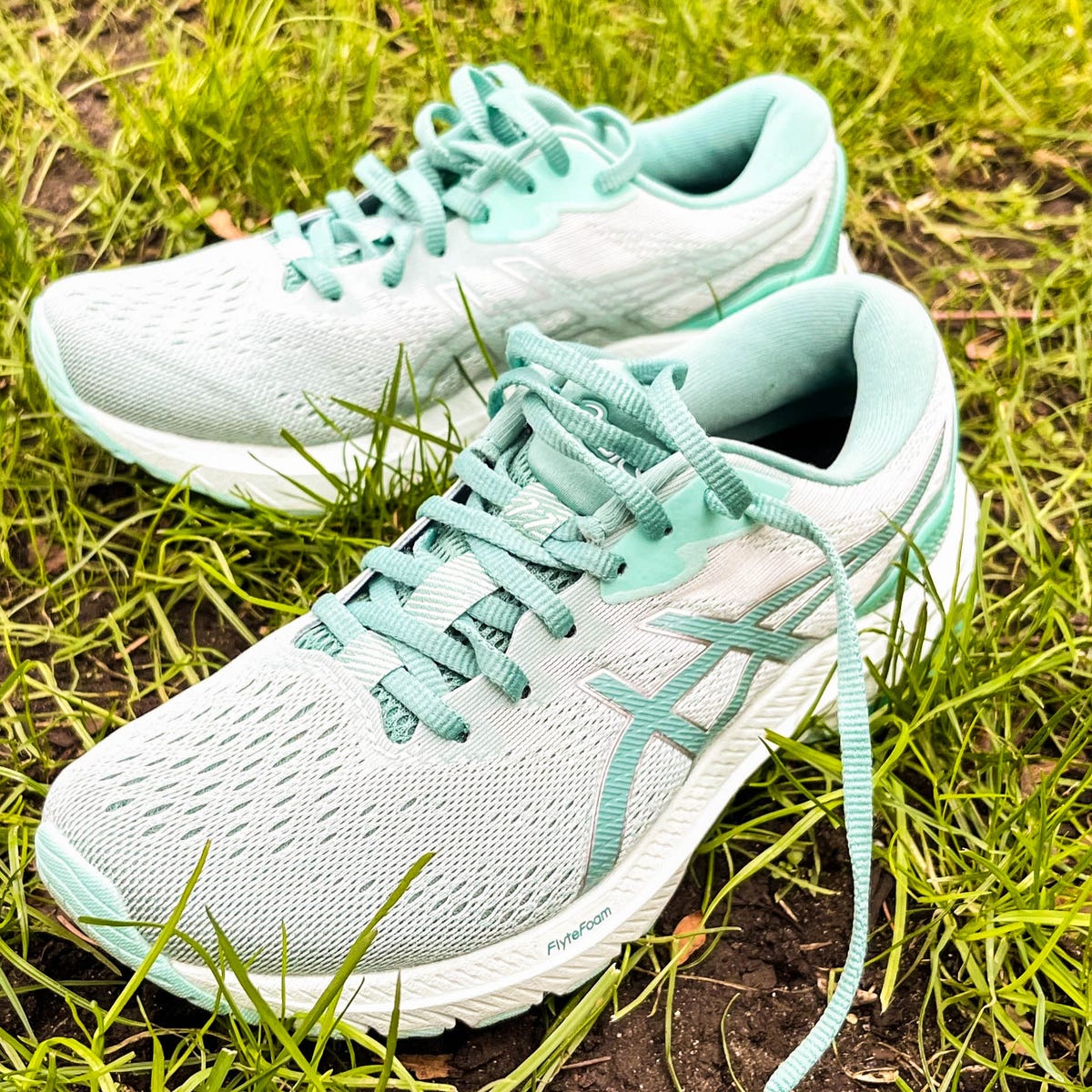
Not all tennis shoes are created equal for pedestrian use. The key lies in dissecting three core components: cushioning, stability, and durability. Let’s start with cushioning. In footwear science, cushioning refers to the material’s ability to attenuate ground reaction forces. A study published in the Journal of Sports Sciences emphasized that optimal cushioning reduces peak loading rates, which can decrease musculoskeletal stress. Tennis shoes often feature full-length foam midsoles or encapsulated cushioning units in the heel and forefoot. For walking, you want a cushioning that is responsive yet soft—it should give a gentle rebound, not a squishy, unstable feel. Next is stability, arguably the most critical transferable feature. Stability technologies control rearfoot and midfoot motion. For instance, the ASICS GT-1000 series, a staple in the stability running category, shares DNA with their tennis line, incorporating a Guidance Line® and DuoMax® Support System to promote efficient gait. This principle is directly applicable to walking. A stable tennis shoes for walking will have a firm heel counter (the back part that cups your heel), a supportive arch, and a wider platform to prevent ankle roll on curbs or uneven sidewalks. Finally, durability. Tennis outsoles are made of high-abrasion rubber, designed to withstand the sandpaper-like friction of a hard court. This translates to exceptional longevity on asphalt and concrete. The herringbone or modified tread patterns not only provide traction on varied surfaces but also wear down slowly, offering better long-term value than many soft-running outsoles. When evaluating a pair, press on the midsole; it should resist collapsing easily. Examine the outsole thickness and rubber quality. These features collectively transform a court shoe into a formidable urban walking companion.

Beyond the Hype: The Importance of Fit and Foot Type
Technology means little if the shoe doesn’t fit your unique foot. This is where professional knowledge becomes non-negotiable. The famous running coach and author, Dr. Jack Daniels, once said, “The best shoe is the one that fits.” This maxim is paramount. Foot type generally falls into three categories: neutral, flat (overpronated), or high-arched (supinated). You can perform a simple “wet test” at home: wet your foot and step on a piece of cardboard. A full imprint suggests a flatter foot needing more stability; a narrow imprint with a disconnected heel and forefoot suggests a high arch needing more cushioning. For walking in tennis shoes, those with flat feet should seek models with pronounced arch support and medial posting. Brands like New Balance and ASICS often offer these in their tennis collections. Those with high arches should prioritize deep, plush cushioning to compensate for their foot’s natural lack of shock absorption. Moreover, always fit shoes in the afternoon, as feet swell throughout the day. Ensure a thumb’s width of space between your longest toe and the shoe’s end, and that the widest part of your foot sits comfortably in the shoe’s widest part without pinching. The right tennis shoes for walking will feel secure and supportive from the first step, requiring no “break-in” period that risks blisters. Remember, the most expensive, feature-laden shoe is a poor investment if it doesn’t match your anatomy.
Top Contenders and Where to Find Value
The market offers several standout models that exemplify the walking-ready tennis shoe. The Adidas Courtjam Bounce, for instance, utilizes Bounce cushioning for a responsive, energy-returning feel that makes long walks less fatiguing. Its ADITUFF toe drag guard, a tennis-specific feature, adds unexpected durability to the walking shoe’s upper. Another excellent choice is the Nike Court Air Zoom Lite. Its Zoom Air unit in the heel provides targeted, low-profile cushioning ideal for heel-strikers, while the rubber outsole offers confident traction. For those seeking maximum stability, the K-Swiss Hypercourt Express 2 features a Guarded Plate in the midfoot for torsional rigidity and an Aosta 7.0 rubber outsole known for its durability. Now, let’s talk value. You don’t need the flagship model used by Grand Slam champions. Last season’s colorways or models are often discounted by 30-50% on websites like Amazon, Zappos, Eastbay, or directly from the brand’s outlet stores. The performance differences between the latest model and its immediate predecessor are often minimal for walking purposes. Furthermore, consider “all-court” tennis shoes rather than clay- or grass-specific ones, as they have the most versatile and durable outsoles. Investing in a quality pair of tennis shoes for walking at a discounted price is a savvy way to acquire premium comfort technology without the premium price tag. Regularly checking deal aggregator sites or subscribing to brand newsletters can alert you to sales, making top-tier comfort accessible.
Integrating Your Tennis Shoes into a Walking Lifestyle
Adopting tennis shoes as your primary walking footwear is more than a purchase; it’s a commitment to foot health and sustained activity. Start by dedicating them solely to walking. This preserves the midsole’s integrity and outsole tread pattern for their intended purpose. Rotate between two pairs if possible, allowing the foam to fully decompress between wears, which can significantly extend the shoe’s life. Pay attention to wear patterns. Even the most durable outsole will eventually show asymmetrical wear, typically on the outside heel. Once this wear becomes pronounced, or you notice the cushioning no longer feels resilient—usually after 300-500 miles—it’s time for a replacement. Worn-out shoes lose their protective properties, increasing stress on joints. Complement your footwear with quality walking socks made from merino wool or synthetic blends that wick moisture and reduce friction. The synergy between a good sock and a well-fitted tennis shoes for walking cannot be overstated; it creates a micro-environment that manages moisture, heat, and pressure, turning a simple walk into a genuinely pleasurable daily ritual. This holistic approach ensures you reap the full benefits of your informed footwear choice.

The quest for everyday walking comfort need not lead down a narrow path of specialized labels. By looking to the tennis court, we find a category of footwear built on a foundation of multi-directional support, impact absorption, and rugged longevity—qualities that directly address the demands of daily pedestrian life. The convergence of biomechanical science and athletic design in modern tennis shoes creates a product that protects, stabilizes, and endures. By understanding your foot type, prioritizing key features like cushioning and stability, and seeking out value through discounts on previous models, you can equip yourself with footwear that turns every step into a testament to informed choice. Ultimately, the best shoe is the one that supports your journey, and for many, that shoe will be found not in the running aisle, but among the best tennis shoes for walking.
