

The Best Tennis Shoes for Everyday Walking Comfort
When we talk about finding the perfect shoe for all-day walking, the conversation often veers toward specialized walking shoes or running sneakers. However, a category that frequently offers an unbeatable blend of support, durability, and style is often overlooked: the humble tennis shoe. The very design principles that make a shoe excellent for the lateral cuts and quick stops of a tennis court translate remarkably well to the sustained, forward-moving pressure of daily ambulation. This isn’t merely anecdotal; it’s rooted in biomechanics and material science. The right pair of tennis shoes for walking can transform your daily commute, your extended shopping trips, or your weekend explorations from a chore into a pleasure, providing a foundation that cares for your feet with every step.
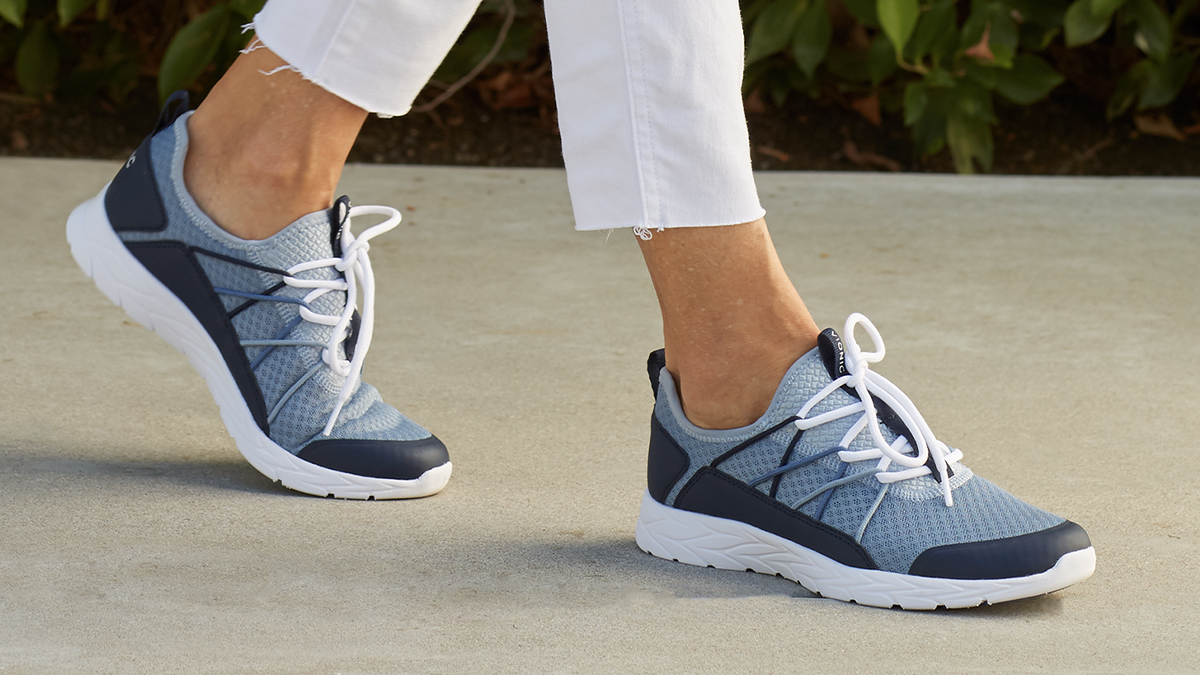
The Unseen Engineering: Why Tennis Shoes Excel as Walking Companions
To understand why a tennis shoe can be a superior choice for walking, we must dissect its core engineering. Unlike running shoes, which are optimized for heel-to-toe forward motion in a straight line, tennis involves multi-directional movement—sudden sprints forward, lateral shuffles, and quick backpedals. Consequently, manufacturers build tennis shoes with a focus on lateral support and forefoot stability. This is achieved through reinforced outsoles with herringbone or modified tread patterns for omnidirectional grip, and midfoot shanks or torsional support systems that prevent excessive foot rolling. For the walker, this means exceptional stability on varied urban terrain—concrete, asphalt, tile, or gravel. The risk of ankle roll on an uneven sidewalk crack is mitigated by this inherent design. Furthermore, the cushioning in tennis shoes, while responsive, is often firmer than in maximalist running shoes. This firmness provides a stable platform, reducing the muscular fatigue associated with walking in overly soft, unstable shoes. As noted in a biomechanics study from the University of Calgary, excessive shoe softness can lead to increased activation of lower leg stabilizer muscles, leading to quicker onset of fatigue during prolonged weight-bearing activities like walking.
Decoding the Jargon: Cushioning, Drop, and Last
Navigating shoe specifications can be daunting. Let’s demystify three critical terms. First, cushioning refers to the shock-absorbing material, typically EVA (ethylene-vinyl acetate) foam or newer compounds like Nike’s React or Adidas’s Boost. The goal isn’t maximal softness, but optimal energy return—the shoe should give back some of the energy you put into each step. Second, the heel-to-toe drop (or offset) is the difference in height between the heel and forefoot. A traditional running shoe might have an 8-12mm drop, promoting a heel-strike gait. Many tennis shoes feature a lower drop (4-8mm), which encourages a more natural, midfoot strike. This can be beneficial for walkers, as it may reduce stress on the knees and hips by promoting a more aligned posture. Third, the last is the 3D mold around which a shoe is built. It determines the fundamental shape—straight, semi-curved, or curved. Those with wider feet or bunions often find the roomier toe box common in performance tennis lasts (designed for foot splay during athletic movement) to be a revelation for all-day comfort. Understanding these elements empowers you to look beyond marketing and choose a tool tailored to your physiology.
:max_bytes(150000):strip_icc()/vwt-walking-shoes-test-ryka-devotion-x-sahara-borja-02-18807b688fbb49e4ba30a3ee438600cb.jpeg)
A Material World: Synthetics, Leather, and Breathability
The upper material of your shoe is its interface with your foot, governing breathability, durability, and fit. Traditional tennis shoes often utilized full-grain leather for its superior structure and durability. While still available and excellent for support, modern iterations heavily feature engineered mesh and synthetic overlays. Engineered mesh provides targeted breathability and stretch, conforming to the foot’s shape without losing integrity. This is crucial for walking, as feet can swell slightly over the course of a day or during longer outings. A material that accommodates this micro-change prevents hot spots and blisters. Furthermore, the integration of thermoplastic polyurethane (TPU) or fused synthetic overlays in strategic high-wear areas (like the toe cap and medial side) reinforces the shoe without adding significant weight or compromising flexibility. When selecting your ideal tennis shoes for walking, consider your environment. For humid climates or those prone to sweaty feet, a shoe with a predominantly mesh upper, like many contemporary models, will offer a cooler, drier experience. For cooler climates or those prioritizing structural longevity, a leather or suede option might be preferable.
The Arch Support Debate: Built-In vs. Aftermarket
Arch support is non-negotiable for comfortable walking, yet it’s deeply personal. Most tennis shoes come with a removable sock liner (insole) that offers a baseline of arch contouring. However, this is often a one-size-fits-most approach. The true beauty of using a tennis shoe as your walking platform is its inherent stability, which provides a secure base for custom orthotics or premium aftermarket insoles if needed. Brands like Superfeet, Currex, and SOLE offer heat-moldable or anatomically precise insoles that can transform a good shoe into a great one. As renowned podiatrist Dr. Emily Splichal frequently emphasizes on her social media platforms, “The shoe is the house, but the insole is the furniture. You need both to be right for your unique footprint.” For those with neutral to medium arches, the built-in support of many tennis models may be perfectly adequate. But for individuals with flat feet (overpronation) or very high arches (supination), viewing the shoe as a stable chassis for a custom orthotic is a game-changing perspective. This approach often proves more cost-effective and successful than searching for a mythical “perfect” off-the-shelf walking shoe.
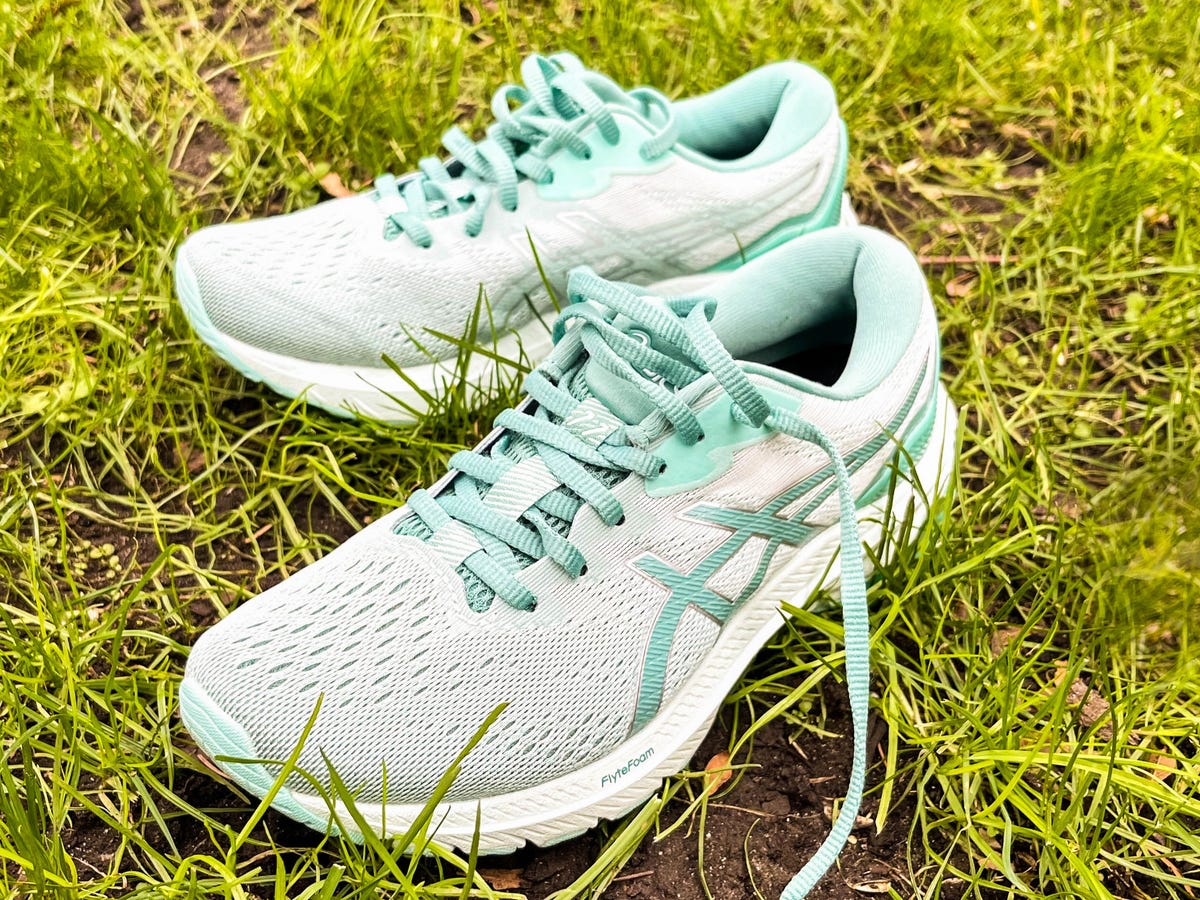
From Court to Concrete: Top Contenders for Your Daily Miles
Let’s translate theory into practice. Several tennis shoe models have garnered reputations for transcending the court, becoming favorites among nurses, teachers, travelers, and urban walkers. It’s important to note that while “tennis-specific” models exist, many “court sport” or “training” shoes share the same foundational principles and are excellent candidates. A prime example is the Adidas Barricade line, long celebrated for its legendary durability and lockdown fit—attributes that mean the shoe withstands pavement pounding and keeps your foot secure. Similarly, the Nike Court Air Zoom Vapor Cage offers a sublime combination of responsive Zoom Air cushioning and a supportive, breathable upper. For those seeking maximal cushioning, the Asics Gel-Resolution series incorporates the brand’s signature Gel technology in the heel and forefoot, providing exceptional shock absorption for hard surfaces. New Balance’s Fresh Foam Lav, while designed as a volleyball shoe, features a supremely soft yet stable Fresh Foam midsole and a grippy outsole, making it a sleeper hit for all-day wear. The key when evaluating any of these as tennis shoes for walking is to prioritize models with less aggressive, more versatile outsoles if you’ll be primarily on indoor or smooth outdoor surfaces.
“The difference between a shoe that is ‘for’ an activity and one that is ‘good for’ an activity lies in its fundamental biomechanical alignment with the user’s needs. A tennis shoe’s design mandate for stability and multi-directional support accidentally creates an ideal profile for the sustained, varied-load bearing of city walking.” – Dr. Mark Cucuzzella, Professor of Family Medicine at West Virginia University and author of “Run for Your Life.”
Smart Shopping: Finding Value and the Perfect Fit
Investing in quality footwear is investing in your musculoskeletal health, but it needn’t break the bank. The cyclical nature of athletic shoe releases is your greatest ally. When a new model (e.g., Barricade 2024) launches, the previous model (Barricade 2023) often sees discounts of 30-50% at major retailers and online outlets. The performance differences between generations are usually marginal for a walker’s needs. Furthermore, consider shopping at outlets or websites specializing in previous-season gear. Always, without exception, try shoes on in the afternoon or evening when your feet are at their largest. Wear the socks you intend to walk in. There should be about a thumbnail’s width of space between your longest toe (which isn’t always the big toe) and the end of the shoe. Don’t just stand—walk around the store, preferably on a hard surface. Pay attention to any immediate pressure points or slippage in the heel. The shoe should feel secure and supportive from the first step, requiring no “break-in” period for comfort. A proper fit is the single most important factor in making any tennis shoes for walking successful.

The Long Walk: Durability and When to Retire Your Shoes
Tennis shoes are built to withstand the abrasive forces of a hard court, which typically translates to excellent longevity on pavement. However, all cushioning materials degrade over time through compression and environmental exposure. The common advice to replace running shoes every 300-500 miles applies here as well. For the average walker covering 3-5 miles daily, this equates to roughly 4-8 months of use. The most reliable indicator is not the calendar, but the feel. If you start to notice new aches in your knees, shins, or lower back, or if the midsole no longer feels resilient, it’s time for a replacement. Visually, check for asymmetrical wear on the outsole or excessive creasing in the midsole foam. Rotating between two pairs of tennis shoes for walking can extend the life of each by allowing the foam to fully decompress between uses, and it gives you a backup pair should one get wet. This practice is a staple among serious athletes and discerning walkers alike, ensuring consistent comfort and performance.
The quest for the perfect walking shoe ends not with a specialized label, but with an understanding of foundational design principles. Tennis shoes, forged in the crucible of a demanding sport, offer a robust, stable, and durable architecture that aligns beautifully with the needs of the dedicated walker. By prioritizing lateral support, appropriate cushioning, and a secure fit, you select not just a piece of footwear, but a partner for your daily journey. The pavement, the path, and the miles ahead demand a tool that respects the biomechanics of movement. In the versatile, often underrated world of tennis and court shoes, that tool is waiting, ready to turn every step into a testament to thoughtful engineering and personal comfort.
:max_bytes(150000):strip_icc()/Web_1500-vwt-primary-best-overall-shoe-tstaples-118-671f4e0048e64d14a1c42e4f8d9e6658.jpg)
