

Step Into Comfort and Style with Vionic Walking Shoes
For too long, the world of footwear has presented a false dichotomy: shoes that are good for you, and shoes that look good. We’ve been led to believe that to achieve all-day comfort and proper support, we must sacrifice aesthetics, and conversely, that stylish footwear inevitably comes with an aching price to be paid by our feet and posture. This pervasive compromise is not just a minor inconvenience; it’s a fundamental flaw in how we approach daily mobility. The consequences of ill-fitting or unsupportive shoes are well-documented, ranging from immediate discomfort like blisters and plantar fasciitis to long-term musculoskeletal issues affecting knees, hips, and the spine. The quest, therefore, is not merely for a shoe, but for a solution—a harmonious fusion where biomechanical science and thoughtful design coexist without concession. This is where the narrative shifts, and a new standard emerges, one that redefines what we should expect from our everyday footwear.
The Foundation of Foot Health: Beyond Simple Cushioning
To appreciate the innovation behind specialized footwear, one must first understand the complex architecture of the human foot. Comprising 26 bones, 33 joints, and over a hundred muscles, tendons, and ligaments, the foot is a marvel of biological engineering designed for dynamic movement and shock absorption. However, modern lifestyles, characterized by hard, flat surfaces and prolonged periods of standing or walking, place unnatural stresses on this structure. The common response has been to add soft cushioning, but this is often a palliative measure that fails to address underlying alignment. As noted by the American Podiatric Medical Association, proper footwear should provide stability, motion control, and arch support tailored to an individual’s gait. This is a principle deeply embedded in orthotic science. The Vionic walking shoe is built upon this very principle, integrating podiatrist-designed orthotics into its core. Unlike generic insoles, these biomechanical footbeds are engineered with a deep heel cup to stabilize the calcaneus, a precise arch support to maintain the medial longitudinal arch, and a forefoot ramp to ensure proper toe-off. This tri-planar motion control is not about rigidity, but about guiding the foot through its natural, healthy range of motion, preventing the overpronation or supination that leads to joint strain.
Decoding the Technology: What Makes a Shoe Truly Supportive?
The term “support” is ubiquitously used in footwear marketing, yet its technical meaning is frequently diluted. Scientifically, supportive footwear intervenes in the foot’s interaction with the ground to promote neutral alignment. This involves several key components working in concert. First, the midsole material must offer a balance of cushioning and resilience—too soft, and it collapses, offering no control; too firm, and it transmits excessive impact forces. Second, the heel counter must be robust and well-integrated to lock the rearfoot in place, a feature often validated by the “heel grip test” recommended by physiotherapists. Third, the flexibility of the shoe must be strategic, bending easily at the metatarsophalangeal joints (the ball of the foot) but remaining torsinally rigid to prevent twisting. The design philosophy of Vionic walking shoes meticulously incorporates these elements. Their signature footbed is the centerpiece, but it is complemented by features like durable rubber outsoles with strategic tread patterns for grip, breathable uppers that adapt without constriction, and seamless linings that minimize friction. This holistic approach transforms the shoe from a passive covering into an active participant in gait mechanics. As Dr. Andrew Shapiro, a spokesperson for the American Podiatric Medical Association, has emphasized, “The right shoe can be a therapeutic device.” This perspective elevates footwear from fashion to functional health equipment.
Style Reimagined: No Longer an Afterthought
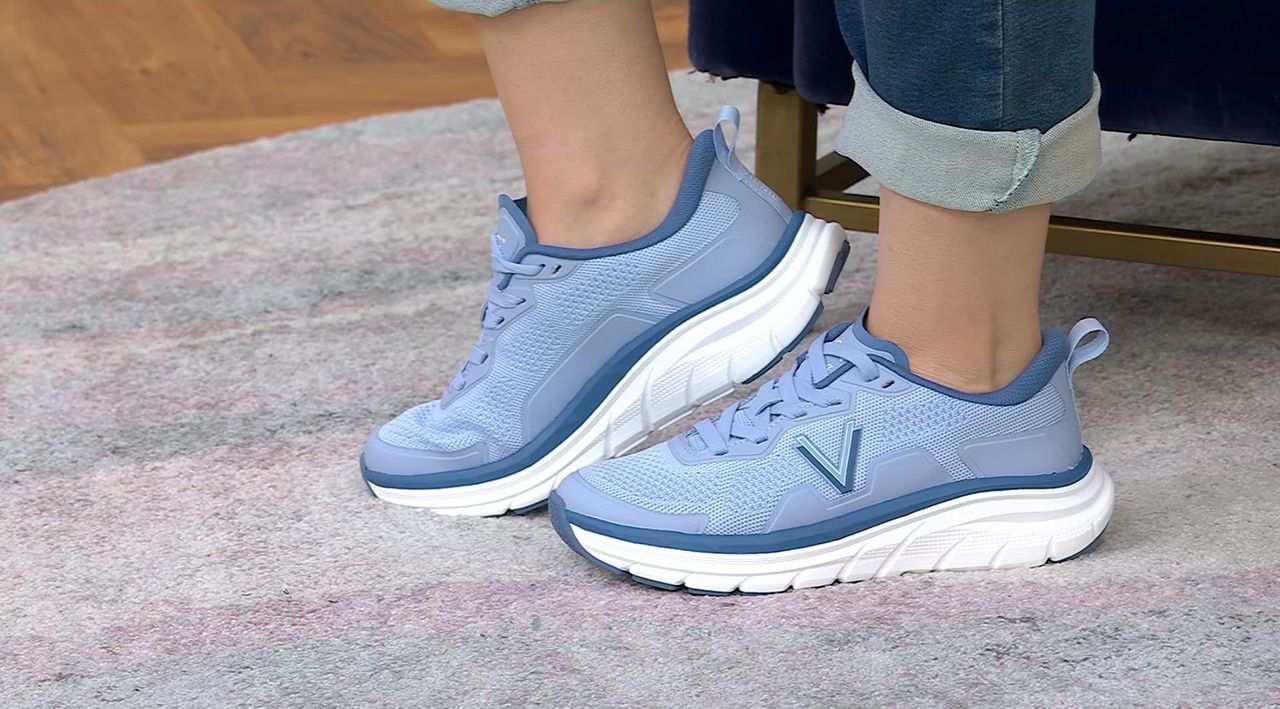
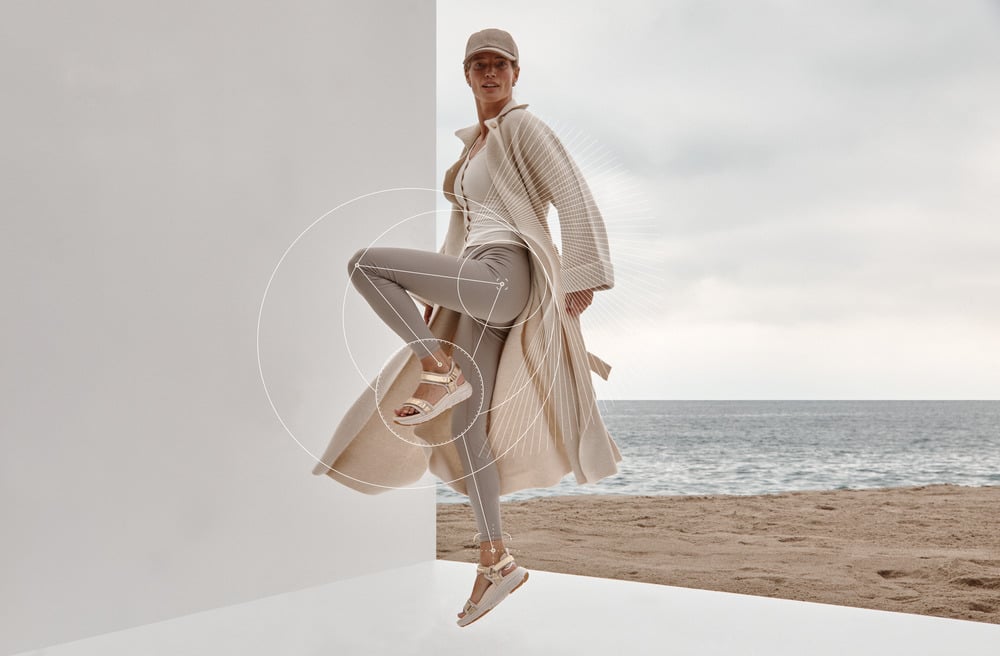
Historically, orthopedic or comfort-focused shoes were synonymous with clunky, medicalized designs. This stigma created a psychological barrier for many, who would endure discomfort rather than compromise their personal style. Contemporary design thinking, however, rejects this trade-off. The rise of “athleisure” and wellness-centric fashion demonstrates a public demand for products that are both performative and aesthetically pleasing. Brands that succeed today are those that embed advanced technology within silhouettes that resonate with current trends. Examining the portfolio of Vionic reveals this synthesis. Their walking collections feature sleek sneakers, elegant sandals, and sophisticated loafers that wouldn’t look out of place in a fashion editorial. The use of premium materials like knit uppers, suede, and leather, combined with a palette of versatile neutrals and contemporary accents, speaks directly to the style-conscious consumer. The Vionic walking shoe, therefore, operates in a dual capacity: it is a tool for physical well-being and an accessory for self-expression. This duality is crucial. When footwear aligns with one’s identity and taste, it ceases to be a reminder of limitation and becomes a chosen part of one’s daily ensemble, encouraging consistent wear and, consequently, consistent benefit.

Voices of Validation: From Clinical Endorsement to User Testimony
Objective validation of a product’s claims is paramount in an era of savvy consumers. The credibility of Vionic’s approach is bolstered by multiple layers of endorsement. Clinically, many of their styles have earned the APMA (American Podiatric Medical Association) Seal of Acceptance, a recognition granted only to products found to promote good foot health. This is not a casual sponsorship but a rigorous evaluation by a committee of practicing podiatrists. Beyond clinical walls, the user-generated evidence is compelling. Platforms like Quora and dedicated footwear review sites are replete with testimonials from individuals—from nurses and teachers to avid travelers and individuals with specific conditions like plantar fasciitis—who report transformative reductions in foot pain and fatigue. As one long-time sufferer noted on a health forum, “Switching to a Vionic walking shoe was the single most effective change I made in managing my plantar fasciitis, more than stretches or night splints.” Furthermore, celebrity and influencer advocacy on platforms like YouTube and Instagram, while sometimes viewed skeptically, often includes detailed “wear tests” and comparisons that resonate with broader audiences. When a fitness influencer with millions of followers documents their 10,000-step day in Vionics without the usual ache, it provides a powerful, relatable narrative that complements the clinical data.
The Economic Argument: Investing in Wellness
An immediate objection to premium supportive footwear is often cost. It is a valid consideration, yet one that requires a reframing from expense to investment. The economics of foot health are stark. Chronic foot problems lead to doctors’ visits, physical therapy sessions, custom orthotics, and lost productivity. A single pair of custom orthotics alone can cost hundreds of dollars. In this context, a Vionic walking shoe, with its built-in, podiatrist-designed orthotic, presents a remarkably cost-effective preventive solution. It is an upfront investment in daily comfort and long-term mobility. Moreover, the durability of construction—quality materials and solid craftsmanship—means these shoes often outlast multiple pairs of cheaper, less supportive alternatives, offering better value per mile walked. To make this investment more accessible, it is worth seeking out seasonal sales, promotional discounts from authorized retailers, and bundle offers. The true cost is not the price tag on the box, but the total cost of ownership—and of discomfort. By prioritizing footwear that protects your foundation, you are effectively investing in your body’s infrastructure, ensuring it can carry you comfortably for years to come. This is not a frivolous purchase; it is a fundamental component of self-care and proactive health management.
A Step Forward: Integrating Technology into Daily Life
The ultimate test of any functional product is its seamless integration into the rhythm of daily life. The best technology is invisible, felt not as an intrusive apparatus but as a natural extension of the body’s capabilities. This is the experience sought by wearers of advanced footwear. Whether navigating a bustling city, spending hours on one’s feet at work, or simply enjoying a leisurely weekend stroll, the shoe should provide a reliable, unconscious foundation. The design ethos behind the Vionic walking shoe aims for this very integration. The support is inherent, not obtrusive; the comfort is immediate and enduring, not just a fleeting sensation of softness. This allows the wearer to focus on their activities, their conversations, their surroundings—not on their feet. In a culture increasingly aware of holistic wellness, where we monitor our sleep, nutrition, and mental health, the footwear we choose is a critical, yet often overlooked, variable in the equation. It is the interface between our bodies and the world, and optimizing that interface has profound ripple effects on posture, energy levels, and overall physical resilience.

The journey toward better foot health and refined style does not require a compromise. It demands a reevaluation of what is possible. The integration of biomechanical science with contemporary design in footwear like the Vionic line represents a significant leap forward, challenging outdated notions and offering a tangible solution. This is more than just a trend; it is a shift in paradigm, recognizing that our feet are the literal foundation of our mobility and that caring for them should be a seamless, even stylish, part of our daily lives. The evidence, from podiatric endorsements to countless user experiences, underscores that this approach is not merely theoretical but profoundly practical. When you choose a shoe that honors both form and function, you are not just making a purchase—you are making a declaration that your well-being and your personal expression are of equal, and inseparable, importance. The path to comfort and style is, quite literally, underfoot.
