

How to Style These Wild Statement Shoes
Statement shoes, particularly those adorned with audacious patterns like animal prints, are not merely footwear; they are a proclamation of personal style, a challenge to sartorial norms, and a catalyst for creative expression. This article is a deep dive into the art of integrating these bold pieces into your wardrobe, moving beyond fleeting trends to establish a foundational understanding of how they function within the broader context of fashion psychology, design principles, and personal branding. We will dismantle the intimidation factor, providing you with objective, scientifically-grounded explanations and actionable styling frameworks that empower you to wear these pieces with confidence and authority, ultimately unlocking a new dimension of your style identity.
The Psychology of the Statement: Why We Wear Bold Footwear
The attraction to bold, patterned footwear like cheetah print heels is rooted in more than aesthetic preference; it is intertwined with complex psychological and sociological functions. From a sociological perspective, fashion serves as a non-verbal communication tool, a concept extensively explored by scholars like Georg Simmel and later Roland Barthes. Barthes, in his seminal work “The Fashion System,” argued that clothing is a language, with each element acting as a signifier. A pair of wild shoes, therefore, can signify confidence, non-conformity, creativity, or power. Psychologically, wearing a standout item can induce what is termed “enclothed cognition”—the systematic influence that clothes have on the wearer’s psychological processes. A study published in the Journal of Experimental Social Psychology found that wearing clothing associated with attention, such as a doctor’s coat, increased sustained attention. By extrapolation, slipping on a pair of commanding cheetah print heels may psychologically prime the wearer to embody the traits of boldness and assertiveness. As fashion psychologist Dr. Dawnn Karen posits on her platform, “We dress not only for how we want to be perceived, but for how we want to feel.” A statement shoe is thus a tool for self-empowerment, a deliberate choice to command space and attention, aligning one’s external presentation with an internal state of agency.
Deconstructing the Wild: Core Principles of Balancing a Look
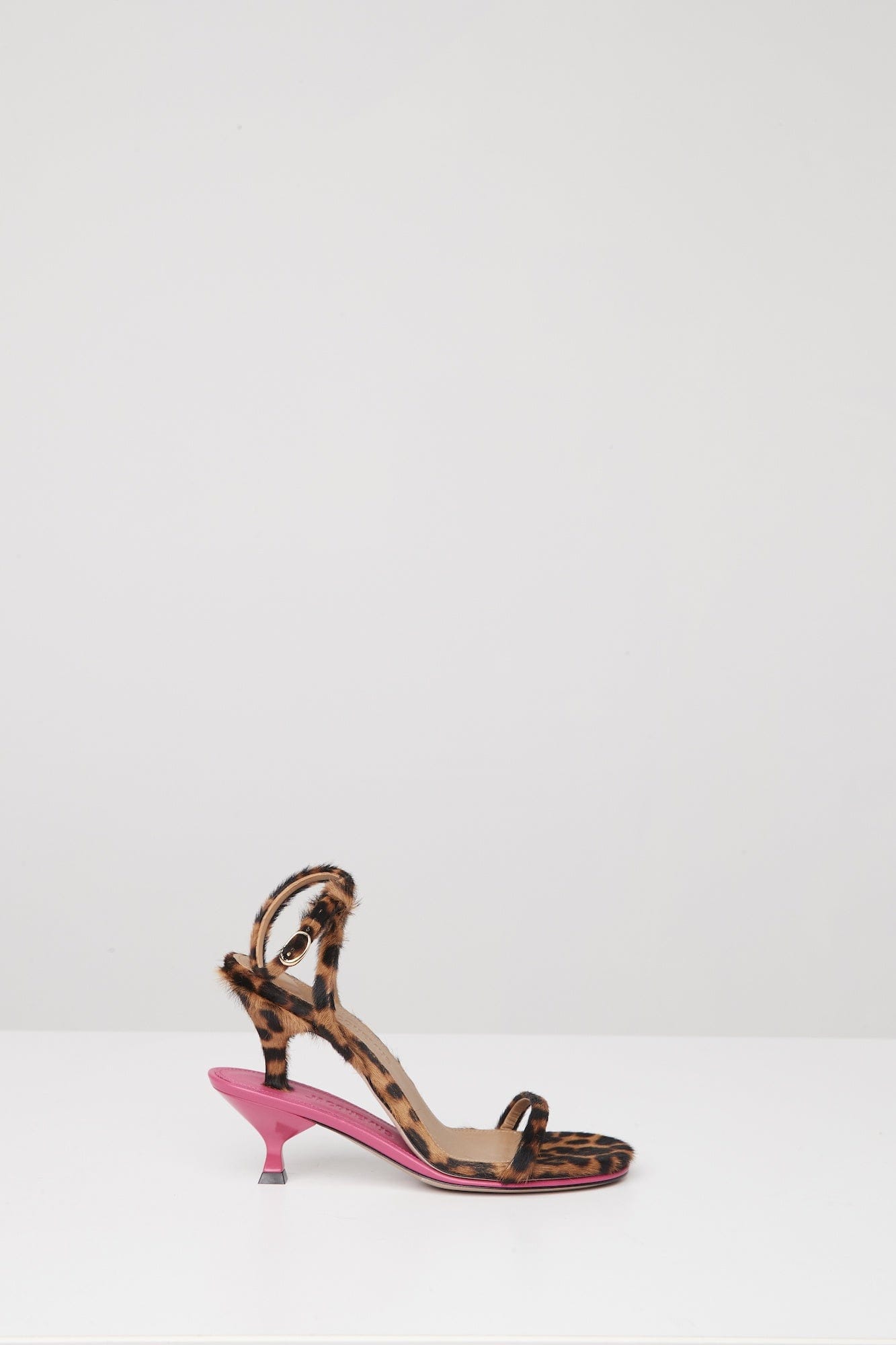
The cardinal rule when styling any dominant piece is the principle of visual balance. This is not a vague style tip but a concept borrowed directly from Gestalt psychology and design theory, which emphasizes how the human eye perceives and organizes visual elements into a coherent whole. When your shoes are the focal point—the “figure” in the figure-ground relationship—the rest of your outfit must serve as the supportive “ground.” This involves strategic decisions in color, texture, and silhouette. The 60-30-10 rule, a classic interior design principle, is perfectly adaptable here: let 60% of your outfit be a neutral base (e.g., black trousers, a beige trench coat, denim), 30% a complementary solid block (a cream sweater, a white shirt), and the statement shoes constitute the final 10% of high-impact detail. Furthermore, consider texture as a balancing agent. The dynamic, busy pattern of a cheetah print heels is visually “loud.” Counteract this with matte, smooth, or structured fabrics like wool crepe, crisp cotton, or sleek leather. This creates a tactile harmony where the outfit feels considered, not chaotic. As renowned designer Victoria Beckham, a known advocate for statement shoes, once noted in an interview with British Vogue, “The shoe can make the outfit, but the outfit must make sense for the shoe. It’s a dialogue, not a monologue.”
Color Theory in Action: Beyond Neutrals
While neutrals are the safest ground, understanding color theory unlocks more adventurous, yet still harmonious, pairings. Referencing the color wheel, the warm browns, blacks, and tans of a classic leopard or cheetah print heels fall within the analogous color scheme (colors next to each other on the wheel). This means they pair naturally with other warm neutrals like camel, ochre, rust, and olive green. For a more daring approach, one can employ a complementary color accent. The direct complement to the orange-brown hue found in many animal prints is a shade of blue. Imagine a navy-blue midi dress or tailored cobalt trousers with your leopard heels—the contrast is striking yet sophisticated, as the colors mutually enhance each other’s intensity without clashing. This application of Johannes Itten’s color theories, taught at the Bauhaus and foundational to modern art and design, provides a scientific backbone to your styling choices, transforming them from guesswork into informed strategy.

Context is King: Styling for Different Arenas
The versatility of a statement shoe is tested across different environments. The key is modulation—adjusting the intensity of the rest of your ensemble to suit the context’s formality and social codes.
The Professional Sphere: Commanding the Boardroom
Integrating wild shoes into a professional setting requires a masterclass in contrast. The goal is to signal innovative thinking while maintaining unequivocal competence. The formula is precision tailoring plus a bold accessory. A impeccably cut, single-breasted blazer in charcoal grey, paired with straight-leg, high-waisted trousers and a simple silk shell, creates a canvas of authoritative minimalism. Introducing a pair of pointed-toe cheetah print heels instantly personalizes this uniform, adding a layer of strategic daring. It communicates that you understand the rules well enough to strategically break one. This aligns with the concept of “power dressing” 2.0, discussed by authors like Silvia Bellezza and Anat Keinan in the Harvard Business Review, where nonconformity in appearance, when executed with clear competence, can enhance perceptions of status and autonomy in professional settings.
Social and Creative Engagements: Unleashing Personality
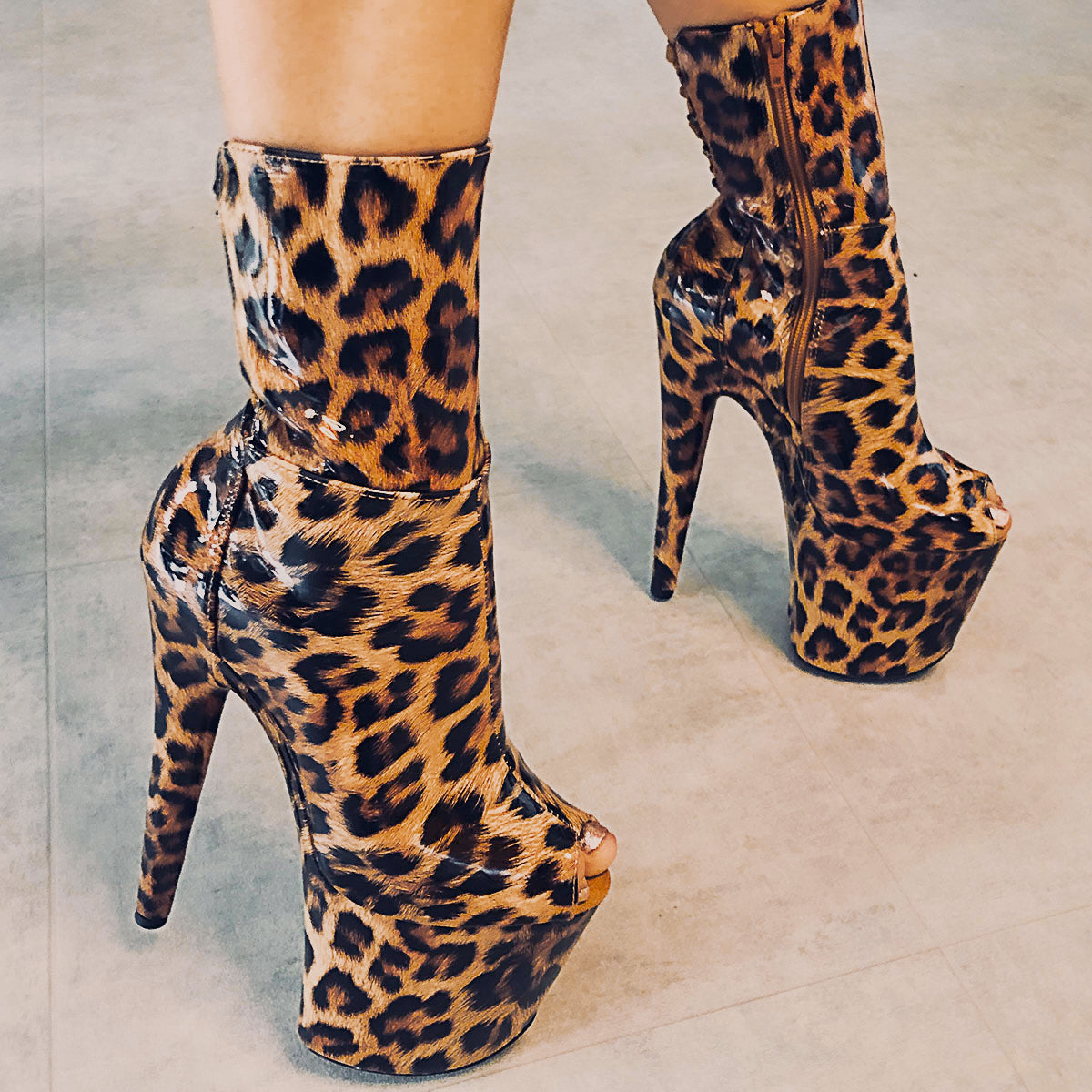
Here, the constraints loosen, and the shoes can take a more central role. For a dinner or gallery opening, let the shoes inspire the outfit’s theme. A simple LBD (Little Black Dress) is transformed from classic to captivating with leopard-print stilettos. Alternatively, lean into the “more is more” philosophy in a controlled manner by pairing your animal print shoes with another pattern. The secret lies in scale and color linkage. Pair a finely striped shirt or a small polka-dot skirt with your cheetah print heels, ensuring at least one color (like black) is common to both patterns. This technique, often showcased by fashion icons like Anna Dello Russo, creates a fashion-forward, editorial look that demonstrates a high level of stylistic literacy. It’s a nod to the postmodern fashion playfulness seen in the works of designers like Miuccia Prada, who famously mixes prints to challenge conventional aesthetics.
Investment and Accessibility: Building Your Statement Arsenal
Cultivating a collection of quality statement pieces is an investment in your style capital. Authoritative resources from institutions like the Fashion Institute of Technology emphasize the value of the “cost per wear” model. A well-constructed, timelessly designed statement shoe from a reputable brand, though higher in initial cost, offers superior materials, comfort, and durability, ensuring it remains a staple for seasons. Look for full-grain leather linings, sturdy heel construction, and brands with a heritage in footwear craftsmanship. However, the democratization of fashion through e-commerce has made bold style accessible. Many contemporary brands and retailers offer high-trend pieces at approachable price points, especially during seasonal sales or through discount platforms. The savvy shopper can acquire a stunning pair of leopard-print mules or cheetah print heels without a prohibitive investment, allowing for more frequent rotation and experimentation. The true value lies not in the price tag, but in the confidence and joy the piece evokes each time you wear it.
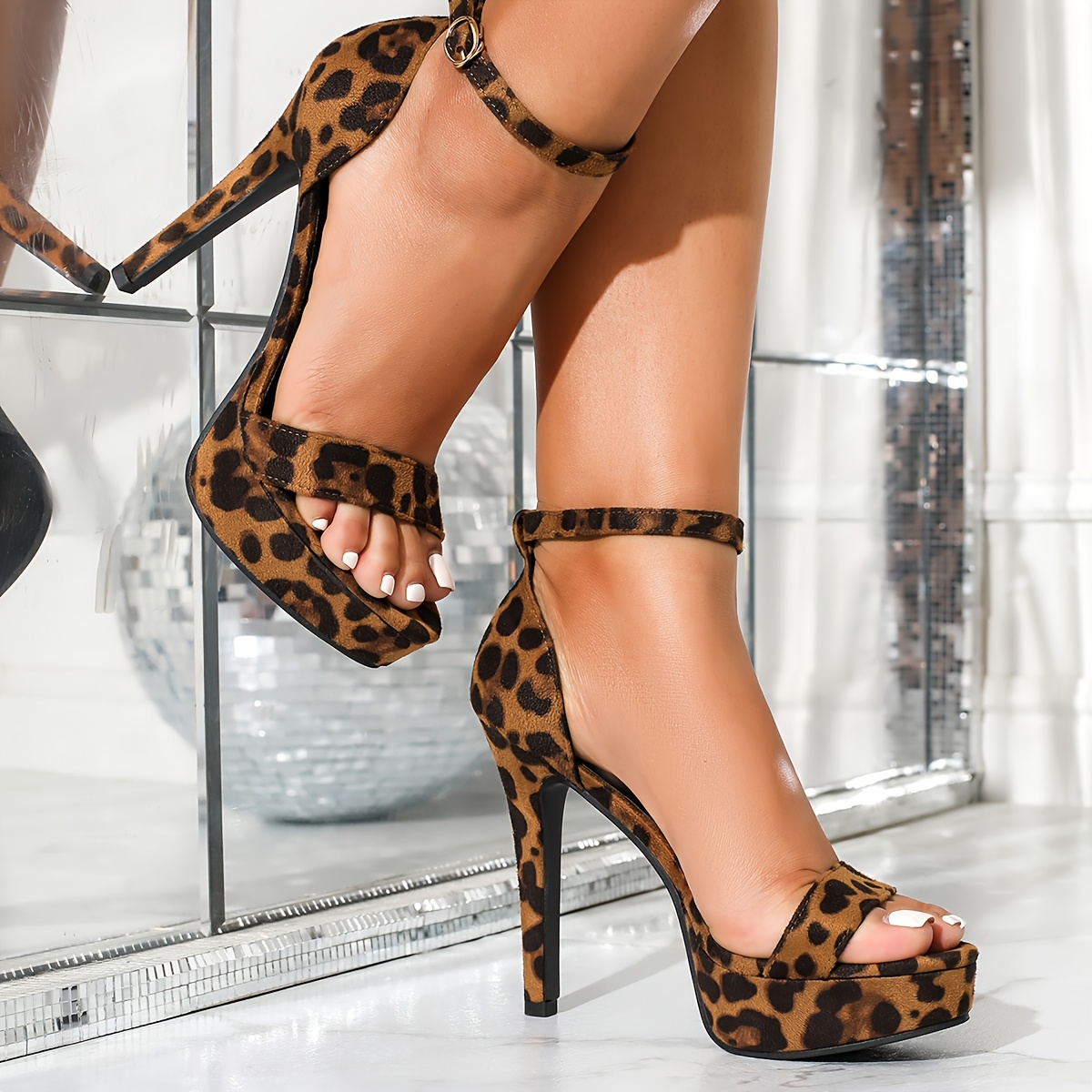
Ultimately, styling wild statement shoes is an exercise in intentionality and self-knowledge. It requires an understanding of the visual language you wish to speak and the context in which you are speaking it. By applying principles of design balance, color theory, and contextual awareness, you transform these pieces from daunting novelties into reliable instruments of personal expression. They become the exclamation point to your sartorial sentence, a deliberate and powerful punctuation that announces your presence not with a whisper, but with a confident, stylish roar. The journey begins with a single step—preferably one clad in something unforgettable.
