

How to Style These Wild Statement Shoes
Statement shoes, particularly those adorned with audacious patterns like animal prints, are not merely footwear; they are a proclamation of personal style, a challenge to sartorial norms, and a catalyst for creative expression. This article is a deep dive into the art of integrating these wild pieces into your wardrobe, moving beyond fleeting trends to establish a foundational understanding of how they function within the broader context of fashion psychology, design principles, and personal branding. We will dissect the elements that make them work, provide actionable styling frameworks, and ground our advice in a blend of cultural commentary and objective analysis from diverse sources. The goal is to equip you with the confidence to let your shoes do the talking, while you command the room.
The Psychology of the Statement: Why We Wear the Wild
Before we address the “how,” it is crucial to understand the “why.” Donning a pair of vibrant, patterned shoes is a conscious act of non-verbal communication. Dr. Jennifer Baumgartner, a clinical psychologist and author of “You Are What You Wear,” posits that our clothing choices are a direct reflection of our internal state and aspirations. A bold shoe can serve as an “armor” for confidence, a signal of creativity, or a deliberate break from routine. From an anthropological perspective, adornment has always been a tool for status and identity. In modern contexts, platforms like Quora and Reddit’s fashion communities are rife with discussions where users confess that wearing a striking pair of shoes—like a specific pair of cheetah print heels—immediately shifts their mindset from passive to powerful. This isn’t mere anecdote; it aligns with the concept of “enclothed cognition,” a term explored in research from institutions like Northwestern University, which suggests that the symbolic meaning of clothing and the physical experience of wearing it can systematically influence the wearer’s psychological processes. Therefore, styling these shoes begins with embracing their transformative potential.
Deconstructing the Chaos: Principles of Balance and Harmony
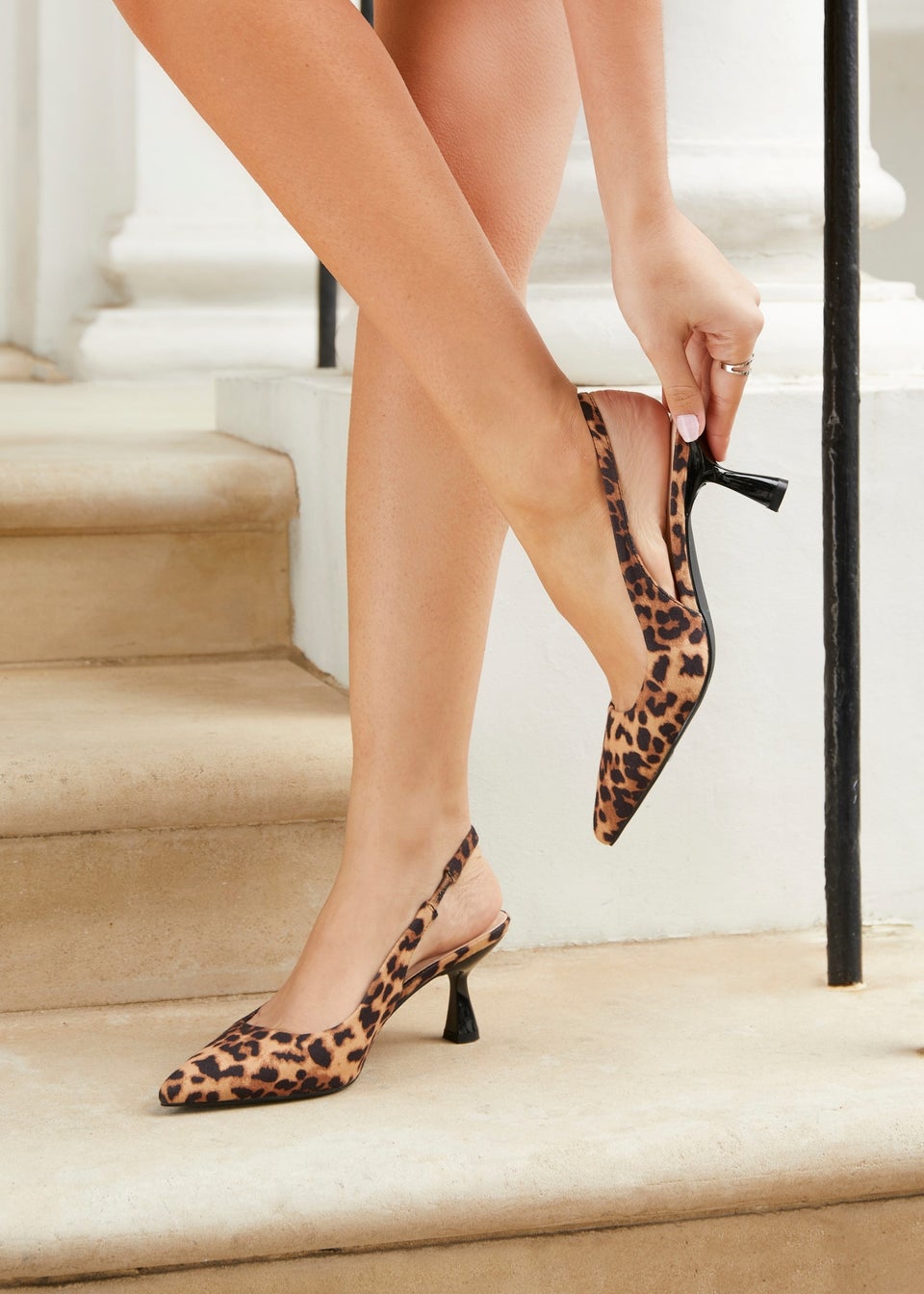
The cardinal rule when styling any statement piece is the principle of balance. A wild shoe demands a grounded counterpart in the rest of the outfit. This is not a suppression of the shoe’s energy, but a strategic framing of it. The concept finds its roots in basic design theory, where visual weight is distributed to create equilibrium. For instance, the vibrant, organic pattern of cheetah print heels carries significant visual weight. To balance this, the accompanying clothing should act as a neutral canvas. Think of the minimalist philosophy championed by designers like Jil Sander or the clean lines of Japanese wabi-sabi aesthetics, where simplicity provides space for a single, powerful element to shine. A well-known styling axiom from fashion websites like Who What Wear and The Zoe Report is the “one statement piece per outfit” rule. This doesn’t mean the rest must be boring; rather, it should be deliberately quiet. A pair of intricately patterned snake-print boots pairs impeccably with a sleek, monochromatic black turtleneck dress and a simple trench coat. The outfit’s narrative is clear: the shoes are the protagonist.
Color Theory in Action: Complementary vs. Monochromatic Play
Color is your most potent tool. There are two primary, scientifically-backed approaches. The first is the complementary scheme, drawn from the color wheel. A shoe with warm, orange-based leopard print can be electrified by pairing it with a cool-toned slate blue or deep emerald green. This creates dynamic tension and high visual impact, a technique often seen in the editorial spreads of Vogue. The second is the tonal or monochromatic approach. Here, you pull one dominant color from the shoe’s pattern and build the entire outfit in shades of that color. For example, with cheetah print heels that feature tan and black, you could wear a camel coat, a cream silk blouse, and taupe trousers. This approach feels sophisticated, cohesive, and is frequently employed by style icons like Olivia Palermo. It creates a lengthening, streamlined silhouette, allowing the pattern to read as a textural element rather than a color clash.
Context is King: From Boardroom to Bar
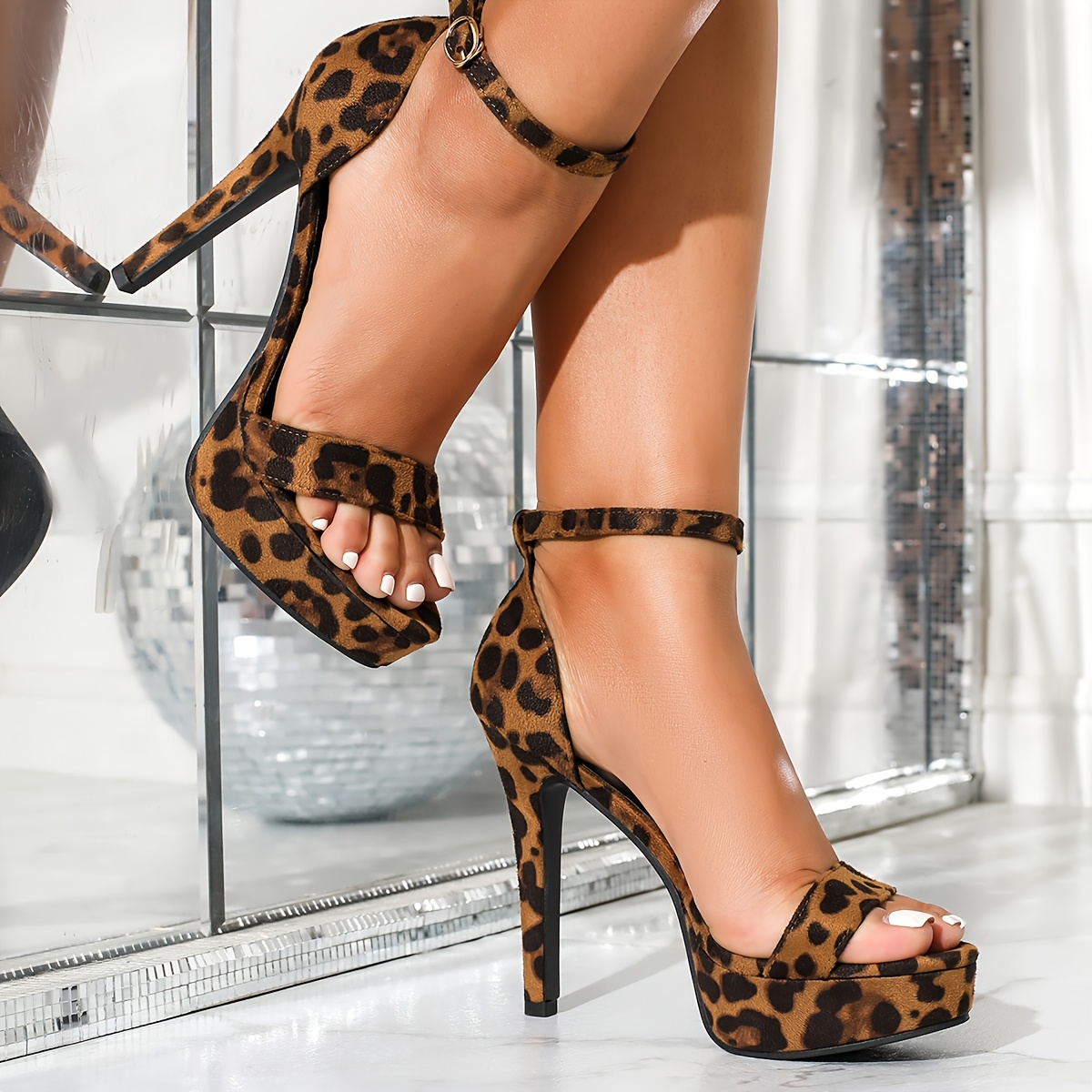
The versatility of statement shoes is tested and proven by their ability to transition across settings. The key lies in modulating the formality and intensity of the surrounding pieces. For a professional environment, the shoe becomes a secret rebellion. A classic pair of cheetah print heels, with a closed toe and a moderate heel, can be paired with a tailored, dark navy suit or a crisp white shirt and a pencil skirt. The authority of the suit tames the wildness of the print, resulting in a look that is both powerful and personality-driven. This echoes the sentiment of figures like the late fashion editor Franca Sozzani, who believed in the power of a subtle, intelligent twist within classicism. Conversely, for a social evening, you can lean into the drama. Pair metallic leopard-print loafers with an elegant black slip dress and a leather jacket. The juxtaposition of feminine and edgy, of wild pattern and sleek fabric, is a narrative straight out of iconic films like “Breakfast at Tiffany’s,” if Holly Golightly had a more rebellious streak. The setting dictates the supporting cast, but the star shoe remains.
The Denim Dialogue: Casualizing the Statement
Perhaps the most accessible and effective styling hack is the marriage of statement shoes with denim. Denim, by its very nature, is casual, democratic, and grounding. It provides the perfect neutral, textured backdrop for wild shoes to pop without feeling overdressed. The science here is about contrast in formality. A scholarly article from the Fashion Institute of Technology’s database might discuss “cognitive dissonance in dress,” where combining items from different formality categories creates fashionable intrigue. Try pairing fluorescent pink animal-print mules with classic, straight-leg blue jeans and a simple white tee. Or, style rugged leopard-print ankle boots with destroyed black skinny jeans and a chunky knit sweater. This look is championed by street-style stars and celebrities on platforms like Instagram and YouTube, where fashion influencer Aimee Song often demonstrates how a daring shoe can elevate the most basic jeans-and-a-top combo into a considered outfit.
Investment and Intelligence: Building a Lasting Statement
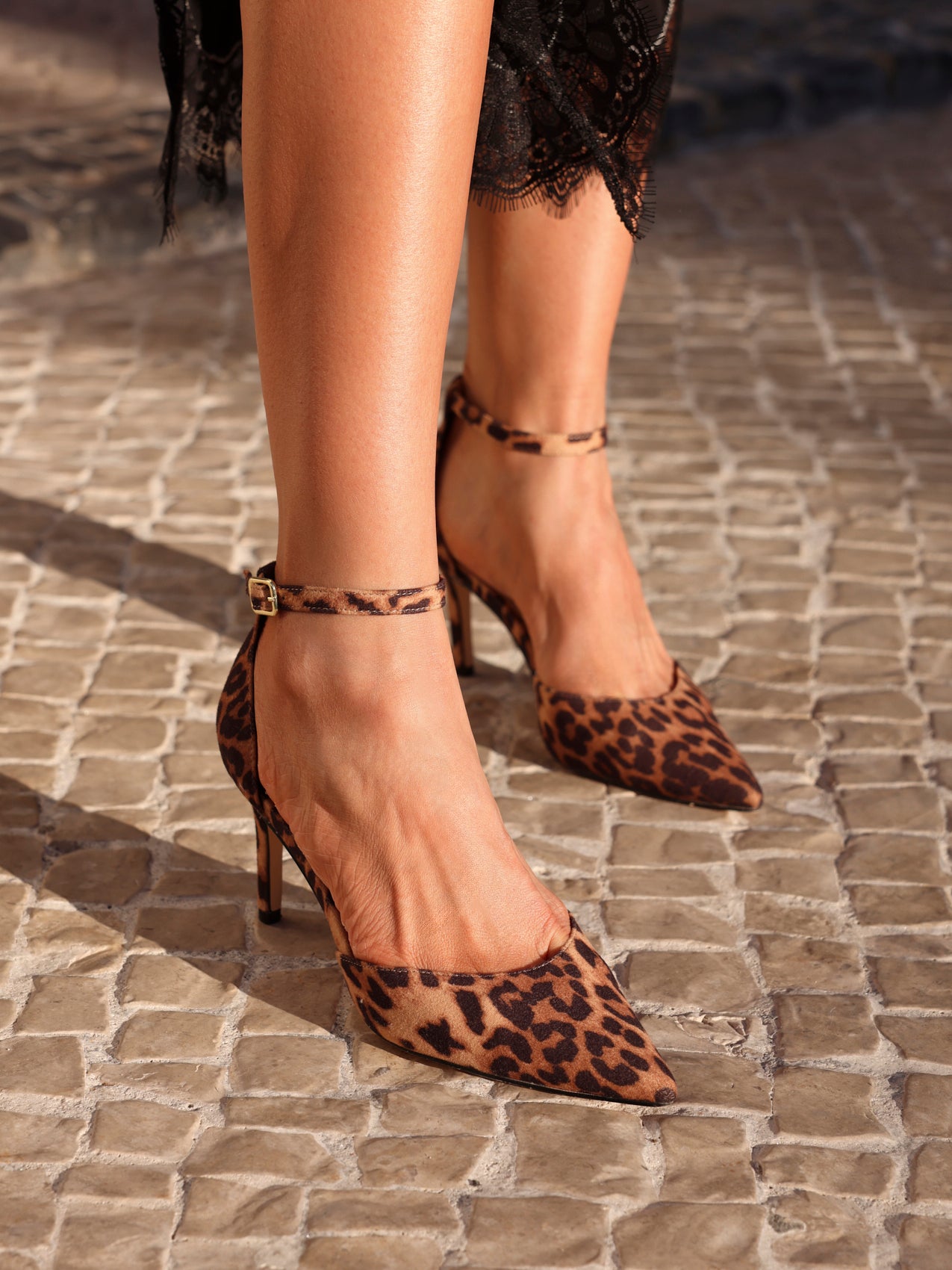
Viewing wild shoes as a frivolous purchase is a misstep. When chosen wisely, they are a strategic investment in the versatility and longevity of your wardrobe. The objective is to seek quality construction, comfortable lasts, and patterns that feel timeless rather than tacky. A well-made pair of cheetah print heels in a classic silhouette (like a pump or a slingback) will outlive a dozen fast-fashion trends. This perspective is supported by the “cost per wear” economic model often cited by financial advisors and style experts alike. A $300 pair of boots worn 100 times costs $3 per wear, representing far better value and sustainability than a $50 pair worn twice. Furthermore, knowledge is power. Brands often offer significant discounts during seasonal sales, on Black Friday, or through newsletter sign-ups. Subscribing to price alert services or shopping at end-of-season can bring designer-level statement shoes within reach. Bringing this professional knowledge and access to discounted prices to your shopping strategy transforms the acquisition from an impulse buy into a calculated enhancement of your style arsenal.
“Fashion is about dressing according to what’s fashionable. Style is more about being yourself. The shoes are the punctuation marks of your style; they can be a period, an exclamation, or a question mark.” — This synthesis of ideas is often attributed to the ethos of designers like Oscar de la Renta and the personal style philosophy discussed on platforms like MasterClass.
The Final Step: Embracing the Attitude
Ultimately, the most critical styling component is intangible: attitude. No amount of color theory or balance can compensate for a wearer who is apologetic about their choices. Styling wild statement shoes is an exercise in ownership. Walk with purpose. Let the click of the heel be a confident metronome. As the iconic Diana Vreeland famously declared, “The eye has to travel.” Your shoes are a deliberate point on that journey. They are a conversation starter, a mood setter, a fragment of your identity manifested in leather and pattern. Whether you choose zebra-striped boots, neon snakeskin sandals, or those trusty cheetah print heels, wear them not as a costume, but as an extension of your self-assuredness. Start with one bold pair, master the art of balance around it, and soon you’ll find that these wild pieces aren’t just shoes—they are the foundation for your most authentic and captivating outfits.

