

Your Ultimate Guide to Chic and Playful Outfits
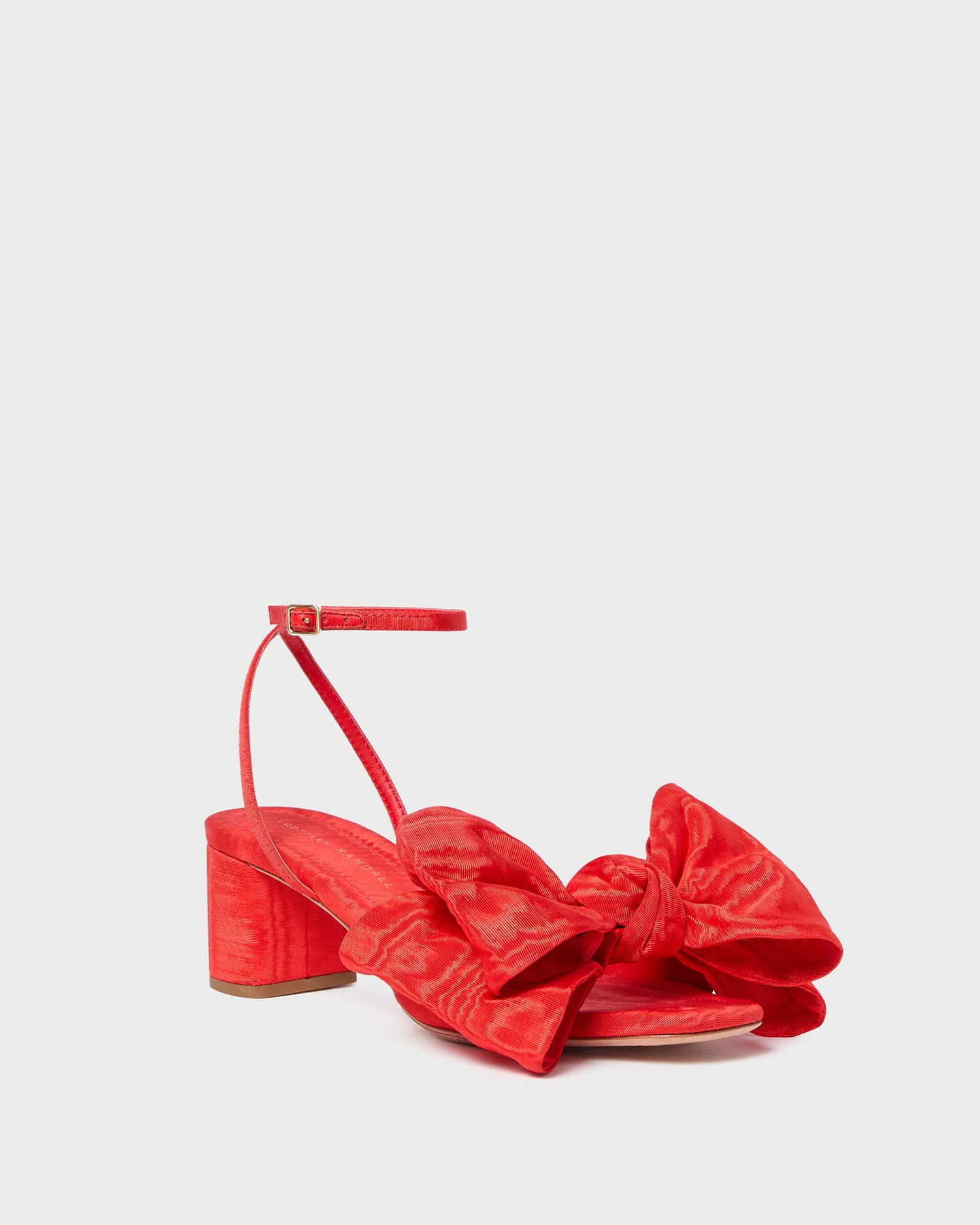
Fashion is not merely about covering the body; it’s a vibrant language of self-expression, a playground where sophistication meets whimsy. The most memorable styles often reside at this intersection, where classic elegance is infused with a dash of lighthearted charm. This guide is dedicated to unraveling the art of crafting outfits that are both undeniably chic and delightfully playful. We’ll move beyond fleeting trends to explore the foundational principles of color, silhouette, and detail, demonstrating how strategic choices can project confidence, creativity, and joy. Forget rigid rules—this is about cultivating a wardrobe that feels authentically you, where a serious blazer can converse with a quirky print, and the definitive punctuation of an outfit might just be a pair of stunning bow red heels.
The Philosophy of Playful Chic: Beyond Binary Dressing
The concept of “playful chic” challenges the outdated fashion binary of “serious versus fun.” It aligns with the psychological principle of “enclothed cognition,” a term explored in research from institutions like Northwestern University, which suggests the clothes we wear can systematically influence our psychological processes. A study published in the Journal of Experimental Social Psychology found that wearing clothing associated with competence, like a doctor’s coat, increased sustained attention. Translating this, a playful-chic outfit—think a structured dress with an unexpected texture—can simultaneously boost feelings of capability and creative freedom. This style philosophy echoes the ethos of designers like Miuccia Prada, who masterfully deconstructs feminine codes. As she once stated in an interview with The New Yorker, “I have always thought that the best way to be modern is to mix things.” This isn’t about costuming; it’s about intentional juxtaposition. A minimalist, clean-lined silhouette provides the perfect canvas for a burst of whimsy, ensuring the playfulness feels curated, not chaotic. The goal is an aesthetic dialogue where each element has a voice, creating a look that is intellectually engaging and visually captivating.
Architecting Your Foundation: Silhouettes and Proportions
Before introducing playful elements, a chic foundation is paramount. This begins with understanding and honoring your silhouette. The golden ratio, a mathematical principle often found in nature and art (approximately 1:1.618), is frequently referenced in design for its aesthetically pleasing proportions. While not a strict rule for bodies, its concept can guide outfit balance. The key is creating a focal point. For instance, a voluminous, playful sleeve or a full skirt (the “playful” element) is often most flattering when balanced with a fitted bodice or a sleek top (the “chic” element). This principle of contrast is foundational in design theory. Author and stylist Allison Bornstein’s “three-word method” encourages defining your style core with adjectives—one of which could be “architectural.” This means investing in pieces with strong, clean lines: a perfectly tailored blazer, wide-leg trousers that drape elegantly, or a simple sheath dress. These items act as the neutral backdrop in a painting. They are your wardrobe’s infrastructure. From this place of structured confidence, you can then introduce distortion, volume, or asymmetry in a controlled, impactful way. It’s the difference between a room filled with eclectic art versus one where every wall is a different bold pattern; the former feels curated, the latter overwhelming.
The Language of Hue: Color Psychology and Strategic Pops
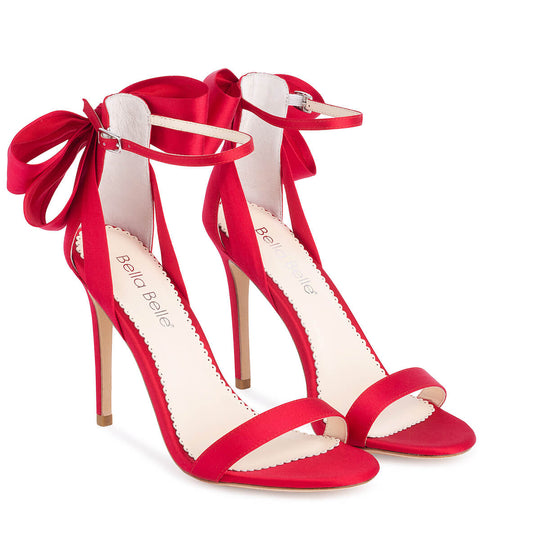
Color is the most immediate communicator in fashion. Color psychology, while not an exact science, is a field studied in marketing, design, and therapy. According to resources like the Pantone Color Institute, red is often associated with energy, confidence, and excitement. A study cited in Color Research and Application journal noted that red can enhance attraction and perceived status in certain contexts. This makes a vibrant red an impeccable choice for a playful-chic statement. The strategy lies in application. A head-to-toe neon outfit may skew purely playful, but a strategic pop of color within a neutral palette is the essence of chic playfulness. This is where an accessory like a pair of bow red heels becomes a masterstroke. The red commands attention and exudes confidence (chic), while the bow detail introduces a feminine, whimsical note (playful). Similarly, consider color blocking with complementary colors (opposites on the color wheel, like blue and orange) for a bold, modern look, or analogous colors (neighbors on the wheel, like pink and purple) for a harmonious yet vibrant effect. The rule of thumb is to let one color dominate (the chic base) and use the playful hue as an accent—on shoes, a bag, a scarf, or statement jewelry.
The Power of Detail: Where Whimsy Takes the Stage
If silhouette and color are the sentence structure, details are the punctuation—the exclamation points, question marks, and elegant em-dashes. Playful chic thrives in the details. This can manifest in unexpected textures: the contrast of sleek satin against rustic tweed, or delicate lace peeking from under structured leather. It can be in unconventional hardware, like pearl-embellished zippers or sculptural buttons. Prints are a potent tool here. A classic striped shirt (chic) becomes playful when paired with a skirt featuring a whimsical, oversized floral or a geometric abstract print. The trick, as often showcased on fashion platforms like Vogue Runway or Who What Wear, is to vary the scale of patterns and anchor them with solid colors. But perhaps no detail encapsulates this concept more perfectly than the bow. A bow can transform an item from simple to special. On a pump, it elevates a standard shoe into a conversation piece. A pair of bow red heels is, therefore, a quintessential investment piece for this aesthetic. It combines the powerful statement of red with the charming, classic detail of a bow, offering endless styling possibilities from professional presentations to weekend brunches.
Iconic References: From Silver Screen to Street Style
The playful chic ethos has deep roots in cultural history, providing a rich tapestry of inspiration. Consider the iconic style of Audrey Hepburn in Funny Face—her black turtleneck and capri pants were the height of chic, but the scene where she dances in a loft, her movement free and joyful, encapsulates the spirit of playfulness. More recently, characters like Emily in Paris, despite the show’s debated realism, visually demonstrate the principle of mixing classic French staples with bold, quirky accessories. In literature, the flamboyant and meticulously described outfits in F. Scott Fitzgerald’s The Great Gatsby speak to an era where opulence (playful) was worn with rigorous social formality (chic). On YouTube, style commentators like Haley Kim often analyze how Korean fashion trends expertly blend cute, playful details with minimalist, chic silhouettes. These references aren’t about copying head-to-toe looks; they’re about absorbing the principle. They teach us that a little irreverence, when applied with a discerning eye, makes style memorable and personal.
Curating Your Playful Chic Toolkit
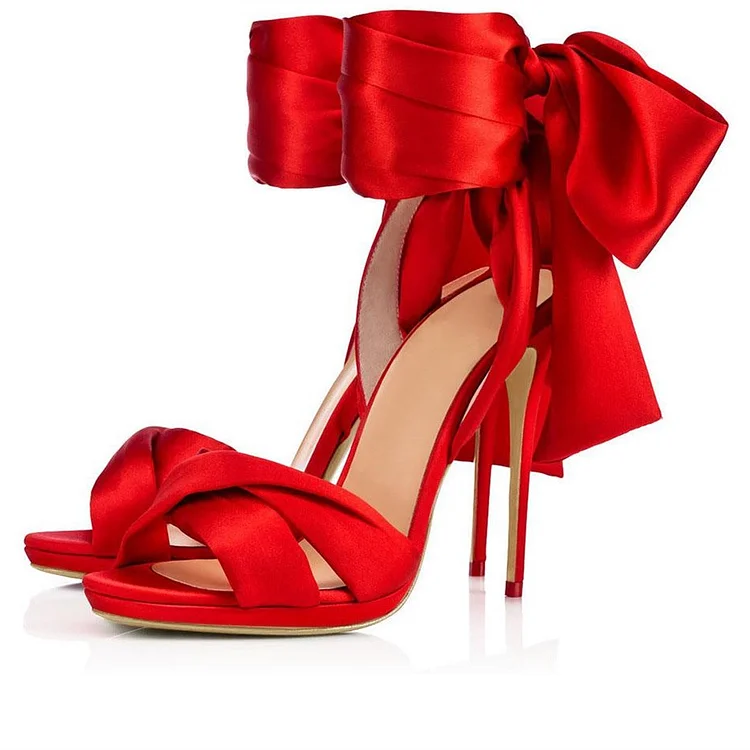
Building a versatile playful chic wardrobe is an exercise in mindful curation. Start with your chic anchors: a great blazer, tailored trousers, a crisp white shirt, a little black dress, and quality denim. Then, introduce playful disruptors. This is where knowledge of materials and construction brings professional value. Look for pieces with interesting details: a blouse with puff sleeves or a tie neck, trousers with a unique waistline or cuff detail. A midi skirt in a bold color or unexpected print is a versatile piece. And of course, footwear is a critical category. Investing in a standout pair like bow red heels offers immense styling leverage. They can transform a simple jeans-and-tee combination into a deliberate fashion statement or add a necessary spark to an all-black ensemble. When shopping, prioritize quality over quantity. A well-made shoe with a leather bow and a comfortable heel block (a scientific design feature that distributes weight) is a smarter long-term investment than multiple trendy, poorly constructed pairs. Look for sales on end-of-season classics from reputable brands—the timeless design of a bow pump means it transcends specific seasons.
The Final Touch: Confidence as the Ultimate Accessory
All the theory, all the carefully selected pieces, converge on one final, non-negotiable element: your own confidence. Fashion psychologist Dr. Dawnn Karen, in her book Dress Your Best Life, discusses the concept of “mood enhancement through dress.” She advocates for wearing clothes that align with the mood you wish to cultivate. Choosing a playful-chic outfit is an active decision to embrace both competence and joy. It’s a sartorial smile. When you step out in an outfit that balances a sharp silhouette with a whimsical detail—perhaps finally wearing those stunning bow red heels you’ve been saving—you carry yourself differently. The outfit gives you permission to be both professional and personal, serious and spirited. This authenticity is what truly makes an outfit chic. It’s not about seeking external validation but about the internal dialogue your clothes create. Does this combination make you feel capable, creative, and uniquely yourself? If the answer is yes, you have mastered the art.

So, begin with a clean line. Add a curve of color. Pinpoint with a detail that makes you smile. Remember that the most compelling style narratives are those written with a mix of bold and delicate strokes, where intellect and imagination walk hand in hand, one playful, chic step at a time.
