

The Walking Shoe: Your Secret to Effortless Style and All-Day Comfort
In a world where fashion often demands sacrifice, the notion of a shoe that seamlessly blends style with unwavering comfort might seem like a distant fantasy. We’ve all endured the blisters from sleek leather loafers, the aching arches from trendy sneakers, and the general fatigue that comes from footwear that prioritizes form over function. But what if the key to unlocking a new realm of sartorial ease has been quietly evolving, not on the haute couture runways, but in the realms of biomechanics and material science? The answer lies in a category often overlooked yet fundamentally transformative: the walking shoe. This is not merely about athletic gear; it’s about a foundational piece of technology designed for the human body in motion. The modern walking shoe represents a paradigm shift, proving that you do not have to choose between looking polished and feeling invincible from dawn until dusk. It is the unsung hero of the urban landscape, the cornerstone of a capsule wardrobe for the dynamic individual, and the secret weapon for anyone who believes that true style should be experienced, not endured.
The Anatomy of All-Day Comfort: Beyond the Insole
To understand the revolution of the modern walking shoe, one must first dissect the science of comfort. Comfort is not a vague feeling of softness; it is a precise engineering outcome. According to research from the Spaulding National Running Center, affiliated with Harvard Medical School, optimal footwear is designed to manage the complex gait cycle—heel strike, midfoot stance, and toe-off—while minimizing peak impact forces on joints. A true walking shoe excels in this by integrating several key components. The midsole, often crafted from advanced polymers like EVA (ethylene-vinyl acetate) or proprietary foams such as Brooks’ DNA LOFT or Hoka’s Profly, is the primary shock absorber. Its density and geometry are calibrated not for explosive energy return like a running shoe, but for consistent, plush cushioning over thousands of steps. The heel counter, a firm cup that cradles the calcaneus bone, provides essential stability to prevent excessive pronation or supination, aligning the ankle and reducing strain on the kinetic chain up to the knees and hips. Furthermore, the rocker sole design, a feature highlighted in podiatric literature for its benefits in reducing forefoot pressure, promotes a natural rolling motion from heel to toe, making each step more efficient and less taxing on the calf muscles and plantar fascia. This biomechanical support system is what separates a dedicated walking shoe from a casual sneaker. As noted by Dr. Casey Kerrigan, a former professor of physical medicine and rehabilitation at the University of Virginia, “Shoes that are more flexible and have a lower heel can reduce joint torques at the hip and knee, which are associated with osteoarthritis.” Thus, the construction of a proper walking shoe is a direct intervention for long-term musculoskeletal health.
Material Innovation: Where Technology Meets the Pavement
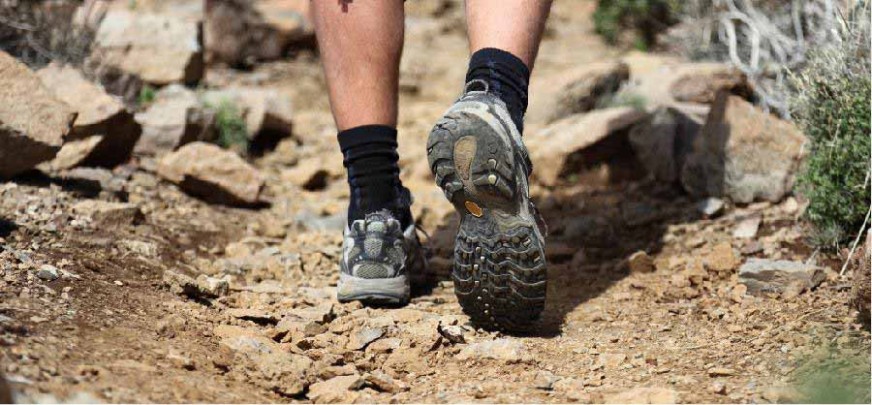
The exterior and interior fabrics of a shoe are just as critical as its structural bones. The 21st century has seen an explosion in textile innovation, directly benefiting footwear. Modern uppers are increasingly made from engineered knits, like Adidas’s Primeknit or Nike’s Flyknit, which provide a dynamic, sock-like fit that adapts to the foot’s shape without pressure points. These materials offer targeted breathability, with mesh zones in high-sweat areas like the toe box and midfoot, a feature corroborated by thermal comfort studies in ergonomic apparel research. For waterproof yet breathable capabilities, membranes like GORE-TEX® are integrated, allowing vapor from sweat to escape while blocking external moisture—a boon for commuters and all-weather walkers. Inside, moisture-wicking linings and antimicrobial treatments, often using silver-ion technology, keep the foot environment dry and odor-free, combating fungal growth. The outsole, too, has evolved. Durable carbon rubber in high-wear areas combined with lighter blown rubber for cushioning provides a balance of longevity and flexibility. The tread pattern is meticulously designed for multi-surface traction, drawing inspiration from tire engineering to ensure grip on wet pavement, slick tiles, or light gravel. This confluence of materials transforms the shoe from a passive covering into an active environmental interface. As Tim Brown, the former CEO of Allbirds, famously stated in a Fast Company interview regarding their use of merino wool and sugarcane-based EVA, “Our design philosophy starts with natural materials and asks how we can make them perform better.” This ethos of purposeful material selection is central to the identity of a high-performance walking shoe.
Style Reimagined: The Demise of the “Ugly” Comfort Shoe
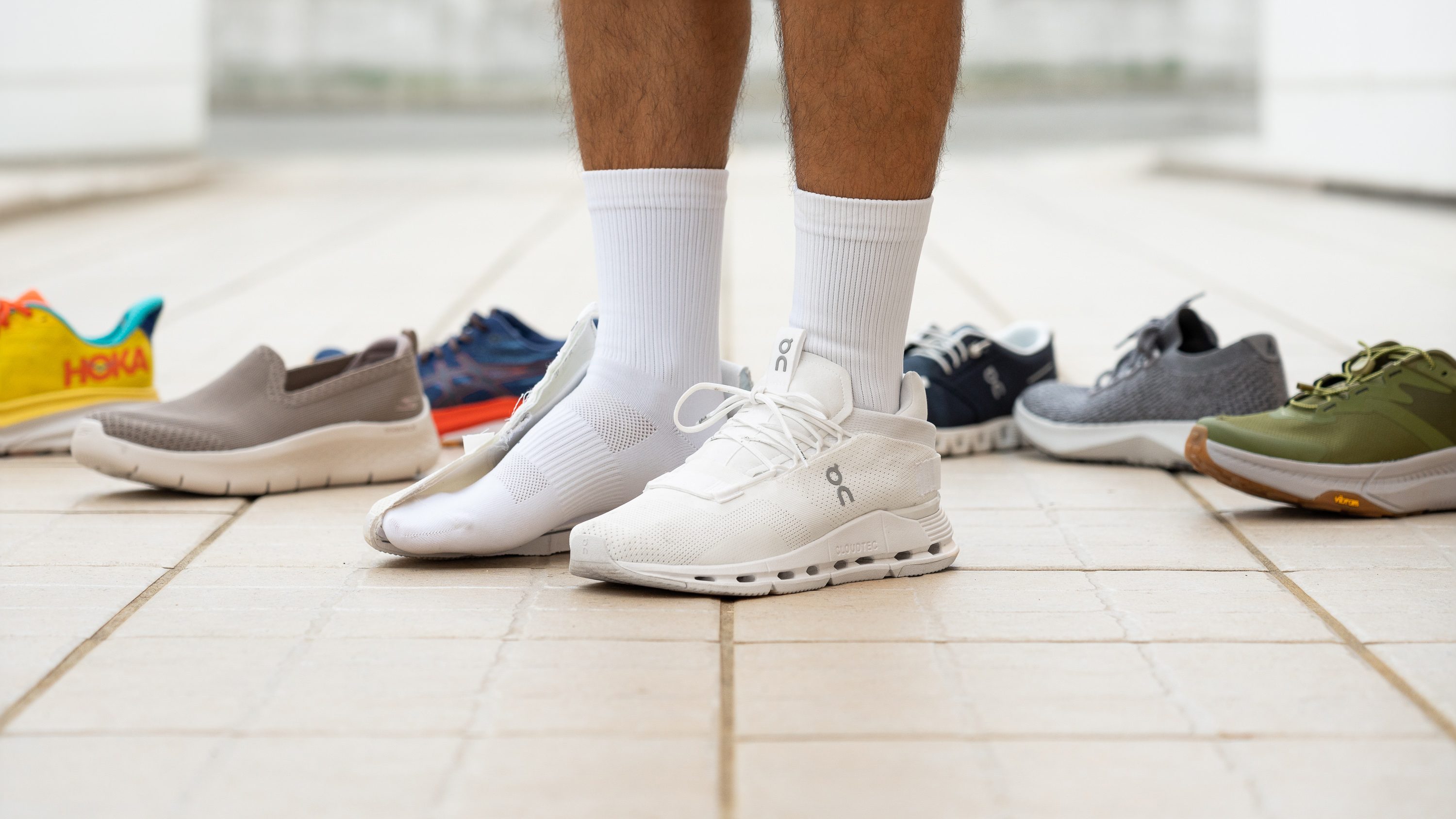
For decades, “comfort shoes” were synonymous with clunky silhouettes, beige tones, and a general aesthetic of surrender. This is no longer the case. The current landscape is defined by a powerful convergence of athleisure trends and minimalist design principles. Brands like Cole Haan, with its Grand series, have successfully fused dress shoe elegance with sneaker technology, creating oxfords and loafers with hidden cushioning and flexible outsoles. On the other end, athletic giants like New Balance and Hoka have elevated their designs, offering walking-specific models in sophisticated color palettes—think muted olives, deep navies, and monochromatic schemes—that transition effortlessly from a morning walk to a casual office setting or a weekend brunch. The influence of high fashion is undeniable; collaborations between brands like Salomon and fashion houses, or the ubiquitous presence of sleek, technical sneakers from brands like On Running in street-style photography, have legitimized performance aesthetics. The key stylistic tenet of the modern walking shoe is versatility. It possesses a clean, uncluttered profile that avoids overly aggressive sporty detailing, allowing it to pair with chinos, jeans, or even tailored trousers without visual discord. This design evolution reflects a broader cultural shift, articulated by fashion critic Vanessa Friedman in The New York Times: “The most significant trend in fashion right now isn’t a color or a silhouette; it’s the idea of well-being, and that is expressed through clothing and shoes that don’t hurt.” The modern walking shoe is, therefore, a style statement that communicates intelligence—an understanding that looking good and feeling good are inextricably linked.
The Economic and Practical Argument: An Investment in Your Foundation
Viewing a premium walking shoe as an expense is a fundamental miscalculation; it is an investment with tangible returns. Consider the cost-per-wear model. A $150 pair of shoes worn nearly every day for a year, outlasting cheaper alternatives that may degrade in comfort and support within months, presents a far better value. More critically, it is an investment in preventative health. The American Podiatric Medical Association (APMA) grants its Seal of Acceptance to footwear that promotes good foot health, and many dedicated walking shoes carry this endorsement. The financial and personal cost of foot ailments—plantar fasciitis, metatarsalgia, Achilles tendonitis—along with the downstream effects on knees and back, can be substantial in terms of medical bills, physical therapy, and lost productivity. A properly supportive shoe acts as daily prophylaxis. Furthermore, the practical benefits extend to daily life. The confidence of knowing your feet won’t ache during a long museum visit, a travel day navigating airports, or an unexpected errand-filled afternoon is liberating. It removes a low-grade but constant source of stress and physical limitation. In this light, the acquisition of a high-quality walking shoe is an act of self-care and logistical savvy. It is about equipping yourself with the right tool for the most fundamental human activity: walking. As the ancient Greek physician Hippocrates is often paraphrased, “Walking is man’s best medicine.” Shouldn’t that medicine be delivered in the most effective, comfortable vessel possible?
Selecting Your Perfect Pair: A Guided Journey
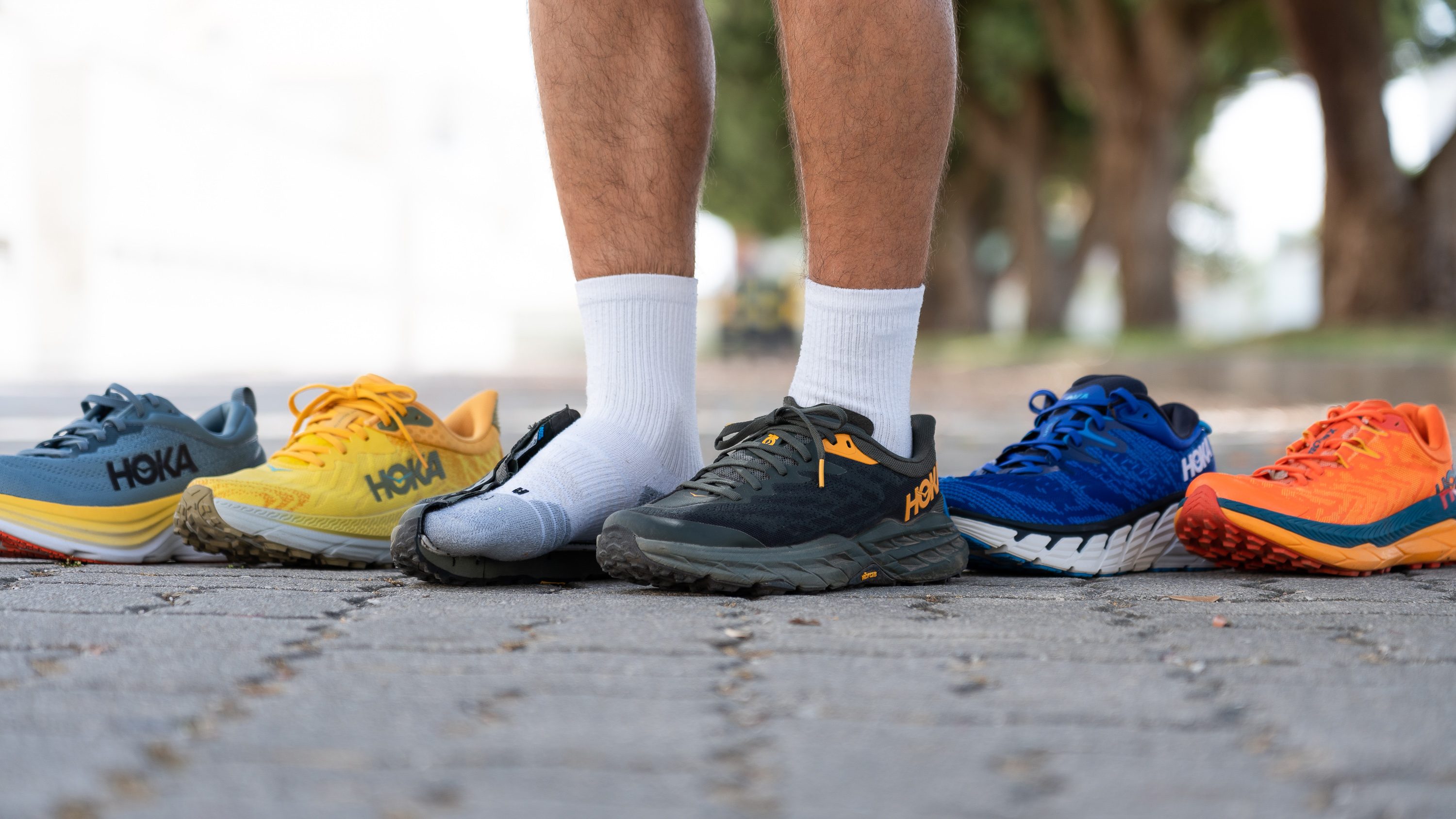
With the “why” firmly established, the “how” becomes essential. Selecting your ideal walking shoe is a personal journey, but it should be guided by method, not marketing. First, timing is everything. Always shop for shoes in the late afternoon or evening, as feet naturally swell throughout the day. This ensures you get a fit that accommodates your foot at its largest. Second, prioritize fit over size. Your numerical size is a starting point, not a destination. There should be about a thumb’s width (roughly 3/8 to 1/2 inch) of space between your longest toe and the end of the shoe. The widest part of your foot should align with the widest part of the shoe without feeling constricted. Third, bring your own socks. Wear the type of socks you intend to pair with the shoes, whether they are performance athletic socks or everyday cotton blends, to get an accurate feel. Fourth, test them dynamically. Don’t just stand; walk on a hard surface in the store, if possible. Pay attention to any immediate pressure points, heel slippage, or arch support alignment. Many specialty running stores offer gait analysis, which can be invaluable even for walkers to identify your pronation pattern. Finally, listen to your body’s history. If you have a known tendency toward overpronation, seek out models with structured support. If you have high arches, focus on maximum cushioning. Remember, the most expensive or highly-rated shoe is not the best—the best shoe is the one that disappears on your foot, allowing you to move without a second thought.
:max_bytes(150000):strip_icc()/when-should-i-replace-my-walking-shoes-3436325-0801-7a1840d83573471092e0380f9e230ecc.jpg)
When to Retire Your Companion: Recognizing the Signs
Even the most advanced walking shoe has a finite lifespan. The cushioning materials compress, the stability structures fatigue, and the outsole tread wears down, long before the upper looks visibly tattered. The general consensus among podiatrists and footwear experts, including resources from the University of Pittsburgh Medical Center, is to consider replacement every 300 to 500 miles of walking. For the average person walking 3-5 miles per day, this translates to roughly 3-6 months. However, mileage is not the only indicator. Conduct regular inspections. Place your shoes on a flat surface and look at them from behind. Excessive wear on the inside or outside of the heel indicates breakdown of the support structure. Press your thumb into the midsole; if it feels hard and unyielding with little rebound, the cushioning is depleted. Subjectively, listen to your body. New or recurring aches in your feet, shins, knees, or lower back can often be the first signal that your shoes have lost their protective capabilities. Retiring a shoe is not a failure; it’s a recognition of the valuable service it has provided. It marks the culmination of hundreds of miles of support and the opportunity to begin anew with the latest advancements in comfort technology, ensuring your foundation remains solid.
The pursuit of effortless style and all-day comfort is not a compromise; it is an elevation. It is a choice to align your daily experience with the sophisticated capabilities of modern design and engineering. The dedicated walking shoe stands as the definitive proof of this possibility. It is a tool that respects the biomechanics of the human body, a canvas that embraces contemporary aesthetics, and a companion that invests in your well-being with every step. By choosing footwear that is engineered for the reality of movement, you are not just buying a shoe—you are adopting a philosophy. A philosophy that values sustained vitality over fleeting fashion, that sees intelligence in comfort, and that understands the profound impact a solid foundation has on everything you build above it. Let your next step be your most comfortable yet, and watch as the world becomes a place you move through not with endurance, but with ease and unmistakable style.
