

The Ultimate Guide to Vionic Walking Shoes for All-Day Support
Forget the notion that comfort and style are mutually exclusive, especially when it comes to the shoes you wear for hours on end. The right footwear isn’t just an accessory; it’s a foundational tool for your daily well-being. This guide cuts through the noise to present a focused examination of one standout solution: the biomechanically engineered Vionic walking shoe. We’re moving beyond marketing claims to explore the science of support, the reality of all-day wear, and how a specific design philosophy can transform your relationship with the ground beneath your feet.
The Foundation: Why Biomechanics Matter in Footwear
The human foot is a complex structure of 26 bones, 33 joints, and over 100 muscles, tendons, and ligaments. According to biomechanics literature from institutions like the University of Delaware’s Department of Kinesiology and Applied Physiology, the way our feet interact with the ground—the gait cycle—profoundly influences alignment all the way up to the knees, hips, and lower back. Conventional flat shoes or those with poorly contoured insoles fail to support the foot’s natural triple-arch system. This can lead to overpronation (excessive inward rolling) or supination (outward rolling), placing undue stress on the body’s kinetic chain. The core proposition of a Vionic walking shoe is built upon this scientific understanding. It’s not merely about cushioning; it’s about providing dynamic, three-dimensional support that guides the foot through a healthier, more natural motion from heel strike to toe-off. This orthotic-inspired approach is what separates a simple shoe from a functional device aimed at enhancing stability and reducing fatigue.

Deconstructing the Vionic Advantage: The Orthotic Footbed
At the heart of every Vionic walking shoe lies its signature feature: the biomechanical orthotic footbed. This isn’t a generic, flat cushion. It’s a podiatrist-designed element with a deep heel cup, a pronounced arch support, and a forefoot bar. The deep heel cup stabilizes the calcaneus (heel bone), minimizing lateral movement and providing a secure foundation. The arch support is precisely calibrated to cradle the medial longitudinal arch—the main arch that commonly collapses, leading to flat feet and associated pains. As noted in patient education materials from the American Podiatric Medical Association, proper arch support is critical for distributing body weight evenly. The forefoot bar, a feature often overlooked in casual footwear, helps to properly align the metatarsal bones, reducing pressure on the ball of the foot. This tri-planar control system works in unison to promote natural foot positioning. When you slip into a Vionic walking shoe, you’re not just putting on a shoe; you’re engaging with a support system engineered to counteract the destabilizing effects of hard, flat surfaces that define modern living.
Beyond the Insole: Holistic Design for Real-World Wear
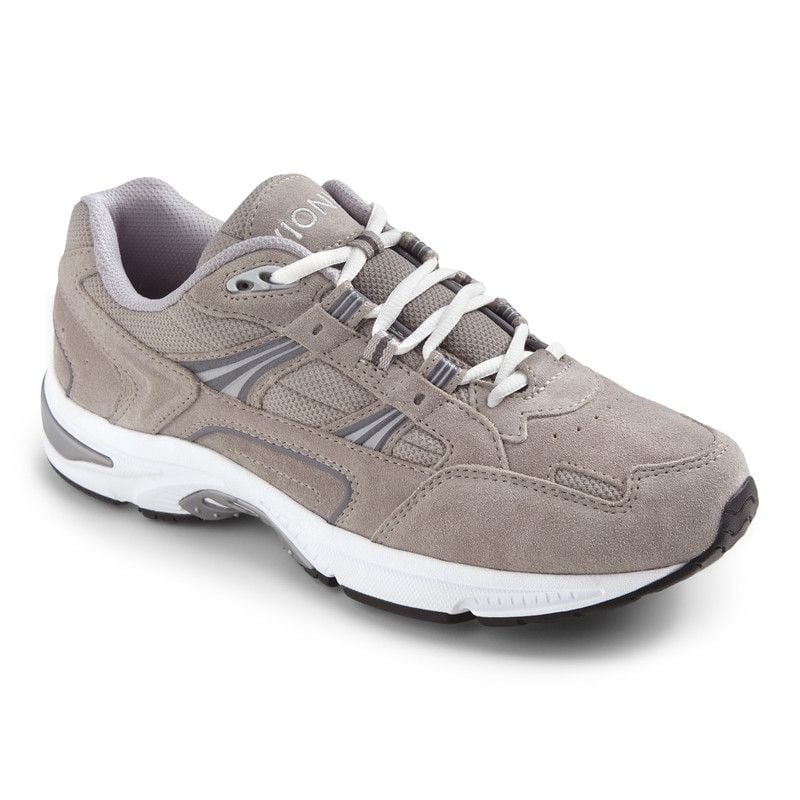
A superior footbed alone isn’t enough if the shoe’s overall construction doesn’t complement it. Vionic’s design philosophy extends to every component. The midsoles often incorporate lightweight, responsive foams like EVA or proprietary compounds that provide shock absorption without sacrificing stability—a balance frequently discussed in runner’s forums on sites like Quora and Reddit as the “holy grail” of comfort footwear. The outsoles are designed with strategic flex grooves, allowing the shoe to bend at the same points your foot naturally wants to, rather than fighting against it. The uppers are crafted from breathable, flexible materials like knit mesh or premium leather that adapt to the foot’s shape without causing constriction or pressure points. This holistic approach ensures that the benefits of the orthotic footbed are fully realized. The shoe acts as a cohesive unit, working with your foot’s anatomy rather than forcing your foot to conform to a rigid, ill-considered shape. It’s this synergy between insole, midsole, outsole, and upper that defines the true character of a Vionic walking shoe and enables the legendary all-day comfort users report.
Who Stands to Benefit? The Spectrum of Need
The appeal of these shoes is remarkably broad. Firstly, individuals with diagnosed conditions like plantar fasciitis, flat feet (pes planus), or mild bunions often find significant relief. The structured support can reduce strain on the plantar fascia ligament and improve alignment. Secondly, professionals who are on their feet for extended periods—nurses, teachers, retail workers, and chefs—report a dramatic difference in end-of-day fatigue. As celebrity chef and restaurateur Gordon Ramsay has indirectly highlighted the importance of proper kitchen footwear for endurance, the principle translates directly: support is non-negotiable for performance. Thirdly, active walkers and travelers benefit from the combination of support and lightweight construction, making long city tours or nature trails more enjoyable. Finally, even those without specific foot issues but who simply value proactive wellness and comfort are ideal candidates. It’s a preventative approach to foot health. Investing in a Vionic walking shoe is an investment in maintaining mobility and comfort, potentially staving off future issues born from years of inadequate support.

A Note on Style: No Longer a Sacrifice
Historically, “orthopedic” or “supportive” shoes were synonymous with clunky, unattractive designs. Vionic has played a pivotal role in shattering that stereotype. Their collections feature sleek sneakers, elegant loafers, sophisticated sandals, and casual slip-ons. The orthotic technology is seamlessly integrated into contemporary silhouettes that align with current fashion trends. This is a critical evolution. It removes the barrier of having to choose between looking good and feeling good. You can wear them to work, on a weekend outing, or while running errands without compromising your personal style. This design-forward thinking, validated by features in fashion and wellness publications, means that adopting healthier foot habits requires no aesthetic compromise. The technology is hidden in plain sight, working tirelessly while you present your best self to the world.
Making the Investment: Value Beyond the Price Tag
Let’s address the practical consideration: Vionic walking shoes often carry a higher initial price point than mass-market athletic or casual shoes. However, this is a classic case of evaluating cost versus value. The value is derived from several factors: the podiatrist involvement in the design process, the quality of materials that enhance durability, and the potential to reduce expenses related to foot pain—such as disposable drugstore insoles, physiotherapy sessions, or other interventions. Furthermore, the market frequently offers opportunities to acquire these shoes at discounted prices. Seasonal sales, promotions on the brand’s official website, and discounts from authorized retailers can bring these premium shoes into a more accessible range. The key is to view them not as a mere clothing purchase, but as an investment in your foundational health, with the added benefit of stylish versatility that extends their use across countless scenarios.

Your journey toward all-day comfort doesn’t require a leap of faith, but rather an informed step into a shoe built on the solid ground of biomechanical science. The evidence lies in the design, the materials, and the testimonials of those who have made the switch. From the structured embrace of the orthotic footbed to the thoughtful engineering of every component, the Vionic walking shoe represents a convergence of health science and modern design. It’s an invitation to experience what it means to be fully supported, so you can focus on where you’re going, not on the discomfort of getting there.
