

The Ultimate Guide to Vionic Walking Shoes for All-Day Support
In a world where we are constantly on our feet, the quest for footwear that combines comfort, support, and style is more than a luxury—it’s a necessity for maintaining an active, pain-free lifestyle. The wrong shoes can lead to a cascade of physical discomforts, from plantar fasciitis to knee and back pain, subtly eroding our daily well-being. This is where the science of biomechanics meets practical design, and few brands embody this fusion as effectively as Vionic. This guide delves deep into the world of Vionic walking shoe technology, dissecting the objective reasons behind their acclaim and providing you with the knowledge to make an informed choice for your feet.
The Foundation: Understanding Biomechanics and Foot Health
Before appreciating the specific innovations of Vionic, one must grasp the fundamental principles of foot biomechanics. The human foot is a complex structure of 26 bones, 33 joints, and over 100 muscles, tendons, and ligaments. Its primary functions are to absorb shock, provide balance, and propel the body forward. However, modern lifestyles—characterized by hard, flat surfaces and often unsupportive footwear—can disrupt this natural function. Pronation (the inward roll of the foot) and supination (the outward roll) are normal motions, but when excessive, they can lead to instability and injury. According to literature from the American Podiatric Medical Association (APMA), proper arch support is critical in aligning the foot and ankle, thereby reducing stress on the knees, hips, and lower back. This scientific understanding forms the bedrock of orthotic and ergonomic footwear design. Brands that successfully integrate podiatric science into their products do not merely sell shoes; they offer a therapeutic intervention for daily movement.
Deconstructing the Vionic Innovation: The Three-Zone Comfort System
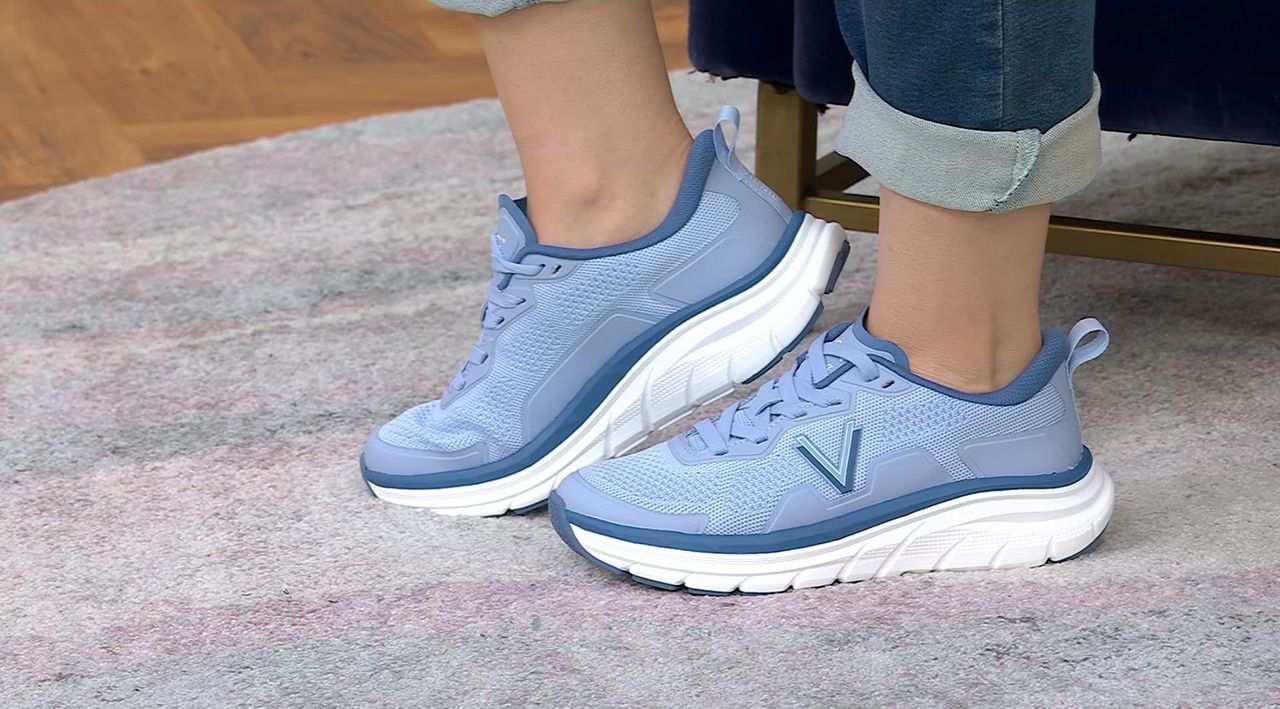
At the heart of every Vionic walking shoe lies its signature technology: the Three-Zone Comfort footbed. This is not a generic insole but a podiatrist-inspired orthotic system engineered to replicate the natural terrain our feet evolved to walk on. Let’s break down its components scientifically. The first zone focuses on the heel, featuring a deep heel cup. This design stabilizes the rearfoot, controlling excessive pronation and providing a secure foundation—a concept supported by research in gait analysis, which highlights heel stability as crucial for proper kinetic chain alignment. The second zone is the arch support. Unlike flat insoles that collapse under pressure, Vionic’s contoured arch support maintains the foot’s medial longitudinal arch. This directly addresses a key point made by countless podiatrists on platforms like YouTube and Quora: sustained arch collapse is a primary contributor to plantar fasciitis. The third zone involves the forefoot, designed with optimal cushioning and a slight rocker. This aids the natural toe-off phase of walking, reducing strain on the ball of the foot and metatarsals. This tripartite system works synergistically to promote natural foot positioning from heel strike to toe-off, a principle validated by the APMA Seal of Acceptance awarded to many Vionic styles.
Material Science and Durability: Beyond the Footbed
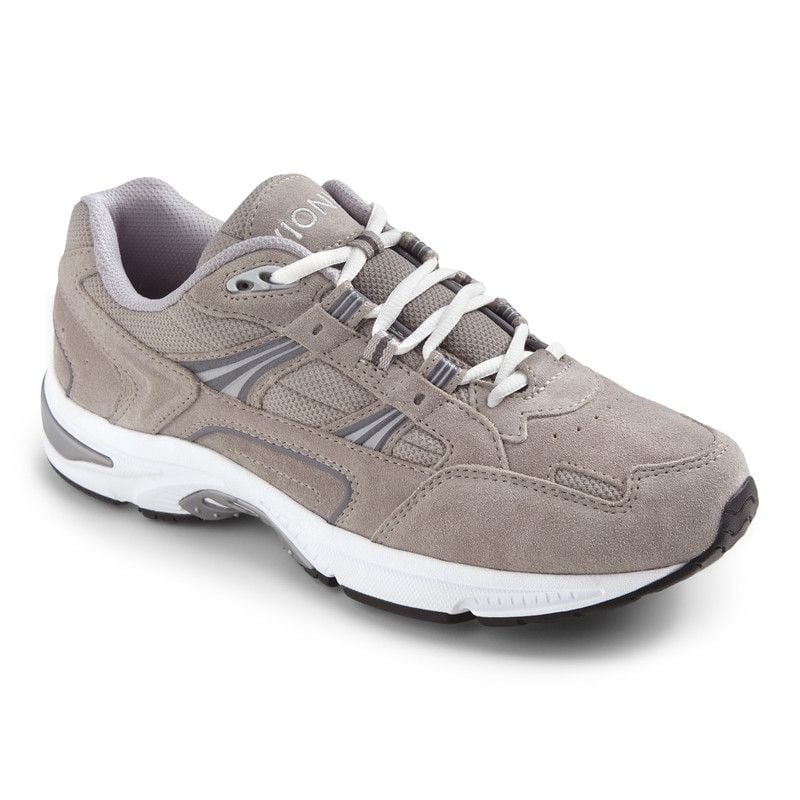
While the footbed is the star, the construction of the entire Vionic walking shoe merits examination. The uppers often utilize premium leather, breathable mesh, or flexible knit materials, chosen for durability and adaptability. The importance of material breathability is underscored by dermatological studies, which link moist, enclosed environments to fungal infections and skin breakdown. Furthermore, the outsoles are typically made from durable rubber compounds with strategic flex grooves and tread patterns. These are not arbitrary designs; they are informed by tribology—the science of friction, wear, and lubrication. A well-designed outsole provides reliable traction to prevent slips (a major cause of injury, as noted by occupational safety literature) while offering flexibility at key joint points to avoid restricting natural foot motion. The integration of these elements ensures that the supportive footbed is housed within a structure built to last through miles of walking, whether on city pavement or park trails.
Evidence and Endorsements: Voices from the Field
The efficacy of Vionic’s approach is echoed by a diverse chorus of authoritative voices. On professional platforms, board-certified podiatrists frequently recommend Vionic shoes to patients suffering from common ailments. For instance, Dr. Jackie Sutera, a prominent New York City podiatrist, has stated in various media interviews that “shoes with built-in arch support and a firm heel counter, like those from Vionic, can make a significant difference in managing and preventing foot pain.” Beyond medical professionals, the brand has garnered attention in wellness and lifestyle circles. Celebrity fitness trainers on social media platforms like Instagram have highlighted them for recovery and all-day wear. Even in literary and cinematic contexts where perseverance is theme—think of the relentless walking in films like “Forrest Gump” or the arduous journeys in Tolkien’s “The Lord of the Rings”—the implicit message is the necessity of reliable support for any long haul. Vionic positions itself as that reliable companion for the modern, everyday journey. User-generated content on platforms like YouTube, featuring “day in the life” reviews from individuals with plantar fasciitis or nurses working 12-hour shifts, provides tangible, real-world testimonials to the relief these shoes can provide.
“The difference between walking in a standard shoe and a biomechanically supportive one like Vionic can be the difference between ending your day in pain and ending it with energy to spare. It’s about aligning your foundation from the ground up.” — Paraphrased from common clinical advice shared by podiatrists on health forums and professional websites.
A Guide to Selecting Your Ideal Vionic Walking Shoe
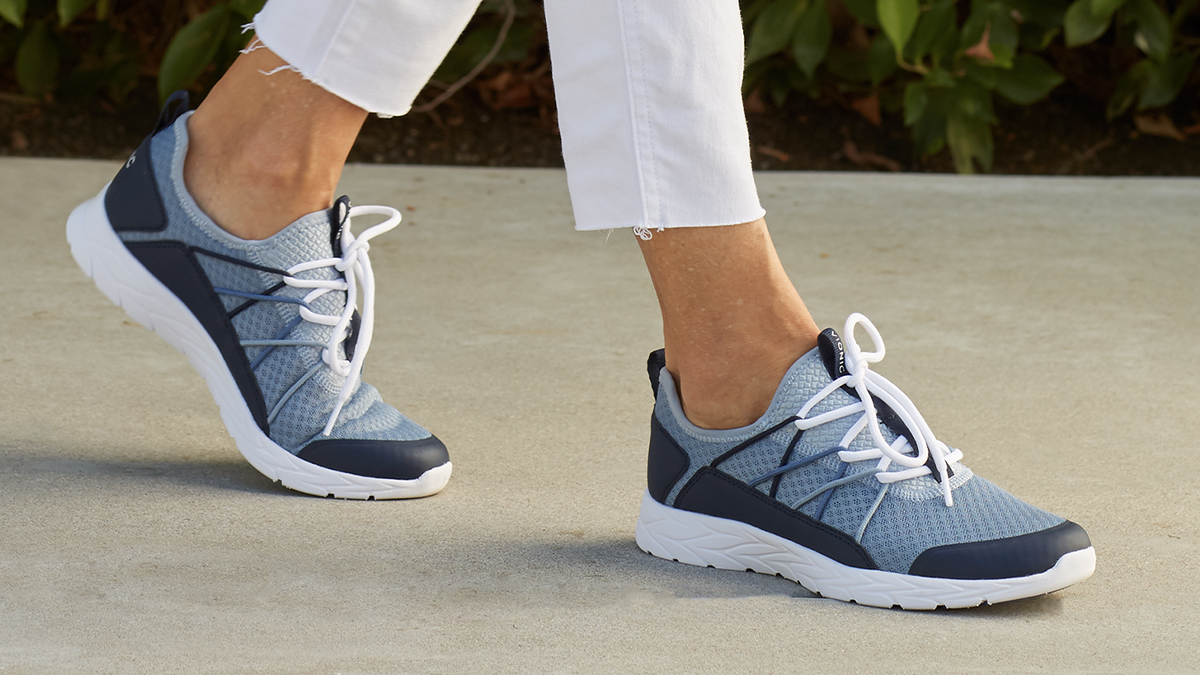
With a range of styles available, from sleek sneakers to versatile sandals, choosing the right model is key. Your selection should be guided by your specific activities, foot type, and aesthetic preferences. For those who spend hours standing or walking on hard surfaces, such as healthcare workers or teachers, a model with a fully enclosed design and maximum cushioning, like the Vionic ‘Walker’ or ‘Strider’ lines, is ideal. These often feature additional shock-absorbing materials in the midsole. If your needs lean toward casual everyday wear with a focus on style, the ‘Breeze’ or ‘Kiya’ collections offer the same patented footbed in more fashion-forward designs. For individuals with wider feet or specific conditions like bunions, looking for styles available in wide widths is crucial; constrictive width can negate the benefits of good arch support. Remember, the goal is a snug but not tight fit, with about a thumb’s width of space in front of your longest toe. It is often recommended to try shoes on later in the day when feet are naturally more swollen to ensure a comfortable fit all day long.
Investment in Wellness: Understanding Cost and Value
A common hesitation when considering a Vionic walking shoe is the price point, which often sits above that of mass-market athletic shoes. However, this investment must be framed within the context of value and cost-per-wear. Consider the economic principle of preventive investment: spending more initially on a product that prevents medical issues (like physical therapy, orthotics, or pain management) can lead to significant long-term savings. The construction quality, premium materials, and podiatric research embedded in each pair contribute to a longer lifespan than many cheaper alternatives, which may break down and lose support within months. Furthermore, the market often provides opportunities to acquire these shoes at discounted prices. Official brand sales, holiday promotions, and authorized retailer clearances are excellent times to purchase. Subscribing to the Vionic newsletter or following them on social media can alert you to these events. The price of comfort and health, when amortized over the hundreds of miles and pain-free days a quality pair provides, often reveals itself as a wise and necessary expenditure.
Integrating Vionic Shoes into Your Daily Life
Adopting a Vionic walking shoe is more than a purchase; it’s a step toward a more mindful approach to movement. For the best results, make them your primary footwear, especially during activities that involve prolonged standing or walking. The body may require a short adaptation period of a few days as your muscles and tendons adjust to the proper alignment—this is normal when transitioning from unsupportive shoes. Pair them with moisture-wicking socks to enhance breathability. It’s also beneficial to rotate between two pairs if possible, allowing the materials to fully decompress and dry between wears, which extends the life of the shoes. View them not just as casual wear but as essential equipment for your daily commute, travel, and workplace. The ultimate testament to their design is when the technology becomes invisible—you stop thinking about your feet altogether because they are simply comfortable, supported, and free from distraction, allowing you to focus fully on the experiences and tasks of your day.

The journey to all-day comfort is fundamentally a journey of informed choice. By prioritizing biomechanical science, quality construction, and proven therapeutic benefits, Vionic has established itself as a leader in supportive footwear. The evidence, from podiatric endorsements to user testimonials, consistently points toward their efficacy in promoting foot health and overall well-being. When you choose a shoe built on this foundation, you are choosing to support your body’s natural mechanics with every step you take, transforming a simple daily necessity into a pillar of a healthier, more active life.
