

The Ultimate Guide to Tennis Shoes for Walking
You might be wondering why anyone would choose tennis shoes for walking over dedicated walking shoes or running sneakers. The answer lies in a unique convergence of support, durability, and style that makes them a surprisingly versatile choice for the everyday pedestrian. This guide isn’t about repurposing old sports gear; it’s about recognizing a specific category of footwear engineered for lateral stability and cushioning—features that translate exceptionally well to the biomechanics of walking. We will dissect the anatomy of these shoes, provide scientific backing for their use, and guide you toward making an informed choice that benefits your stride, your posture, and your wallet.
The Unlikely Synergy: Tennis Biomechanics Meets Walking
At first glance, tennis and walking seem worlds apart. Tennis involves explosive sprints, sudden stops, and aggressive lateral cuts. Walking is a low-impact, linear, and repetitive motion. However, the engineering principles behind a high-quality tennis shoe directly address several key needs of a dedicated walker. The primary function of a tennis shoe is to provide stability during side-to-side movements. This is achieved through a reinforced upper, often with durable materials like leather or synthetic overlays, and a midsole chassis that prevents excessive foot roll. For walkers, especially those who traverse urban environments with curbs, uneven sidewalks, or mild trails, this lateral support can prevent ankle rolls and provide a more stable platform than many minimalist running shoes. Furthermore, the outsole of a tennis shoe is designed for traction on court surfaces like clay or hardcourt, which often translates to excellent grip on concrete and asphalt. The cushioning, while responsive enough for quick movements, is typically more substantial and durable than in some running shoes, aiming to absorb the repeated impact of a match that can last hours—not unlike the sustained impact of a long walk.
Decoding the Anatomy: What Makes a Tennis Shoe Walkable
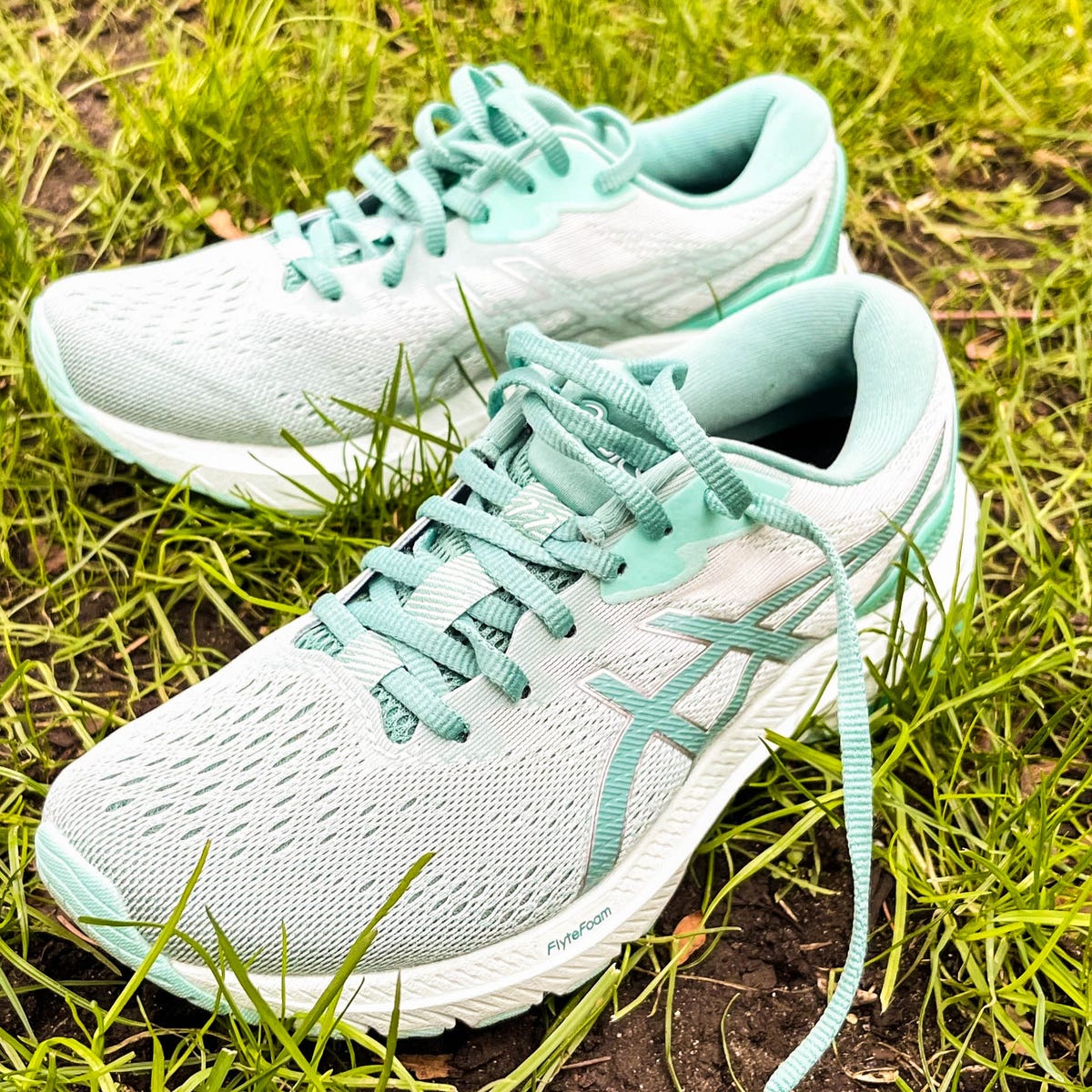
To understand why tennis shoes for walking work, we must look under the hood. Let’s break down the critical components. The Upper: Tennis shoe uppers prioritize durability and lockdown. Materials are tougher to withstand toe drags (common in tennis serves). For a walker, this means a shoe that resists scuffing and provides a secure, wrapped feel, reducing slippage inside the shoe with each step. The Midsole: This is the heart of cushioning and stability. Brands like ASICS with their GEL technology or Nike with Air units often incorporate these into tennis models. Dr. Casey Kerrigan, a renowned biomechanist and former professor at Harvard Medical School, has published research in journals like the “Journal of the American Podiatric Medical Association” emphasizing the importance of midsole design in reducing joint loading. The structured midsole of a tennis shoe, designed to control pronation during dynamic cuts, offers inherent arch support that can alleviate plantar fascia strain during prolonged walking. The Outsole: Typically made of non-marking rubber with a herringbone or modified pattern, it provides multi-directional traction. For walking, this pattern offers reliable grip in wet or dry conditions, a feature sometimes lacking in smooth-soled casual sneakers.
The Scientific and Expert Backing: More Than Just an Opinion
The proposition of using tennis shoes for walking isn’t merely anecdotal; it finds support in biomechanical principles and expert commentary. Walking is a gait cycle involving heel strike, mid-stance, and toe-off. A shoe needs to facilitate this roll-through motion while providing stability. The American Podiatric Medical Association (APMA) notes that proper footwear should offer “rigid heel support, cushioning, and flexibility at the ball of the foot.” A well-constructed tennis shoe checks these boxes. Furthermore, on platforms like Quora and specialized running/walking forums, seasoned walkers and fitness enthusiasts often highlight specific tennis models for their durability on pavement. Celebrity fitness trainer Harley Pasternak, in interviews featured on YouTube and his social media, frequently advocates for choosing shoes based on activity-specific support rather than just genre labels. He has been quoted saying, “Don’t get hung up on the name. Look at the construction. A shoe built for court stability often has the foundational support that many feet need for daily movement, especially if you’re on your feet all day.” This perspective shifts the focus from marketing categories to functional design, a core tenet of this guide.
:max_bytes(150000):strip_icc()/Web_1500-vwt-primary-best-overall-shoe-tstaples-118-671f4e0048e64d14a1c42e4f8d9e6658.jpg)
Navigating the Selection: Your Personal Checklist
Choosing the right pair of tennis shoes for walking requires a personalized approach. Here is a structured checklist to guide your decision. First, assess your Foot Type and Gait. Are you an overpronator, underpronator (supinator), or neutral? While a podiatrist can give a definitive analysis, a simple “wet test” (looking at your footprint on a dry surface) can offer clues. Tennis shoes designed for stability or motion control (often labeled as such for players needing extra support) can benefit overpronating walkers. Second, consider the Primary Walking Environment. Will you be primarily on paved roads, treadmill, or packed trails? For hard surfaces, look for tennis shoes with ample cushioning systems (e.g., Adidas Boost, New Balance Fresh Foam). The outsole rubber should be durable enough for asphalt abrasion. Third, Fit is Paramount. Your feet swell during walking. Always try on shoes in the afternoon, wear the socks you intend to walk in, and ensure about a thumbnail’s space (roughly 1/2 inch) between your longest toe and the end of the shoe. The heel should be snug without slipping, and the width should accommodate your foot without pinching.
Top Contender Models and Technological Breakdown
Let’s examine some tennis shoe models renowned for their walkability, linking their technology to walking benefits. The ASICS Gel-Resolution series is famous for its DuoMax support system—a dual-density midsole that reduces inward rolling of the foot. For a walker with flat feet or mild overpronation, this can mean reduced fatigue and lower risk of shin splints. The New Balance Fresh Foam Lav incorporates that brand’s signature Fresh Foam midsole, providing a plush, data-driven cushioning that attenuates impact shock with every heel strike. Then there’s the Nike Air Zoom Vapor Cage, which uses a Zoom Air unit in the heel for responsive cushioning and a durable skin on the upper. The responsive cushioning is excellent for a brisk walking pace, offering energy return. It’s crucial to remember that the best tennis shoes for walking are the ones that align with your individual biomechanics. Wikipedia’s entry on “Athletic Shoes” broadly corroborates that cross-training shoes (a category overlapping with tennis shoes) are suitable for multi-directional movement and gym use, underscoring their versatile support structure.

Economic and Practical Wisdom: Maximizing Value
Investing in a pair of tennis shoes for walking is an exercise in practical economics. These shoes are built to withstand the abrasive surface of a tennis court, which directly translates to exceptional longevity on pavement. Where a standard running shoe’s outsole might wear thin after 300-500 miles of running, the tougher rubber of a tennis shoe can often exceed that for walking, as the impact forces are lower. This durability means a lower cost per mile. Furthermore, the tennis shoe market has distinct cycles. New models are released annually, often coinciding with major tournaments like Wimbledon or the US Open. This creates a window of opportunity for the savvy consumer. Last season’s top-tier model, which contains nearly identical core technology (the same cushioning foam, support chassis, and outsole rubber), can frequently be found at discounts of 30-50% off the original retail price. Websites of major sporting goods retailers, outlet stores, and online marketplaces are ideal hunting grounds. You are not sacrificing performance for price; you are capitalizing on the industry’s update cycle to acquire premium engineering at a fraction of the cost.
Avoiding Common Pitfalls: When a Tennis Shoe Isn’t the Answer
While this guide advocates for the versatility of tennis shoes, objectivity demands we outline their limitations. They are not a universal solution. For serious long-distance hiking on uneven terrain, a dedicated hiking boot with ankle support and a aggressive lug pattern is irreplaceable. For competitive race walking, shoes designed specifically for that sport, which prioritize lightweight construction and a specific heel-to-toe roll, would be superior. Also, not all tennis shoes are created equal. Models designed for clay courts may have a full herringbone pattern that picks up and holds dirt and pebbles on asphalt, becoming impractical. Furthermore, individuals with severe overpronation or specific orthopedic conditions (like severe plantar fasciitis) should always consult a healthcare professional or a certified pedorthist. The goal is informed selection, not blind advocacy. The perspective from Baidu Baike on “运动鞋” (sports shoes) emphasizes matching shoe type to sport characteristics, a principle we apply here by carefully matching the characteristics of tennis shoes to the demands of walking.

Your Next Step: From Reading to Walking
The journey to better walking comfort and efficiency doesn’t end with knowledge; it begins with action. You now possess a detailed framework for evaluating how the structural integrity, cushioning philosophy, and durable design of a tennis shoe can serve your walking regimen. The evidence spans from biomechanical research to the practical endorsements of fitness experts and the lived experience of countless walkers. Remember, the perfect shoe is the one that disappears on your foot—allowing you to focus on the rhythm of your walk, the scenery around you, or the clarity of your thoughts. By considering tennis shoes for walking, you are exploring a category rich with support and resilience, often available through savvy shopping at a point where high performance meets discounted value. Lace up a pair that fits your unique blueprint, step outside, and experience the difference that purpose-borrowed engineering can make with every stride you take.
