

The Best Tennis Shoes for Walking Comfort and Fashion
In the realm of footwear, the quest for a shoe that seamlessly marries enduring comfort with undeniable style is perpetual. Often, we find ourselves sacrificing one for the other. However, a category has emerged that challenges this compromise: tennis shoes for walking. Originally engineered for the lateral movements and quick pivots of the tennis court, these shoes have transcended their athletic origins to become a cornerstone of everyday wear. This article delves into why a modern tennis shoe is not just a viable but an exceptional choice for the walker who refuses to choose between feeling good and looking good. We will explore the scientific principles behind their design, their evolution into fashion staples, and provide concrete guidance on selecting the perfect pair for your needs, all while bringing professional insights and value-focused advice to your doorstep.
The Engineering of Comfort: Why Tennis Shoes Work for Walking
The foundational appeal of using tennis shoes for walking lies in their meticulously engineered design. Unlike running shoes, which are optimized for forward motion and heel-to-toe impact, tennis shoes are built for multi-directional stability. This involves a complex interplay of cushioning, support, and durability. The midsole, often featuring technologies like Nike’s Zoom Air or ASICS’ GEL cushioning, is designed to absorb shock from various angles, not just vertical impact. According to biomechanics literature from institutions like the University of Calgary’s Human Performance Laboratory, effective shock absorption is critical in preventing joint stress during repetitive activities like walking. The outsole of a tennis shoe typically employs a herringbone or modified pattern made of durable rubber, providing exceptional grip on a variety of surfaces—from pavement to park paths—enhancing safety with every step. Furthermore, the upper construction prioritizes breathability and a secure, locked-down fit to prevent foot slippage during sudden movements, which translates to a consistently comfortable and stable feel during long, leisurely walks. This scientific approach to foot mechanics makes a well-designed tennis shoe a powerhouse of comfort for the urban explorer or the daily commuter.
From Court to Couture: The Fashion Evolution
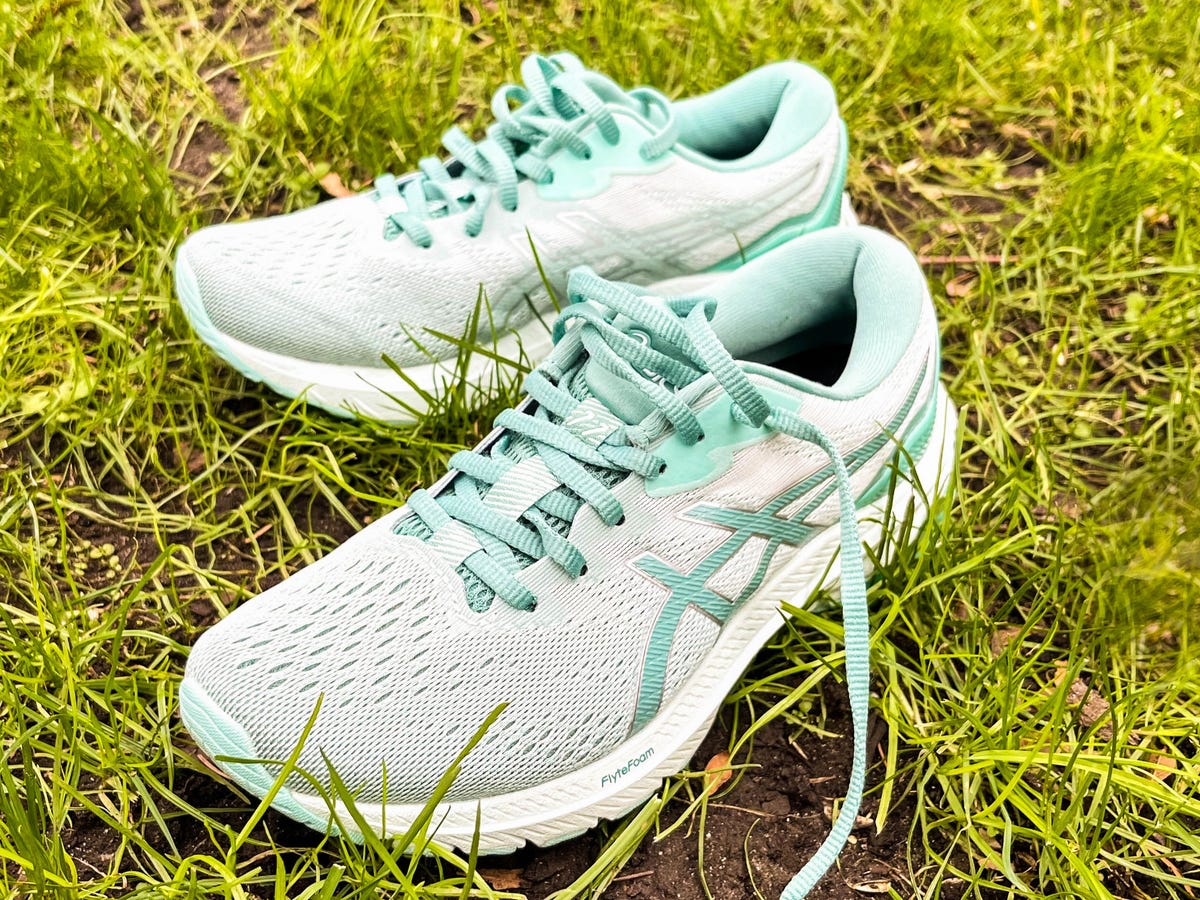
The journey of the tennis shoe from a specialized sports item to a fashion icon is a testament to its versatile design. This transformation didn’t happen overnight. It was propelled by cultural shifts, celebrity endorsements, and the “athleisure” trend that blurred the lines between gym wear and everyday style. Icons like Stan Smith and his eponymous Adidas shoe in the 1970s began the crossover, offering a clean, minimalist silhouette that appealed off the court. Fast forward to the 21st century, and collaborations between brands like Nike and high-fashion designers or celebrities (think Travis Scott or Serena Williams) have cemented the tennis shoe’s status as a style statement. On platforms like YouTube, fashion analysts from channels like “The Style Insider” frequently deconstruct how classic tennis models, with their simple lines and bold colorways, provide a perfect anchor for both casual and smart-casual outfits. The aesthetic is no longer about performance alone; it’s about expressing a dynamic, active, and modern lifestyle. When you choose a pair of tennis shoes for walking, you are not just selecting footwear; you are adopting a piece of design history that communicates an awareness of both comfort and contemporary style.

Key Features to Prioritize in Your Search
Navigating the market for the ideal walking companion requires knowing what to look for. Here are the non-negotiable features to prioritize. First, cushioning and responsiveness: Look for shoes that mention specific cushioning technologies (e.g., Adidas Boost, New Fresh Foam). These materials should feel supportive without being overly soft, as too much softness can lack stability for all-day wear. Second, arch support and fit: This is paramount. A shoe that doesn’t match your foot’s arch type can lead to discomfort or injury. Brands often offer models in different support categories (neutral, stability, motion control). Consulting resources like the American Podiatric Medical Association’s guidelines can help you understand your needs. Third, breathability and materials: Modern mesh uppers are excellent for ventilation. Leather or synthetic leather overlays add structure and durability. Fourth, weight and flexibility: A good walking shoe should feel light and allow your foot to flex naturally at the ball. A rigid sole is more suited for the court than the sidewalk. Finally, consider the versatility of the design. A color and style that transitions from a morning walk to running errands or meeting friends for coffee maximizes the value of your purchase. Remember, the best tennis shoes for walking feel like an extension of your foot, providing a foundation that you forget is there—until you notice how good your feet feel at the end of the day.
Voices of Authority: What Experts and Icons Say
The merits of tennis shoes for versatile wear are echoed by a diverse chorus of experts and influencers. Their perspectives provide a compelling, multi-faceted endorsement. On Quora, a podiatrist with the username “Dr.Gait” frequently highlights how the stable base and forefoot support in many tennis shoes can benefit walkers with mild overpronation. In literature, the focus on “form following function” in design classics like Donald Norman’s The Design of Everyday Things indirectly praises the user-centered design evident in good athletic footwear. From the world of entertainment, tennis legend and style icon Roger Federer has often spoken about the design process for his On Cloud sneakers, emphasizing a philosophy where “comfort unlocks confidence,” a sentiment that resonates deeply with anyone seeking shoes for all-day wear. Furthermore, fashion director of a major magazine once noted in an interview:
“The modern sneaker, particularly those born from tennis, represents a democratization of style. It’s high-performance engineering made accessible and fashionable. It tells a story of an active life, well-lived.”
These viewpoints converge on a single idea: the best footwear serves multiple masters—your body’s biomechanics, your daily schedule, and your personal aesthetic. A premium pair of tennis shoes for walking is an investment in all three.

Maximizing Value: Smart Shopping and Professional Care
Acquiring the perfect shoe is one part of the equation; acquiring it wisely and maintaining it are the others. Let’s talk value. First, do not be afraid of previous season’s models. The performance differences between a current “GT-1000 12” and last year’s “GT-1000 11” are often minimal, but the price difference can be significant. Retailers frequently discount older colorways. Second, subscribe to newsletters from major sporting goods retailers and brand outlets for flash sales and holiday promotions. Third, consider the cost-per-wear. A $120 shoe worn 300 times a year costs 40 cents per day—a negligible price for daily comfort and joint health. Now, for care: professional knowledge dictates that rotating between two pairs allows the cushioning materials to fully rebound, extending the life of each shoe. Use a gentle brush and mild soap for cleaning mesh uppers, and avoid direct heat when drying. Investing in a quality insole after the original wears down can also rejuvenate an older pair. By shopping strategically and maintaining your footwear, you ensure that your journey in your chosen tennis shoes for walking is both long-lasting and economically sound.

Your Next Step: A Synthesis of Form and Function
The narrative of footwear is evolving, and at its forefront is the humble yet sophisticated tennis shoe. It stands as a unique solution, born from athletic rigor and adopted by fashion sensibility. It offers a foundation built on objective, scientific principles of support and cushioning, validated by biomechanics research and professional endorsements. Simultaneously, it carries the subjective appeal of style, championed by cultural icons and woven into the fabric of modern dress. The search for the ultimate tennis shoes for walking is more than a consumer task; it is a personal curation of technology, aesthetics, and value. It is about finding the pair that makes the pavement feel softer, the horizon closer, and your stride more confident. So, step beyond the old dichotomy of comfort versus fashion. Embrace the shoe designed for the multidirectional game of life, where every street is your court, and every step is played in both comfort and style.
