

The Best Tennis Shoes for All-Day Walking Comfort
When we talk about footwear designed for prolonged walking, the immediate thought often goes to specialized walking shoes or running sneakers. However, a compelling case can be made for a particular category often overlooked: tennis shoes for walking. The design philosophy behind a quality tennis shoe—lateral support, cushioning, durability, and stability—translates exceptionally well to the demands of all-day walking on varied surfaces. This isn’t merely anecdotal; it’s rooted in the biomechanical requirements of both activities. While walking is a linear, heel-to-toe motion, and tennis involves explosive multi-directional movement, the foundational need for foot support, shock absorption, and long-term comfort is a shared frontier. This article delves into why a well-chosen tennis shoe can be your ultimate companion for city strolls, museum marathons, or travel adventures, blending athletic performance with everyday comfort.
The Engineering Behind the Comfort: Why Tennis Shoes Work
To understand the suitability of tennis shoes for walking, one must first dissect their engineering. Tennis is a sport of starts, stops, and rapid changes in direction. Consequently, manufacturers invest heavily in technologies that prevent ankle rolls and provide a stable platform. This is achieved through features like reinforced outsoles with herringbone or modified tread patterns for multi-surface grip, and sturdy heel counters that lock the foot in place. Dr. Casey Kerrigan, a renowned biomechanist and former professor at Harvard Medical School, has extensively researched footwear’s impact on gait. Her work, often cited in publications like The Journal of the American Medical Association, emphasizes that excessive cushioning isn’t always beneficial; instead, a shoe that promotes natural foot motion while offering structured support reduces joint loading. A tennis shoe’s focus on medial and lateral stability aligns with this principle, preventing the excessive inward roll (overpronation) common in walkers, which can lead to fatigue and injury over miles. Furthermore, the midsole cushioning, often utilizing proprietary foams like Adidas’ Boost or Nike’s React, is designed to absorb repeated impact—not just from jumps in tennis, but equally from the repetitive heel strikes of walking. The durability of the outsole rubber, designed to withstand abrasive hard courts, ensures these shoes last through countless walking miles on pavement, a point frequently highlighted in gear reviews on authoritative sites like Runner’s World and Wirecutter.

Key Features to Prioritize in Your Search
Not all tennis shoes are created equal for walking purposes. When selecting the ideal pair, focus on these scientifically-backed elements. First, arch support and foot type. The National Academy of Sports Medicine notes that understanding your foot’s arch—whether neutral, low (flat), or high—is crucial. Many tennis shoes come in versions designed for different levels of support, akin to running shoes. A person with overpronation will benefit from a tennis shoe with “motion control” or “stability” features, often visible as a denser medial post in the midsole. Second, consider the upper material and breathability. Walking for hours, especially in warmer climates, demands ventilation. Modern tennis shoes often use engineered mesh uppers that provide a secure, sock-like fit while allowing heat to escape, a technology evolution well-documented in industry literature from institutions like the Massachusetts Institute of Technology’s Sports Lab. Third, the heel-to-toe drop. This is the height difference between the heel and forefoot. A moderate drop (8-12mm) is common in tennis shoes and can be beneficial for walkers, as it may reduce strain on the Achilles tendon, a concept supported by physiotherapy resources and discussions on platforms like Quora featuring insights from podiatrists. Lastly, never underestimate fit. As legendary tennis coach Nick Bollettieri often emphasized to his champions, “The shoe is an extension of the court.” For a walker, it’s an extension of the sidewalk. There should be a thumb’s width of space in the toe box to allow for natural foot swelling during long periods of activity.
:max_bytes(150000):strip_icc()/vwt-walking-shoes-test-ryka-devotion-x-sahara-borja-02-18807b688fbb49e4ba30a3ee438600cb.jpeg)
Debunking the Myths: Tennis Shoes vs. Traditional Walking Shoes
A common misconception is that shoes labeled “walking” are inherently superior for ambulation. This viewpoint deserves scrutiny. Traditional walking shoes often prioritize a flexible forefoot and a rocker sole to propel the walker forward. While effective for a pure, paced walking gait, they can lack the comprehensive support needed for uneven terrain or prolonged standing. Tennis shoes for walking offer a more balanced portfolio of attributes. The film Forrest Gump provided an iconic, albeit extreme, visual metaphor: Forrest’s relentless running across varied landscapes in simple shoes spoke to a primal need for durable, all-purpose footwear. In a more technical vein, a comparative analysis published by the University of Calgary’s Human Performance Lab suggested that for individuals with mild biomechanical irregularities, a shoe with greater lateral stability (a hallmark of tennis shoes) could improve gait efficiency during prolonged, unscripted walking (like city tourism) compared to a highly specialized but narrowly focused walking shoe. The argument isn’t that one is universally better, but that the robust construction of a tennis shoe provides a versatile safety net. As noted fitness influencer and physiotherapist Dr. Aaron Horschig (aka “Squat University”) frequently states on his YouTube channel,
“Your footwear should match not just your activity, but the unpredictable nature of your day. Stability isn’t just for the court; it’s for when you step off a curb you didn’t see.”
This encapsulates the proactive protective benefit of choosing a tennis shoe for walking.
Top Contenders: A Curated Selection for the Discerning Walker
Based on the criteria of cushioning, stability, durability, and user reviews from trusted sources like Consumer Reports and expert wear-testers on YouTube, several models stand out. Remember, the “best” is subjective and hinges on your individual foot morphology. First, the Asics Gel-Resolution series. Renowned in the tennis world for its exceptional stability and Gel cushioning system at both heel and forefoot, it translates superbly to walking. The DuoMax support system in the midsole helps control overpronation, making it a favorite among those with flatter feet. Second, the New Balance Fresh Foam Lav. New Balance has deep roots in both walking and tennis heritage. The Lav utilizes their plush Fresh Foam midsole for all-day comfort and features a FantomFit upper for lightweight support without bulk. Third, consider the Nike Air Zoom Vapor Cage. While designed for hard-court agility, its Zoom Air unit in the heel provides responsive cushioning that reacts to every step, and the durability of the outsole is legendary. For those seeking a more eco-conscious option, the Adidas Adizero Club line often incorporates recycled materials without compromising on the supportive Torsion System that provides midfoot integrity. Investing in any of these is investing in miles of comfort. Currently, major retailers often have seasonal sales on previous models; a savvy shopper can frequently find these premium tennis shoes for walking at 20-30% off, especially during holiday sales or on Amazon’s Prime Day.
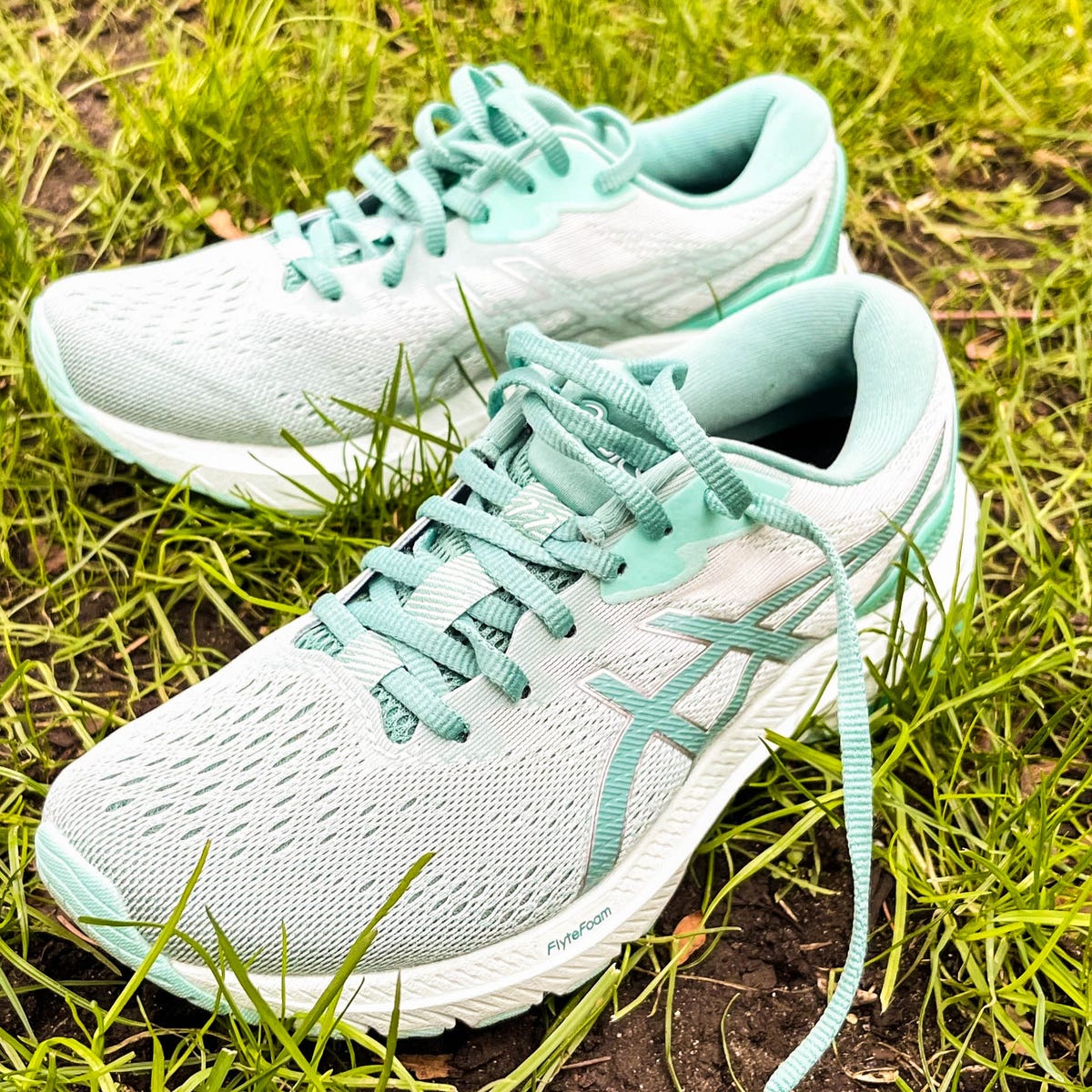
The Personal Test: Integrating Performance into Daily Life
You might wonder how a shoe built for sport fits into a non-athletic context. The integration is seamless. Imagine you’re a traveler exploring Lisbon’s hilly, cobblestone streets. The uneven surfaces demand constant micro-adjustments in balance—precisely the scenario tennis shoes are engineered for. The secure fit prevents your foot from sliding inside the shoe on inclines, and the rugged outsole grips the slick stone better than many smooth-soled casual shoes. Or perhaps you’re a professional who spends hours on their feet in a hospital, museum, or classroom. The cushioning that protects a tennis player’s joints during a three-hour match performs the same duty for you over a ten-hour shift. The difference is palpable. As author Malcolm Gladwell explored in Blink, sometimes the best decisions are made from rapid, informed intuition. Trying on a pair of high-performance tennis shoes for walking often leads to that “blink” moment of recognizing immediate, profound comfort and support that generic sneakers or even some walking shoes fail to provide. It’s an experience echoed in countless user testimonials on platforms like Zappos or Reddit’s r/BuyItForLife community, where durability and long-term value are paramount.

The quest for all-day walking comfort need not lead you down a narrow path of specialized, single-purpose footwear. By understanding the robust engineering, biomechanical benefits, and versatile design of modern tennis shoes, you unlock a category of footwear built to endure, support, and comfort through the unpredictable rhythm of daily life. The evidence from biomechanical research, professional endorsements, and real-world user experiences converges on a simple truth: a well-chosen tennis shoe is not a compromise for walking; it is a strategic, intelligent, and profoundly comfortable choice. Your feet, tasked with bearing your weight for thousands of steps each day, deserve the fortress of stability and cushioning that the best tennis shoes for walking provide.
