

Styling Tips for a Bold Fashion Statement
Fashion is not merely about covering the body; it is a powerful, non-verbal dialect spoken through texture, color, and silhouette. To make a bold statement is to command attention, to project confidence, and to engage in a visual dialogue with the world. This journey into audacious style is not about reckless abandon but about informed, intentional choices that fuse personal expression with design principles. From the psychology of pattern to the architecture of a silhouette, we will dissect the elements that transform an outfit from mundane to magnificent. Forget timid trends; we are building a wardrobe arsenal that speaks volumes before you utter a single word.
The Psychology of Pattern: More Than Just Spots and Stripes
Before we drape ourselves in bold prints, it is crucial to understand their language. Patterns are not arbitrary; they carry historical weight, cultural significance, and psychological impact. Animal prints, for instance, have traversed centuries from symbols of tribal power and royalty to emblems of untamed, rebellious glamour in the 20th century. As fashion historian Dr. Valerie Steele notes in her work for The Museum at the Fashion Institute of Technology, “Animal prints have consistently symbolized a kind of raw, primal energy and luxury.” A cheetah print, specifically, communicates speed, agility, and a fierce, focused elegance. When you incorporate such a pattern, you are not just wearing a design; you are invoking a legacy of power. This understanding allows you to wear the pattern, rather than letting it wear you. It transforms the garment from a simple piece of cloth into a statement piece with a narrative. Scientific studies on color and pattern perception, such as those referenced in resources from MIT’s Department of Brain and Cognitive Sciences, suggest that high-contrast, repetitive patterns like animal prints are among the first visual elements processed by the human brain, making them inherently attention-grabbing. This isn’t mere coincidence; it’s visual science harnessed for sartorial impact.

The Architectural Foundation: Silhouette and Structure
A bold statement crumbles without a strong foundation. The silhouette—the overall shape your clothing creates—is the architecture of your look. Think of it as the canvas upon which your bold patterns and colors will live. A well-defined silhouette provides balance and intention. For example, the dramatic volume of a wide-leg trouser or a full skirt creates a powerful, graphic shape that commands space. Conversely, a sleek, body-conscious sheath dress offers a different kind of boldness: one of precise, confident minimalism that highlights form. The key is understanding proportion. The golden ratio, a mathematical principle of aesthetic balance found in nature and classical art (and extensively documented on educational platforms like Khan Academy), can be loosely applied to fashion. It’s about balancing volumes: a voluminous top pairs with a streamlined bottom, and vice-versa. This prevents the bold look from becoming overwhelming. Structure is also paramount. Shoulder pads, corseting, or a sharply tailored blazer don’t just alter your shape; they alter your posture and, by extension, your presence. They create an exoskeleton of confidence. As the legendary designer Cristóbal Balenciaga once said, “A couturier must be an architect for design, a sculptor for shape, a painter for color, a musician for harmony, and a philosopher for temperance.” Your silhouette is where this architectural philosophy begins.
Strategic Spotlight: The Power of a Single Statement Piece
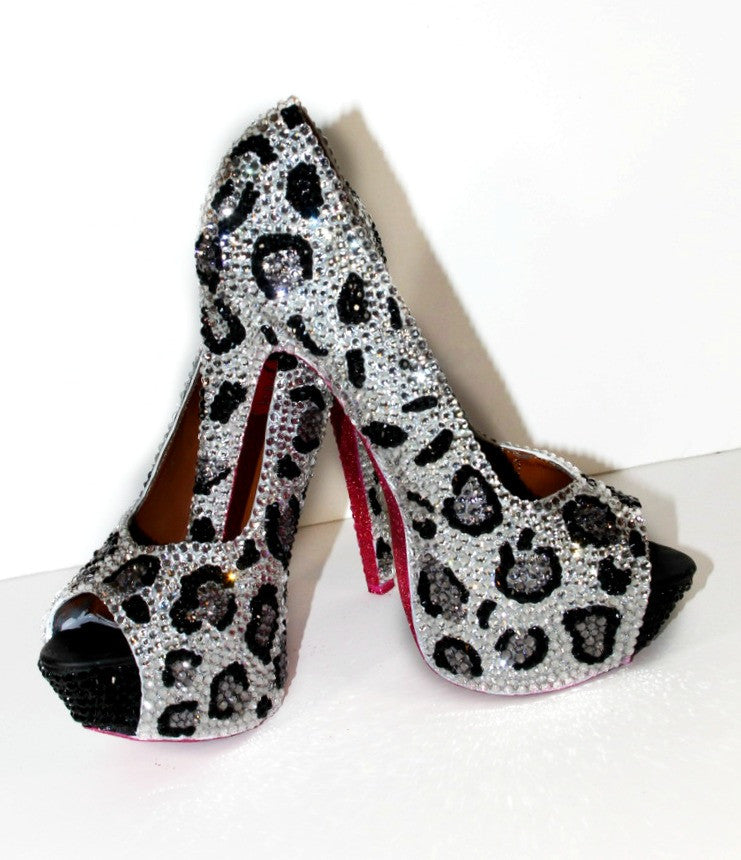
One of the most sophisticated approaches to bold fashion is the concept of a single, heroic statement piece. This is the cornerstone of the “more is more” philosophy executed with “less is more” discipline. The statement piece—be it an emerald green velvet blazer, a pair of audacious cheetah print heels, or a sculptural metallic skirt—becomes the undisputed focal point of your ensemble. Everything else in the outfit should serve to frame and support this protagonist. This method is effective because it provides a clear visual hierarchy. The eye knows exactly where to land, creating an impactful and memorable impression. For instance, a simple uniform of a black turtleneck and black trousers is instantly transformed into a look of editorial caliber by the introduction of a standout piece like those cheetah print heels. This principle is echoed by stylists worldwide and is a staple of fashion advice on platforms from Vogue’s digital editions to Quora’s style forums. The supporting pieces act as a neutral gallery wall, allowing the masterpiece to shine. It demonstrates restraint and editing skill, proving that boldness can be precise. It also offers practical versatility; by investing in one extraordinary item, you can create multiple striking looks by rotating it through a wardrobe of basics.
Color Theory in Action: Beyond the Safety of Neutrals
Color is emotion made visible. To wield it boldly requires moving beyond the safe harbor of beige, black, and navy. This doesn’t mean you must dress like a rainbow; it means using color with strategy and understanding. The color wheel, a tool whose modern incarnation is credited to Isaac Newton, is your guide. Complementary colors (opposites on the wheel, like red and green) create vibrant, high-energy contrast. Analogous colors (neighbors on the wheel, like blue, blue-green, and green) offer a harmonious, yet rich, visual flow. Consider the psychological resonance: red communicates passion and power, blue evokes calm and trust, and yellow radiates optimism and energy. Resources like Pantone’s seasonal color reports and the color theory modules from institutions like the Rhode Island School of Design provide deep dives into these relationships. A bold statement might involve wearing a monochromatic look in a powerful hue like cobalt blue, using varying textures to add depth. Alternatively, it could be the clever use of a “pop” of a bright, unexpected color—a fuchsia belt, a tangerine bag—against a neutral backdrop. The goal is intentionality. When you choose a bold color, you are choosing the emotional tone you wish to project. It is an active, rather than passive, engagement with the visual world.
Texture and Tactility: The Unsung Hero of Dimension
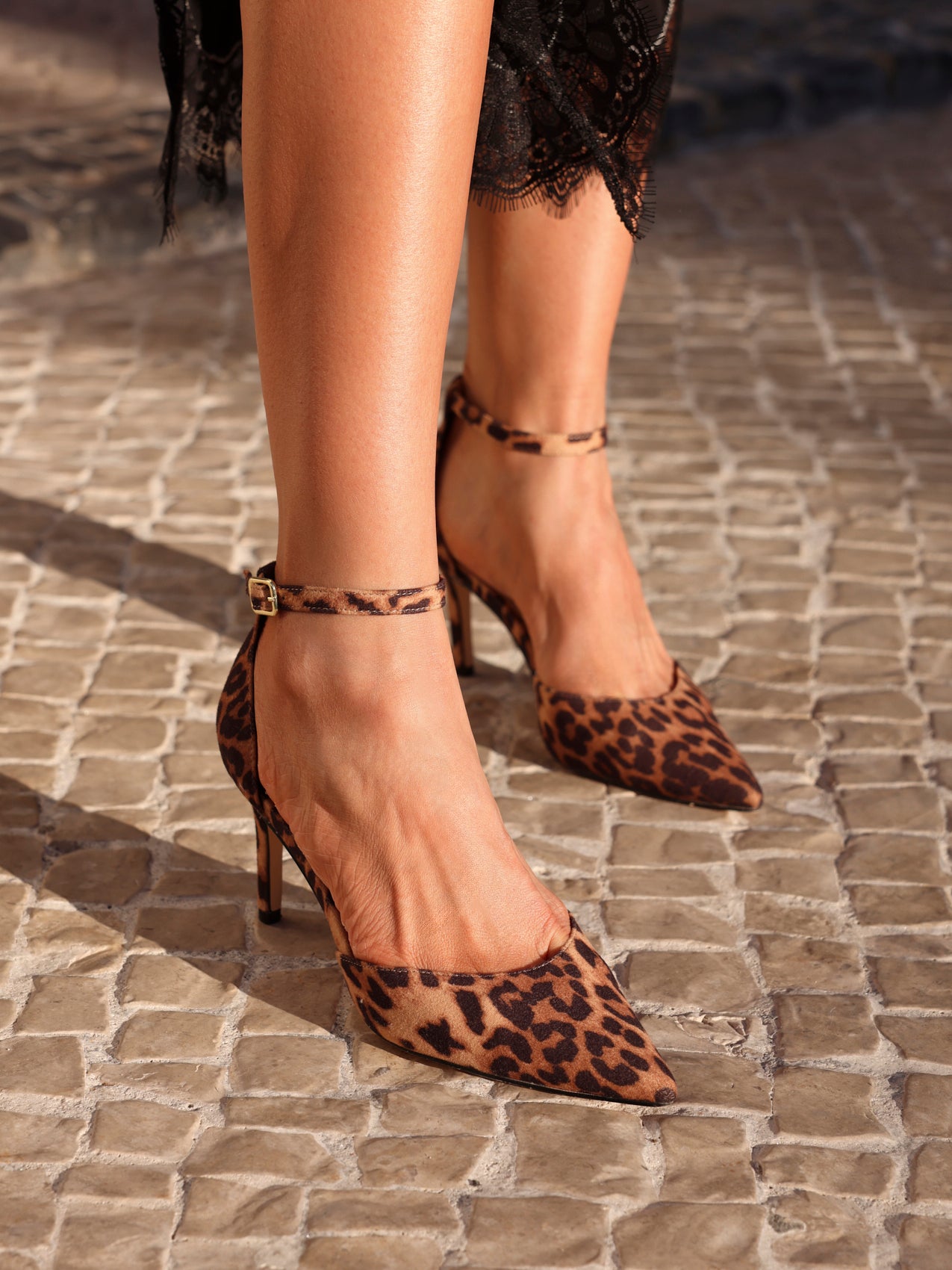
While color and pattern capture the eye, texture invites the touch. It is the subtle, sophisticated layer that adds depth, richness, and intrigue to a bold ensemble. A head-to-toe matte outfit can fall flat, but introduce texture, and it comes alive. Think of the plush density of velvet against the cool slickness of patent leather, the rustic weave of bouclé wool juxtaposed with the sleek fragility of silk charmeuse, or the ruggedness of distressed denim paired with the delicate sparkle of sequins. These combinations create a multi-sensory experience. They reflect light differently, cast subtle shadows, and imply a history or a process. As author and textile expert India Mahdavi has discussed, texture adds a narrative quality to clothing. From a practical styling perspective, mixing textures allows you to combine multiple neutrals without the look becoming boring. A camel cashmere coat, a cream silk blouse, taupe wool trousers, and tan suede boots is a study in elegant, textural contrast. When incorporating a bold piece like our exemplary cheetah print heels, consider the texture of the print’s canvas—is it a smooth calfskin, a nubby ponyhair, or a glossy laminate? That choice changes the shoe’s character from sophisticated to playful to ultra-modern, respectively, and should inform the textures you pair with it.
Accessorizing with Authority: The Finishing Touches That Define
Accessories are the punctuation marks of your sartorial sentence. They can turn a declarative statement into an exclamation or a thoughtful question. Bold fashion demands accessories chosen with authority, not as afterthoughts. This means scale, proportion, and again, intentionality. A minimalist outfit can be utterly transformed by a single, substantial piece of jewelry—a large geometric pendant, a cuff bracelet that envelops the wrist, or bold architectural earrings that frame the face. Handbags, too, should be considered for their shape and impact; a structured box bag makes a different statement than a soft, slouchy hobo. Footwear, of course, is foundational. A pair of cheetah print heels is arguably the ultimate accessory-led statement, combining pattern, height, and attitude. They anchor an outfit with wild elegance. Belts can define the waist and break up volumes, while hats can add an element of drama or mystery. The unifying principle is confidence. As style icon Iris Apfel, whose thoughts are widely shared on platforms from YouTube to The New York Times, famously declared, “More is more and less is a bore.” While not everyone must subscribe to maximalism, the sentiment underscores that accessories are where personality shines brightest. They are the pieces that often hold sentimental value or showcase unique taste, making your bold statement uniquely yours.
Knowledge as Your Best Accessory: Building a Core Arsenal
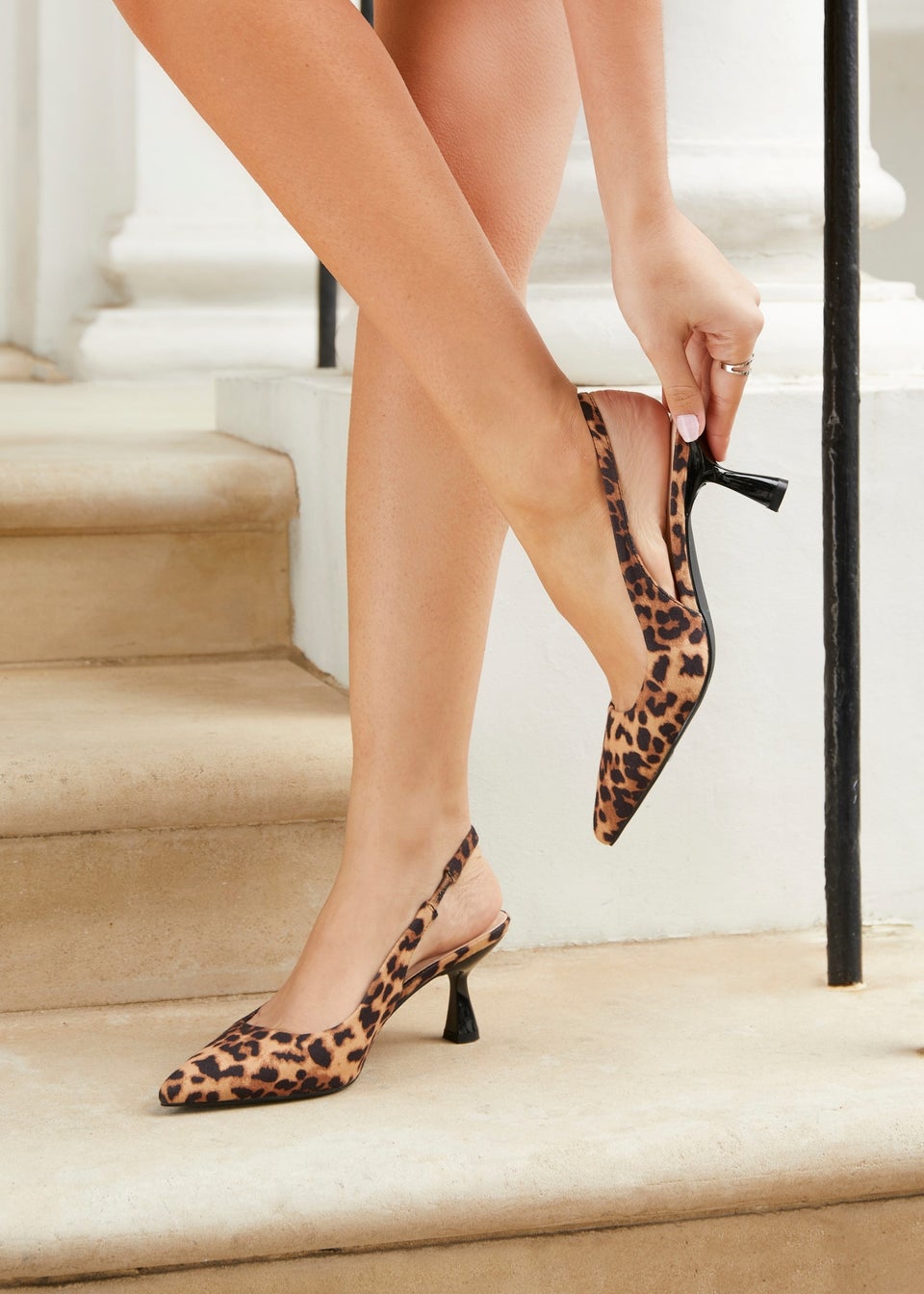
The most powerful tool in creating a bold wardrobe is not a credit card, but knowledge. Understanding fabric care, tailoring, and the investment-worthiness of pieces saves money and builds a more effective closet. This is where professional knowledge translates directly to value and, metaphorically, to discounted prices for your style journey. Learning to identify quality stitching, fabric composition, and timeless vs. trendy design elements means you buy less but better. A perfectly tailored blazer, a pair of well-constructed cheetah print heels in a classic silhouette, or a pure silk shirt are pieces that will deliver a bold impact season after season, amortizing their cost over countless wears. This approach aligns with the “cost per wear” philosophy advocated by financial and style experts alike. Resources like the “Fashionary” sketchbooks, textile science publications from universities, and the careful analysis of garment construction on forums like StyleForum provide this essential education. It empowers you to spot quality on a budget, to alter and repair, and to build a cohesive wardrobe where every piece, bold or basic, has a purpose. This foundational knowledge ensures your bold statements are built to last, not just for a season, but as part of your enduring style identity.
Making a bold fashion statement is ultimately an exercise in self-knowledge projected outward. It is the synthesis of understanding design principles—from the psychology of pattern to the mathematics of silhouette—and having the courage to apply them in a way that feels authentically powerful to you. It is about choosing the spotlight, whether through a symphony of textures, a heroic flash of color, or the confident stride in a pair of unforgettable heels. This is not fashion for the faint of heart; it is armor, art, and autobiography, woven into the very fabric you wear. The world is your runway; design your statement.
