

Step Into Style: Discover the Best Toe Walker Shoes for Effortless Chic
Fashion is a dialogue between form and function, a pursuit where aesthetic desire meets the physical reality of how we move through the world. For a distinct group of individuals—those who naturally or habitually walk on the balls of their feet—this dialogue has often been one-sided, dominated by clinical concerns over stylistic expression. That era is closing. Today, we are witnessing the rise of footwear that doesn’t ask you to choose between comfort and sophistication. This is a deep dive into the world of toe walker shoes, exploring how specialized design principles are being seamlessly woven into pieces of undeniable elegance. We are moving beyond mere accommodation into the realm of empowered, effortless chic.
The Anatomy of a Toe Walker’s Stride: Beyond the Aesthetic
To understand the revolution in footwear, one must first appreciate the biomechanics it serves. Toe walking, or plantarflexion gait, involves a significant portion of body weight being consistently borne by the metatarsal heads and toes, with reduced or absent heel strike. From a clinical perspective, as noted in orthopaedic literature from institutions like the Mayo Clinic, persistent toe walking beyond early childhood can be idiopathic or associated with neurological conditions. However, it also exists as a habitual gait pattern for many adults, often dancers or athletes, where it is a refined skill. The scientific consequence is increased pressure on the forefoot, altered center of gravity, and unique demands on calf muscle (gastrocnemius and soleus) elasticity. A standard shoe, with its rigid, flat sole and heel-centric support structure, disrupts this natural alignment. It can force an unnatural heel strike or, conversely, fail to provide the cushioning and stability the forefoot desperately needs, leading to discomfort, fatigue, and even injury. Therefore, the core engineering challenge—and opportunity—for toe walker shoes is to create a sole geometry and internal architecture that mirrors and supports this elevated heel position, dispersing impact forces intelligently across the entire footbed, not just the rear.

Design Pillars of the Modern Toe Walker Shoe
The transformation of this biomechanical understanding into tangible style rests on several non-negotiable design pillars. First is Rockered Sole Technology. This is not a mere curved heel; it is a precisely engineered curvature from toe to heel that promotes a smooth, rolling gait. Think of it as the shoe doing part of the work for you. Brands like MBT (Masai Barefoot Technology) pioneered this concept, with their design philosophy rooted in the idea of “natural instability” to strengthen muscles. For the toe walker, a well-designed rocker sole reduces the muscular effort required to maintain the gait by facilitating the forward momentum, making each step feel fluid and less taxing. Second is Forefoot Cushioning and Splay. The ball of the foot requires advanced shock absorption—materials like proprietary foams (Adidas’s Boost, Nike’s React) or gel inserts are strategically placed here. Furthermore, allowing the toes to splay naturally upon landing, as advocated by the “barefoot shoe” movement popularized by brands like Vivobarefoot, provides a stable base and reduces cramping. A wide toe box is no longer a clinical eyesore but a design feature synonymous with modern comfort. Finally, Heel Elevation and Achilles Relief. A slight, integrated heel lift (often 5-10mm) built into the midsole, not added as an afterthought, aligns the foot in a more natural plantarflexed position, reducing strain on the Achilles tendon. This is the subtle genius that distinguishes a true toe walker shoe from a flat sneaker with a thick insole.
From Clinic to Catwalk: The Silhouettes of Chic
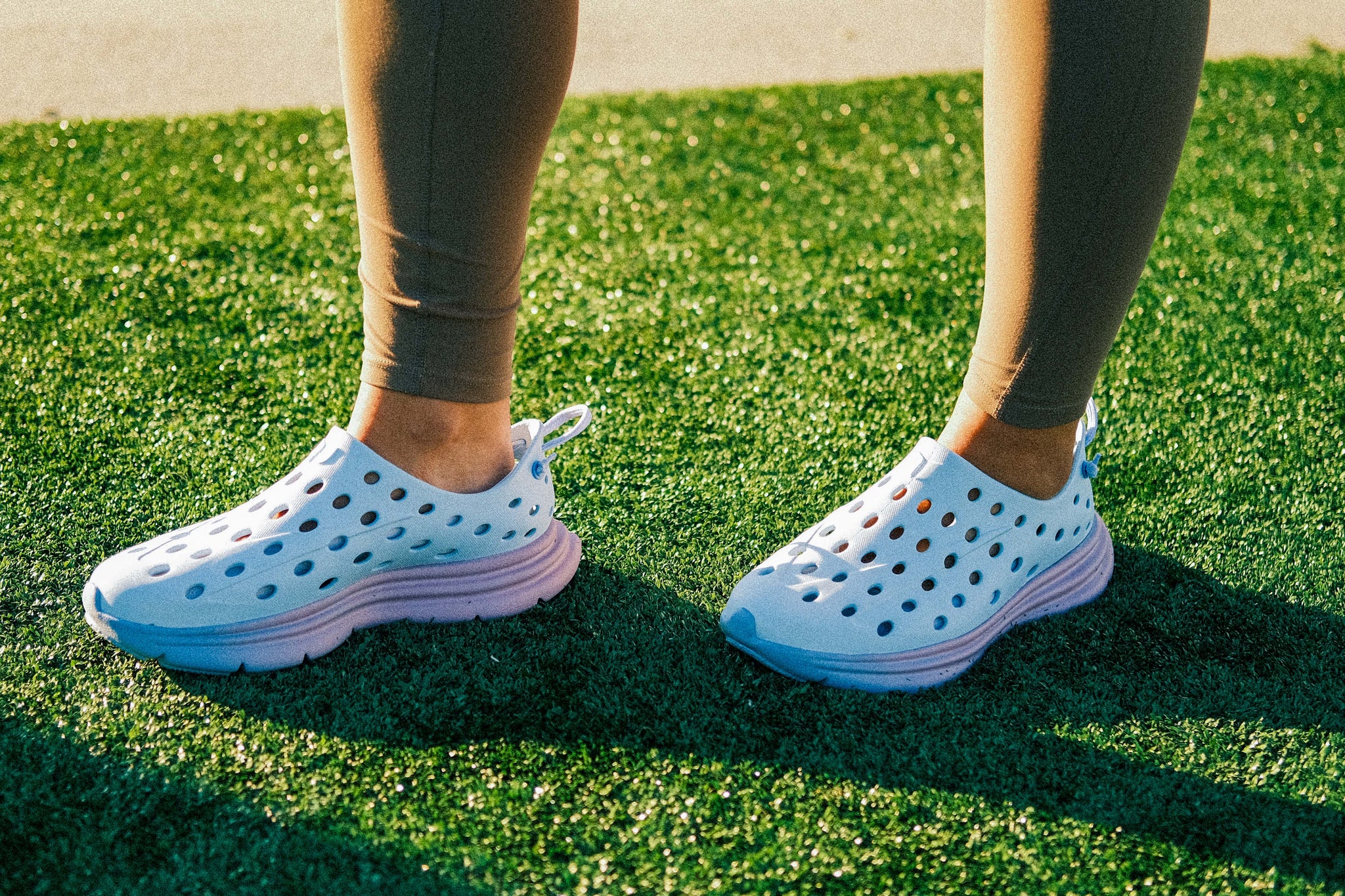
Gone are the days of beige, bulky orthopaedic designs. The contemporary market offers a spectrum of silhouettes that hold their own in any sartorial context. Consider the Elevated Loafer. Brands like Cole Haan have long fused Grand.ØS technology with classic silhouettes. A loafer with a hidden rocker sole and plush forefoot padding delivers a polished, professional look without compromising on the biomechanical support needed for a day of meetings and city walking. Then there is the Architectural Sneaker. This category, exemplified by designers like Rick Owens or brands like Balenciaga, often features exaggerated soles and avant-garde shapes. Within this aesthetic lies a functional opportunity: these chunky, sculpted midsoles are perfect for embedding rocker geometry and deep cushioning, turning a statement fashion piece into a covertly supportive toe walker shoe. The Modern Boot, from sleek Chelsea boots to rugged hiking styles, is also being reimagined. A boot with a slightly pitched sole, a roomy toe box, and a cushioned footbed can provide all-day support for the toe walker, proving that practicality for challenging terrains or weather can be inherently stylish. The common thread is intentionality—every design element serves both vision and physiology.
The Voice of Experience: Testimonials and Cultural Shifts
The validation for this fusion of style and science comes not just from labs, but from lived experience. On platforms like YouTube and Twitter, influencers and everyday users with habitual toe walking patterns are vocal about their discoveries. A well-known lifestyle YouTuber, in a video dedicated to comfortable all-day shoes, once remarked,
“I’ve always walked on my toes, and I spent years thinking blisters and aching calves were just my lot in life. Then I tried a pair designed with a ‘rocker bottom’—a term I learned from a podiatrist’s blog. It wasn’t a medical device; it was a beautiful pair of leather shoes. The difference wasn’t subtle; it was a revelation in how I could move through the world feeling both put-together and physically free.”
This sentiment echoes across forums like Quora and Reddit’s r/Biohacking, where discussions about “gait optimization” often intersect with footwear recommendations. The cultural shift is clear: what was once hidden is now a point of informed consumer demand. People are seeking out brands that transparently discuss their biomechanical research, viewing such knowledge not as a stigma but as a premium feature. This democratization of specialized knowledge empowers individuals to make choices that align deeply with their personal needs without sacrificing their identity.

Knowledge as Power: Selecting Your Pair
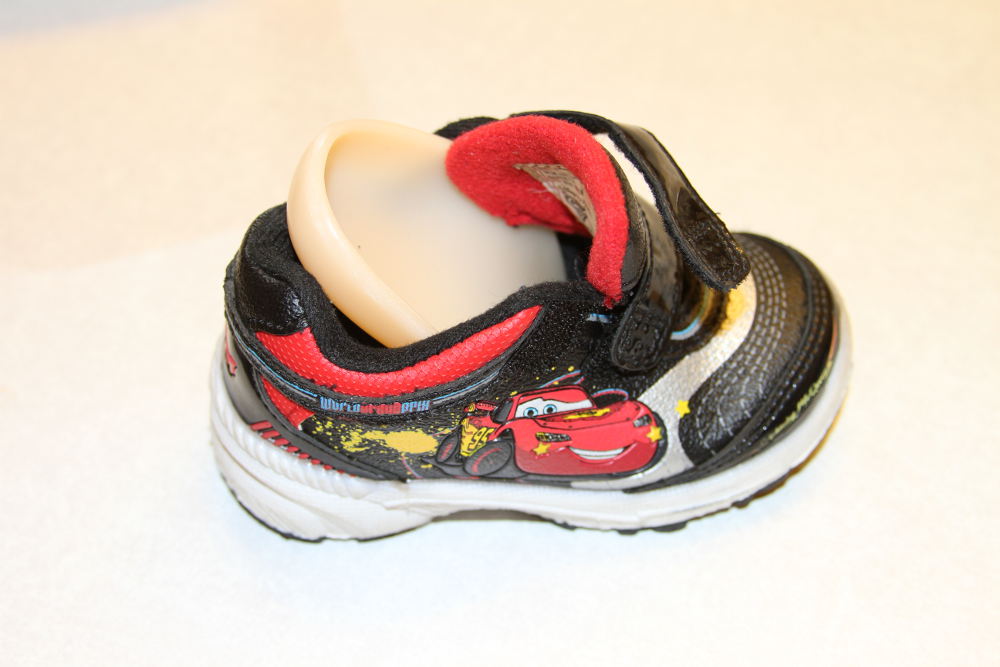
Arming yourself with knowledge is the first step toward a flawless fit. When evaluating a potential pair of toe walker shoes, go beyond color and brand. First, examine the sole profile. Place the shoe on a flat surface and look at it from the side. Does it have a gentle, continuous upward curve from the midfoot to the toe? This is the rocker. Press on the forefoot area of the midsole; it should feel resilient and soft, compressing slightly under thumb pressure. Second, investigate the interior. Is the footbed flat, or is it contoured with arch support and a deep heel cup? For many toe walkers, a contoured footbed can help distribute pressure more evenly. Removable insoles are a major advantage, as they allow for customization with custom orthotics if needed—a practice widely recommended by podiatrists for managing gait abnormalities. As one expert from the American Podiatric Medical Association noted in an article, “The right insole can transform a good shoe into a great one for atypical gait patterns.” Third, consider the upper material. Soft, supple leathers or technical knit fabrics will adapt to your foot’s shape and movement without causing friction points at the dorsal (top) area of the foot, which can be sensitive for those who lift their heels high.
Investment and Value: Where to Find Your Style
Embracing this footwear philosophy is an investment in long-term well-being and confidence, but it need not be prohibitive. The market caters to various budgets. High-end contemporary brands (think Mephisto, Ecco, or certain lines from Clarks) often have patented comfort technologies like rocker soles and are available at department stores or specialty retailers, frequently going on seasonal sale. Direct-to-consumer online brands are a burgeoning source, offering cutting-edge designs (like those from Kizik or certain Allbirds styles focused on easy motion) at more accessible price points by cutting out the middleman. Crucially, do not overlook the second-hand or outlet market for previous seasons’ models from premium brands; the core technology remains effective. The key is to view the purchase through the lens of cost-per-wear and holistic value. A $200 pair of shoes that you wear comfortably 300 days a year is a far wiser investment than three $80 pairs that languish in your closet because they cause discomfort. This is where professional knowledge translates directly into consumer savvy, ensuring every dollar spent supports both your stride and your style.
The narrative around footwear for distinctive gaits has been rewritten. No longer is it a story of limitation and compromise. It is a narrative of innovation, where deep scientific understanding of biomechanics informs designs of striking elegance. The quest for the perfect toe walker shoes culminates not in finding a medical aid, but in discovering a tool for self-expression—a shoe that moves as you do, that supports your unique journey without shouting its technicalities. This is the essence of effortless chic: style that is so deeply integrated with personal function that it becomes invisible, leaving only confidence and grace in every step you take.
