

Step Into Comfort and Style with Vionic Walking Shoes
For years, the pursuit of the perfect walking shoe felt like a compromise. You could have cushioning that felt like walking on clouds, but your feet would ache after a few miles due to lack of support. You could find a shoe with impeccable arch support, but it looked like a medical device you’d want to hide. This dichotomy between wellness and aesthetics has been a persistent frustration. Today, that compromise is no longer necessary. The evolution of footwear technology, championed by brands like Vionic, has successfully merged biomechanical science with contemporary design. This article isn’t about a simple product recommendation; it’s an exploration of how the right footwear can fundamentally transform your daily movement, posture, and overall well-being. We will dissect the science behind foot health, examine the design philosophy of Vionic, and demonstrate how their walking shoes are engineered to be a proactive investment in your body’s foundation.
The Foundation of Movement: Why Your Feet Deserve More
Consider your feet: a complex structure of 26 bones, 33 joints, and over 100 muscles, tendons, and ligaments. They are the literal foundation of your body, absorbing impact forces that can be multiples of your body weight with every step. According to the American Podiatric Medical Association, foot problems can lead to issues in the knees, hips, and lower back—a kinetic chain reaction of discomfort. The common flat, overly flexible shoe sole, often found in fashion-centric footwear, does little to support this intricate architecture. It allows for overpronation (excessive inward rolling of the foot) or supination (outward rolling), disrupting natural gait alignment. This is where the concept of biomechanical footwear enters. Brands like Vionic build their shoes around the principle of orthotic science, integrating built-in support that mimics the prescription orthotics a podiatrist might provide. The core of their technology is a biomechanical footbed, designed to align the foot from heel to toe, promoting natural motion and reducing stress on joints. Wearing a Vionic walking shoe is not merely about comfort; it’s about providing a stable, corrective platform for one of your body’s most critical systems.
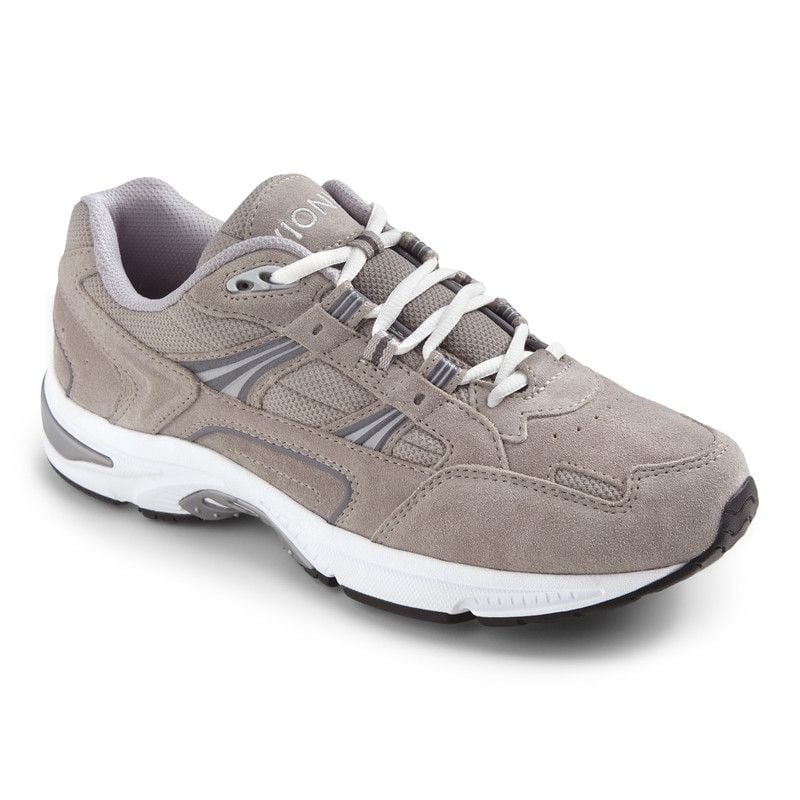
Deconstructing the Vionic Difference: More Than Just a Shoe
What separates a Vionic walking shoe from a typical athletic sneaker? The answer lies in a multi-layered approach to engineering. First, the signature Vionic orthotic footbed is not an afterthought; it is the starting point of the design. This footbed typically features a deep heel cup to stabilize the calcaneus (heel bone), a robust arch support to maintain the medial longitudinal arch, and a forefoot groove to encourage natural toe flexion. This triad of support works in concert to combat overpronation. Second, the midsole is crafted from lightweight, responsive materials like EVA or proprietary foams that offer cushioning without sacrificing stability. The outsole is designed with strategic flex grooves and durable rubber to provide traction and facilitate a natural roll-through from heel strike to toe-off. Finally, the upper is constructed from breathable, often premium materials that conform to the foot without constriction. This holistic design philosophy ensures that every component of the shoe serves the dual purpose of support and comfort. It’s a system where biomechanics meets material science, resulting in a product that feels supportive from the very first wear, unlike traditional shoes that require a lengthy and often painful “break-in” period.

From Testimonials to Science: The Evidence for Supportive Footwear
The efficacy of biomechanically designed footwear isn’t merely anecdotal. A study published in the Journal of Foot and Ankle Research found that shoes with motion control and stability features significantly reduced pain and improved function in individuals with plantar fasciitis, a common and debilitating foot condition. Beyond clinical literature, the voices of users and experts add powerful testimony. On platforms like YouTube, certified pedorthists and physical therapists often review and recommend Vionic shoes for their patients dealing with common ailments. As one such practitioner noted in a detailed review:
“In my practice, I see patients who have tried everything for heel pain. While custom orthotics are gold standard, the integrated orthotic design in shoes like Vionic provides a remarkable off-the-shelf solution. The three-zone comfort system actively cradles the foot, which can alleviate strain not just on the plantar fascia, but on the entire posterior chain.”
Similarly, on Quora and health forums, countless individuals share stories of how switching to supportive shoes allowed them to return to walking for exercise or simply navigate their daily lives without pain. This convergence of peer-reviewed research and widespread user validation underscores a simple truth: proper foot support is a non-negotiable component of musculoskeletal health, and a well-designed Vionic walking shoe is a practical vehicle for delivering it.
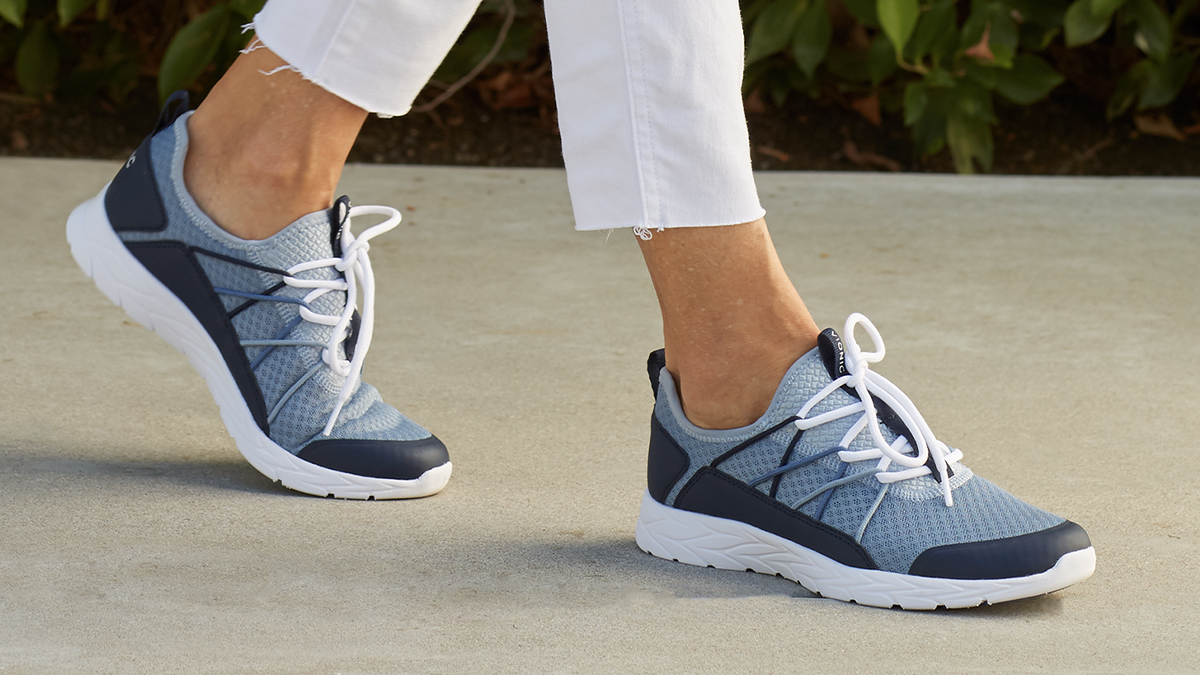
Style Uncompromised: The Aesthetic Revolution in Wellness Footwear
For too long, “comfort shoes” conjured images of clunky, beige monstrosities. Vionic has been at the forefront of shattering this stereotype. Their design team operates on the principle that you shouldn’t have to choose between feeling good and looking good. This is evident in their diverse collections, which range from sleek, modern sneakers and athletic walkers to chic sandals and casual loafers. The aesthetic is contemporary, often featuring clean lines, sophisticated color palettes, and versatile silhouettes that transition seamlessly from a morning walk to running errands or a casual lunch. The integration of their biomechanical technology is seamless; the support is built-in, not bulky. This design intelligence means that the Vionic walking shoe you wear for its hidden health benefits doesn’t announce itself as a medical device. It looks like a stylish, intentional choice. This marriage of form and function is critical because it removes the barrier to entry. When a shoe is attractive, you’re more likely to wear it consistently, thereby reaping the ongoing benefits of its supportive structure every day, not just when your feet are screaming in protest.
An Investment in Long-Term Wellbeing: Cost Versus Value
It’s true that a pair of Vionic shoes often carries a higher price point than a generic pair of sneakers from a discount store. This is where perspective is crucial. Viewing them as a mere commodity is a mistake; they are better understood as an investment in preventative health. Consider the cost of ongoing treatments for foot, knee, or back pain: physical therapy sessions, custom orthotics, pain relievers, and lost productivity. A quality pair of Vionic walking shoes acts as a first line of defense. Furthermore, their construction from durable materials means they are built to last, offering a better cost-per-wear over time than cheaper, quickly deteriorating alternatives. To make this investment more accessible, it’s wise to look for seasonal sales, promotions on the official website, or discounts from authorized retailers. The value proposition is clear: you are paying for advanced biomechanical engineering, premium materials, and a design ethos that prioritizes your body’s long-term health. It’s not an expense; it’s a proactive allocation of resources toward a more comfortable, active, and pain-free lifestyle.

Making the Right Choice: How to Integrate Vionic into Your Life
Adopting a new standard of footwear requires a slight shift in mindset. Start by identifying your primary activity. Is it dedicated fitness walking, all-day wear on hard floors, or travel and exploration? Vionic offers specific models tailored to these needs, from the high-cushion “Walker” series to the versatile “Walker/Strider” hybrids. When you first wear them, allow your body a short adaptation period. Your muscles and ligaments, perhaps accustomed to less support, are now being held in a more optimal alignment. This might feel unusually supportive at first, but that sensation typically evolves into a feeling of “rightness” within a day or two. Integrate them gradually, wearing them for a few hours each day initially. The goal is to make supportive footwear your default, not just an option for long walks. Pair them with moisture-wicking socks to enhance comfort and hygiene. By consciously choosing a Vionic walking shoe as your daily companion, you are making a deliberate decision to support your body’s foundation with every step you take.
The journey toward effortless movement and enduring comfort begins from the ground up. The old paradigm of sacrificing style for support or enduring discomfort for fashion is obsolete. Through a synthesis of podiatric science, innovative engineering, and thoughtful design, Vionic has created a category of footwear that stands firmly on both principles. Their walking shoes offer more than just a pleasant walking experience; they provide a stable platform for your entire body, potentially alleviating and preventing a cascade of musculoskeletal issues. This is the new standard: footwear that works as hard as you do, invisibly supporting you while allowing your personal style to shine. The path to a more comfortable, active, and stylish life is, quite literally, a step away.
