

Step Into Comfort and Style with Vionic Walking Shoes
For years, the pursuit of the perfect walking shoe felt like a compromise. You could have cushioning that felt like walking on clouds, but the shoe looked like a medical device. Alternatively, you could find a stylish sneaker that left your feet aching after a few city blocks. This false choice between wellness and aesthetics has defined the footwear market for decades. But what if the dichotomy itself is flawed? What if the very foundation of foot comfort—scientifically sound biomechanical support—could be seamlessly integrated into designs that you’re genuinely excited to wear? This isn’t a hypothetical future; it’s the present reality crafted by brands that merge podiatric science with contemporary design. The journey to understanding this fusion begins not with a fashion trend, but with a fundamental appreciation for the complex architecture of the human foot and the consequences of neglecting it.
The Foundation: Why Biomechanics Matter More Than You Think
To appreciate a truly supportive shoe, one must first understand the engineering marvel they are designed to protect: the human foot. Comprising 26 bones, 33 joints, and over 100 muscles, tendons, and ligaments, the foot is a complex kinetic chain. Its primary functions—shock absorption, propulsion, and adaptation to uneven terrain—rely on a delicate balance. When this balance is disrupted by improper footwear, the effects cascade upwards. As noted by the American Podiatric Medical Association (APMA), shoes that lack adequate arch support or have a rigid, non-conforming shape can lead to a host of issues, from plantar fasciitis and metatarsalgia to knee, hip, and even lower back pain. The common thread in podiatric literature is the emphasis on pronation control and arch support. Pronation, the natural inward roll of the foot during gait, becomes problematic when it’s excessive (overpronation) or insufficient (supination). Both deviations alter the body’s alignment. A study from the University of Virginia’s Motion Analysis Laboratory underscores that gait abnormalities originating at the foot can increase joint loading forces by significant percentages, accelerating wear and tear. Therefore, a walking shoe is not merely a covering; it is a vital piece of orthopedic equipment for daily life. The goal is to provide stability, guide the foot through a natural gait cycle, and distribute pressure evenly—principles that form the non-negotiable core of functional footwear.
Deconstructing the Vionic Advantage: Where Science Meets the Sidewalk
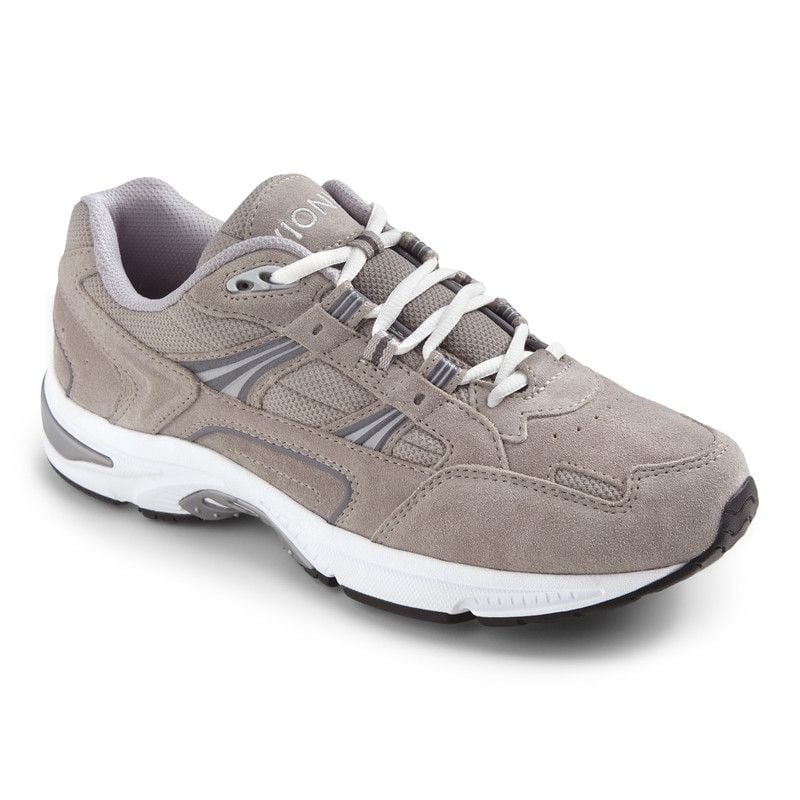
Enter the category of footwear that has built its reputation on this podiatric science. A prime example is the Vionic walking shoe. The distinction lies in its origin story: many such brands are born from collaborations with podiatrists, not just fashion designers. The hallmark is often a proprietary, biomechanically engineered footbed. This isn’t a simple cushioned insole; it’s a contoured platform designed to mimic the optimal alignment of a healthy foot in motion. Typically, it features a deep heel cup to stabilize the calcaneus (heel bone), a firm arch support to maintain the medial longitudinal arch, and a forefoot area that encourages proper toe-off. This tri-planar motion control is critical. Think of it as the foundation of a house. A weak foundation causes walls to crack and doors to jam. Similarly, a footbed that properly positions the heel and supports the arch allows the entire musculoskeletal system above it to function with efficiency and reduced strain. The APMA has granted its Seal of Acceptance to specific styles within these lines, a certification that involves rigorous review by a committee of podiatrists to ensure they promote good foot health. This external, medical validation separates them from shoes that merely claim to be “comfortable.” When you slip on a Vionic walking shoe, you are not just putting on a sneaker; you are engaging with a system designed to interact dynamically with your physiology. The cushioning—often utilizing advanced polymers like EVA or proprietary foam compounds—works in concert with the footbed, absorbing impact vertically while the guidance system manages motion horizontally.
Beyond the Clinic: The Style Evolution
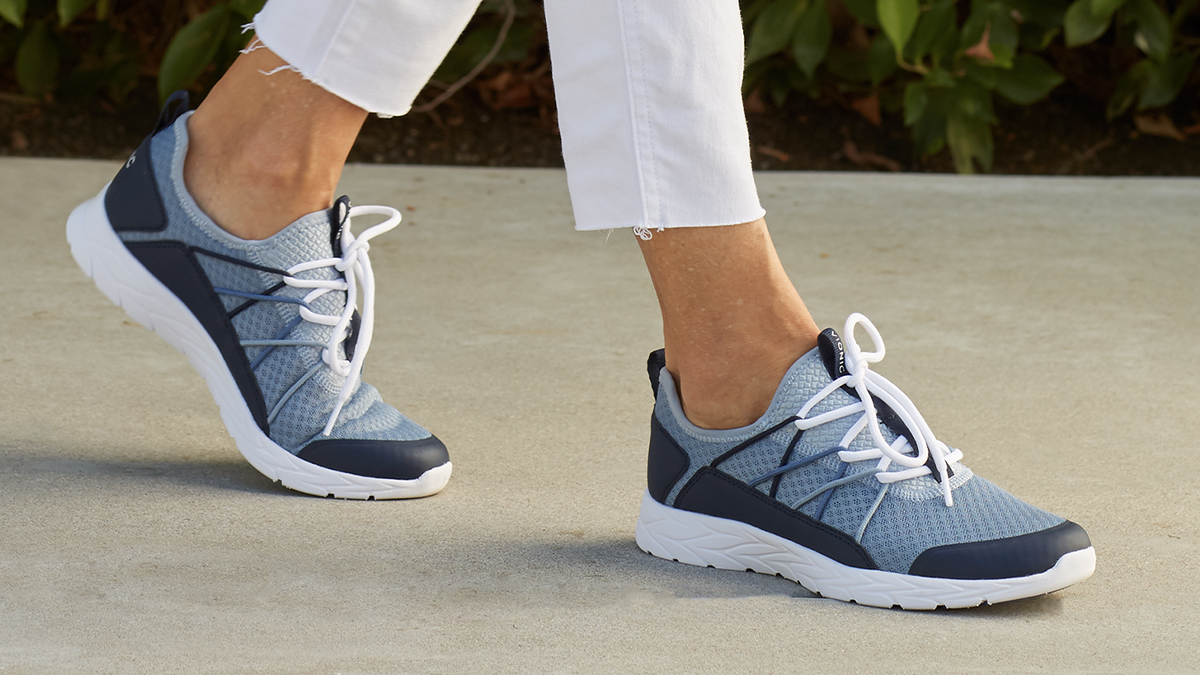
The historical criticism of “orthopedic shoes” was their aesthetic, often clunky and visually segregating. The revolutionary step, which brands like Vionic have taken, is divorcing biomechanical necessity from unattractive design. Today’s offerings are a far cry from the beige, bulky shoes of the past. Design teams work to translate the essential functional components into sleek silhouettes, using modern materials, color palettes, and textures that align with current fashion. You can find styles with knit uppers for a sock-like fit, leather accents for a polished look, and designs that are virtually indistinguishable from high-end fashion sneakers—until you feel the support underfoot. This is a crucial cultural shift. It acknowledges that the desire for style is not vanity but a component of personal expression and confidence. By making health-conscious footwear desirable, it removes the barrier to entry for millions who would otherwise choose fashion over function. The Vionic walking shoe you wear with jeans or athleisure wear performs the same core stabilizing function as its more clinical-looking predecessors, but it does so while complementing your wardrobe. This fusion represents a democratization of podiatric wellness, making it accessible and appealing for everyday life, not just for those with diagnosed conditions.

A Personal Journey: From Foot Fatigue to Everyday Ease
Let’s move from the general to the personal. Imagine you, the reader, are someone who spends hours on your feet—a teacher, a nurse, a retail worker, or an avid traveler exploring new cities. Your old shoes might offer initial softness, but by midday, a familiar ache sets in. Your arches feel strained, your heels are tender, and a dull throb emanates from your calves. You might dismiss this as normal “being on your feet” fatigue. But it’s not an inevitability; it’s often a signal. Switching to a shoe built on biomechanical principles can be revelatory. The first noticeable difference is the active support. The arch doesn’t sink into a plush void; it is held firmly, which can feel unusual at first if you’re accustomed to collapse. The heel feels anchored, eliminating that slight side-to-side wiggle that contributes to instability. Over days and weeks, as your muscles begin to function in a more aligned position, the end-of-day pain diminishes. The transformation isn’t just in your feet. You may notice your knees feel better on stairs, your lower back is less stiff in the morning, and your overall posture improves. This isn’t magic; it’s mechanics. As biomechanist Katy Bowman often discusses in her work on “nutritious movement,” providing the body with proper alignment from the ground up allows for more efficient, less damaging movement patterns. A well-designed Vionic walking shoe acts as a daily tool to facilitate this, not by doing the work for your muscles, but by creating the optimal environment for them to work correctly.
The Voices of Validation: From Experts to Everyday Users
This experience is echoed widely. On platforms like YouTube, certified pedorthists and physical therapists frequently analyze footwear, and shoes with podiatrist-designed footbeds are consistently highlighted for their structural integrity. Meanwhile, the consumer conversation on communities like Quora and Reddit’s r/BuyItForLife or r/PlantarFasciitis is telling. Users don’t just praise the comfort; they narrate life-changing reductions in chronic pain. One Quora user, detailing their struggle with plantar fasciitis, stated, “After trying countless inserts and brands, I finally invested in a pair built on a proper orthotic last. The pain didn’t disappear overnight, but within a month, I was walking normally again. It was the support, not just the cushion, that made the difference.” This sentiment is a common thread: the realization that passive comfort (softness) is different from active comfort (support). Furthermore, literature from authoritative institutions like the University of Pittsburgh Medical Center’s sports medicine division often cites appropriate footwear with motion control as a first-line conservative treatment for overuse injuries. When celebrities or athletes with demanding physical schedules endorse such brands, the underlying message isn’t merely a paid promotion; it’s often a testament to needing gear that performs under pressure. This multi-source validation—from clinical research, professional endorsements, and a sea of personal testimonials—creates a compelling, evidence-based picture that transcends marketing hype.

An Investment in Mobility: Perceiving Value Correctly
It’s true that shoes engineered to this level often carry a higher price point than mass-market fashion sneakers. This leads to the critical question of value. Framing this purchase as merely “buying shoes” is a misperception. You are investing in a wearable health technology designed to preserve your mobility and prevent pain. Consider the cost of custom orthotics from a podiatrist, which can run hundreds of dollars, plus the shoes to fit them into. A Vionic walking shoe comes with a sophisticated, built-in orthotic foundation. When viewed through this lens, the value proposition sharpens. Furthermore, the construction quality of these shoes often justifies the cost. Durable outsoles, high-grade upper materials, and reinforced stitching contribute to longevity, meaning cost-per-wear decreases significantly over time. To make this investment more accessible, it’s wise to look for seasonal sales, promotions on the brand’s official website, or discounts from authorized retailers. Signing up for newsletters can alert you to upcoming sales events. The goal is to bring this professional-grade tool within reach. The return on investment is not measured in seasons of fashion, but in years of comfortable, pain-free steps—a dividend that pays out every single day.
Making the Right Choice: Fit and Feel are Paramount
Understanding the technology is one thing; ensuring it works for you is another. The most scientifically advanced shoe is ineffective if it doesn’t fit correctly. Sizing can be different due to the structured footbed. It is highly recommended to consult the brand’s specific sizing guide, and when possible, try them on in the afternoon when feet are naturally slightly swollen. Walk on a hard surface, not just carpet. Pay attention to specific feelings: the arch should feel supportive, not intrusive or painful. There should be a thumb’s width of space between your longest toe and the end of the shoe. The heel should be snug without lift or pinch. Remember, these shoes are designed to guide your foot, so they may feel firmer and more structured than what you’re used to. This is the “support” at work, not discomfort. Give your body a transition period of a few hours of daily wear to adapt. The ultimate test is how you feel after wearing them, not just during. If persistent pain occurs, consulting with a podiatrist is always the best course of action, as individual biomechanical needs can vary.
The narrative around walking shoes has been rewritten. No longer are we forced to choose between looking good and feeling good. The integration of podiatric science into thoughtfully designed footwear represents a profound shift in how we care for our foundational health. It acknowledges that our feet are not isolated units but the base of our entire physical structure. By choosing a shoe like the Vionic walking shoe, you are making a conscious decision to support that structure with every step you take. You are prioritizing long-term mobility over short-term softness, and intelligent design over fleeting trends. The path forward is clear, stable, and surprisingly stylish—it’s a path defined by the confident, comfortable stride that comes from having the right foundation, literally, beneath you.
