

Step Into Comfort and Style with Vionic Walking Shoes
For years, the quest for the perfect walking shoe felt like a compromise. You could have cushioning that felt like walking on clouds, but the style left you wanting. You could find a design that turned heads, but your feet were pleading for mercy after a few city blocks. This divide between wellness and aesthetics has been a persistent frustration in footwear. But what if the choice wasn’t necessary? What if you could have a shoe engineered with the precision of medical science, wrapped in a design that complements your personal style? This isn’t a hypothetical future; it’s the present reality offered by innovative footwear brands that prioritize biomechanical health. Today, we step beyond mere fashion and into a world where every stride is supported, every arch is cradled, and every outing is an opportunity for both comfort and confidence. The journey to redefining your daily movement begins with understanding the foundation beneath you.
The Unseen Architecture of Your Stride: Why Biomechanics Matter
Walking is our most fundamental movement, yet its complexity is often overlooked. With each step, a kinetic chain of events travels from your heel, through your arch, to the ball of your foot and your toes. This process, known as the gait cycle, involves a sophisticated interplay of bones, muscles, ligaments, and tendons. When this system is in harmony, movement is efficient and pain-free. However, modern lifestyles—characterized by hard, flat surfaces and often unsuitable footwear—can disrupt this natural rhythm. Pronation, the natural inward roll of the foot upon landing, can become excessive, leading to a cascade of alignment issues that affect not just the feet, but the ankles, knees, hips, and even the lower back. The American Podiatric Medical Association (APMA) consistently emphasizes that proper footwear is the first line of defense in promoting foot health and overall musculoskeletal well-being. It’s not merely about softness; it’s about strategic support that guides the foot through its natural motion. A shoe that simply cushions is like building a house on sand; it feels good initially but lacks the structural integrity for long-term stability. The true solution lies in biomechanically informed design, a principle that forms the core of advanced footwear like the Vionic walking shoe.
Decoding the Orthotic Heart: The Vionic Difference
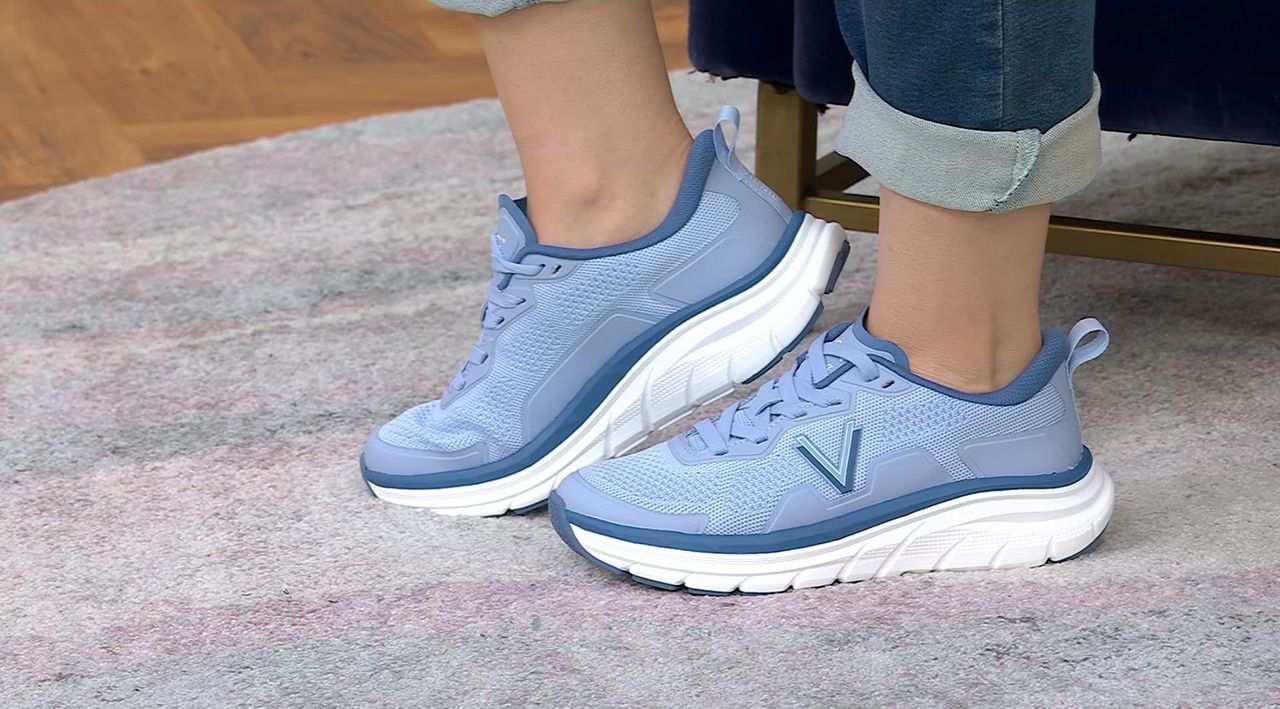
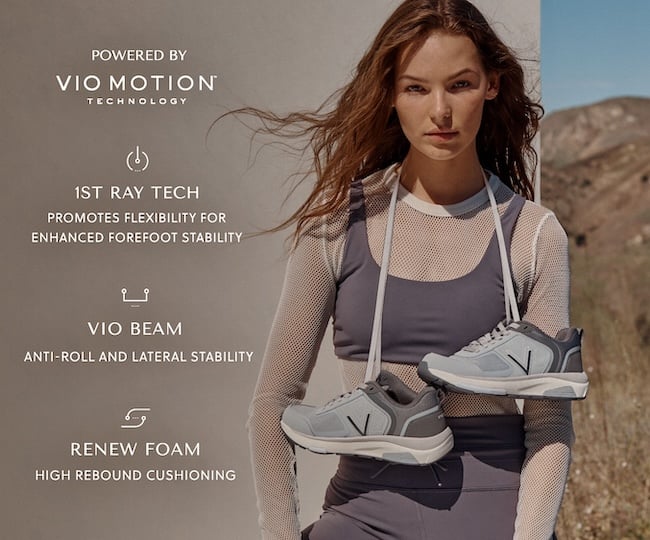
So, what sets a biomechanically designed shoe apart? The secret often lies in its built-in orthotic footbed. Unlike generic, flat insoles, these are engineered with a deep heel cup, a pronounced arch support, and a forefoot zone that works in concert. Let’s dissect this scientifically. The deep heel cup stabilizes the calcaneus (heel bone), minimizing lateral movement and providing a secure foundation. The arch support, arguably the most critical element, is designed to maintain the medial longitudinal arch—the primary shock absorber of the foot. By preventing the arch from collapsing excessively, it reduces strain on the plantar fascia, a common source of heel pain. This isn’t just marketing; it’s podiatric science. As noted by Dr. Andrew Shapiro, a spokesperson for the APMA, “Shoes with built-in arch support and a slight heel can help reduce tension on the Achilles tendon and plantar fascia.” The Vionic walking shoe exemplifies this approach, integrating its proprietary Vio-Motion Support technology into every pair. This three-zone comfort system is not an afterthought but the foundational blueprint of the shoe, ensuring that from the moment you slip them on, your feet are positioned in their anatomically optimal alignment. It’s the difference between your foot conforming to a shoe and a shoe being crafted for your foot.
From Clinic to Sidewalk: The Evolution of Everyday Orthotics
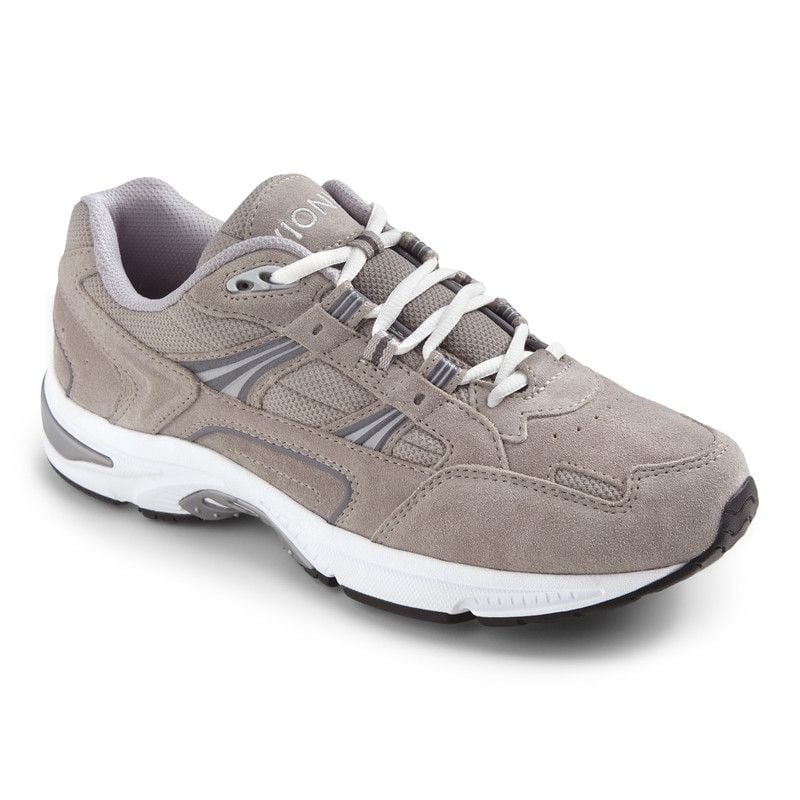
The concept of orthotic support has a long history, traditionally associated with clinical, often cumbersome, devices prescribed for specific pathologies. The revolutionary shift has been the seamless translation of these therapeutic principles into aesthetically appealing, everyday footwear. This democratization of foot health means you no longer need to sacrifice your style to care for your body. The design philosophy behind brands like Vionic is rooted in this very idea: wellness should be woven into the fabric of daily life. This perspective resonates with a growing consumer base that values holistic well-being. As author and wellness advocate Deepak Chopra has often stated, “Perfect health is a journey, not a destination; it is a dynamic process of recovery and self-renewal.” Choosing footwear that actively supports your body’s mechanics is a proactive step on that journey. The modern Vionic walking shoe is a testament to this evolution, offering a range that includes sleek sneakers, comfortable sandals, and professional loafers—all housing that same core orthotic technology. They prove that the line between “therapy” and “fashion” is not just blurring; it’s being erased.
A Symphony of Materials: Where Comfort Meets Durability
Advanced biomechanics would be ineffective if housed in a poorly constructed shell. The longevity and performance of a walking shoe are equally dependent on the quality of its materials and construction. Let’s consider the upper. Breathable mesh fabrics, often with strategic synthetic overlays, provide a lightweight, adaptive fit that prevents overheating—a crucial factor for all-day wear. The midsole, typically made from resilient materials like EVA (ethylene-vinyl acetate) or polyurethane, is the cushioning layer that attenuates shock with each heel strike. However, in a superior walking shoe, this cushioning is not uniform; it’s strategically denser in some areas and softer in others to complement the foot’s motion. The outsole, your interface with the ground, requires a flexible yet durable rubber compound with a tread pattern designed for reliable traction on varied surfaces. Every component must work in harmony. When you invest in a pair of Vionic walking shoes, you’re investing in this meticulous synergy. The durability of these materials means the support remains consistent over miles, making them not a short-term purchase but a long-term companion for your active life. It’s an investment that pays dividends in comfort and potentially reduced wear-and-tear on your joints.
The Personal Testimonial: Voices from the Walking World
Beyond the science and specifications, the most compelling evidence often comes from lived experience. Across platforms like YouTube, dedicated review blogs, and community forums, a consistent narrative emerges from those who have made the switch to biomechanically engineered footwear. Take, for instance, a long-time nurse who spends 12-hour shifts on her feet. She might share, “After years of chronic plantar fasciitis, these were the first shoes that allowed me to finish a shift without searing heel pain.” A travel enthusiast might blog, “I walked over 20,000 steps a day through European cobblestone streets, and my Vionic walking shoes were the unsung hero of the trip—no blisters, no fatigue.” These anecdotes are powerful because they translate clinical benefits into real-world results. They speak to the transformation from enduring foot discomfort to forgetting your feet are even there—the ultimate goal of any great shoe. This chorus of positive experiences, from everyday people to fitness influencers, builds a credible case that this technology delivers on its promises where conventional footwear often falls short.
Your Next Step: Integrating Wellness into Your Wardrobe
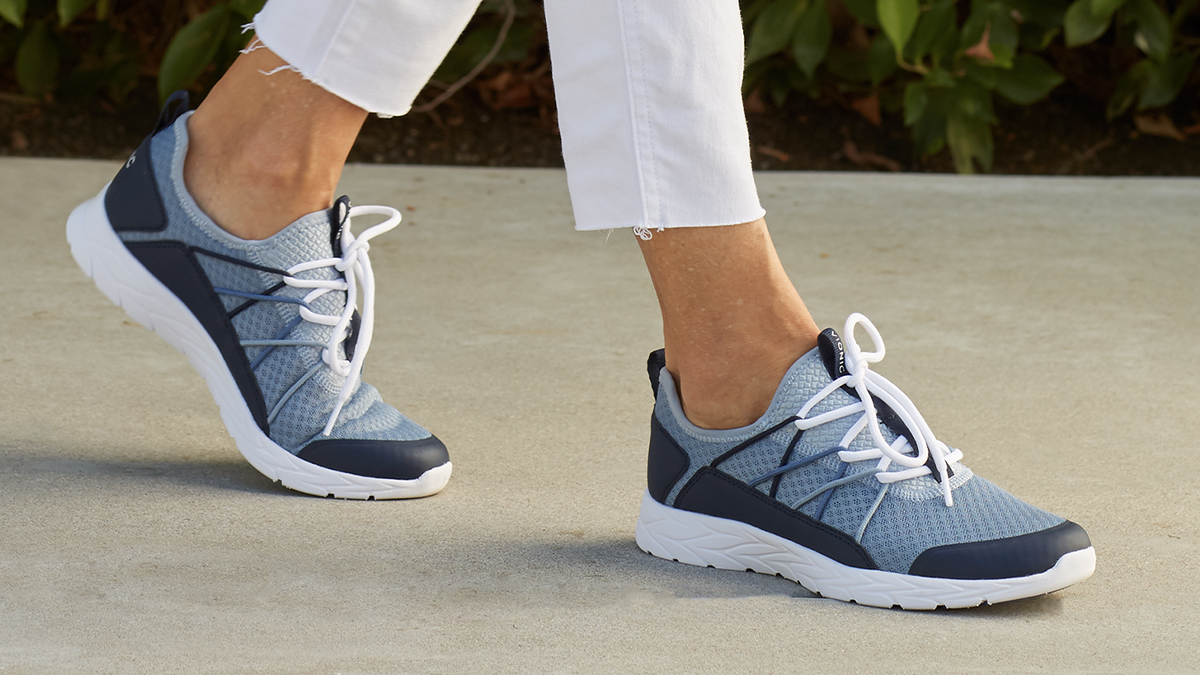
Embracing footwear that prioritizes biomechanical health is a conscious decision to value your long-term mobility and comfort. It’s a recognition that what you put on your feet is as important to your well-being as the food you eat or the exercise you get. The journey doesn’t end with a single pair; it’s about re-evaluating your footwear choices across different contexts—work, travel, leisure, and fitness. The beauty of the current market is that you no longer have to choose between “supportive” and “stylish.” You can have both. Whether you’re navigating a busy workweek, exploring a new city, or simply enjoying a leisurely weekend stroll, the right shoe empowers you to do more, comfortably. We are at a point where taking care of your feet is seamlessly integrated into looking and feeling your best. It’s a step towards a more active, pain-free lifestyle, grounded in the simple yet profound act of walking well.
The path to unparalleled comfort and effortless style is clearly marked. It’s paved with innovation that respects human anatomy, crafted with materials that endure, and designed with an eye for modern aesthetics. By choosing a shoe built on the principles of biomechanical support, you’re not just buying footwear; you’re investing in the foundation of your daily movement. You’re choosing to walk through life with greater ease, stability, and confidence. The technology is here, the designs are compelling, and the testimonials are abundant. The only question that remains is: are you ready to take that step? Discover the difference for yourself and feel how the right foundation can transform your world, one comfortable, stylish stride at a time.
