

Your Ultimate Guide to Stylish and Comfortable Everyday Footwear
Choosing the right shoe for daily life is not merely a matter of fashion; it is a foundational decision for your physical well-being and personal expression. The perfect everyday shoe seamlessly blends aesthetic appeal with ergonomic support, allowing you to navigate your day with confidence and ease. This guide moves beyond superficial trends to explore the science of comfort, the architecture of style, and the practical knowledge needed to invest in footwear that truly serves you. We will dissect the components of an ideal walking shoe, provide evidence-based insights, and connect you with the professional knowledge required to make an informed choice, ensuring your steps are both stylish and supported.
The Anatomy of Comfort: More Than Just a Soft Sole
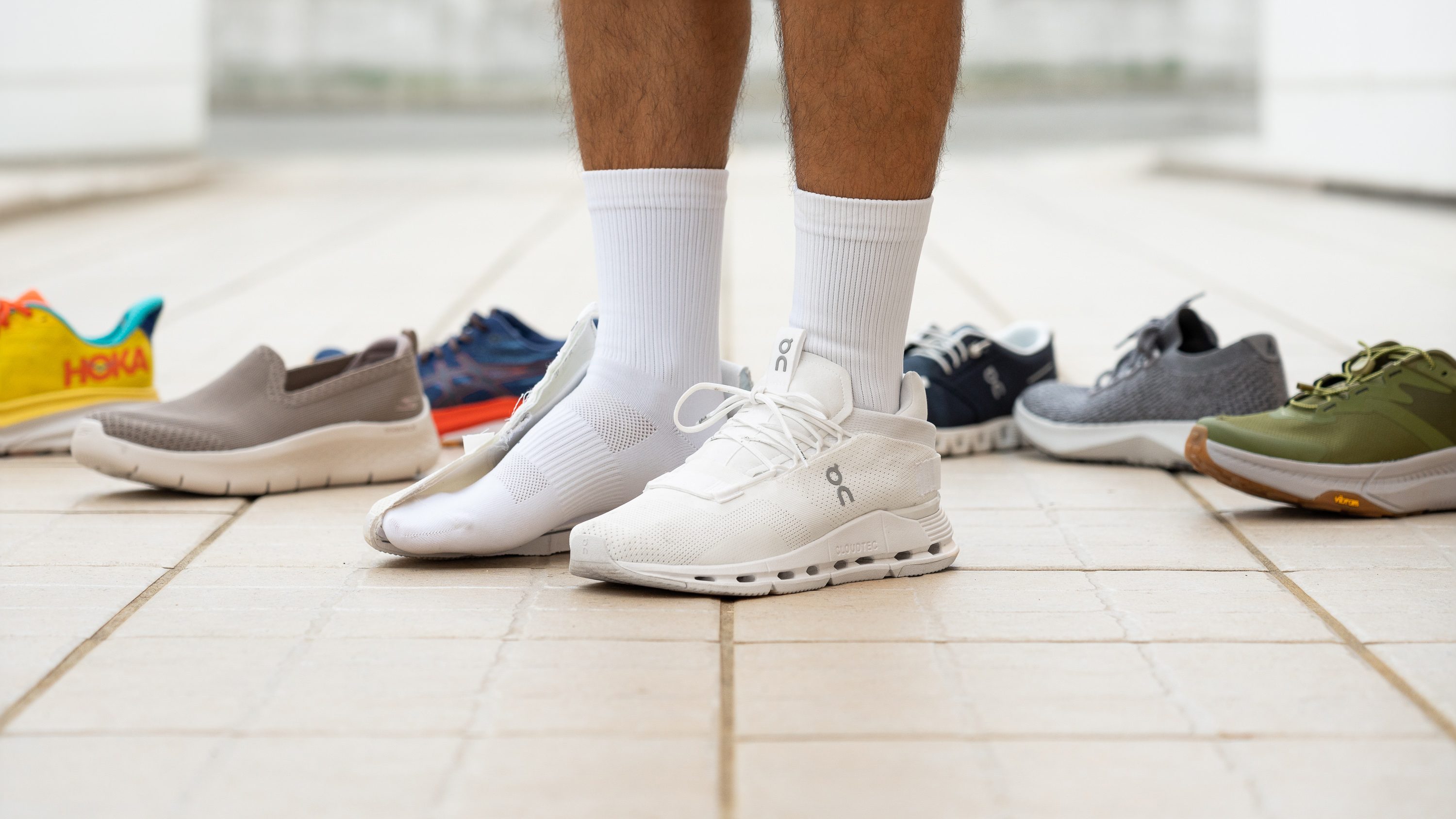
When we speak of comfort in footwear, we are referring to a complex interplay of biomechanics and material science. A truly comfortable walking shoe is engineered to work in harmony with the human gait cycle—the series of movements from heel strike to toe-off. According to research from institutions like the University of Virginia’s Motion Analysis and Motor Performance Laboratory, improper footwear can lead to altered gait patterns, increasing stress on joints from the ankles to the lower back. The cornerstone of comfort is often the midsole, typically made from materials like EVA (ethylene-vinyl acetate) or polyurethane, which provides cushioning and shock absorption. However, cushioning alone is insufficient. The insole or footbed must offer arch support tailored to your foot type—be it neutral, flat, or high-arched—to prevent overpronation or supination. The American Podiatric Medical Association emphasizes that proper arch support is critical in distributing pressure evenly across the foot. Furthermore, the heel counter, the firm cup at the back of the shoe, must be sturdy to stabilize the heel, preventing unwanted motion that can lead to strain. A well-constructed walking shoe considers all these elements, transforming a simple act of walking into an efficient, low-impact activity that preserves your body’s natural mechanics.
Material Matters: Breathability, Durability, and Sustainability
The materials enclosing your foot play a pivotal role in long-term comfort and the shoe’s lifespan. Upper materials range from traditional leather, known for its durability and ability to mold to the foot over time, to modern engineered meshes and knit fabrics. Brands like Allbirds have popularized the use of sustainable materials such as merino wool and eucalyptus tree fiber, which offer exceptional breathability and temperature regulation. Breathability is not a luxury; it is a necessity for foot health. As noted by dermatologists on platforms like Quora and health websites, a damp environment inside a shoe is a breeding ground for fungal infections like athlete’s foot. Therefore, a material that wicks moisture away is paramount for an everyday walking shoe. Durability is another key factor. The outsole, often made from carbon rubber or blown rubber, must offer a balance of flexibility for natural foot movement and resilience against wear. The concept of “value per wear” becomes relevant here: a slightly more expensive pair made with high-quality, durable materials may prove more economical over time than replacing cheaper, poorly constructed shoes frequently. This intersection of material science, podiatric health, and sustainable design defines the modern standard for everyday footwear.
The Style Equation: Where Aesthetics Meet Function
For decades, a false dichotomy existed between shoes that looked good and shoes that felt good. Today, that boundary has decisively blurred. The rise of “athleisure” and functional fashion, as chronicled by trend analysts from Vogue to Business of Fashion, demonstrates that consumers no longer wish to sacrifice style for comfort. The key is understanding the design principles that underpin both. A stylish walking shoe often employs clean lines, a balanced silhouette, and a considered color palette that can transition from a casual workplace to a weekend outing. Iconic designs, such as the classic white sneaker, have endured because their simplicity offers versatile styling potential. As fashion influencer and author Tan France often remarks, a neutral, well-proportioned shoe is a wardrobe staple that anchors countless outfits. However, style in footwear is also about intelligent design features. Reflective elements for evening safety, hidden elastic panels for a snug fit without laces, and color-blocking that visually minimizes or accentuates the foot are all examples of where aesthetics serve a purpose. The goal is to find footwear that you are eager to wear, that reflects your personal style, and that does not compel you to change shoes the moment you step off the pavement—a true fusion of form and function.
The Ergonomic Imperative: Learning from Expert Voices
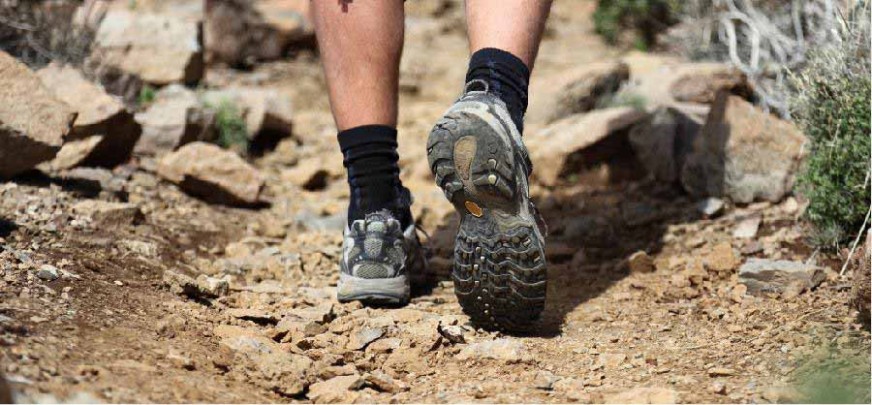
To ignore ergonomics is to invite discomfort. The science of designing products for efficient and comfortable human use is critical in footwear design. Dr. Casey Kerrigan, a former Harvard Medical School professor and founder of a footwear company, has published extensive research on how traditional high-heeled and stiff-soled shoes increase joint loading. Her work, cited in journals like The Journal of Orthopaedic Research, advocates for shoes that promote a more natural gait. This ergonomic imperative is echoed by countless physiotherapists on YouTube channels like “Bob & Brad,” who analyze popular shoe models for their therapeutic benefits. They frequently evaluate factors like heel-to-toe drop (the height difference between the heel and forefoot), toe box width, and overall flexibility. A shoe with a wide toe box, for instance, allows your toes to splay naturally upon impact, improving balance and reducing the risk of conditions like bunions. As noted on health resource sites like WebMD, cramped toes can lead to long-term deformities. Therefore, an ergonomically sound walking shoe is not an option but a requirement for preserving musculoskeletal health. It is an investment in your body’s future mobility, a fact supported by literature from authoritative universities focusing on sports medicine and biomechanics.
Making the Smart Choice: A Framework for Selection
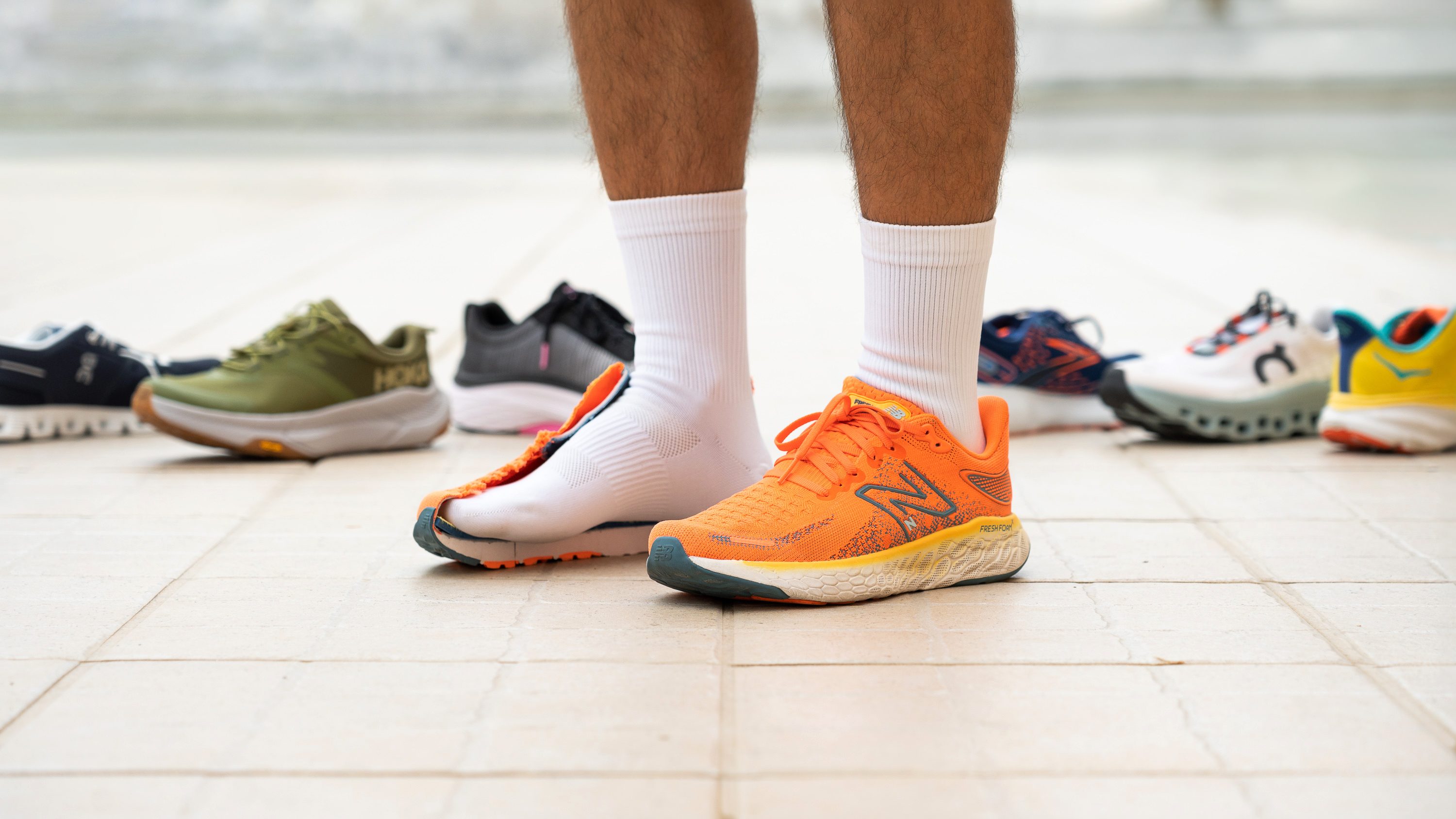
Armed with knowledge, how does one actually choose? The process begins with honest self-assessment. Consider your daily routine: Are you on hard floors for hours? Do you have a mix of walking and standing? Do you need a shoe that can handle a post-work walk in the park? Next, know your feet. The “wet test”—examining the imprint your wet foot leaves on a paper bag—can reveal your arch type. Many specialty running stores offer gait analysis, providing invaluable data on your pronation. When trying on shoes, do so in the afternoon when feet are naturally slightly swollen. There should be a thumb’s width of space between your longest toe and the end of the shoe. Walk around the store, on hard surfaces if possible, and pay attention to any points of pinch or slip. Remember the words of legendary runner and coach Bill Bowerman: “The real purpose of running isn’t to win a race; it’s to test the limits of the human heart.” While he spoke of running, the sentiment applies: your everyday shoe should empower your daily journey, not limit it. It should feel like a natural extension of your body, a tool that enables rather than hinders.
Investment and Value: Navigating Price and Quality
The price tag on a shoe is not always indicative of its quality as a walking shoe for your specific needs. High-end brands often invest heavily in research, development, and premium materials, which can justify a higher cost. Technologies like Adidas’s Boost cushioning or Brooks’s DNA Loft foam are the result of significant R&D and can offer tangible comfort benefits. However, excellent options exist at mid-range price points from brands like New Balance or Skechers, which also incorporate advanced ergonomic features. The key is to look for the hallmarks of quality we’ve discussed: a supportive midsole, a secure heel counter, breathable uppers, and flexible yet durable outsoles. Watch for sales from authorized retailers, end-of-season clearances, or discounts on previous models, which are often nearly identical to new releases. Subscribing to brand newsletters or following deal-focused accounts on Twitter can alert you to significant price reductions. Investing in quality footwear is investing in your health, but savvy shopping ensures you receive professional-grade support without undue financial strain. The value lies in the miles of comfort, the prevention of pain, and the confidence that comes with each step.

Your journey through life is taken one step at a time. The footwear you choose for that journey is a critical companion, influencing your physical health, your posture, and even your mood. By prioritizing the symbiotic relationship between scientifically-backed comfort and authentic personal style, you move beyond being a mere consumer to becoming a curator of your own well-being. Let this guide be the foundation upon which you build a more comfortable, stylish, and empowered stride, recognizing that the right walking shoe is not just an accessory, but a fundamental tool for everyday living.
