

The Walking Shoe: Your Ultimate Guide to Comfort and Style for Every Outfit
Forget the notion that practicality and fashion are sworn enemies. The modern walking shoe stands as a triumphant rebuttal to that outdated idea. This isn’t about sacrificing style for the sake of comfort on a long city stroll, nor is it about enduring blisters for a trendy look. Today, we are witnessing a convergence where biomechanical engineering meets contemporary design, creating footwear that performs seamlessly from morning errands to evening engagements. The right pair does more than just cover your feet; it becomes the foundational element of your daily mobility and confidence, influencing your posture, energy, and ultimately, how you present yourself to the world. This guide is dedicated to unraveling the science, the style, and the substance behind finding that perfect pair—the one that feels like an extension of yourself and complements every outfit in your wardrobe.
The Anatomy of Comfort: More Than Just a Soft Sole
To understand the modern walking shoe, we must first dissect its core mission: engineered comfort. This is not a subjective feeling but a quantifiable science rooted in podiatry and biomechanics. The key lies in the synergistic relationship between several components. The midsole, often made from advanced materials like EVA (ethylene-vinyl acetate) foam, polyurethane, or proprietary compounds like Brooks’ DNA LOFT or Nike’s React, is responsible for cushioning. Its purpose is to attenuate the ground reaction forces that travel up your skeleton with each step. As noted by researchers at the University of Virginia’s Department of Kinesiology, effective cushioning can reduce peak impact forces by up to 20%, significantly lowering stress on joints. However, cushioning alone is insufficient without stability. The shank or arch support system prevents overpronation (excessive inward roll) or supination (outward roll), aligning the foot’s natural gait cycle. The American Podiatric Medical Association (APMA) emphasizes that proper alignment is critical for preventing common ailments like plantar fasciitis and shin splints. Finally, the upper’s breathability and the outsole’s flexibility and traction complete the system. A 2021 review on footwear science published in the Journal of Foot and Ankle Research concluded that optimal shoe flexibility at the metatarsophalangeal joints (the ball of the foot) is essential for natural foot propulsion during the toe-off phase of walking. Therefore, a true comfort shoe is a holistic system, a testament to applied human physiology.
Style Synergy: Bridging the Gap Between Gym and Street
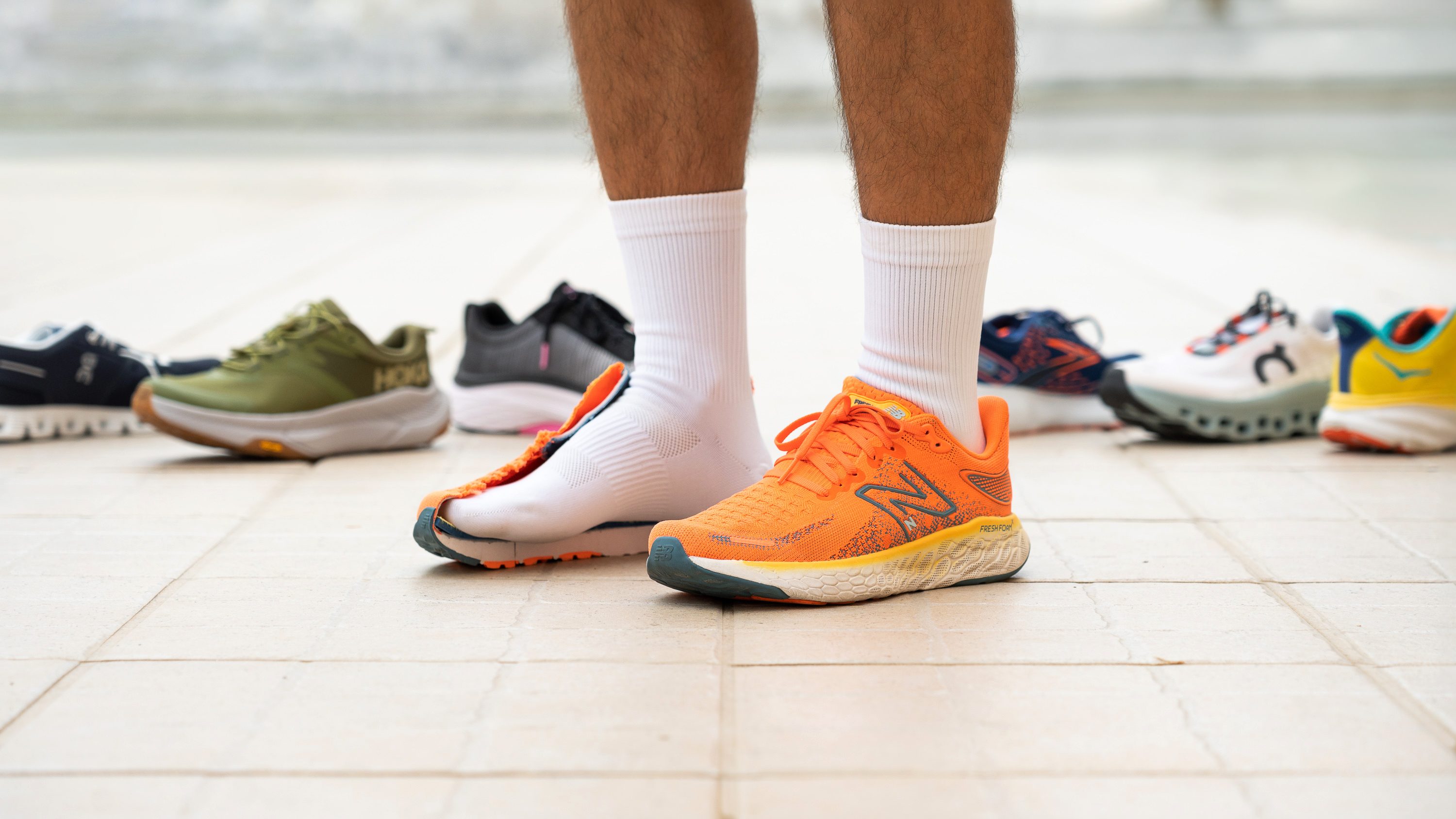
The seismic shift in footwear aesthetics over the last decade has been remarkable. The once rigid boundary between athletic wear and casual fashion has all but dissolved. This “athleisure” revolution, a term now firmly entrenched in the fashion lexicon, was prophetically highlighted by designer and style icon Virgil Abloh, who famously stated, “The next step in fashion is the idea of buying a shoe that you can wear with a suit or with sweatpants.” This philosophy is the beating heart of the contemporary walking shoe. We see it in the sleek, minimalist designs of brands like Cole Haan and Allbirds, which borrow performance technologies and repackage them with sophisticated silhouettes suitable for business-casual environments. The chunky, retro-inspired “dad shoe” trend, popularized by brands like Balenciaga and subsequently adopted by New Balance and Asics, further cemented the idea that comfort-focused shapes could be high-fashion statements. This style synergy empowers you. It means the shoe that provides ample arch support and cushioning for a day of museum-hopping can also be paired effortlessly with tailored trousers and a crisp shirt, or with jeans and a relaxed blazer. The versatility is not an accident; it’s a deliberate design principle that acknowledges our multifaceted lives. No longer are we required to pack multiple shoe changes; one intelligently designed pair can anchor diverse outfits, providing a consistent thread of comfort and modern style throughout the day.
Selecting Your Foundation: A Five-Point Fit Checklist
Finding your ideal pair is a personal journey, but it should be guided by empirical principles rather than whimsy. Let this five-point checklist be your roadmap.
1. The Activity-Specific Imperative
Your primary walking environment dictates the shoe’s necessary features. Are you primarily navigating urban concrete, which is unforgiving and requires superior shock absorption? Or are your walks on nature trails with uneven terrain, demanding aggressive outsole lugs and protective toe caps? A shoe designed for paved-road fitness walking, with its emphasis on heel-to-toe transition and lightweight construction, will differ vastly from a rugged hiking shoe. The Wikipedia entry on “Walking Shoes” categorizes them into several types, including fitness walkers, casual walkers, and trail walkers, each with distinct construction priorities. Investing in the correct category is the first and most critical step toward long-term satisfaction and foot health.
2. The Golden Hour Fitting
Feet swell throughout the day due to activity and gravity. Therefore, always shop for shoes in the late afternoon or evening when your feet are at their largest. Ensure there is a thumb’s width (about 1.3 cm) of space between your longest toe (which isn’t always the big toe) and the end of the shoe. Width is equally crucial; your foot should not spill over the midsole, nor should there be excessive gaping. Remember, a shoe that is too small or too narrow will not “break in” magically; it will break down your feet.
3. The Support & Flexibility Audit
Perform a simple hands-on test. Grab the heel counter—it should be firm and resistant to twisting, providing stable rearfoot control. Next, attempt to bend the shoe at the ball of the foot. It should flex easily, mirroring your foot’s natural motion. However, try to twist the midfoot; it should resist torsion, ensuring your arch is supported. This combination of targeted flexibility and rigidity is the hallmark of a well-engineered walking shoe.
4. The Material Mindfulness
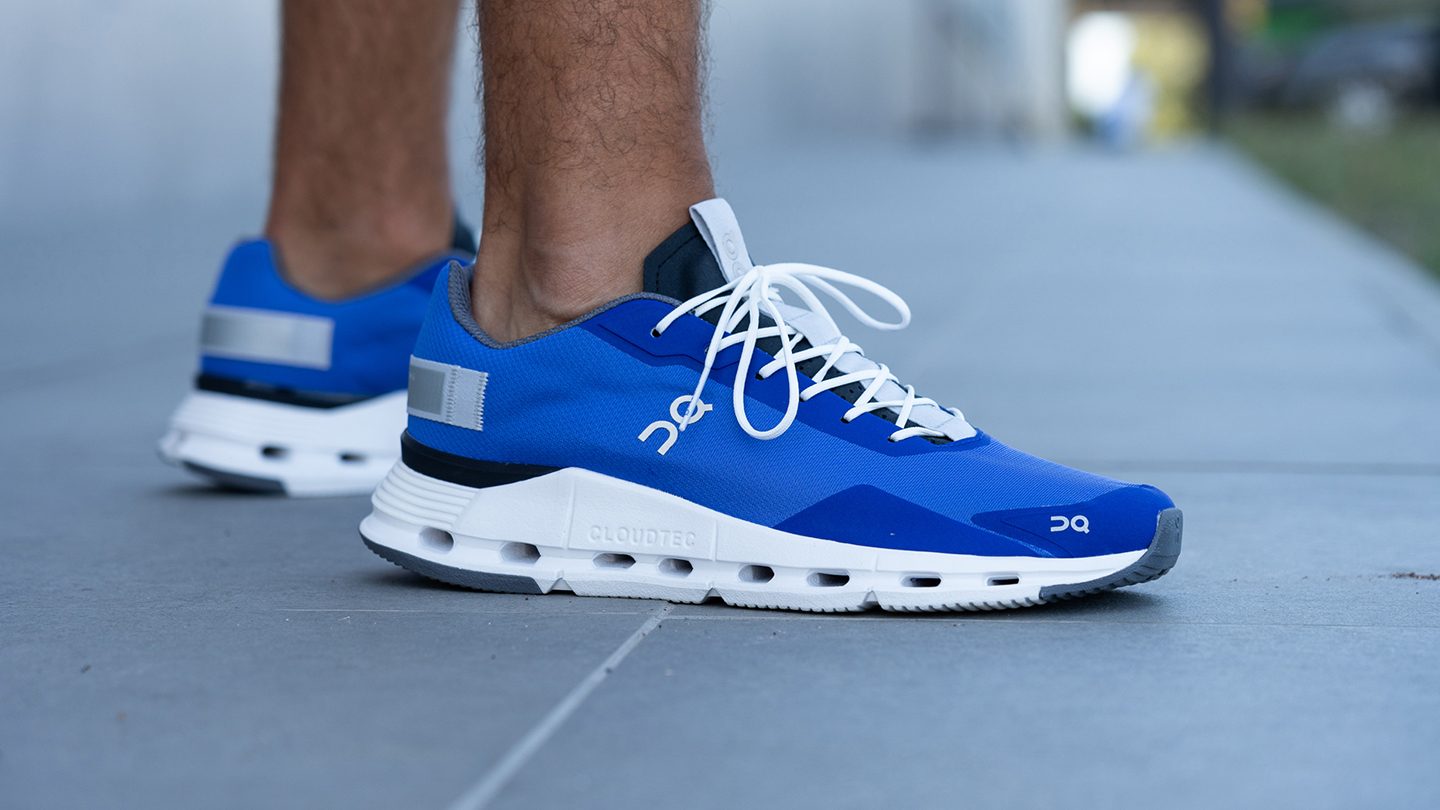
Breathable uppers made from engineered mesh or knit materials prevent moisture buildup, reducing the risk of blisters and fungal infections. For sustainability-minded individuals, materials like recycled polyester, organic cotton, or natural merino wool (as used by brands like Allbirds and Icebreaker) offer performance with a lower environmental footprint. The outsole rubber compound also matters; carbon rubber is durable for high-mileage road walkers, while sticky rubber compounds like Vibram Megagrip are essential for confident traction on wet or loose trails.
5. The Gait Analysis Advantage
For the serious walker or anyone with prior foot discomfort, a professional gait analysis is invaluable. Many specialty running stores offer this service. By observing your walking pattern on a treadmill, experts can identify your pronation type and recommend shoes with the appropriate level of stability or motion control. This objective data removes guesswork and can prevent injury, transforming your shoe purchase from a fashion choice into a health investment.
Investment and Value: Beyond the Price Tag
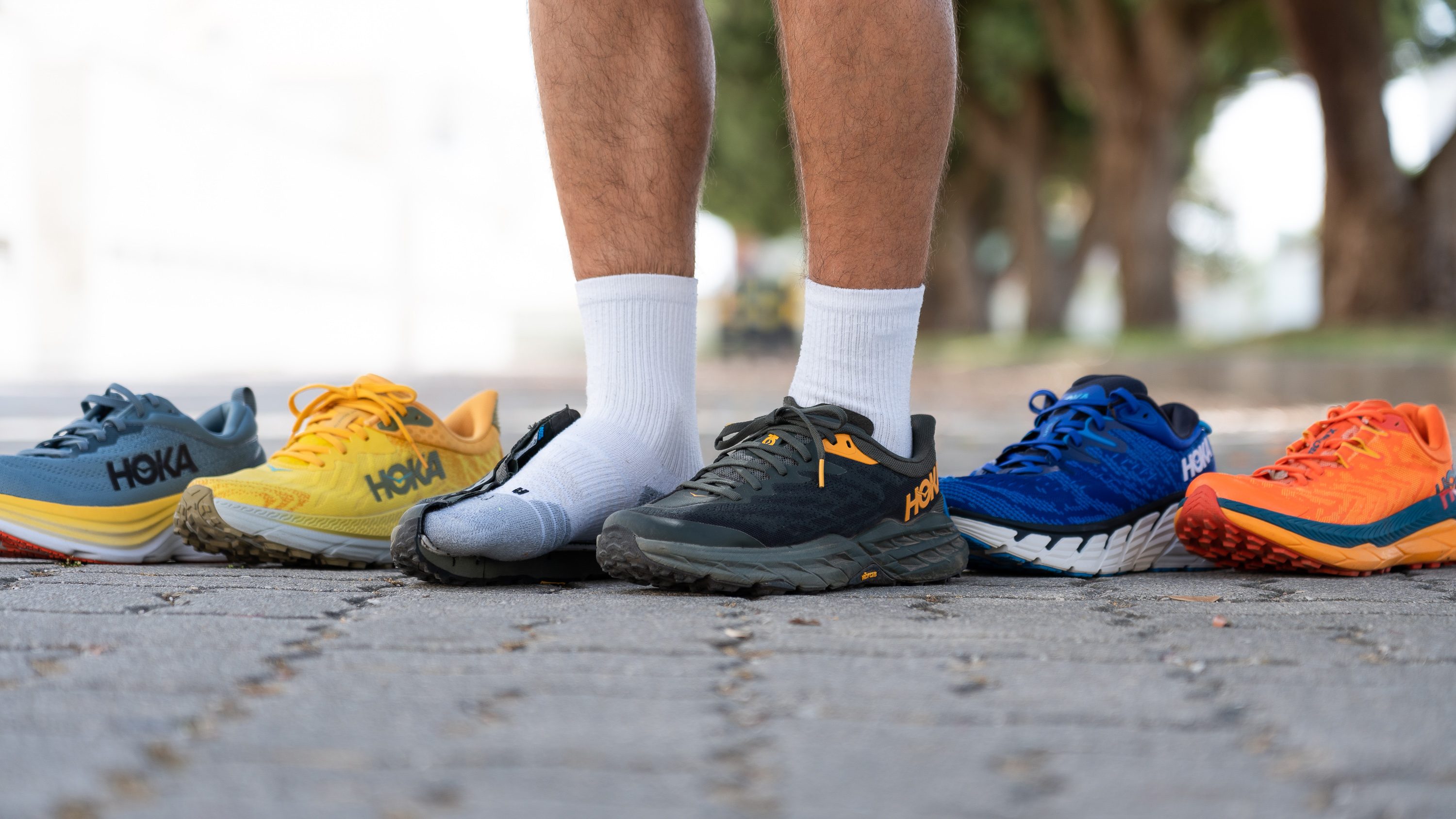
Viewing a quality walking shoe merely as a purchase is a mischaracterization; it is an investment in your long-term musculoskeletal health and daily well-being. While the initial cost of a technically advanced pair from brands like Hoka, Brooks, or On Running may be higher, the cost-per-wear metric tells the true story. A $150 shoe worn nearly every day for a year (a typical lifespan for 300-500 miles of walking) costs about $0.30 per day. Compare this to cheaper, poorly constructed shoes that may cause discomfort, necessitate frequent replacement, or even lead to medical bills for foot, knee, or back issues. The value proposition becomes clear. Furthermore, the market is replete with opportunities for savvy shoppers. End-of-season sales, outlet stores, and reputable online retailers often offer previous models—which are still technologically excellent—at discounts of 30-50%. Subscribing to brand newsletters or following certified shoe fitters on platforms like YouTube can alert you to these flash sales. As noted by physical therapist and popular YouTube fitness expert Dr. Brian Sutterer, “Don’t be afraid to invest in the right tool for the job. Your body will thank you in mileage, not just in money saved.”
The Final Step: A Seamless Integration into Your Life
The ultimate success of a walking shoe is measured by its silent efficiency. When you no longer think about your feet, when they carry you through your day without complaint or conscious effort, and when you can look down and feel a sense of cohesive style rather than a compromise, you have found your match. This is the new standard. It’s a standard that rejects the false choice between comfort and aesthetics, instead demanding—and delivering—both. It empowers you to move through your world with greater ease, resilience, and confidence. Let your shoes be the reliable, stylish foundation upon which your daily adventures are built, proving that the best footwear isn’t just worn—it’s experienced.
