

The Ultimate Guide to Vionic Walking Shoes
For anyone who spends a significant portion of their day on their feet, the quest for the perfect walking shoe is more than a shopping trip—it’s a pursuit of comfort and long-term wellness. The wrong footwear can lead to a cascade of issues, from immediate discomfort to chronic pain in the feet, knees, hips, and back. This is where the science of biomechanics meets everyday footwear, and few brands have staked their reputation on this intersection as definitively as Vionic. This guide delves deep into the world of Vionic walking shoes, moving beyond marketing claims to examine the principles, technology, and real-world impact that define them. We’ll explore why these shoes are frequently recommended by podiatrists, analyze their core technologies with scientific objectivity, and provide you with the knowledge to determine if they are the right foundation for your stride.
The Foundation: Biomechanics and Podiatric Science
To understand the value proposition of any specialized footwear, one must first grasp the concept of biomechanics—the study of the structure and function of biological systems through the methods of mechanics. In podiatry, this translates to understanding how the foot interacts with the ground during gait (walking). A neutral gait efficiently absorbs shock and propels the body forward. However, many individuals experience overpronation (the foot rolls inward excessively) or supination (the foot rolls outward), leading to improper weight distribution. As Dr. Andrew Shapiro, a spokesperson for the American Podiatric Medical Association (APMA), has noted, “Supportive footwear is often the first line of defense against common ailments like plantar fasciitis, which is frequently linked to poor arch support.” The APMA itself awards its Seal of Acceptance to products that contribute positively to foot health, a seal held by numerous Vionic styles. This endorsement isn’t given lightly; it’s based on a review of scientific data and design. The core mission of a Vionic walking shoe, therefore, is to guide the foot into a more neutral position, thereby aligning the ankle, knee, and hip joints. This isn’t merely about cushioning; it’s about providing dynamic support that works with the body’s natural mechanics, a principle supported by literature from authoritative institutions like the Harvard Medical School publications on preventing foot pain.
Deconstructing the Vionic Technology: Orthaheel® and Beyond
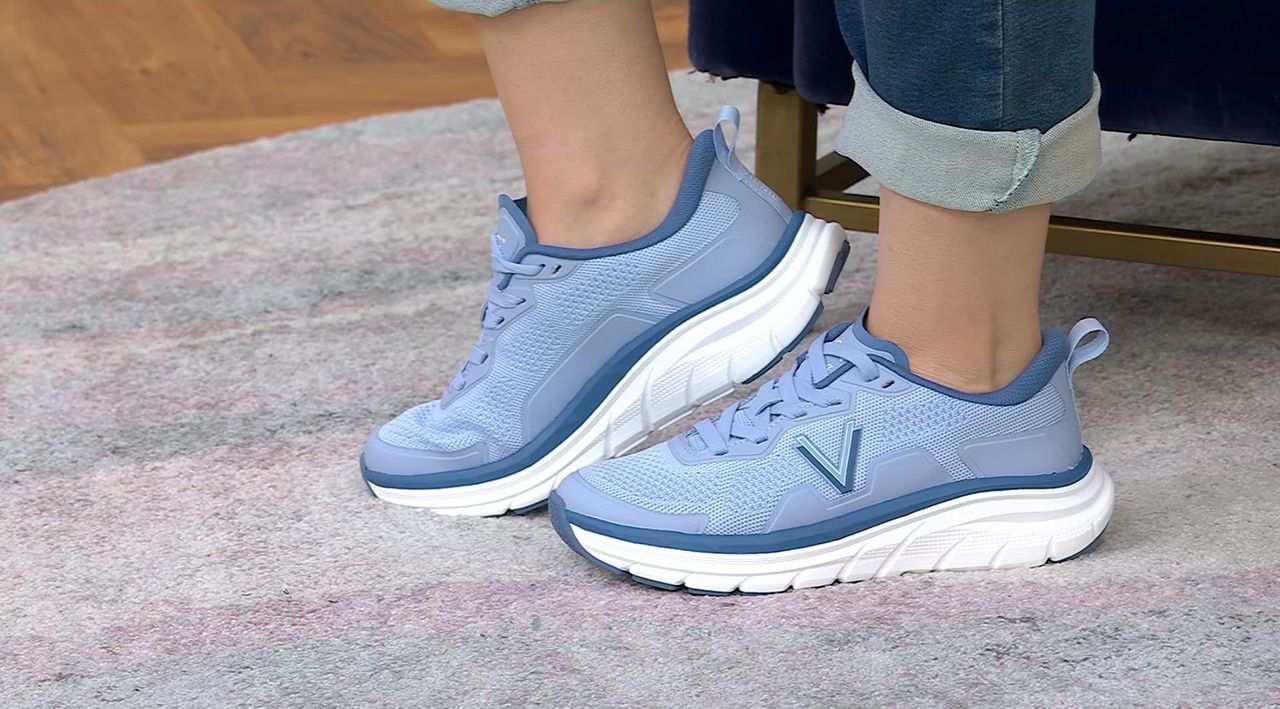
At the heart of every Vionic shoe lies its proprietary Orthaheel® technology. This is not a single material but a biomechanically designed footbed that incorporates a deep heel cup, a firm arch support, and a forefoot ramp. The deep heel cup stabilizes the rearfoot, minimizing excessive movement that can strain the plantar fascia ligament. The firm arch support is crucial; it prevents the arch from collapsing during weight-bearing, which is a primary cause of overpronation. Unlike memory foam that simply molds to an existing (potentially problematic) foot shape, this support is designed to correct alignment. The forefoot ramp promotes a natural toe-off, making each step more efficient. This tri-planar motion control is what sets therapeutic footwear apart. Furthermore, Vionic incorporates other high-performance features: durable rubber outsoles for traction, breathable linings to manage moisture, and responsive midsole foams for shock absorption. When you examine a Vionic walking shoe, you’re looking at a system engineered to function cohesively. As noted in resources like Wikipedia’s entry on orthotics, the use of such devices is a well-established conservative treatment for musculoskeletal issues. Vionic essentially builds a sophisticated, wearable orthotic into its shoes, making advanced biomechanical support accessible in a stylish, ready-to-wear package.

The Walking Shoe Spectrum: From Max Cushioning to Stylish Striders
Vionic’s walking line caters to diverse needs and preferences, ensuring there’s a tool for every task. On one end, you have models like the “Walk Max,” which lives up to its name with maximum cushioning, plush collars, and reinforced stability features. These are ideal for long-distance walkers, individuals with higher body weight, or those recovering from foot conditions who need exceptional shock absorption. In the middle of the spectrum are versatile all-day walkers, often featuring sleek athletic-inspired designs that seamlessly transition from a morning walk to running errands. Then there are the “Strider” series and chic sneaker hybrids, which prioritize a lighter weight and contemporary aesthetics while retaining the essential Orthaheel® support. The choice depends on your activity level and style. A registered nurse pulling a 12-hour shift might gravitate towards the plush, supportive embrace of a max-cushion model, while a fashion-conscious urban dweller who walks miles daily might choose a sleeker, low-profile Vionic walking shoe that doesn’t sacrifice style for comfort. The common thread is the embedded biomechanical technology. Reviews on platforms like YouTube from certified fitness trainers and everyday users consistently highlight this range, noting that the support remains constant whether the shoe looks like a robust athletic trainer or a casual sneaker.

Beyond Anecdotes: Weighing the Evidence and Considerations
While testimonials are powerful, a critical guide must also present a balanced view. The primary consideration for any new wearer is the adaptation period. Because Vionic walking shoes actively work to correct foot posture, muscles and ligaments that may have been underused or strained are being engaged correctly. This can lead to a period of adjustment, often cited as a few days to a week, where the foot acclimates to the new support system. It’s a sign the technology is working, but it’s a vital point of user education. Secondly, while the APMA Seal is a significant credential, it’s always advisable to consult with a podiatrist for persistent, severe pain, as custom orthotics may still be necessary for specific conditions. Thirdly, from a design perspective, while Vionic has made tremendous strides in style, some users accustomed to ultra-minimalist footwear might find the structured feel pronounced initially. However, when weighed against the potential long-term benefits of improved alignment and reduced pain—a viewpoint echoed in health forums like Quora and discussions referencing literature from institutions like the University of Pittsburgh Medical Center on foot health—this structured support is the defining feature, not a flaw. It represents a proactive investment in musculoskeletal health.
Making an Informed Decision: Fit, Value, and Where to Buy
Purchasing a pair of Vionics is an investment in your well-being, and like any investment, it requires due diligence. First, fit is paramount. Vionic recommends ordering your true size, as the shoes are engineered with precise dimensions to function correctly. Many online retailers and Vionic’s own website offer detailed sizing guides and hassle-free return policies, which are crucial for first-time buyers. Now, let’s talk value. The retail price for a quality pair of Vionic walking shoes typically ranges from $120 to $160, reflecting the research, technology, and materials involved. However, savvy shoppers can frequently find discounted prices. Official sales occur during major holidays, seasonal transitions, and on the brand’s own website’s clearance section. Authorized retailers like Zappos, Nordstrom Rack, and DSW also run promotions. Subscribing to newsletters or following Vionic on social media can alert you to flash sales. Remember, the true cost of footwear isn’t just the price tag; it’s the potential cost of discomfort, pain, and medical bills down the line. A shoe that promotes proper alignment can be a preventative health measure, offering value that far exceeds its initial cost.
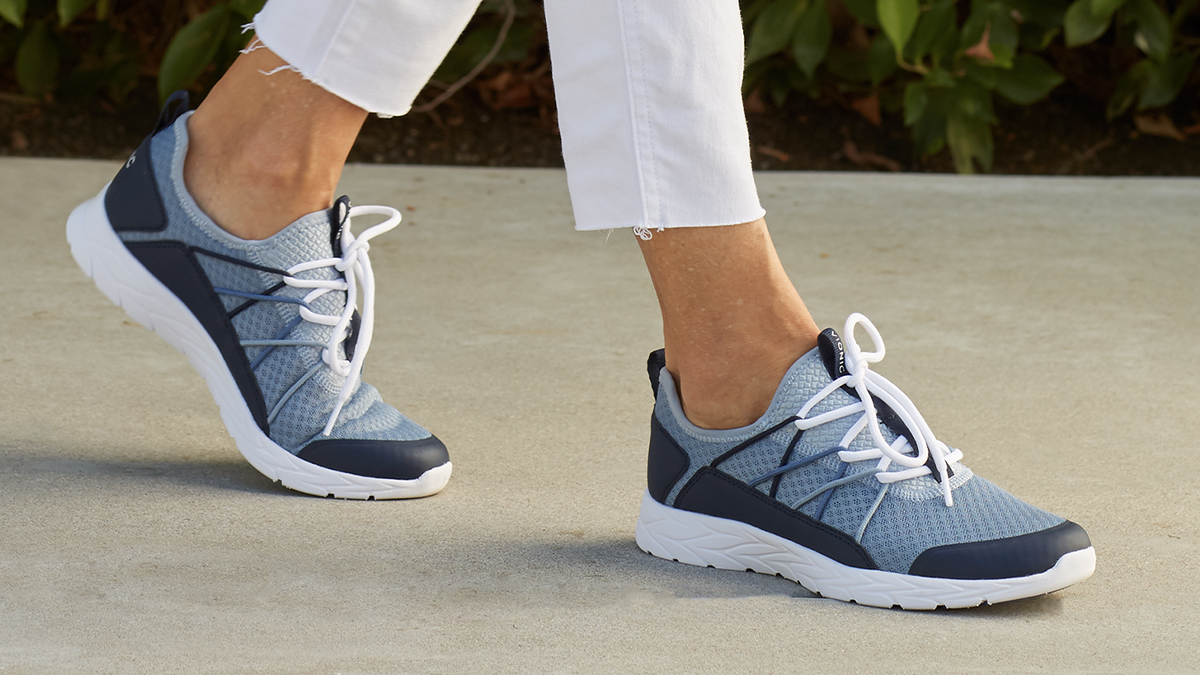
Your feet are your foundation, supporting you through every step of your life’s journey. Choosing footwear that honors that role is a decision that resonates through your entire body. Vionic has positioned itself not merely as a shoe company, but as a proponent of biomechanically-sound wellness, embedding podiatric science into wearable form. From their APMA-recognized Orthaheel® technology to their spectrum of styles catering to different needs, they offer a compelling solution for those seeking relief and proactive support. The journey to comfortable walking begins with understanding your own feet and equipping them with the tool they need to function optimally. For countless individuals, that tool has been a deliberately engineered, thoughtfully designed pair of walking shoes built on the principle that great support should be the standard, not the exception.
