

The Ultimate Guide to Tennis Shoes for Walking
You might be wondering why a guide dedicated to tennis shoes for walking even exists. After all, aren’t they just athletic shoes? The truth is, the choice of footwear for your daily strides is a critical decision that impacts everything from your joint health to your walking enjoyment. This guide isn’t about following a trend; it’s about understanding the biomechanics of walking and how the right shoe can transform a mundane activity into a foundation for lifelong wellness. We will dissect the science, debunk myths, and provide you with the knowledge to select the perfect pair that bridges the gap between court-ready support and pavement-friendly comfort, all while keeping an eye on value.

The Biomechanical Bridge: Why Tennis Shoes Can Work for Walkers
The fundamental argument for considering tennis shoes for walking lies in their design philosophy. Tennis is a multi-directional sport involving lateral cuts, quick stops, and forward sprints. As noted by biomechanics researchers at institutions like the University of Calgary, this demands a shoe with exceptional medial-lateral (side-to-side) stability, a reinforced upper to contain the foot during rapid changes of direction, and a durable outsole for traction on court surfaces. Now, translate this to walking. While walking is primarily a sagittal plane (forward-backward) motion, urban environments present curbs, uneven sidewalks, and sudden turns. A shoe with inherent lateral stability, like many tennis models, provides a protective buffer against ankle rolls during these everyday micro-adjustments. Furthermore, the cushioning systems in performance tennis shoes are engineered to absorb impact from constant jumping and pounding—a feature that directly benefits the heel-strike impact of a walking gait. The key distinction, which we will explore, is that not all tennis shoes are created equal for walking purposes; the ideal pair must moderate the aggressive court-specific features to suit the repetitive, linear motion of a walk.
Deconstructing the Shoe: Cushioning, Stability, and Flexibility
Let’s move beyond marketing terms and into the tangible components. First, cushioning. In running shoes, cushioning is often maximized for heel-to-toe impact. In tennis shoes, cushioning is more balanced, protecting the forefoot during toe-off pushes and the heel during serves. For a walker, this balanced cushioning can be advantageous, especially if your route includes varied terrain. A study cited in the Journal of Foot and Ankle Research emphasizes that excessive cushioning can destabilize some walkers, whereas moderate, responsive cushioning—common in tennis shoes—promotes better proprioception (awareness of foot position). Second, stability. The “counter” in a tennis shoe—the firm cup around the heel—is typically robust. As podiatrist Dr. Emily Splichal, a frequent contributor to health forums, states, “A secure heel counter is the cornerstone of preventing excessive pronation or supination, not just in sports but in daily ambulation.” This built-in support is a pre-emptive strike against overuse injuries. Third, flexibility. This is where careful selection is paramount. A stiff, herringbone-patterned tennis outsole designed for clay courts will hinder the natural foot flexion needed for walking. The ideal tennis shoes for walking will feature a flex groove pattern that allows the shoe to bend at the metatarsophalangeal joints (the ball of the foot), mirroring the natural gait cycle.
:max_bytes(150000):strip_icc()/vwt-walking-shoes-test-ryka-devotion-x-sahara-borja-02-18807b688fbb49e4ba30a3ee438600cb.jpeg)
The Selection Algorithm: Finding Your Perfect Pair
Armed with biomechanical knowledge, your personal selection becomes a targeted mission. Start with your foot type. The classic “wet test” (stepping on a paper bag to see your arch imprint) remains a valid, low-tech starting point. Low arches (flat feet) often benefit from the structured support of a motion-control or stability tennis shoe. Neutral to high arches may find a cushioned, neutral tennis model more comfortable. Next, consider the primary walking surface. Are you primarily on asphalt, treadmill, or park trails? A durable, non-marking rubber outsole with a versatile tread pattern is ideal for mixed surfaces. The upper material is crucial for breathability; mesh panels are superior for long walks to prevent moisture buildup. Don’t forget weight. While tennis shoes aren’t typically ultra-light like some running shoes, a heavier shoe can increase leg fatigue over miles. Aim for a model that feels secure but not burdensome. Finally, and this is non-negotiable: fit. Your walking shoe should have about a thumbnail’s width of space between your longest toe and the end of the shoe, with a snug but not tight fit through the midfoot and heel. Remember, the goal is to find a harmonious pair of tennis shoes for walking that feels like an extension of your body, not a piece of equipment.
Expert Voices and Enduring Wisdom
It’s one thing to read a guide; it’s another to hear from those who have dedicated their lives to movement. The legendary tennis coach and commentator, Brad Gilbert, once opined on the importance of footwear, saying, “You can have the best strokes in the world, but if your feet are screaming, you’re not winning anything. The right shoe is your first and most loyal partner.” While he spoke of tennis, the sentiment is universal. Similarly, in the bestselling book Born to Run by Christopher McDougall, while focused on minimalist running, a core theme is the relationship between foot health and footwear choice, urging readers to be intentional about what they put on their feet. From the academic side, the Spaulding National Running Center at Harvard Medical School consistently publishes research on how shoe design influences gait mechanics and injury prevention, principles that apply directly to walkers seeking performance-oriented comfort. These perspectives converge on a simple truth: intentionality in shoe choice is a form of self-care.

Maximizing Value: Performance Meets Practicality
Investing in quality footwear is an investment in your health, but “quality” doesn’t have to mean “prohibitively expensive.” The beauty of opting for tennis shoes for walking is that they often occupy a sweet spot in the market. They are built with performance-grade materials for durability that surpasses many casual walking shoes, meaning they last longer, providing a better cost-per-wear ratio. To maximize value, consider previous-season models. Brands frequently update colorways and minor features, but the core technology—the cushioning foam, stability chassis, and outsole rubber—often remains unchanged for years. A model from last season can frequently be found at a 30-50% discount. Furthermore, reputable online retailers and outlet stores are excellent sources. Pay attention to materials: a full-grain leather or reinforced synthetic upper will outlast cheaper materials. The initial outlay for a well-constructed pair from brands like Asics, New Balance, or K-Swiss, known for their tennis heritage, may be higher, but the extended lifespan and superior support justify the cost, effectively bringing professional-grade knowledge and a discounted price point to your doorstep.
Your Stride, Reimagined
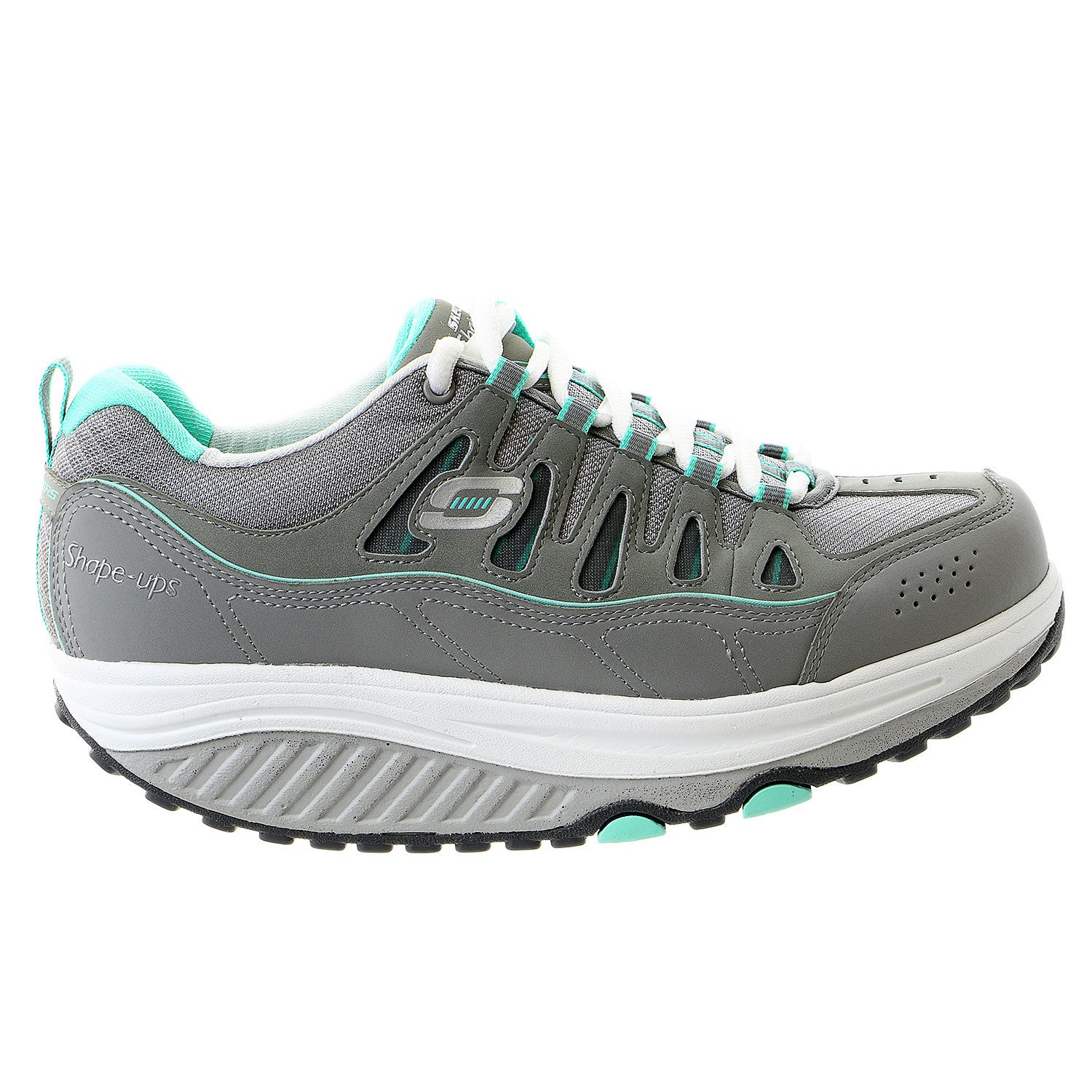
The journey to finding the ideal footwear is a personal one, a fusion of science, personal physiology, and practical life. This guide has laid out the case for the specialized yet versatile category of tennis shoes for walking, not as a mere substitute, but as a considered choice for those who value stability, durability, and intelligent design in their daily movement. By understanding the why behind the design and applying a discerning eye to your own needs, you step beyond simply buying shoes. You are curating a tool for wellness, enabling every walk—whether a brisk morning commute or a leisurely weekend exploration—to be undertaken with confidence, comfort, and the quiet assurance that your foundation is solid. The path forward is clear; it’s time to take the first step on it with intention.
