

The Best Tennis Shoes for Everyday Walking Comfort
When we think of walking shoes, specialized designs often come to mind. Yet, a surprising number of individuals are discovering that a well-chosen pair of tennis shoes for walking offers an unparalleled blend of support, cushioning, and versatility for daily ambulation. This isn’t about repurposing worn-out athletic gear; it’s about recognizing the engineered benefits of tennis footwear and applying them to the biomechanics of walking. The right pair can transform your daily step count from a chore into a sustained pleasure, merging athletic performance with all-day comfort.
The Unseen Engineering: Why Tennis Shoes Work for Walking
The foundation of this suitability lies in the core design philosophy of tennis shoes. Unlike running shoes, which are engineered for forward motion on predictable surfaces, tennis demands multi-directional movement—quick lateral cuts, sudden stops, and explosive forward bursts. This necessitates a shoe built for stability. As noted in biomechanics literature from institutions like the University of Calgary’s Human Performance Laboratory, excessive foot pronation (inward rolling) is a common issue during weight-bearing activities. Tennis shoes combat this through features like reinforced medial posts and wider outsoles, providing a stable platform that is equally beneficial for the repetitive heel-to-toe rolling motion of walking. Furthermore, the cushioning systems in models from brands like ASICS or New Balance, often utilizing gel or specialized foam compounds, are designed to absorb impact from various angles, not just vertical force. This translates to exceptional shock dissipation with every step you take on concrete, asphalt, or indoor flooring. The outsole rubber, typically durable and patterned for court traction, also offers reliable grip on everyday urban surfaces. Therefore, selecting tennis shoes for walking is not a compromise; it’s a strategic choice leveraging footwear designed for complex, high-stress movements.
Anatomy of Comfort: Key Features to Prioritize
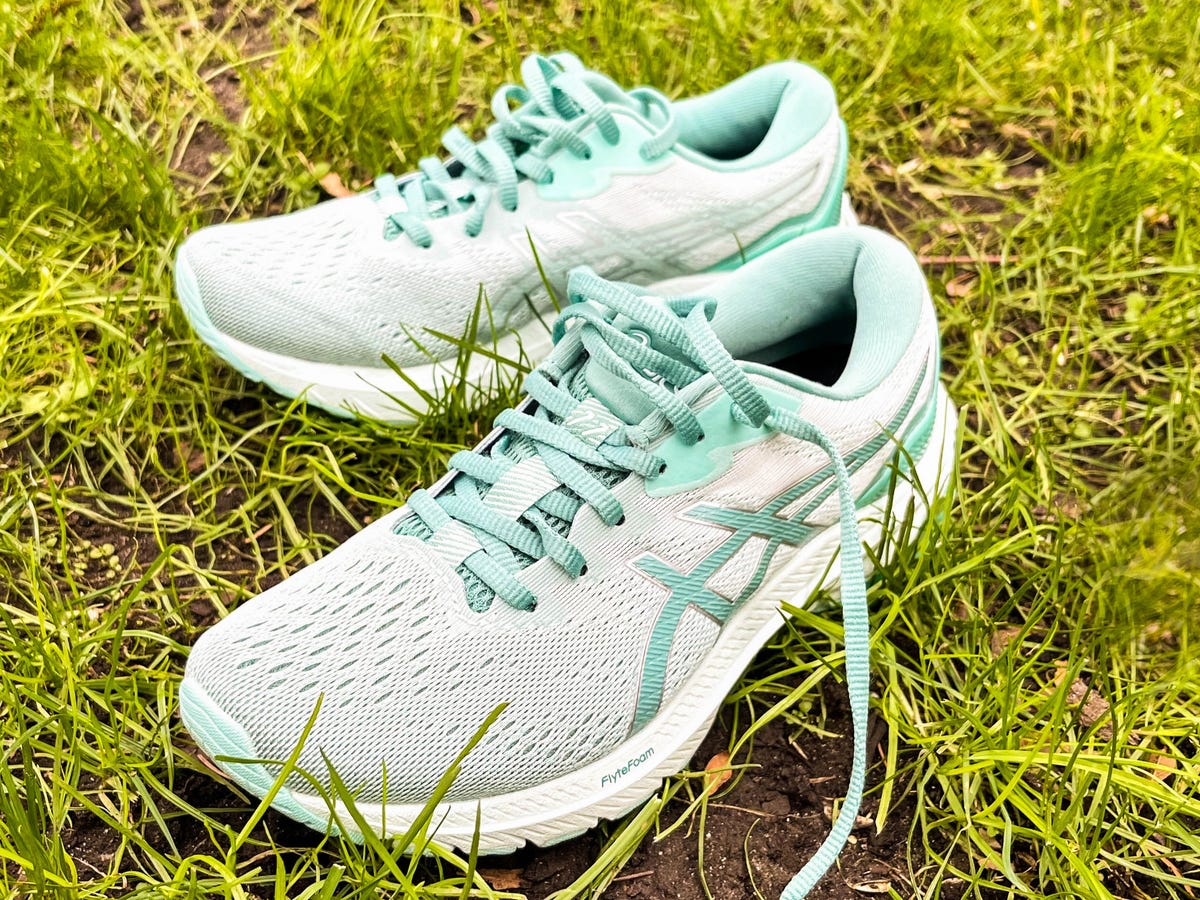
To make an informed choice, you must become a discerning examiner of shoe anatomy. First, focus on the midsole. This is the engine of comfort. Technologies like Adidas’s Boost, Nike’s React, or ASICS’s GEL are not mere marketing terms; they are polymer-based systems that provide responsive cushioning. As Dr. Casey Kerrigan, a former Harvard Medical School professor and gait analysis expert, has often highlighted in interviews, the goal of athletic cushioning is to reduce the peak loading forces on joints. A quality midsole in a tennis shoe does precisely that for a walker. Second, examine the heel counter. This is the firm cup at the back of the shoe. A rigid, well-padded heel counter locks your foot in place, preventing slippage and ensuring your heel strike is stable and secure—a non-negotiable feature for both tennis and walking. Third, consider the upper material. Modern tennis shoes often use engineered mesh, which provides breathability to keep your feet cool during extended periods of wear, a feature sometimes overlooked in traditional walking shoes. When these elements converge, you have a shoe that actively supports your foot’s natural gait cycle.
Beyond the Hype: Endorsements and Real-World Validation
The practicality of using tennis shoes for daily walking finds validation beyond lab specs. On platforms like Quora and Reddit’s r/walking, countless users share testimonials about switching to tennis or “court” shoes for their walking routines, citing improved arch support and reduced knee pain. Celebrity fitness trainers on YouTube, such as Holly Perkins, have been known to recommend stable cross-trainers (which share DNA with tennis shoes) for clients whose workouts include power walking. Even in popular culture, the versatility is hinted at. In the book Born to Run, while focusing on minimalist running, author Christopher McDougall spends considerable time discussing the importance of natural foot movement and proper support—principles that a well-designed tennis shoe upholds by allowing foot function while providing essential structure. This grassroots and expert-approved consensus underscores a simple truth: the best tool for the job is the one that works for your body. For many, that tool is a versatile pair of tennis shoes for walking.
Making the Smart Choice: A Buyer’s Perspective
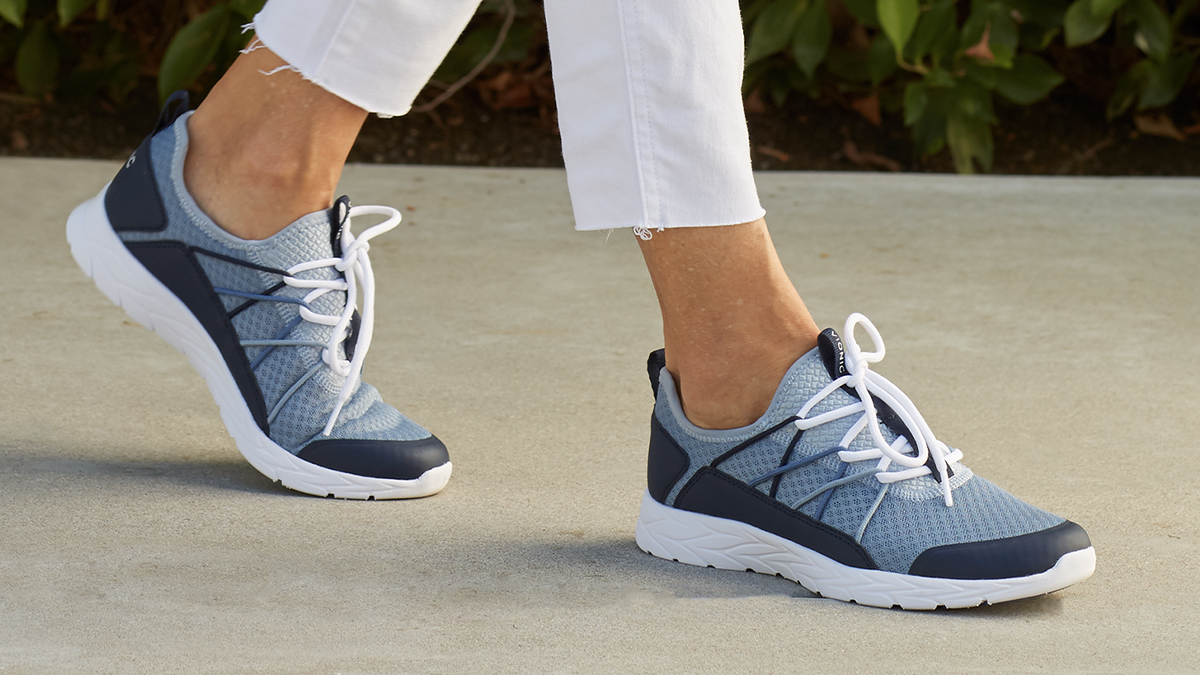
You stand in the store or browse online, confronted with endless options. How do you navigate this? Start by forgetting fashion-first models. Look for shoes categorized as “stability” or “performance” tennis or court shoes. Brands like K-Swiss, Saucony, and Mizuno have dedicated lines. Your fit is paramount. There should be a thumb’s width of space between your longest toe and the shoe’s end. The shoe should feel snug but not tight, with no pinching at the sides. Lace them up fully and walk around. Pay attention to the arch—it should feel supported, not pressured. Feel for the heel lockdown; your foot should not slide up and down. Remember, the most expensive model isn’t necessarily the best for you. Sometimes, a previous season’s model offers identical technology at a significantly discounted price. Retailers often clear out inventory when new colorways are released, allowing savvy shoppers to acquire premium tennis shoes for walking at a fraction of the original cost. This is where professional knowledge pays off: understanding the technology allows you to identify value in older models.
The Long Walk: Durability and Value Over Time
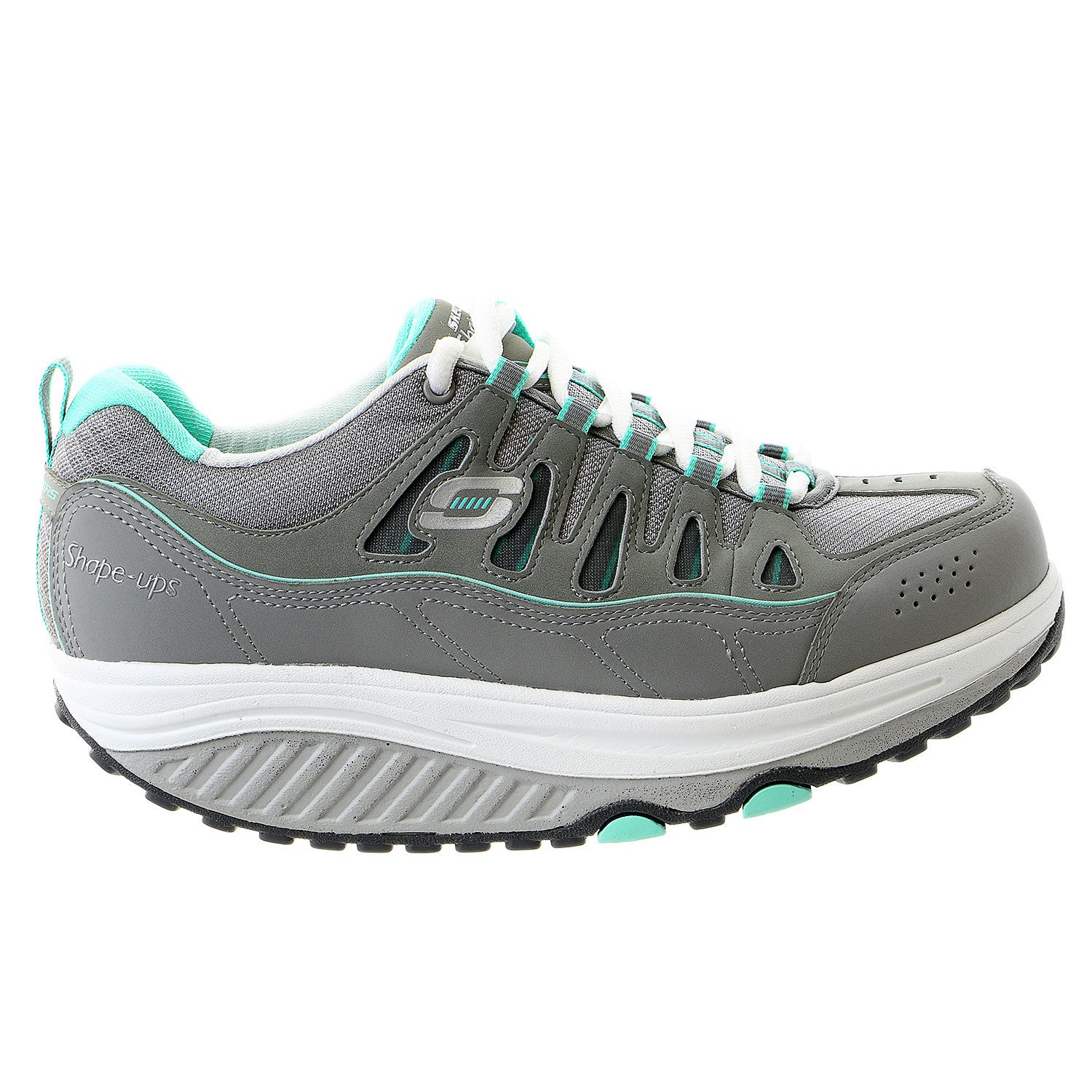
Investment in a quality pair is justified by their longevity. The very materials that make tennis shoes durable for abrasive court surfaces—tough rubber outsoles, reinforced toe guards, robust stitching—directly translate to extended lifespan on pavement. While a typical running shoe might be recommended for replacement every 300-500 miles, a tennis shoe’s sturdier construction can often exceed that for walking, where the forces are less intense. This durability represents significant value. Consider the cost-per-wear metric. A $120 pair of tennis shoes that lasts for 600 miles of walking is a better investment than a $80 pair that breaks down after 300 miles. Furthermore, maintaining them is simple: regular cleaning with a soft brush and mild soap, air drying away from direct heat, and rotating with a second pair to allow the midsole foam to fully rebound. This care extends their functional life, ensuring your commitment to comfort is a long-term one.
A Step in the Right Direction
The quest for everyday walking comfort need not lead to a narrow aisle of specialized footwear. By understanding the biomechanical synergy between a tennis shoe’s design and a walker’s needs, a world of superior options opens up. The evidence, from scientific principles of stability and cushioning to the lived experiences of countless walkers and the tacit endorsements from fitness professionals, points to a clear conclusion. A purposefully selected pair of tennis shoes for walking delivers a unique synthesis of resilience, support, and adaptability. It is a choice that honors the complexity of the human foot and the simple, profound act of putting one foot in front of the other, in comfort, every single day.

