

The Best Tennis Shoes for All-Day Walking Comfort
When you think of a shoe that can seamlessly transition from a brisk morning walk to a full day of errands and standing, the classic tennis shoe often comes to mind. But not all tennis shoes are created equal for the specific, sustained demands of walking. The quest for the perfect pair of tennis shoes for walking is not about fashion alone; it’s a pursuit grounded in biomechanics, material science, and ergonomic design. This article delves into the anatomy of the ideal walking companion, moving beyond marketing hype to provide you with objective, science-backed criteria for selection. We will explore how key features in a shoe’s construction directly impact comfort, support, and longevity during all-day wear, empowering you to make an informed investment in your foot health and daily well-being.
The Foundation: Understanding Foot Biomechanics and Shoe Design
To appreciate what makes an exceptional walking shoe, one must first understand the basic mechanics of the human gait cycle. According to research from institutions like the University of Delaware’s Biomechanics and Movement Science program, the walking gait involves a complex sequence of heel strike, midfoot stance, and toe-off. Each phase places distinct pressures on the foot and requires specific support from footwear. A shoe designed for lateral movement on a tennis court, for instance, prioritizes different stabilizers than one meant for linear, repetitive motion. The ideal tennis shoes for walking must therefore master a delicate balance: providing ample cushioning to absorb the repeated impact of heel strike (which can be 1.5 times your body weight), while also offering sufficient flexibility at the forefoot to facilitate a smooth toe-off. This is where midsole technology becomes paramount. Materials like ethylene-vinyl acetate (EVA) and polyurethane (PU) offer different densities and durability, with newer innovations like thermoplastic polyurethane (TPU) foam, as popularized by brands like Adidas with Boost, providing superior energy return. The goal is not simply a soft landing, but a responsive one that propels you forward with less muscular effort, reducing fatigue over miles and hours.
:max_bytes(150000):strip_icc()/Web_1500-vwt-primary-best-overall-shoe-tstaples-118-671f4e0048e64d14a1c42e4f8d9e6658.jpg)
Arch Support and Stability: Non-Negotiable Elements
Perhaps the most critical element separating a good walking shoe from a great one is its approach to arch support and overall stability. The arch of the foot acts as a natural shock absorber, and its collapse or overpronation is a leading cause of discomfort, leading to issues that travel up the kinetic chain to knees, hips, and the lower back. As noted on platforms like Quora and in podiatric literature, individuals have varying arch types—neutral, low (flat feet), or high. A proper walking shoe must account for this. This is where the often-overlooked component, the shank or midfoot support, plays a heroic role. It’s a semi-rigid piece embedded between the outsole and insole that prevents excessive torsional flex, ensuring your foot doesn’t twist unnaturally with each step. For those seeking tennis shoes for walking, models that incorporate a supportive, contoured footbed and a structured heel counter are essential. The heel counter is the firm cup at the back of the shoe that cradles the heel, preventing side-to-side slippage that can cause blisters and instability. Renowned running coach and author Jack Daniels, in his book “Daniels’ Running Formula,” emphasizes that stability doesn’t mean rigidity; it means controlled motion. A shoe that successfully marries a supportive arch with a secure heel creates a stable platform, making every step confident and secure, whether you’re navigating city sidewalks or park trails.
Breathability and Upper Construction: The Long-Haul Comfort Factor
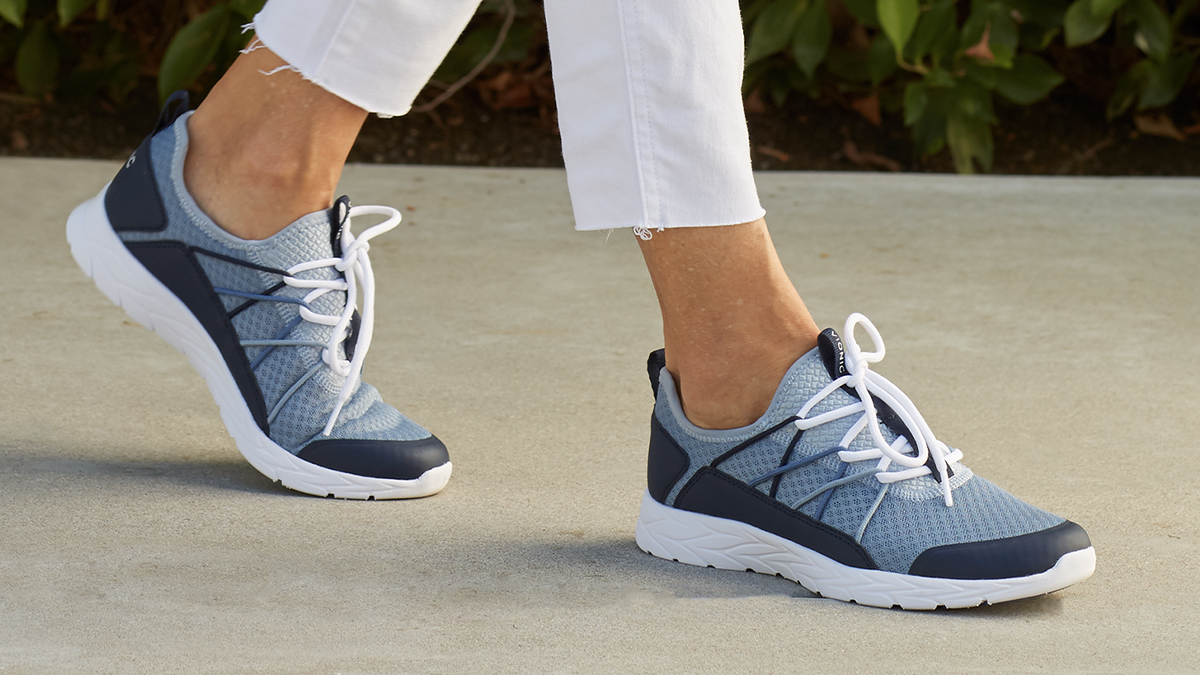
After addressing the foundation and support, we must consider the environment your foot inhabits for hours on end: the shoe’s upper. Breathability is not a luxury; it is a necessity for all-day comfort. Moisture buildup leads to friction, which in turn leads to blisters and hot spots. Modern tennis shoes for walking often utilize engineered mesh uppers, a material that provides targeted zones of flexibility and ventilation. This technology, frequently highlighted in reviews on sites like Runner’s World, allows air to circulate while maintaining structural integrity. Compare this to the classic leather tennis shoe upper, which may be durable but often sacrifices breathability. Furthermore, the construction method matters. Seamless or welded uppers reduce internal stitching that can rub against the foot. As celebrity trainer Harley Pasternak has mentioned in interviews about everyday wellness, what you wear on your feet impacts your entire day’s energy level. A hot, sweaty foot is an uncomfortable and fatigued one. Therefore, when evaluating a shoe, look beyond the color and examine the texture and composition of the upper. A good test is to check if you can see light through the mesh material when held up; it’s a simple indicator of its air-permeable potential. This focus on a cool, dry interior is what allows a shoe to remain comfortable from your first step in the morning to your last in the evening.
Beyond the Hype: Evaluating Outsoles and Durability
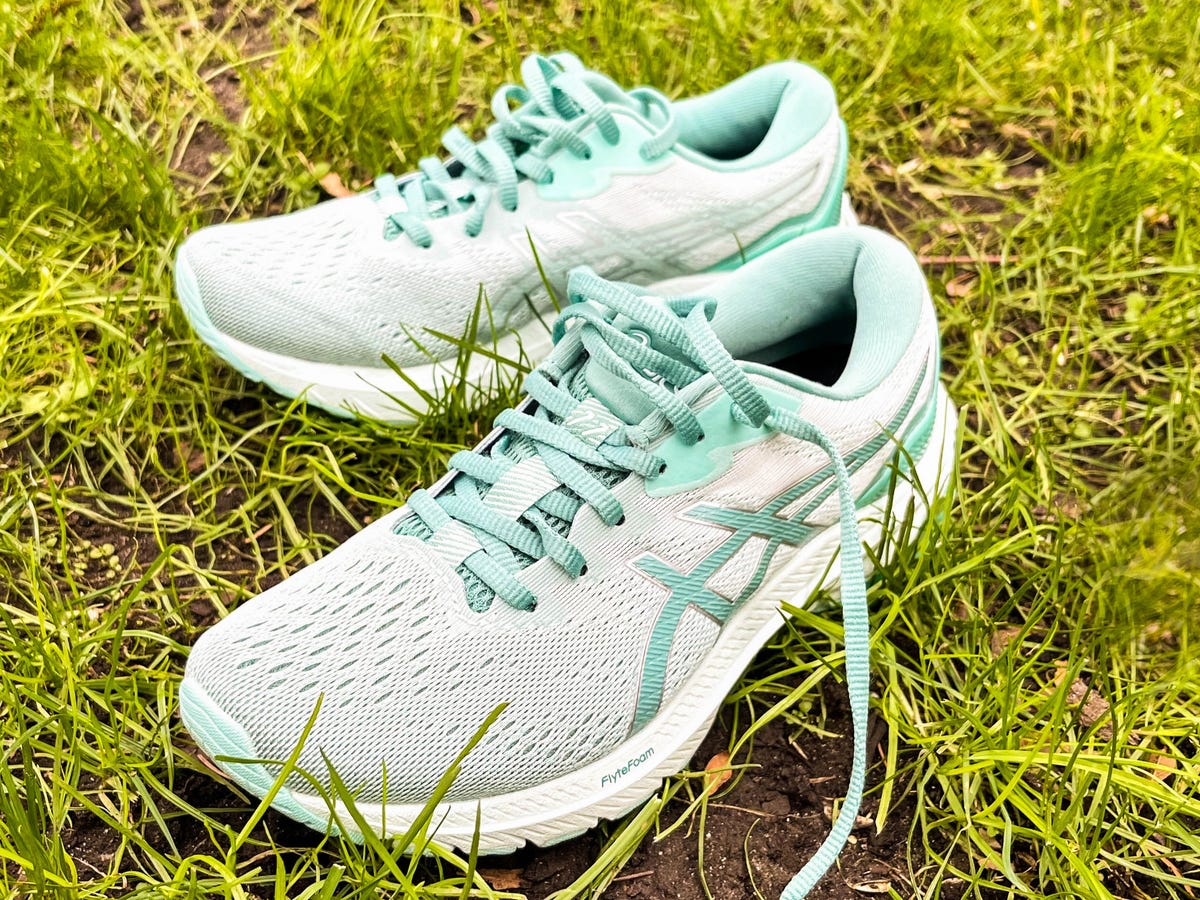
The outsole is your shoe’s direct interface with the world, and its design dictates traction, flexibility, and ultimately, the lifespan of the product. The ubiquitous herringbone pattern common on clay-court tennis shoes is designed for sliding and grip on a specific surface, but for walking on varied urban terrain, a different pattern is needed. A durable carbon rubber compound, often placed in high-wear areas like the heel and forefoot, significantly extends shoe life compared to full EVA outsoles that may wear down quickly on asphalt. The concept of “flex grooves” is crucial here. These are deep, strategic indentations in the outsole that promote a natural bending motion aligned with your foot’s joints. Without them, the shoe can feel board-like, forcing your foot to work harder to roll through each step. In the documentary “Minimalism,” which examines consumer product lifecycles, the value of durability is underscored. A well-constructed outsole means your investment lasts longer. When searching for the best tennis shoes for walking, press the toe of the shoe upward. It should bend at the ball of the foot, not in the middle of the arch. This simple test reveals the shoe’s commitment to supporting your natural gait while providing a tough, long-wearing surface underneath.
The Personal Fit: Sizing, Width, and the “Break-In” Myth
A shoe can have all the award-winning technology in the world, but if it doesn’t fit your unique foot, it will fail. The notion that quality walking shoes require a painful “break-in” period is a pervasive and harmful myth. As stated by the American Podiatric Medical Association, shoes should feel comfortable immediately. This brings us to the critical aspects of sizing and width. Your feet swell throughout the day and during activity, so it is advisable to shop for shoes in the afternoon or evening. There should be about a thumb’s width (roughly 3/8 to 1/2 inch) of space between your longest toe and the end of the shoe. More importantly, width is often the culprit of discomfort. Many brands now offer key models in multiple widths (Narrow, Standard, Wide, Extra Wide), a feature once reserved for specialty stores. Ignoring width can lead to constriction, numbness, or a lack of necessary support if the foot slides within a too-wide shoe. When you try on a potential pair of tennis shoes for walking, wear the socks you intend to walk in. Walk on a hard surface, not just carpet. Pay attention to any points of pressure or slip. The shoe should feel like an extension of your foot, secure but not tight, with room for your toes to splay naturally with each step. This personalized fit is the final, non-negotiable layer that unlocks all the engineering benefits the shoe provides.
Making an Informed Choice: A Synthesis of Knowledge
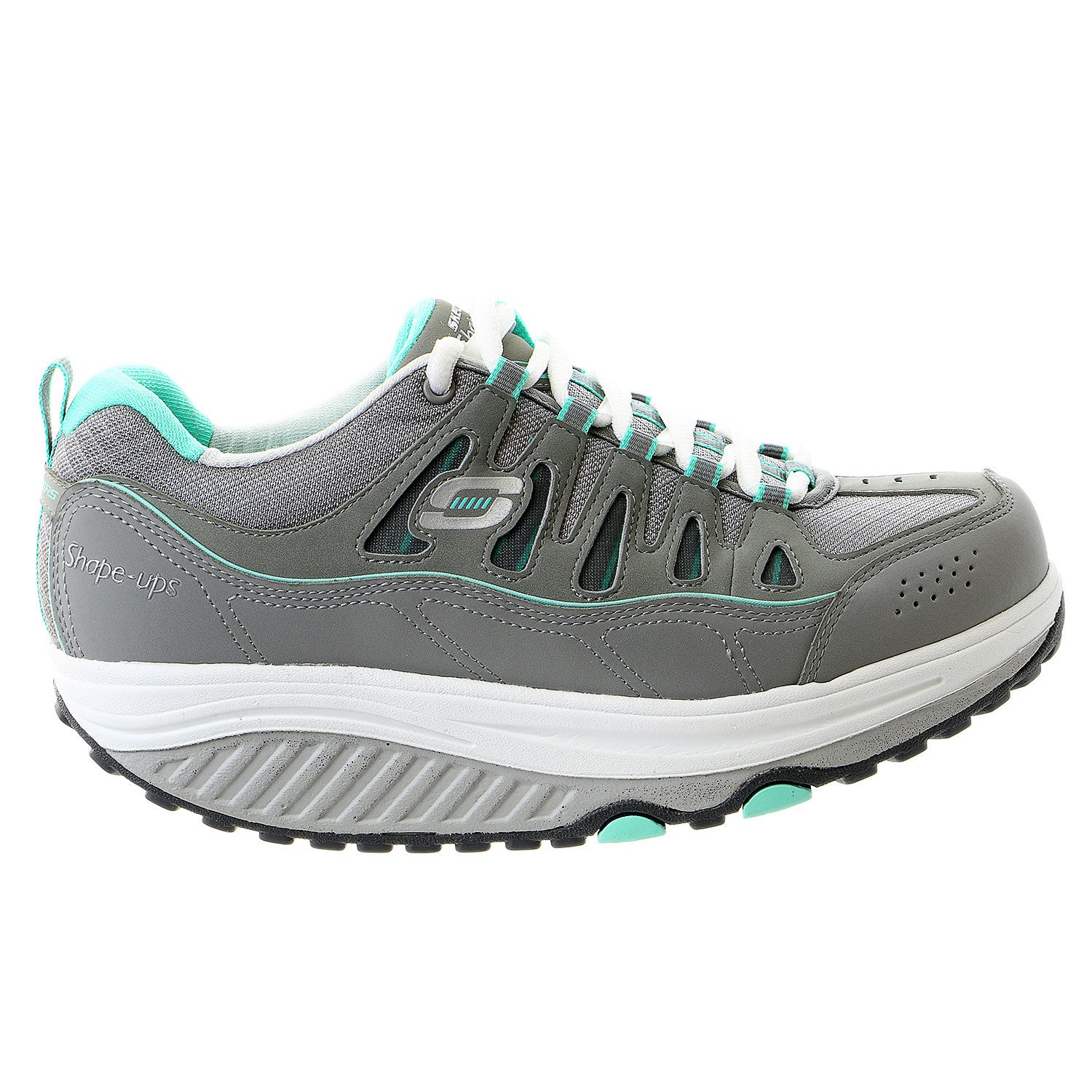
Armed with this knowledge, your approach to selecting walking shoes transforms from one of aesthetic preference to one of informed analysis. You are no longer just buying a “tennis shoe”; you are evaluating a piece of functional equipment based on its midsole responsiveness, its arch and heel support structure, the breathability of its upper, the durability and flexibility of its outsole, and, above all, its precise fit to your foot. Brands like Asics, New Balance, and Brooks have built reputations on incorporating these principles, often offering last-season models at significant discounts—a smart way to acquire premium technology without the premium price tag. Remember, the best shoe is the one that disappears on your foot, allowing you to move through your day with comfort, support, and energy. It is the silent partner in your daily mobility, and choosing the right pair is an act of care for your present and future self. By prioritizing these scientific and ergonomic principles, you ensure that every step you take is supported, comfortable, and sustainable, turning the simple act of walking into a genuine pleasure.
