

Step Into Style: The Ultimate Walking Shoe Guide for Effortless Comfort and Chic
Forget the notion that comfort and style are mutually exclusive. The modern pursuit of wellness and mobility demands footwear that doesn’t compromise. We are no longer choosing between aching feet and looking frumpy; we are demanding—and receiving—sophisticated engineering wrapped in elegant design. This is the new frontier of functional fashion, where every step is a statement of intent, supported by science and sculpted by aesthetics. The right walking shoe is not just an accessory; it is the foundation of your daily movement, your urban exploration, and your personal style narrative. Let’s dismantle the old paradigms and step into a world where your shoes empower every journey.
The Anatomy of Effortless Comfort: It’s More Than Just Cushioning
To understand the magic of a great walking shoe, we must first dissect its anatomy. Comfort is a complex equation involving biomechanics, material science, and ergonomic design. At its core is the midsole, often made from advanced compounds like EVA (ethylene-vinyl acetate) or polyurethane. According to podiatric literature from institutions like the University of Pittsburgh School of Medicine, the midsole’s primary function is shock absorption—dissipating the ground reaction forces that travel up your skeleton with each heel strike. But cushioning alone is a trap. As renowned running coach and biomechanist Jay Dicharry often states in his lectures, “Cushioning without stability is like building a house on sand.” This is where the debate between maximalist cushioning and natural motion finds its battleground. Brands like Hoka One One, with their meta-rocker geometry, exemplify the maximalist approach, using thick, resilient midsoles to create a smooth rolling gait. Conversely, brands like Vivobarefoot advocate for minimal soles to strengthen foot musculature. The scientific consensus, however, leans toward a balanced “Goldilocks zone”: ample cushioning to protect joints, paired with strategic stability features like a firm heel counter and arch support to guide the foot’s natural pronation. The true hallmark of a superior walking shoe is its ability to create harmony between your foot’s movement and the immutable laws of physics.
Material Matters: Breathability, Durability, and Sustainable Chic
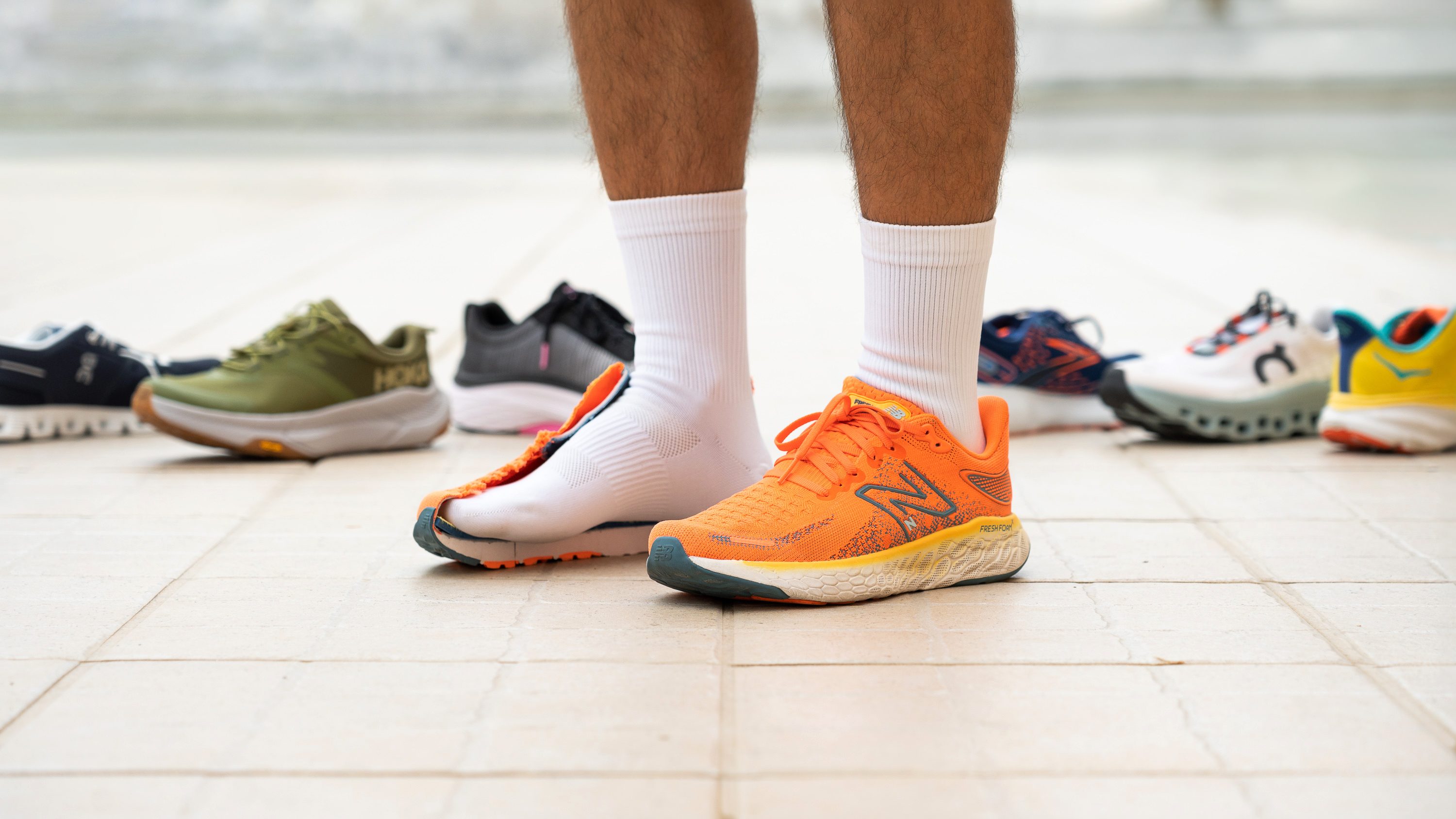
Step beyond the sole, and the upper material becomes your foot’s immediate environment. Here, technology meets tactile pleasure. Traditional leather offers durability and a classic aesthetic but can lack breathability. Modern engineered mesh, a marvel of textile innovation, provides targeted ventilation, adapting to the foot’s thermal map to keep it cool and dry. This isn’t just about comfort; it’s about foot health. A study cited by the American Podiatric Medical Association emphasizes that a moist environment fosters bacterial and fungal growth. Furthermore, the contemporary consumer’s conscience is a design parameter. Sustainable materials—recycled polyester, organic cotton, and even apple leather—are moving from niche to norm. Stella McCartney’s longstanding collaboration with adidas for vegan Stan Smiths underscores this shift, proving ethical choices can be inherently chic. The choice of material dictates not only the shoe’s lifespan and feel but also its environmental footprint and its ability to transition seamlessly from a long day’s walk to a casual evening out. The right upper hugs your foot like a second skin, providing structure without restriction, a principle championed by designers at brands like Cole Haan and their Grand series, which blend dress shoe silhouettes with athletic shoe technology.
The Style Algorithm: When Form Follows Function—Beautifully
Gone are the days of clunky, conspicuously technical shoes dominating the comfort category. Today’s leading designs subscribe to a minimalist and versatile ethos. Consider the timeless appeal of the classic white sneaker, a canvas upon which countless outfits are built. From the understated elegance of Common Projects’ Achilles Low to the architectural lines of a Veja Campo, these shoes demonstrate that simplicity is the ultimate sophistication. This trend is validated by fashion authorities like Vogue and GQ, which regularly feature “elevated sneakers” as wardrobe essentials. The style algorithm for the perfect walking shoe prioritizes clean lines, a neutral or versatile color palette (think off-whites, greys, blacks, or earthy tones), and the absence of overly busy logos or garish accents. The goal is a shoe that complements rather than competes with your attire. As fashion influencer and author Aimee Song often remarks on her platforms, “The best investment pieces are those that work overtime. A great walking shoe should pair with your tailored trousers as easily as with your weekend jeans.” This versatility is the cornerstone of modern, efficient dressing, where one well-chosen piece multiplies your outfit possibilities exponentially.
The Arch Support Debate: A Personal Pilgrimage
Perhaps no topic in footwear is as personal and pivotal as arch support. The arch of your foot is a masterful biomechanical spring, and its needs are unique. Flat feet (pes planus) often require motion control and substantial medial support to prevent overpronation, a rolling inward of the ankle that can lead to a cascade of issues from plantar fasciitis to knee pain. High arches (pes cavus), conversely, are rigid and benefit from highly cushioned, neutral shoes that absorb shock. The “wet test”—examining the footprint left on a piece of paper—is a simple, if rudimentary, starting point for self-assessment. However, for a definitive analysis, a gait analysis at a specialty running or walking store is invaluable. Brands have risen to this challenge with modular solutions. For instance, many models from Brooks and Saucony offer different versions of the same shoe tailored to neutral, stability, or motion control needs. The insight here is universal: there is no single “best” arch support. The pilgrimage to find your perfect match is a non-negotiable investment in your long-term mobility. Ignoring your arch type is like driving a high-performance car with misaligned wheels; you might move forward, but the damage accumulates with every mile.
Investment vs. Expense: Decoding Value in Every Step
Viewing a premium walking shoe as an expense is a short-sighted calculus. The correct framework is one of investment—in your health, your daily comfort, and the longevity of the product itself. A high-quality shoe from a reputable brand incorporates R&D, superior materials, and often more ethical manufacturing processes, which command a higher initial cost. However, this cost-per-wear metric tells the true story. A $150 shoe worn nearly every day for a year (and often longer) breaks down to pennies per step of unparalleled support. Compare this to a cheaply made, unsupportive pair that may cause discomfort, accelerate wear on your joints, and need replacing in a few months. The financial and physical economics are clear. To bring this professional knowledge directly to you with tangible benefit, consider this: many direct-to-consumer brands (like Allbirds or Rothy’s) and major retailers frequently offer seasonal sales, first-time buyer discounts, or bundle deals. Signing up for newsletters can unlock 10-15% off. Furthermore, last season’s colorways often see significant markdowns without any compromise on technology. Investing smartly means paying for the engineering, not necessarily the hype of the latest release.

The Replacement Rhythm: Listening to Your Shoes’ Silent Cries
Even the most perfect partnership must eventually be renewed. Shoes have a finite lifespan, dictated not by the upper’s appearance but by the midsole’s compression. The general guideline from organizations like the American Academy of Podiatric Sports Medicine is to replace walking shoes every 300-500 miles. For the average urban walker, this translates to roughly every 6-9 months. But your shoes will give you subtle—and not-so-subtle—cues. Perform the simple “twist test”: hold the heel and forefoot and twist. A shoe with a compromised midsole will twist with little resistance. Visually inspect the outsole for extreme, uneven wear patterns. Most importantly, listen to your body. The onset of new, unexplained aches in your feet, shins, or knees is often the most reliable indicator that your shoes have retired from active duty. Replacing them promptly isn’t a failure; it’s a ritual of self-care, an acknowledgment that the tool which serves your most fundamental movement deserves timely maintenance.
:max_bytes(150000):strip_icc()/when-should-i-replace-my-walking-shoes-3436325-0801-7a1840d83573471092e0380f9e230ecc.jpg)
The journey to finding your ideal walking shoe is a deliberate fusion of self-knowledge and informed choice. It requires understanding the silent language of your own gait, appreciating the unseen engineering in a well-crafted midsole, and having the style discernment to choose a design that speaks to your personal aesthetic. This is not about following a fleeting trend; it is about curating a component of your life that touches the ground with every single step you take. When you lace up a shoe that embodies this perfect trinity of comfort, support, and style, you are not just putting on footwear. You are donning a tool for empowerment, a piece of design that honors both your body’s mechanics and your spirit’s expression. The path ahead is literally at your feet—make sure it’s a path you can walk with confidence, grace, and undeniable chic.
