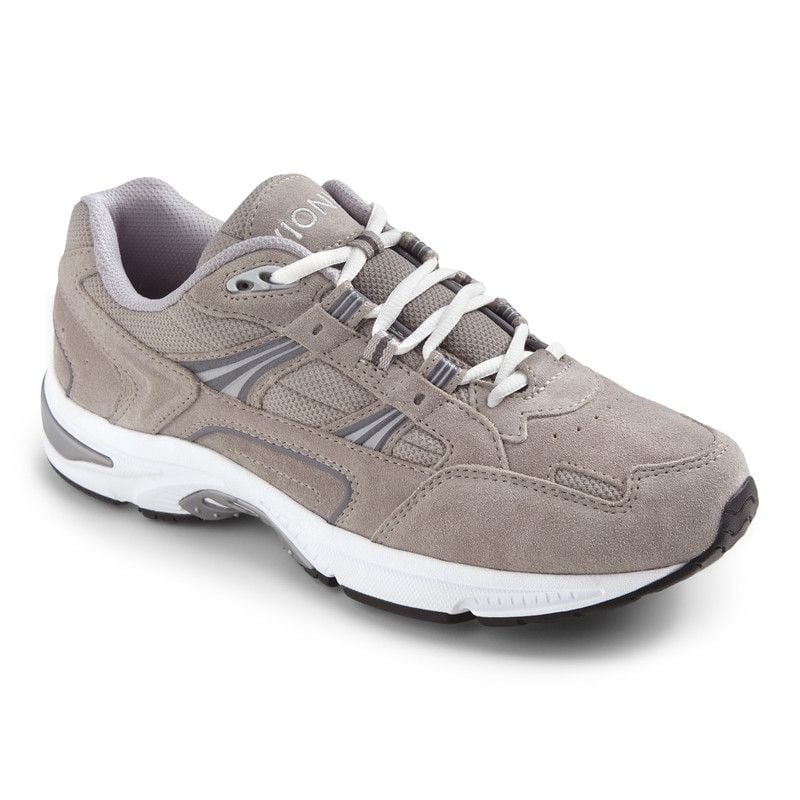
Step Into Comfort and Style with Vionic Walking Shoes
For years, the quest for the perfect walking shoe felt like a compromise. You could have cushioning that felt like walking on clouds, but the style was strictly for the gym. You could find a sleek, fashionable design, but your feet would be pleading for mercy after a few city blocks. This dichotomy between comfort and aesthetics has been a persistent pain point. Today, that compromise ends. The narrative that supportive footwear must be clunky is being rewritten, and at the forefront of this revolution is a specific category of footwear engineered for holistic well-being: the vionic walking shoe. This isn’t just about a product; it’s about a philosophy that aligns biomechanical science with contemporary design, allowing you to step confidently through every facet of your life without sacrificing your feet’s health or your personal style.
The Foundation: Why Biomechanics Matter in Every Step
To appreciate the innovation behind a modern walking shoe, we must first understand the complex machinery it supports. The human foot is a marvel of engineering, comprising 26 bones, 33 joints, and over 100 muscles, tendons, and ligaments. Its primary functions—support, propulsion, and shock absorption—are governed by principles of biomechanics, the study of the structure and function of biological systems using the methods of mechanics. According to resources from institutions like the University of California, Berkeley’s Department of Integrative Biology, proper gait biomechanics are crucial for distributing force and preventing injury up the kinetic chain, affecting ankles, knees, hips, and even the lower back. When footwear fails to support the foot’s natural alignment—specifically the medial longitudinal arch—it can lead to overpronation (excessive inward rolling) or supination (outward rolling). This misalignment is not a minor issue; as noted by the American Podiatric Medical Association, it is a leading contributor to common ailments like plantar fasciitis, metatarsalgia, and general foot fatigue. Therefore, a shoe is not merely a covering but a foundational tool that interacts intimately with our physiology.
Beyond the Insole: The Science of Built-In Orthotic Support
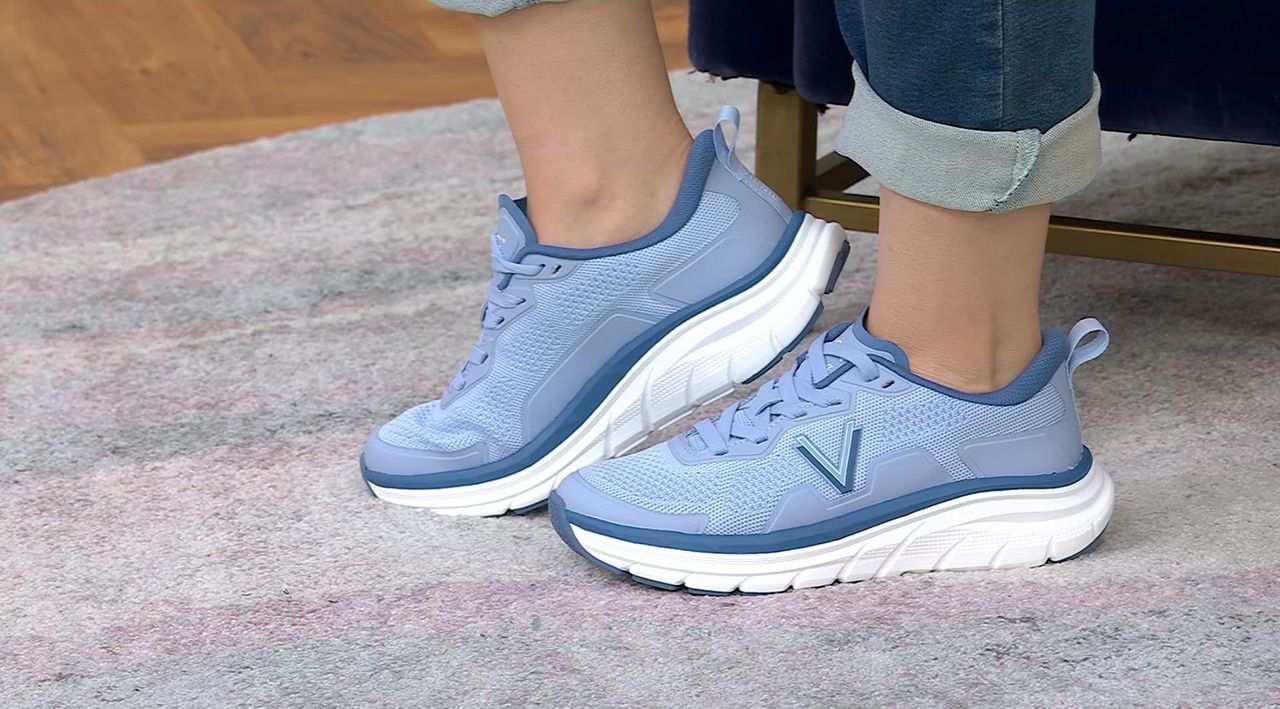
The term “orthotic” is often thrown around in footwear marketing, but its true meaning is rooted in clinical science. An orthotic is a device designed to correct or accommodate abnormal foot biomechanics. While custom orthotics are prescribed by podiatrists, the principle has been successfully translated into consumer footwear through biomechanically designed footbeds. This is the cornerstone of the vionic walking shoe experience. Unlike a simple cushioned insole, these integrated footbeds are crafted with a deep heel cup to stabilize the calcaneus (heel bone), a pronounced arch support to maintain the medial longitudinal arch, and a forefoot zone that encourages proper toe-off. This tri-planar motion control is critical. Think of it as the architectural blueprint for your stride. Renowned physical therapist and author of “The Foot Fix,” Yamuna Zake, often emphasizes that “support is not about rigidity, but about guiding the foot into its natural, healthy movement pattern.” This guided support system helps redistribute pressure away from sensitive areas like the plantar fascia, a band of tissue that, when inflamed, causes the debilitating pain of plantar fasciitis. By addressing the root cause of instability rather than just masking the symptom of discomfort, this technology transforms the shoe from a passive item into an active participant in your musculoskeletal health.
The Design Evolution: Where Clinical Meets Contemporary
There was a time when “orthopedic shoes” conjured images of bulky, beige, and decidedly unfashionable footwear. This stigma created a barrier for many who needed support but were unwilling to forgo style. The modern era, however, has seen a seismic shift. Brands have recognized that design is not superficial; it is integral to adoption and consistent use. The contemporary vionic walking shoe exemplifies this fusion. Design teams work in tandem with podiatrists and biomechanists, ensuring that every stylish curve, every chosen material, and every color palette serves the dual purpose of aesthetic appeal and functional integrity. You’ll find sleek sneakers in minimalist colorways, elegant sandals with hidden arch supports, and chic loafers that look at home in a professional setting while providing all-day comfort. This design philosophy echoes a broader trend in wellness technology, where devices like fitness trackers have evolved from utilitarian bands to fashion accessories. The message is clear: taking care of your health does not require you to check your style at the door. In fact, the confidence that comes from wearing something you feel good in is itself a component of well-being.
A Personal Journey: From Foot Pain to Freedom of Movement
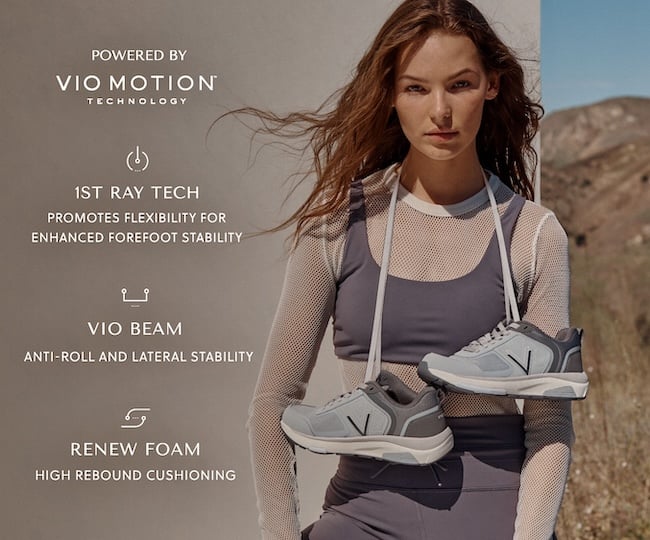
Let me speak from a first-person perspective for a moment. For years, I accepted that a day of sightseeing or a long shift on my feet would inevitably end with a dull ache in my heels and a tightness across the balls of my feet. I tried memory foam inserts, gel pads, and every “comfort” shoe brand I could find. The relief was temporary, a cushion against the symptom but not a solution to the problem. The turning point came after reading a Q&A thread featuring a marathon runner who suffered from plantar fasciitis. Their advice wasn’t about resting more; it was about investing in footwear with proper biomechanical support from the ground up. Skeptical but desperate, I tried my first pair of vionic walking shoes. The difference wasn’t subtle. The initial feel was one of firm, guided support, not pillowy softness. But within a week, my feet felt stronger, more aligned, and the end-of-day pain vanished. It was a revelation that transformed my relationship with walking from a necessary activity to a genuine joy. This personal anecdote mirrors countless testimonials on platforms like YouTube, where fitness influencers and everyday users alike share stories of reclaimed mobility, underscoring that the right footwear is a form of self-care with immediate, tangible returns.
Investment in Wellness: Understanding Value Beyond the Price Tag
When confronted with the price point of advanced biomechanical footwear, it’s natural to hesitate. However, this is a classic case where cost must be evaluated against value—a concept deeply rooted in economic theory but perfectly applicable here. Let’s break down the value proposition. First, consider the cost of neglect: podiatrist visits, physical therapy sessions, custom orthotics, and the intangible cost of pain and restricted activity. A quality pair of vionic walking shoes acts as a proactive, preventative health measure. Second, examine the construction. These shoes often feature premium, durable materials like full-grain leather, breathable mesh, and high-abrasion rubber outsoles. The biomechanical footbed is the result of significant research and development. You are not paying for a logo; you are investing in patented technology, quality materials, and a design process that bridges two complex fields. As the ancient philosopher Seneca is often paraphrased, “He who is everywhere is nowhere.” A shoe that tries to be everything—a runner, a court shoe, a walker—often excels at none. A dedicated walking shoe is a specialist, and specialization commands value. Furthermore, many retailers offer seasonal sales, bundle discounts, and loyalty programs, making this investment in your foot health more accessible. The true cost is not in the purchase, but in forgoing the profound benefits to your daily comfort and long-term musculoskeletal health.

Integrating Style and Support into Your Daily Life
The ultimate test of any product is its seamless integration into your lifestyle. The beauty of today’s supportive footwear is its versatility. Imagine starting your day with a brisk morning walk in a pair of supportive sneakers, then transitioning to a pair of elegant, orthotic-equipped flats for a day at the office. In the evening, a stylish sandal with built-in arch support can take you to a dinner outing without a second thought about foot pain. This versatility dismantles the old paradigm. It empowers you to make healthy choices consistently, not just during “fitness time.” The psychological impact is significant. When your footwear supports you physically, you stand taller and move with more assurance. This aligns with the concept of “embodied cognition,” a theory in psychology suggesting that our physical state influences our mental state. Comfortable, confident movement can positively affect mood, productivity, and social interaction. Therefore, choosing a shoe like a vionic walking shoe is not a minor sartorial decision; it is a choice that supports your physical foundation, enabling you to fully engage with the world in style and without distraction.
The journey to finding footwear that truly supports you is no longer a path of compromise. It is a clear, well-designed road paved with biomechanical science and aesthetic intelligence. By choosing shoes built on the principles of alignment, support, and quality construction, you are making a decisive investment in your most fundamental mode of transportation: walking. You are voting for a future where foot pain doesn’t dictate your activities, and where style and substance walk hand-in-hand. The first step toward that future is simply recognizing that you deserve both. The next step is to find the pair that lets you walk comfortably into it, one supported, stylish stride at a time.