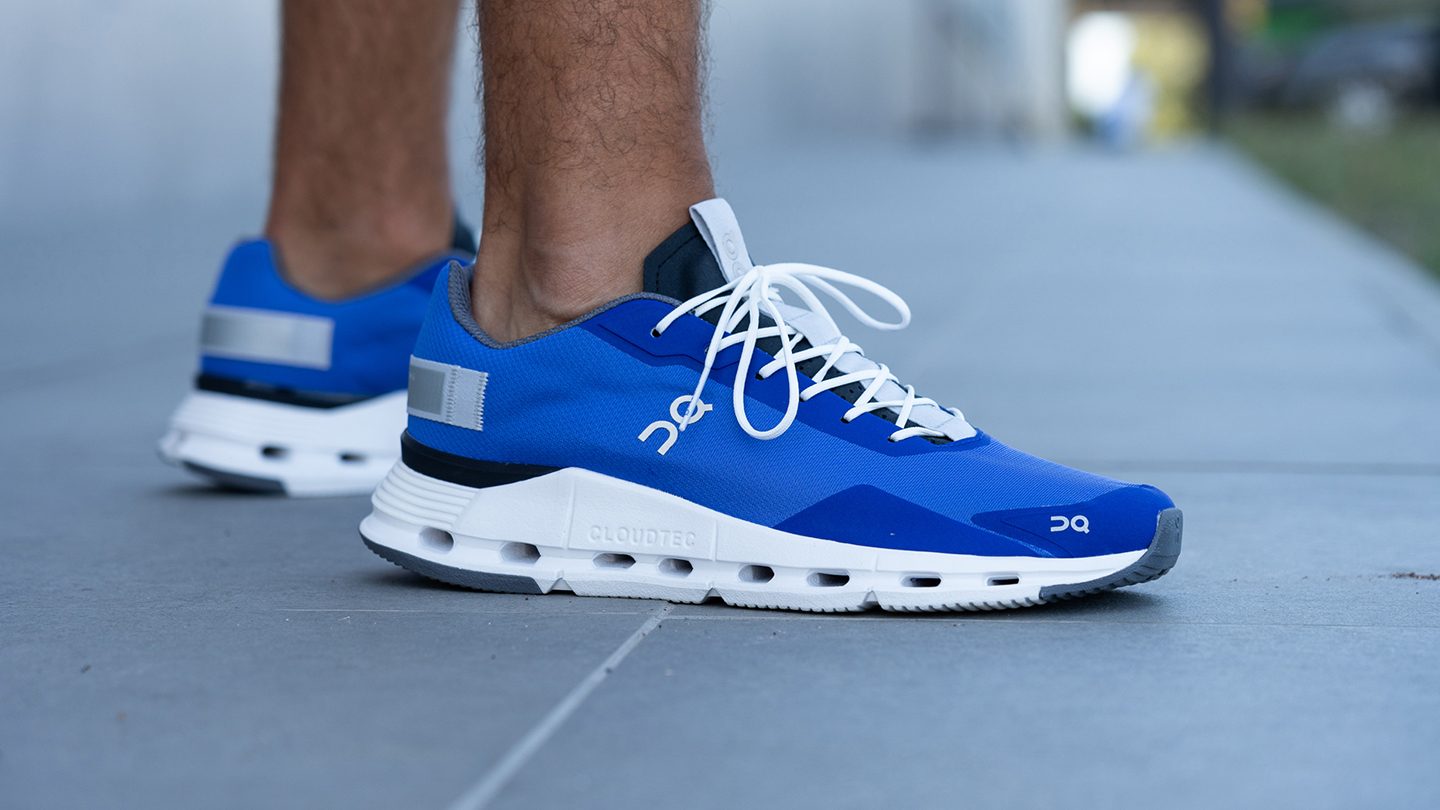
Your Ultimate Guide to Stylish and Comfortable Everyday Footwear
Choosing the right shoe for daily life is more than a matter of fashion; it’s a foundational decision for your well-being. The perfect pair bridges the gap between aesthetic desire and physiological necessity, supporting not just your arches but your entire day’s agenda. This guide moves beyond fleeting trends to explore how the right footwear—particularly a well-designed walking shoe—can become the most reliable tool in your wardrobe, merging cutting-edge biomechanics with timeless style to empower every step you take.
The Anatomy of Support: Why Your Feet Deserve Engineering
To understand the value of a proper walking shoe, we must first appreciate the complex machinery it supports. The human foot is a marvel of evolution, comprising 26 bones, 33 joints, and over 100 muscles, tendons, and ligaments. According to biomechanics literature from institutions like Stanford University, the foot acts as both a shock absorber and a rigid lever during the gait cycle. A shoe that disrupts this natural function can lead to a cascade of issues, from plantar fasciitis to knee and back pain. The core of a great everyday shoe lies in its midsole, often made from EVA (ethylene-vinyl acetate) or polyurethane foams, which provides cushioning. The insole or footbed offers arch support, a critical feature highlighted by the American Podiatric Medical Association for maintaining proper alignment. The outsole’s tread pattern isn’t just for show; it provides necessary traction, reducing slip risk. When these elements harmonize, the shoe ceases to be a mere accessory and becomes a platform for pain-free mobility. Investing in a shoe built on these principles is an investment in your kinetic chain, ensuring that the foundation of your movement is secure, stable, and scientifically sound.
Style Meets Substance: The Evolution of the Aesthetic Walking Shoe
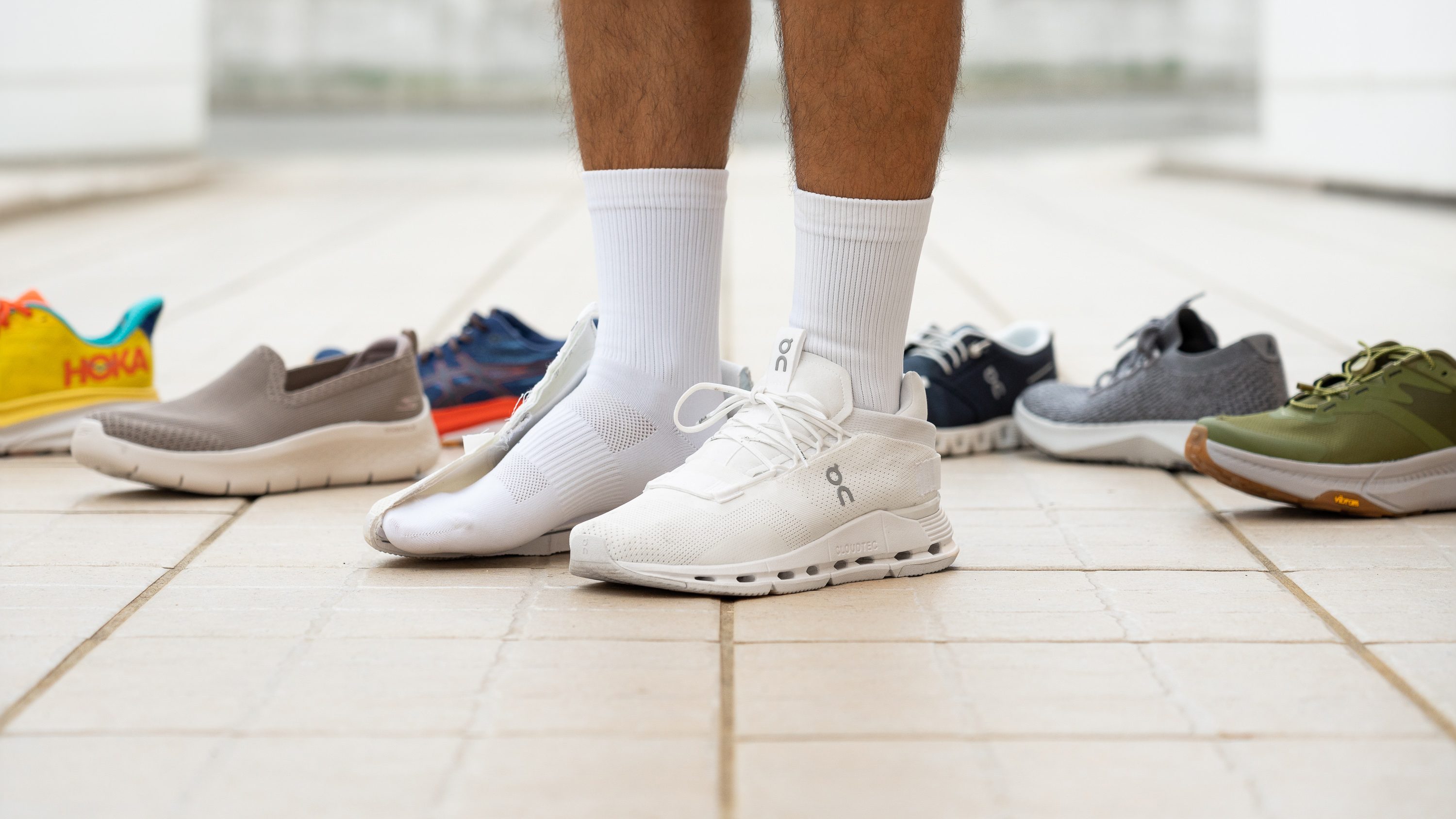
For decades, the term “walking shoe” conjured images of purely functional, often clunky footwear relegated to athletic contexts. This perception has been radically overturned. The driving force behind this shift is a consumer demand for versatility—a single pair that can transition from a morning commute to a midday meeting to an evening stroll without missing a beat. Designers and brands have responded by integrating performance technology into sleek, minimalist silhouettes. Take, for instance, the rise of “athleisure” as documented by fashion business analysts. Brands like Allbirds and Cole Haan have leveraged this trend, using merino wool uppers or embedding Nike Air technology into dress shoe designs, respectively. The philosophy is clear: comfort should not require a sacrifice in style. As designer Tinker Hatfield, famed for his work on iconic Nike silhouettes, once stated in an interview, “The best design solves a problem without you even knowing there was one.” This ethos is now applied to everyday footwear. The modern walking shoe might feature a breathable knit upper in a neutral tone, a discreetly cushioned midsole, and a rubber outsole with a subtle tread pattern. It’s a shoe that doesn’t shout its technical specs but quietly delivers them, proving that looking polished and feeling supported are not mutually exclusive goals.
:max_bytes(150000):strip_icc()/vwt-asics-womens-gel-pulse-16-jinfeng-chen-21-712f0f140e834b84b3a8dcf0bf154771.jpeg)
Material Matters: Innovation in Comfort and Durability
The quest for the ideal everyday shoe is deeply tied to material science. Gone are the days of stiff, non-breathable leathers that require a lengthy “break-in” period fraught with blisters. Today’s leading options utilize advanced textiles and recycled materials that conform to the foot from the first wear. Primeknit, Flyknit, and engineered mesh uppers provide targeted stretch and breathability, a feature extensively reviewed on runner-focused websites like Believe in the Run for their adaptive fit. Memory foam footbeds, once a novelty, are now standard for their personalized contouring. Furthermore, sustainability has become a key driver of innovation. Brands are increasingly using recycled polyester from plastic bottles, algae-based foam, and natural rubber. This isn’t just marketing; a lifecycle assessment study from the Massachusetts Institute of Technology suggests that such material shifts can significantly reduce a product’s carbon footprint. When you choose a walking shoe made with these considerations, you’re not only selecting immediate comfort but also endorsing a longer product lifespan and a reduced environmental impact. The material becomes the narrative, telling a story of a foot that stays cool, a shoe that moves with you, and a manufacturing ethos that looks toward the future.
The Fitting Principle: How to Truly Know If a Shoe Fits
Even the most technologically advanced shoe is rendered useless by a poor fit. The common advice to “size up” or “they’ll stretch” is a recipe for discomfort and injury. A proper fit is a precise science. Podiatrists recommend shopping for shoes in the afternoon, as feet naturally swell throughout the day. There should be about a thumb’s width (roughly 3/8 to 1/2 inch) of space between your longest toe and the end of the shoe. Width is equally critical; your foot should not spill over the sides of the footbed, nor should there be excessive gaping. The heel must be snug without slippage. It’s beneficial to wear the socks you intend to pair with the shoes during your fitting. Renowned physical therapist Dr. Kelly Starrett, in his popular YouTube channel “The Ready State,” emphasizes that footwear is the interface between your body and the ground, and a poor interface corrupts the entire movement system. Don’t be seduced by a brand name or a style alone; let the fit be your ultimate decider. A perfectly fitted walking shoe feels like an extension of your body, providing security and freedom in equal measure, allowing you to forget about your feet and focus on your day.

Investment Versus Expense: Decoding Value in Footwear
Confronting a price tag over $100 for a pair of shoes can give anyone pause. However, framing this as an investment rather than an expense reframes the decision. A cheaply made shoe often lacks the sophisticated cushioning, durable outsoles, and quality upper materials of its higher-end counterparts. It may compress its cushioning within a few months, leading to diminished support and potential discomfort. In contrast, a well-constructed walking shoe from a reputable brand is built to last, with materials and construction techniques designed to maintain their integrity over hundreds of miles. The cost-per-wear metric becomes incredibly favorable. Furthermore, consider the potential costs of not investing: medical bills for foot, knee, or back problems, the price of multiple pairs of failed shoes, and the intangible cost of daily discomfort. To make this investment more accessible, savvy shoppers can look to end-of-season sales, outlet stores, and brand loyalty programs. Websites like Wirecutter or Runner’s World often publish “Best Value” guides, highlighting high-performance shoes available at discounted prices. Remember, the goal is not the lowest initial cost, but the highest long-term return in comfort, health, and satisfaction.
Your Footwear, Your Foundation
The journey to finding your ideal everyday companion ends with a simple realization: the shoes you choose set the tone for your physical experience of the world. They are the silent partners in your daily adventures, the unsung heroes of your comfort. By prioritizing the symbiotic relationship of biomechanical support and conscious design, you select more than a product; you choose a principle. You affirm that your mobility is precious and that your style is personal. Let this guide be the first step toward a wardrobe filled with choices that don’t force you to choose between feeling good and looking good. The right walking shoe awaits, ready to transform your everyday journey from a mundane necessity into a sustained pleasure.