

Your Secret to Effortless Chic in Every Season
Effortless chic is not a singular, static concept but a dynamic philosophy of dressing that harmonizes with the rhythm of the seasons while maintaining a core of personal authenticity. It transcends fleeting trends, rooting itself in a deep understanding of silhouette, texture, color, and the subtle art of personal expression. This approach to style is less about rigid rules and more about cultivating a wardrobe that feels intuitively right, a collection of pieces that empower you to move through the world with confidence and grace, regardless of the weather forecast. The secret lies not in an overflowing closet, but in a curated selection of versatile, high-quality items that speak to each other across seasons. From the crisp linen of summer to the substantial wool of winter, the truly chic individual understands how to layer, adapt, and highlight key pieces that form the backbone of a timeless personal aesthetic. This article will deconstruct the elements of this perennial style, offering not just inspiration but objective insights into the principles that make it so enduringly effective.
The Foundational Palette: Beyond Black and White
While a little black dress or a crisp white shirt are rightfully hailed as wardrobe staples, a truly versatile, season-spanning palette requires depth and warmth. This is where neutral, earth-toned foundations come into play. Colors like camel, taupe, olive, and stone provide a rich, adaptable canvas. Scientifically, these colors are often easier on the human eye for prolonged viewing compared to high-contrast combinations, creating a perception of harmony and sophistication. As noted by color theorists and institutions like the Pantone Color Institute, earth tones evoke stability, reliability, and organic warmth—qualities that translate seamlessly into personal style. They act as chameleons: paired with pastels in spring, they feel fresh; combined with vibrant hues in summer, they provide grounding; alongside the fiery shades of autumn, they enhance richness; and in winter, they offer a welcome alternative to stark black. Building a core wardrobe around these hues ensures that every new seasonal acquisition has multiple companions already waiting in your closet. It’s a strategic approach to dressing that minimizes decision fatigue and maximizes outfit combinations. Think of a camel coat that layers over a summer dress in September and a thick knit in January, or olive trousers that work with a silk blouse for the office and a chunky sweater for weekend errands. This foundational palette is the unsung hero of effortless style, providing the quiet backdrop against which statement pieces can truly sing.
The Architecture of Silhouette: Understanding Proportion and Line
The difference between an outfit that merely covers the body and one that exudes chic often boils down to silhouette. This is the architecture of your attire, the interplay of volumes and lines that creates a visual impression. Objective style analysis, often referenced in fashion literature from institutions like the Fashion Institute of Technology, breaks down silhouette into key components: balance, proportion, and line. A balanced silhouette doesn’t necessarily mean symmetry, but a deliberate distribution of visual weight. The classic principle of pairing a voluminous top with a streamlined bottom (or vice versa) is a timeless example. Proportion is deeply personal and relates to the Golden Ratio, a mathematical ratio of approximately 1:1.618 often found in nature and art, which is perceived as aesthetically pleasing. In styling, this can translate to the length of a jacket in relation to a skirt or the point where a sleeve ends relative to the hand. Line refers to the direction the eye travels—vertical lines elongate, horizontal lines widen, and diagonal lines create dynamic energy. A well-constructed outfit guides the eye intentionally. For instance, a V-neckline creates a vertical line, as do front trouser pleats or a long, unbuttoned cardigan. Understanding these principles allows you to dress for your body intuitively, creating flattering, powerful silhouettes in any season. A midi skirt with a tucked-in knit creates a clean, vertical line for autumn; a wide-leg jumpsuit in lightweight linen offers a singular, elongated silhouette for summer. Mastering silhouette means you can adapt fabrics and weights seasonally while maintaining a cohesive, intentional look that feels both current and inherently you.
The Power of a Singular Statement: Footwear as an Anchor
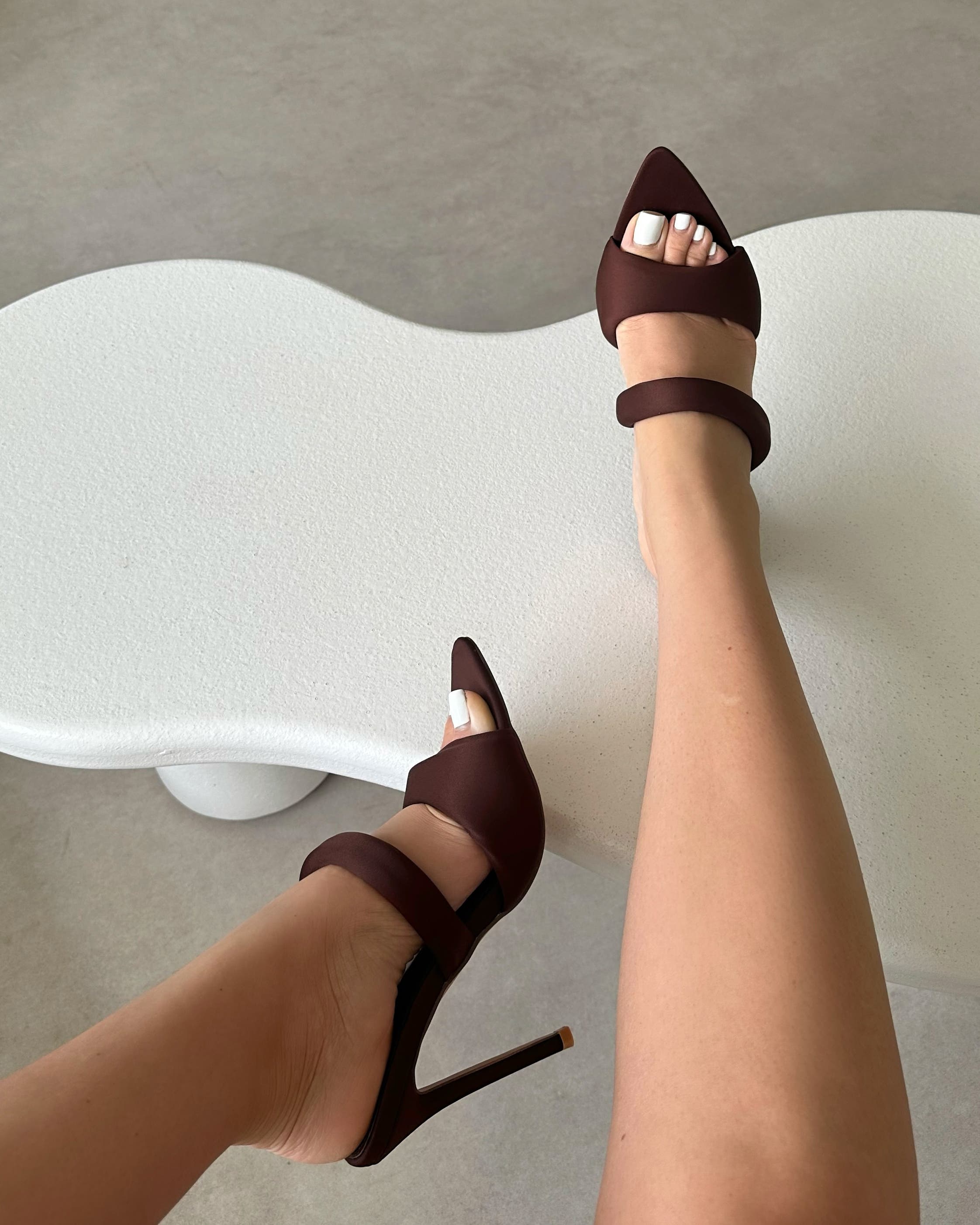
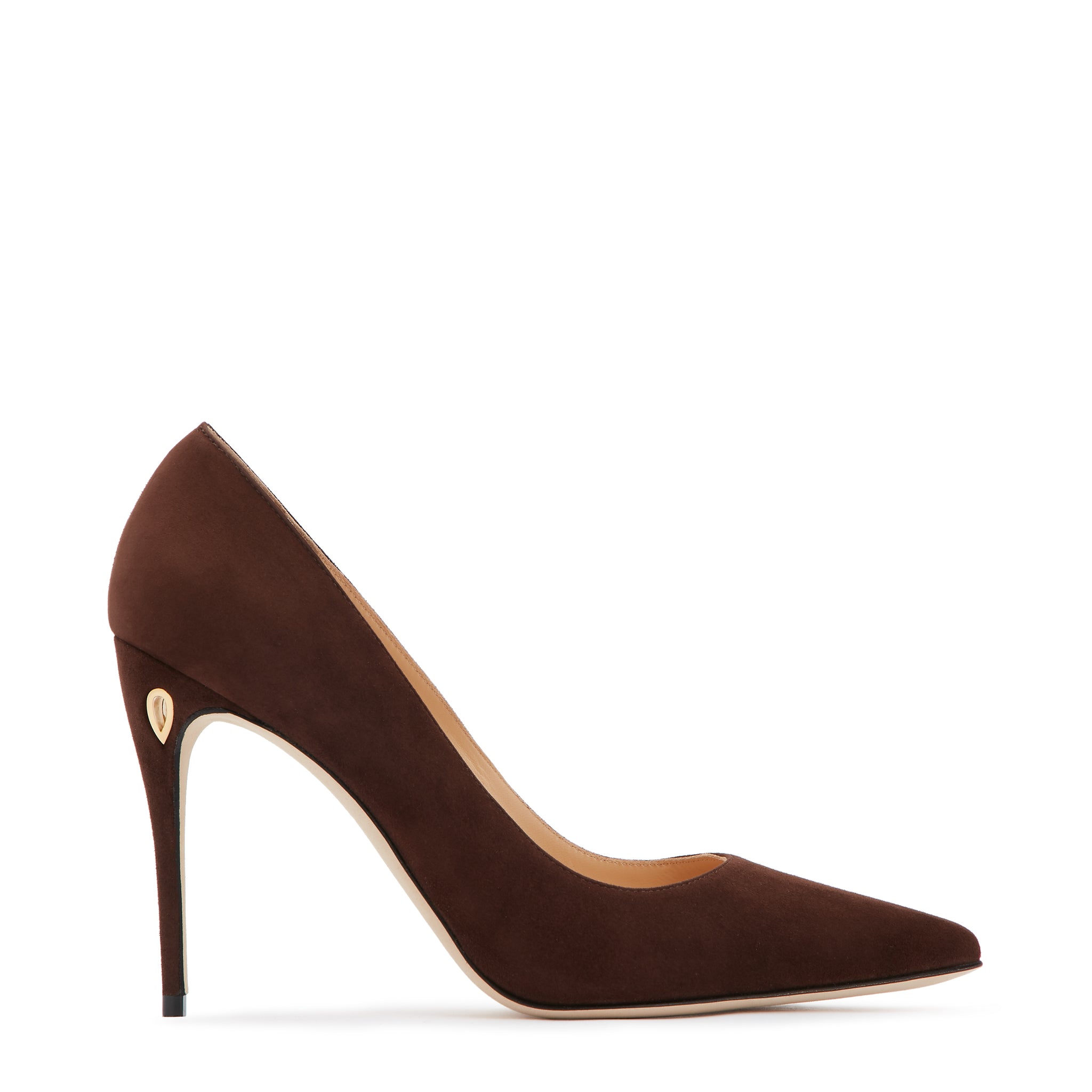
In the pursuit of effortless chic, one meticulously chosen accessory can often do the work of an entire ensemble. Footwear, in particular, serves as the literal and figurative foundation of an outfit. It can ground a look, inject personality, and tie disparate elements together. This is where investment in versatile, yet distinctive, pieces pays dividends across all four seasons. Consider the transformative power of a pair of exquisite chocolate brown heels. The color itself is a masterstroke of versatility. As an authoritative source on color psychology might explain, brown conveys earthiness, reliability, and understated luxury—it’s less severe than black and more sophisticated than beige. A heel in this shade possesses a unique chameleonic quality. In spring, they pair beautifully with floral dresses and light-wash denim, adding a dose of refined maturity. In summer, they elevate simple linen separates or a sleek slip dress. Autumn is their natural habitat, complementing tweed, leather, and the entire spectrum of fall colors. Even in winter, chocolate brown heels offer a warm, rich contrast against black tights and woolen fabrics. The style of the heel matters immensely. A classic pump, an elegant block heel, or a sleek ankle boot in this color becomes a wardrobe workhorse. As fashion commentator and author Vanessa Friedman has often articulated, the right shoe doesn’t just complete an outfit; it defines its attitude. A pair of chocolate brown heels whispers confidence and curated taste rather than shouting for attention. They are a testament to the idea that effortlessness is often found in the details that consistently deliver, season after season.
Texture: The Silent Language of Seasonality and Sophistication
If color and silhouette speak, then texture sings. It is the tactile dimension of style that adds depth, interest, and a clear indication of seasonality. Engaging with texture is a sophisticated way to adapt your core pieces throughout the year without changing your color palette or foundational shapes. Scientifically, our perception of texture is linked to both visual cues and imagined tactile sensation, which can evoke strong emotional and sensory responses. A wardrobe rich in varied textures appears more considered and luxurious. The key is intentional juxtaposition. In warmer months, seek out fabrics that breathe and have inherent visual interest: crisp poplin, fluid silk, nubby linen, and lightweight cotton bouclé. These materials suggest coolness and ease. As temperatures drop, introduce weightier, cozier textures: cable knits, soft merino wool, robust corduroy, buttery leather, and plush velvet. The art of effortless chic is often demonstrated in the mixing of these textures—a smooth silk blouse under a chunky knit cardigan, or a sleek leather skirt paired with a fuzzy mohair sweater. This interplay creates a narrative within an outfit, a dialogue between different sensations that is visually captivating. Furthermore, texture can be a powerful tool for personal expression. As designer Phoebe Philo, a paragon of understated luxury, once demonstrated through her collections, the choice of a unique wool crepe or a particular washed silk can convey a world of attitude without a single logo or flashy detail. By mindfully rotating textures with the seasons, you signal an intuitive connection to your environment, a hallmark of truly effortless style.

Curating Your Core: The Capsule Wardrobe Philosophy
The concept of the capsule wardrobe, popularized by figures like London stylist Susie Faux in the 1970s and later by Donna Karan with her “Seven Easy Pieces,” provides a practical framework for achieving effortless chic. It is the antithesis of fast fashion, advocating for a limited collection of interchangeable, high-quality items that reflect your personal style and lifestyle needs. Objectively, this approach aligns with principles of cognitive psychology by reducing the “paradox of choice,” where too many options lead to decision paralysis and dissatisfaction. A well-planned capsule, typically consisting of 30-40 pieces per season (including shoes and outerwear), ensures everything you own is loved, fits perfectly, and works in multiple combinations. The process is deeply personal but follows a universal logic: identify your neutral base (those foundational earth tones), incorporate a few strategic colors or patterns, and invest in impeccable versions of key categories—a perfect blazer, a great pair of jeans, a versatile dress, and yes, those anchor accessories like chocolate brown heels. The seasonal shift then becomes a matter of editing, not overhauling. You might store the linen trousers and bring out the wool trousers; swap the cotton tee for a thermal knit; and layer your trusty trench over heavier knits. The core items, like a well-cut pair of trousers or a fine-gauge sweater, remain. This methodology is not about deprivation, but about focus and quality. It brings a professional clarity to getting dressed and, from a practical standpoint, often leads to significant long-term savings, as the cost-per-wear of each high-quality item plummets. You are investing in a system, not just isolated garments, and the payoff is a closet that consistently delivers style with genuine ease.
The Final Touch: Confidence as the Ultimate Accessory
All the principles of palette, silhouette, and texture coalesce into nothing without the final, non-negotiable element: authentic confidence. This is not a vague platitude but an observable component of personal presentation. Psychological research, such as that cited in studies from Harvard Business School on “power posing,” suggests that our clothing directly impacts our feelings of competence and authority—a phenomenon known as “enclothed cognition.” When you wear pieces that fit impeccably, harmonize beautifully, and truly resonate with your self-image, it projects an assurance that is the very essence of chic. Effortless style is, therefore, a feedback loop. The right outfit—be it a sharp blazer and trousers or a fluid dress paired with your favorite chocolate brown heels—can bolster your inner confidence, and that confidence, in turn, elevates the outfit beyond the sum of its parts. It’s the difference between wearing clothes and owning them. This confidence allows you to break “rules” intentionally, to mix high and low, to wear a summer dress with boots in late fall because it feels right to you. It encourages you to see your wardrobe as a toolkit for self-expression rather than a set of prescriptions. As the iconic Audrey Hepburn, whose style remains a benchmark for timeless chic, purportedly reflected, “The beauty of a woman is not in the clothes she wears, nor it is in her face… but the beauty of a woman is reflected in her soul.” In the context of style, this soul is expressed through the confident, personal choices you make every day. That is the ultimate secret, the thread that weaves through every season, making chic not just a look, but a lived, effortless reality.
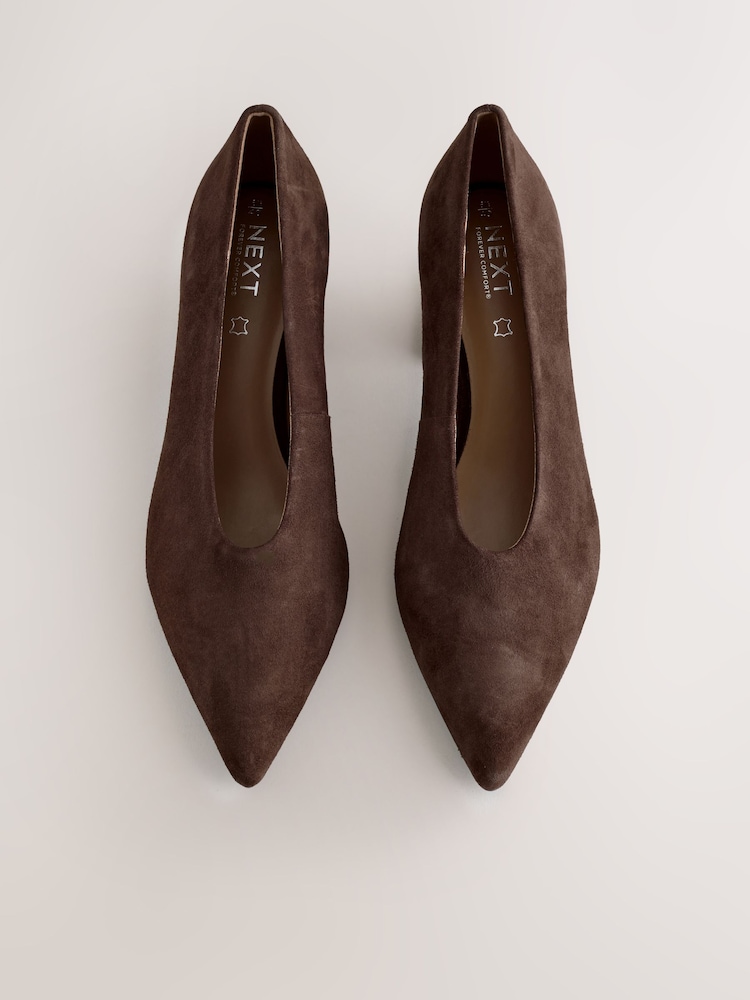
Effortless chic is a sustainable, intelligent, and deeply personal approach to style. It begins with a thoughtful foundation of versatile colors and silhouettes, is enriched through the mindful use of texture and statement pieces like chocolate brown heels, and is structured by the logical efficiency of a curated wardrobe. This philosophy liberates you from daily sartorial stress and aligns your external presentation with a sense of inner assurance. It proves that true style is not about chasing the new, but about perfecting and personalizing the timeless, allowing you to navigate every season with unwavering grace and individuality.
