

The Walking Shoe: Your Ultimate Guide to Comfort and Style for Every Outfit
Let’s be honest: for years, the term “walking shoe” conjured images of bulky, purely functional, and often aesthetically challenged footwear relegated to long airport terminals or early-morning power walks. They were the shoes you tolerated, not the ones you loved. But that era is decisively over. Today, the modern walking shoe represents a revolutionary fusion where biomechanical engineering meets runway-ready design. It is no longer a compromise but a cornerstone of a versatile wardrobe, capable of carrying you—in comfort and style—from a morning commute to an evening out, from a weekend museum stroll to a busy day of urban exploration. This guide is not about settling; it’s about discovering how the right pair can become an extension of your personal style and a daily investment in your physical well-being. We will dismantle the old stereotypes, arm you with scientific knowledge, and provide a clear path to finding the perfect pair that looks as good as it feels.
The Anatomy of Comfort: It’s More Than Just a Soft Sole
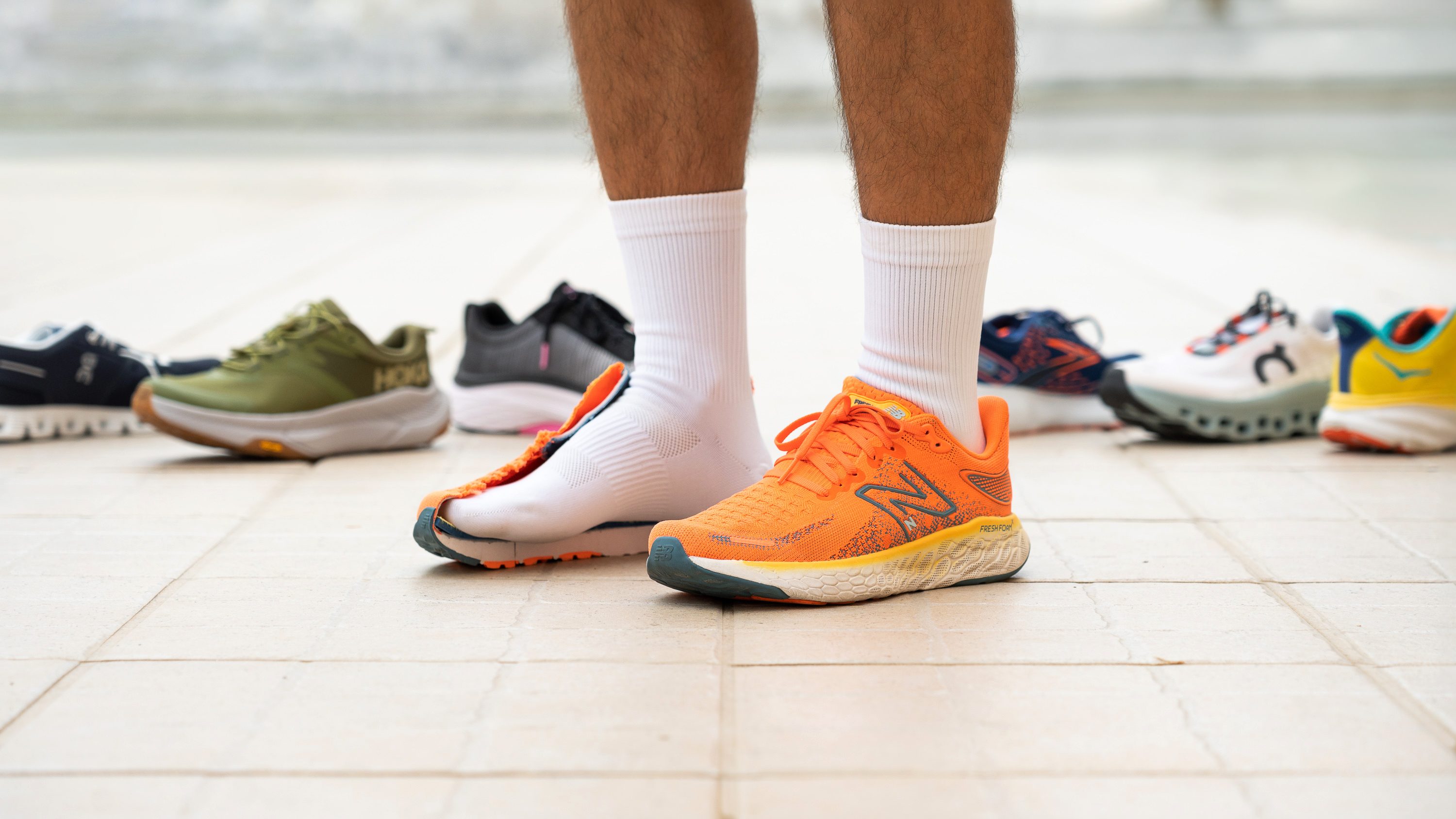
To understand why a great walking shoe works, we must first move beyond subjective feelings of “softness” and delve into the objective science of foot biomechanics. The human foot is a complex structure of 26 bones, 33 joints, and over 100 muscles, tendons, and ligaments. According to research from the American Podiatric Medical Association, an average person takes between 5,000 and 7,000 steps per day, with each step generating forces of up to 1.5 times your body weight. A shoe that merely feels soft upon initial press in the store may catastrophically fail under these repetitive loads. True comfort is a system. It begins with midsole technology, often utilizing materials like EVA (ethylene-vinyl acetate) foam, polyurethane, or proprietary compounds like Adidas’s Boost or Nike’s React. These materials are engineered not just for cushioning but for energy return—the percentage of energy absorbed upon foot strike that is returned to propel your next step. A 2018 study published in the Journal of Sports Sciences highlighted that shoes with higher energy return can improve running economy; the principle applies to walking, reducing muscular fatigue over distance.
Arch Support and Gait Cycle: The Unseen Essentials
Beneath the midsole lies the critical component of arch support. Your arch type—whether neutral, low (flat feet), or high—dictates how your foot pronates (rolls inward) or supinates (rolls outward) during the gait cycle. Pronation is a natural shock-absorbing motion, but excessive pronation (overpronation) can lead to a cascade of issues, including plantar fasciitis, shin splints, and knee pain. This is where the expertise of podiatrists and biomechanists becomes invaluable. As Dr. Jacqueline Sutera, a New York City-based podiatrist, often states in her public health commentaries, “A shoe that doesn’t match your arch type is like building a house on a faulty foundation.” A quality walking shoe will offer structured support through a firm medial post or a contoured footbed to guide the foot into a more neutral position. The outsole’s flexibility is also scientifically tuned. It needs to bend at the ball of the foot (the metatarsophalangeal joints), where 40-60% of the body’s propulsion force is generated during toe-off, as outlined in biomechanics literature from institutions like the University of Calgary’s Human Performance Lab. A sole that is too stiff wastes energy; one that is too flexible lacks stability.
Style is Not a Sacrifice: The New Design Paradigm
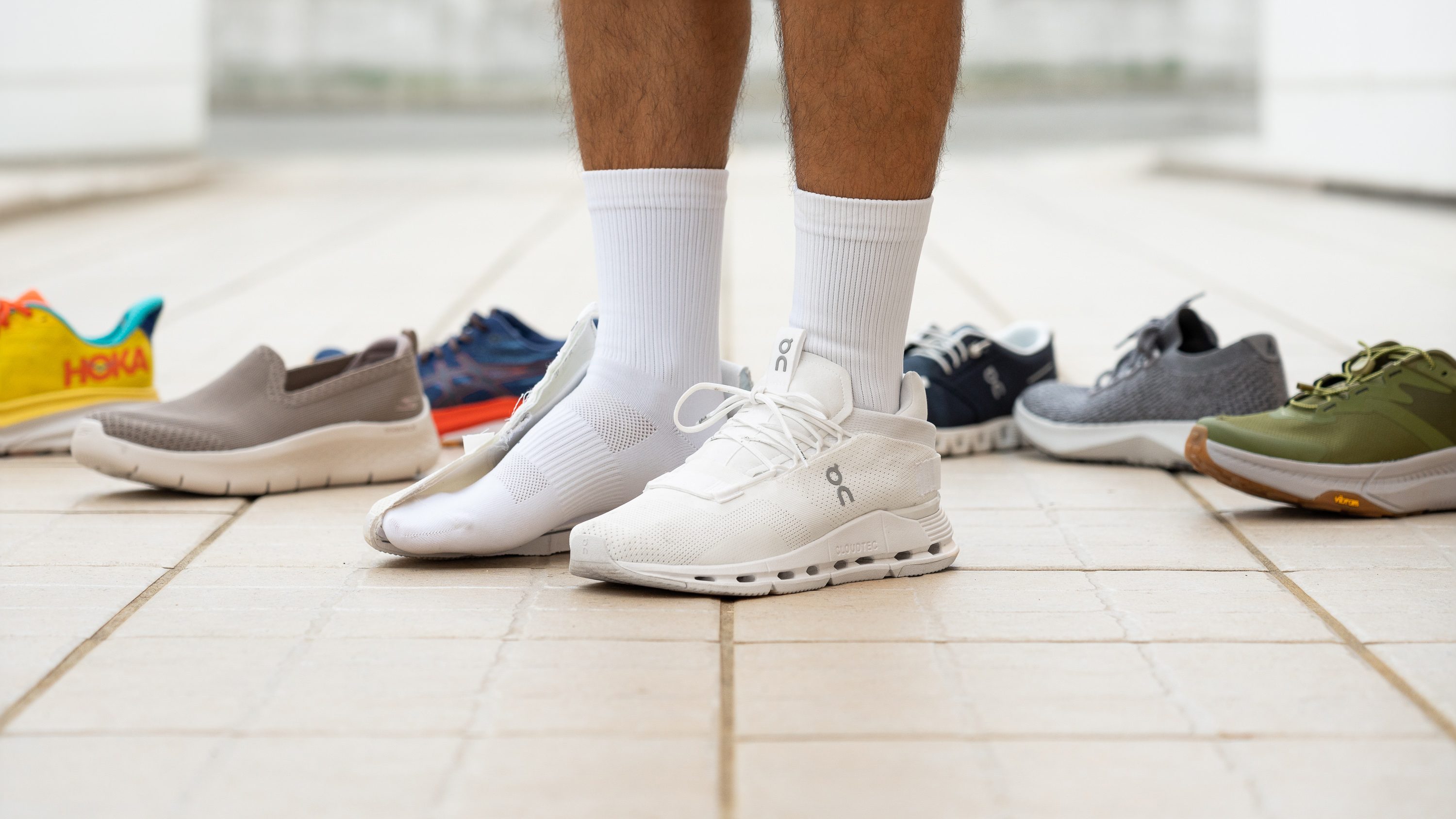
The historical dichotomy between “comfort shoes” and “fashion shoes” has been rendered obsolete by consumer demand and innovative design. Leading brands have dismantled the wall between their performance and lifestyle divisions. The evidence is everywhere: the sleek, minimalist profiles of brands like Allbirds, which uses sustainable merino wool and eucalyptus fiber; the chunky, retro-futurist appeal of Hoka One One, a brand born in the alpine running world and now ubiquitous on city streets; or the timeless elegance of Cole Haan’s Grand series, which infuses dress shoe silhouettes with Grand.ØS performance technology. This shift is a direct response to a cultural movement valuing experience and authenticity, as seen in the “athleisure” trend analyzed by market researchers like WGSN. The modern walking shoe is designed with the understanding that our lives are not compartmentalized. You need a shoe that transitions seamlessly. The color palettes have evolved from glaring white and gray to include muted olives, rich navies, classic blacks, and even bold, fashion-forward accents. Materials now range from high-tech knitted uppers that provide adaptive breathability to premium leathers and suedes treated for flexibility.
Curating Your Outfit: The Versatility Principle
The power of a well-chosen walking shoe lies in its chameleon-like ability to adapt. Let’s apply this principle to real-world scenarios. For a smart-casual work environment, a leather or suede sneaker with a clean, low-profile design from a brand like Koio or Greats can be paired with tailored trousers and a blazer, offering a contemporary alternative to traditional dress shoes that often lack support. For weekend wear, the technical prowess of a shoe like the walking shoe from Brooks or New Balance, in a neutral colorway, complements everything from jeans and a t-shirt to hiking shorts and a functional jacket. The key is intentionality. As fashion influencer and author Tan France emphasizes in his style guides, “Versatility comes from choosing pieces with a clear design language that doesn’t fight with the rest of your wardrobe.” A bulky, overly technical shoe in neon colors will clash with a minimalist outfit. Conversely, a sleek, monochromatic design becomes a unifying element. The goal is for the shoe to be an integrated part of the outfit’s story, not a glaring footnote about comfort.
Expert Voices and Enduring Wisdom
While personal experience is valuable, grounding our choices in expert opinion provides a robust defense against marketing hype. The value of proper footwear is a recurring theme across disciplines. The legendary runner and coach Dr. George Sheehan once wrote, “Shoes are the primary tool of the runner.” For the walker, this tool is equally critical. On platforms like YouTube, certified pedorthists and physical therapists, such as Bob & Brad (“The most famous physical therapists on the internet”), dedicate entire video series to shoe dissection, analyzing heel counters, toe boxes, and midsole density to educate viewers on what truly constitutes support. On Quora and specialized forums like /r/GoodYearWelt on Reddit, passionate communities deconstruct durability, material quality, and long-term comfort with near-academic rigor. Furthermore, literature and film often reflect this relationship with our footwear. In Cheryl Strayed’s memoir Wild, the catastrophic failure of her ill-fitting boots becomes a central physical and metaphorical obstacle on her Pacific Crest Trail journey—a stark lesson in the importance of proper gear. These perspectives, from clinical to cultural, reinforce that investing in a proper walking shoe is an act of practical self-care.
“You cannot underestimate the role of footwear in maintaining musculoskeletal health. The right shoe is a preventative device, much like a seatbelt. It’s not about luxury; it’s about mitigating the repetitive stress of daily life.” — Paraphrased consensus from podiatric medical literature and expert interviews featured on health platforms like Verywell Fit.
The Practical Purchaser’s Guide: Knowledge and Value
Armed with an understanding of “why,” the “how” of purchasing becomes a strategic exercise. First, get professionally fitted. Specialty running and walking stores often offer gait analysis, using pressure pads or simple video observation. Know your foot’s length, width (standard, wide, extra-wide), and arch type. Second, shop in the afternoon. Feet naturally swell throughout the day, and a shoe that fits in the morning may become tight. There should be about a thumb’s width of space between your longest toe and the end of the shoe. Third, prioritize the right feel over the size number. Sizing varies dramatically between brands and even models. The shoe should feel secure at the heel and midfoot, with room for your toes to splay naturally, a point heavily emphasized by biomechanists like Dr. Casey Kerrigan in her work on footwear physiology.
:max_bytes(150000):strip_icc()/when-should-i-replace-my-walking-shoes-3436325-0801-7a1840d83573471092e0380f9e230ecc.jpg)
Now, let’s talk value. A premium walking shoe from brands like Hoka, On, or ASICS often retails between $120 and $160. This price reflects advanced material science, rigorous testing, and ethical manufacturing. However, savvy shopping can yield significant savings. Consider previous season’s models, which are functionally excellent but may lack the latest color update; discounts of 30-40% are common. Official brand outlet websites, authorized retailers like Zappos or REI (especially during their member sales), and even reputable discount sites like Sierra Trading Post are treasure troves. For instance, a top-tier stability walking shoe like the Brooks Adrenaline GTS, with a $140 MSRP, can frequently be found for under $100 if you’re flexible on color. Remember, the true cost-per-wear of a shoe that protects your joints and lasts 450-500 miles (the general replacement guideline recommended by the American College of Sports Medicine) is remarkably low compared to the potential cost of physical therapy.
When to Retire Your Companion: Listening to the Signs
Even the best shoe has a finite lifespan. The cushioning materials compress and lose their resiliency long before the outsole wears through. The common indicator of 500 miles is a good benchmark, but listen to your body. New, unexplained aches in your feet, knees, hips, or lower back can be the first sign that your shoes’ shock absorption has degraded. Perform a simple visual and flex test: look for excessive creasing in the midsole and severe wear patterns on the outsole, particularly on the heel or medial side. If the shoe folds too easily in the middle rather than at the ball of the foot, its structural integrity is compromised. Replacing shoes proactively is a non-negotiable part of the comfort equation.
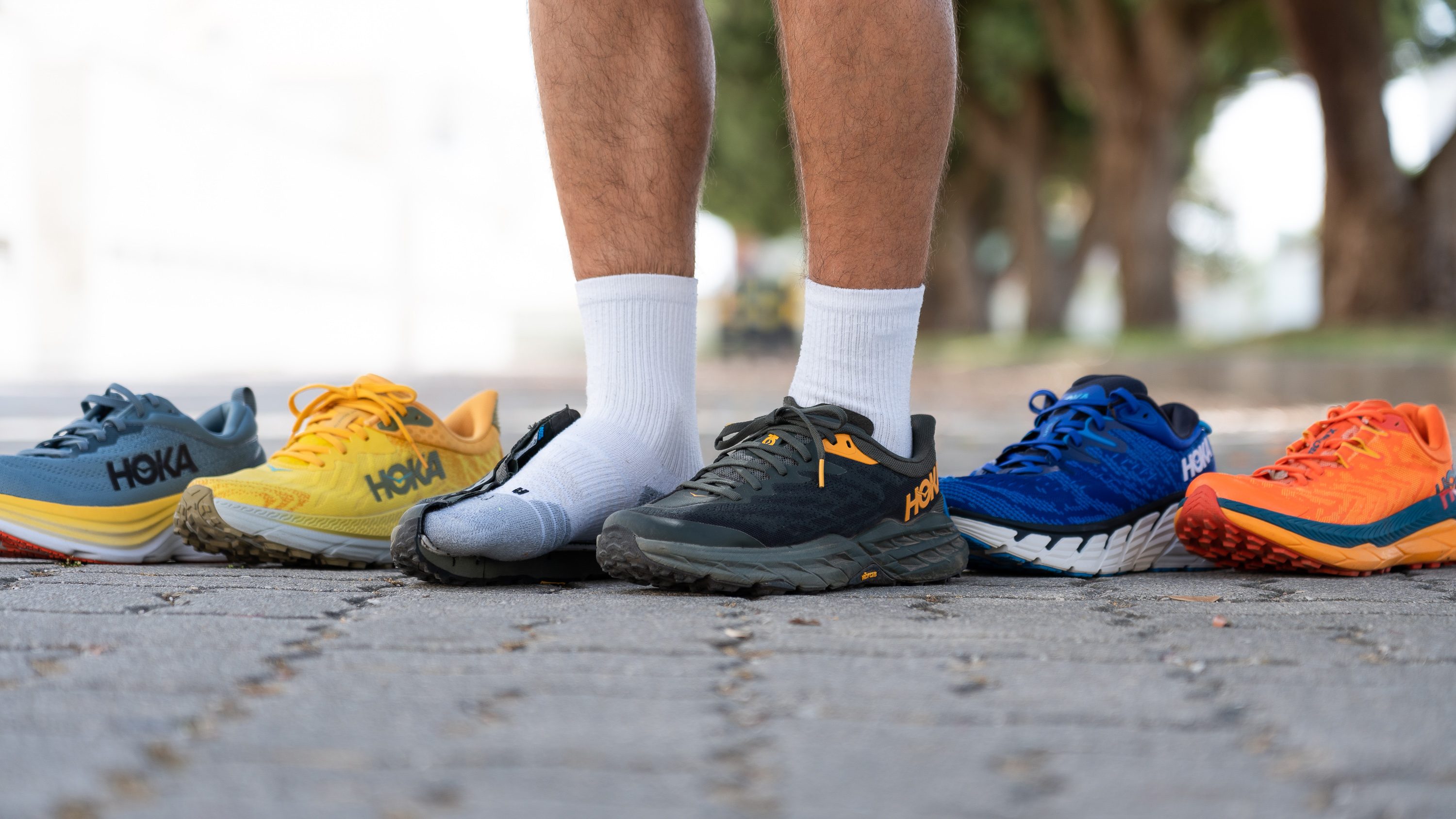
The journey to finding the perfect walking shoe is an investment in your daily quality of life. It is a rejection of the false choice between comfort and style. By understanding the science of support, embracing the new design ethos that values both form and function, and shopping with informed intentionality, you empower yourself to move through the world with confidence. Your shoes become silent partners in your adventures, providing a foundation of comfort that lets you focus on the experience, not your feet. Choose wisely, and step forward into a world where every outfit is an opportunity for both expression and effortless ease.
