

The Walking Shoe: Your Ultimate Guide to Comfort and Style
Forget the notion that comfort and style exist in separate worlds. The modern walking shoe has evolved into a sophisticated piece of footwear engineered for the dual demands of prolonged support and contemporary aesthetics. This isn’t about bulky, purely functional shoes you hide away; it’s about embracing footwear that empowers your stride and complements your life. Whether you’re navigating city streets, exploring nature trails, or simply seeking all-day comfort, the right pair is a foundational element of well-being. We’re moving beyond basic understanding to a detailed exploration of what makes these shoes essential, backed by science, expert insight, and a keen eye for design.
The Anatomy of Comfort: More Than Just a Soft Sole
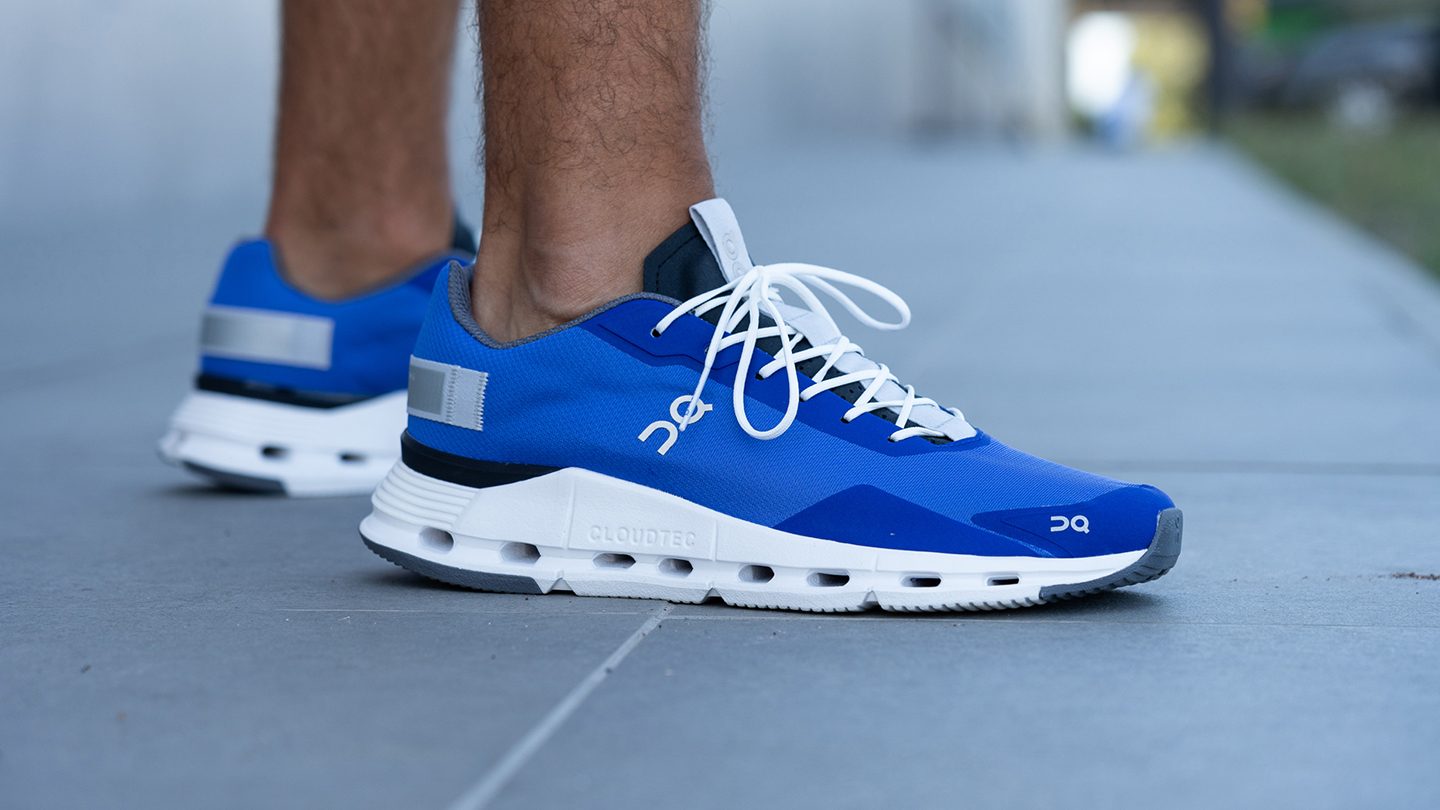
Comfort in a walking shoe is a complex symphony of biomechanics and material science, not a single note. It begins with the midsole, the heart of cushioning. Technologies like EVA (ethylene-vinyl acetate) foam, polyurethane, and advanced gels (like ASICS’ GEL cushioning) are designed to absorb the shock of heel strike—a force that can be 1.5 to 3 times your body weight with each step, according to gait analysis studies from institutions like the University of Calgary’s Human Performance Lab. The rocker sole, a design championed by brands like HOKA, facilitates a smooth heel-to-toe transition, reducing strain on the Achilles and calf muscles. Then comes the upper: breathable meshes (often engineered like those in Nike’s Flyknit) manage moisture and temperature, while structured heel counters and ample toe boxes prevent blisters and accommodate natural foot splay. As Dr. Miguel Cunha, founder of Gotham Footcare, often notes on platforms like Quora and in health publications, “A shoe that constricts or fails to support the arch can lead to a cascade of issues, from plantar fasciitis to knee pain.” The true walking shoe is, therefore, a holistic system where every component—from the insole to the lacing—works in concert to protect and propel.
Arch Support and Gait: The Unseen Essentials
Your arch type—whether neutral, flat, or high—dictates the level of support you need. This isn’t marketing; it’s podiatry. Neutral arches typically fare well with moderate support, while flat feet (overpronation) require motion control or stability features to prevent the ankle from rolling inward excessively. High arches (underpronation) need focused cushioning to compensate for lack of natural shock absorption. Brands like Brooks and Saucony have built their reputations on this science, offering detailed online fit guides. Your gait cycle, the pattern of how you walk, is equally critical. The ideal walking shoe complements your unique biomechanics. As highlighted in resources from the American Podiatric Medical Association (APMA), shoes bearing their Seal of Acceptance have been evaluated by a committee of podiatrists for promoting good foot health. Ignoring these factors is like putting the wrong fuel in a high-performance engine; it might move, but not efficiently or without long-term damage.
The Style Revolution: From Gym to Street
The aesthetic evolution of the walking shoe is a cultural shift. No longer confined to orthopedic clinics or the gym, designs now draw inspiration from retro runners, minimalist sneakers, and even high-fashion collaborations. Think of the enduring popularity of the New Balance 990 series, a staple in both serious walker and streetwear circles, or the sleek, monochromatic designs from brands like Allbirds and Cole Haan that seamlessly transition from a morning walk to a business-casual office. This fusion is validated by cultural commentators and fashion historians. As writer and trend analyst Sophia Amoruso once tweeted, “The power of a great shoe is in its versatility—it should work as hard as you do, and look good doing it.” Movies like “Forrest Gump” immortalized the simple running shoe as a symbol of enduring journey, while contemporary literature on design, such as Donald Norman’s “The Design of Everyday Things,” underscores that good design marries utility with pleasure. The modern walking shoe answers this call, proving that technical prowess can be wrapped in a visually compelling package.
Material Innovation and Sustainable Style
Today’s style is deeply intertwined with material innovation and sustainability. Knitted uppers provide a sock-like fit and reduce waste in production. Recycled materials, such as polyester from plastic bottles or rubber from scrap tires, are becoming standard in lines from Adidas (Parley for the Oceans) and Reebok (Cotton + Corn). This isn’t just a greenwashing trend; it’s a response to a consumer demand for ethical products, a viewpoint extensively documented on platforms like the “Good On You” website and in reports from universities like MIT’s Sloan School of Management. The aesthetic here is clean, conscious, and modern. When you choose a shoe made with these materials, you’re investing in a product that looks after your feet and the planet—a style statement that speaks volumes about your values.
Choosing Your Champion: A Five-Point Fit Checklist
Selecting the perfect pair is a personal journey, but guided by principles. Here is a actionable checklist to cut through the noise. First, always shop in the afternoon. Feet naturally swell throughout the day, and a shoe bought in the morning may feel tight later. Second, measure both feet and fit to the larger one. It’s common to have one foot slightly bigger. Third, prioritize thumb’s width of space in the toe box. Your toes should not touch the end when standing. Fourth, walk on a hard surface in the store, not just carpet. Feel for any pinching, slipping, or pressure points. Fifth, wear the socks you intend to walk in. This ensures an accurate fit. Remember the words of legendary runner and coach Bill Bowerman, co-founder of Nike: “A shoe is just a shoe until someone steps into it.” Your foot is unique; the shoe must conform to it, not the other way around.
Investment in Wellness: The Long-Term Value Proposition
Viewing a quality walking shoe as an expense misses the point; it’s an investment in your long-term mobility and health. Consider the cost-per-wear. A $150 pair worn for 500 miles of walking breaks down to 30 cents per mile—a negligible cost compared to potential physiotherapy bills for foot, knee, or back issues caused by inadequate footwear. Authoritative sources like Harvard Health Publishing consistently emphasize that proper footwear is a cornerstone of preventive health for active adults. Furthermore, the market is more accessible than ever. Direct-to-consumer brands and frequent sales on reputable sites like Zappos, REI, and even the brands’ own outlets offer premium technology at discounted prices. Signing up for newsletters or following brands on social media can alert you to flash sales and clearance events on previous models, which often contain the same core technology as the latest release. Professional knowledge here translates to smart shopping: you don’t need the newest colorway to get the foundational engineering.
When to Retire Your Shoes: Listening to the Signs
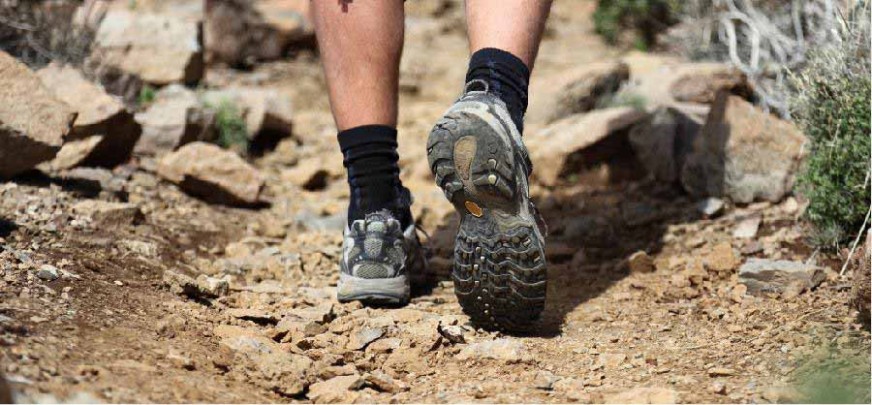
Even the best shoes have a lifespan. The general rule of 300-500 miles is a good guideline, but listen to the shoes and your body. Visibly worn-down treads, especially on the heel or ball of the foot, are a clear sign. Compressed midsoles that no longer bounce back, or creasing that feels flat, mean the shock absorption is gone. If you start experiencing new aches in your feet, shins, or knees, your shoes might be whispering (or shouting) their retirement notice. Replacing them proactively is a non-negotiable part of the investment, ensuring the comfort and protection you paid for remains active.
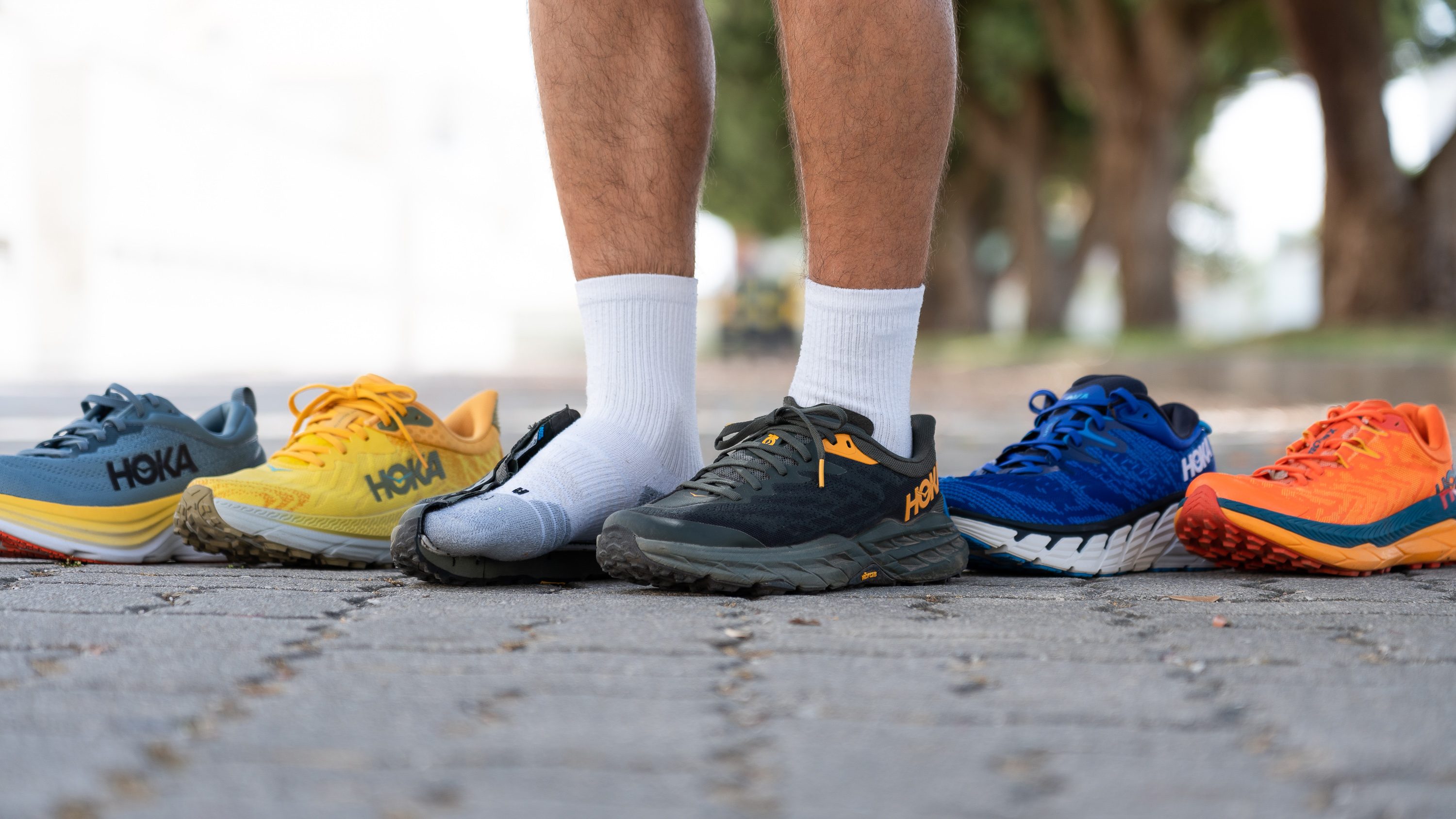
The journey to finding your ultimate walking shoe is a fusion of self-knowledge and scientific insight. It’s about recognizing that your feet are the foundation of your daily movement and deserve equipment that honors that role. By prioritizing the marriage of biomechanical support and personal style, informed by objective criteria and expert perspectives, you step into more than just footwear. You step into confidence, comfort, and a sustained ability to explore the world on your own terms. The path forward is best traveled in shoes designed for the journey.
