

The Walking Shoe: Your Ultimate Guide to Comfort and Style
In a world where every step counts, the choice of footwear transcends mere fashion. It becomes a fundamental decision impacting our daily comfort, joint health, and overall well-being. The modern walking shoe is no longer a simple piece of athletic gear; it is a marvel of biomechanical engineering designed to harmonize with the human gait. This guide delves beyond superficial trends, offering a scientific and practical exploration of what makes an exceptional walking companion. We will dissect the anatomy of comfort, demystify technical jargon, and provide actionable insights to help you invest in shoes that support your journey, whether it’s a daily urban commute or a weekend trail exploration. Forget fleeting styles; here, we prioritize the enduring marriage of support and aesthetics, proving that the most practical choice can also be the most stylish statement for your feet.
The Biomechanics of Walking: Why Your Shoes Are Engineering Marvels
To appreciate the sophistication of a dedicated walking shoe, one must first understand the complex mechanics of the human stride. Walking is a controlled fall, a repetitive cycle of heel-strike, mid-stance, and toe-off that generates forces up to 1.5 times your body weight with each step. According to research from the University of Virginia’s Motion Analysis and Motor Performance Laboratory, improper footwear can disrupt the natural gait cycle, leading to a chain reaction of stress through the ankles, knees, hips, and lower back. A proper walking shoe is engineered to manage these forces through specific design features. The heel counter, for instance, is a firm cup that stabilizes the rearfoot, preventing excessive inward roll (overpronation) or outward roll (supination). The midsole, often made from advanced materials like EVA (ethylene-vinyl acetate) foam or polyurethane, is the primary shock absorber. Its density and geometry are calibrated to cushion impact without being so soft that it destabilizes the foot. The rocker sole, a subtle curvature from heel to toe, facilitates a smooth transition through the gait cycle, reducing strain on the calf and Achilles tendon. This isn’t mere speculation; podiatrists and biomechanists consistently emphasize that shoes are the most common orthotic device people use, making their correct design non-negotiable for long-term musculoskeletal health.
:max_bytes(150000):strip_icc()/when-should-i-replace-my-walking-shoes-3436325-0801-7a1840d83573471092e0380f9e230ecc.jpg)
Decoding the Anatomy: Cushioning, Support, and Breathability
When you examine a walking shoe, you’re looking at a system of interconnected components, each with a distinct purpose. Let’s break down the three pillars: cushioning, support, and breathability. Cushioning is the most immediately noticeable feature. However, as noted by experts on platforms like Runner’s World and in studies from the Spaulding National Running Center, the goal is “responsive cushioning,” not “marshmallow soft.” Memory foam that deadens sensation can actually cause instability. Brands like ASICS with their GEL technology or Brooks with their DNA LOFT offer cushioning that attenuates shock while still providing feedback and a springy return of energy. Support is structural and often invisible. It involves the aforementioned heel counter, the arch support (or medial post), and the overall “last” or shape of the shoe. A shoe with good support will hold your foot securely without pinching, guiding it into a neutral position throughout the stride. Breathability is a function of the upper material. Modern meshes, often with strategic synthetic overlays for structure, allow heat and moisture to escape. This is critical not just for comfort but for foot health, as a damp environment promotes blisters and fungal infections. A well-ventilated walking shoe ensures your foot remains in a dry, temperate climate mile after mile.
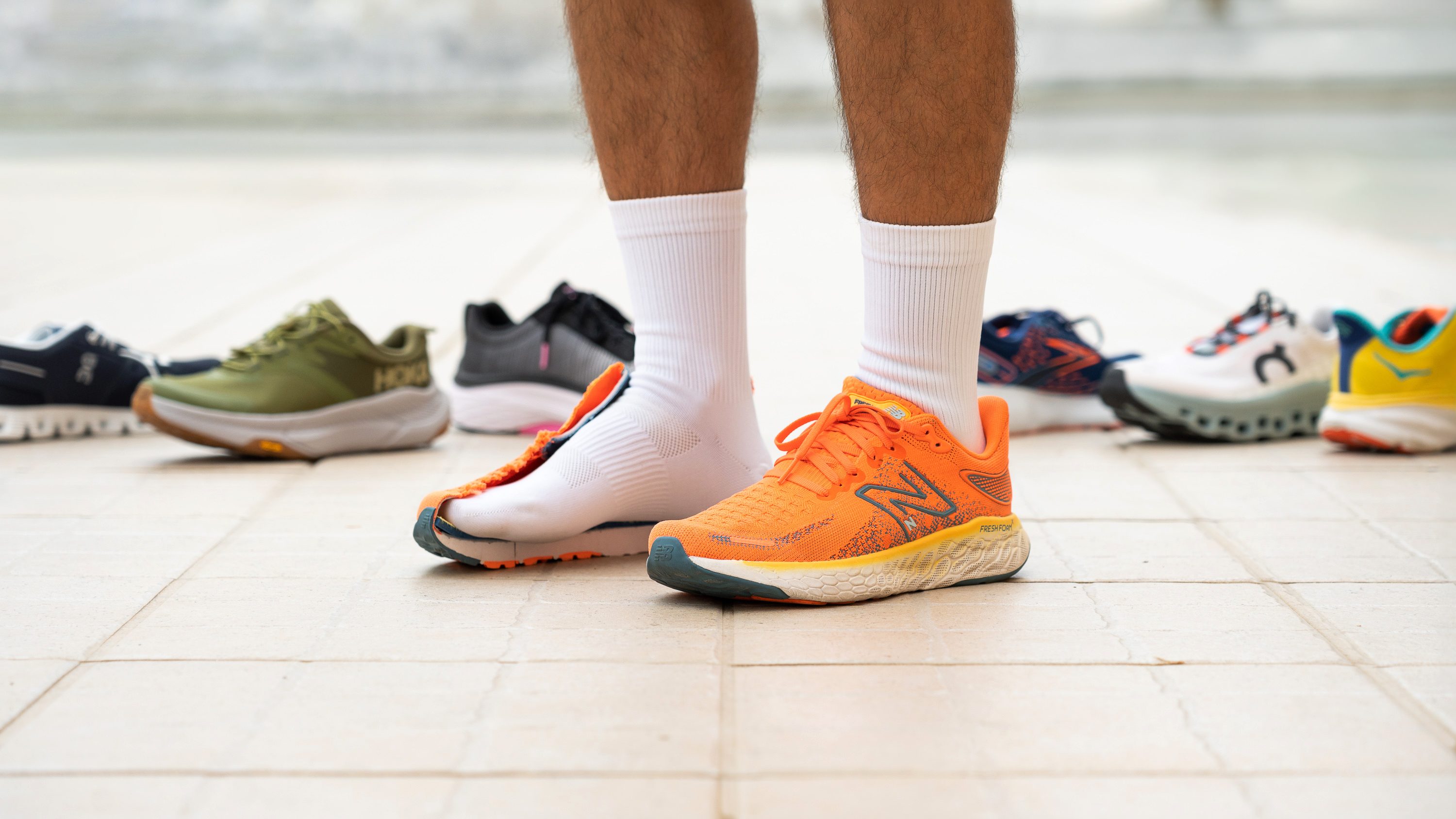
The Style Equation: When Form Faithfully Follows Function
The historical dichotomy between “comfort shoes” and “stylish shoes” is a false one, a relic of an era before ergonomic design permeated mainstream fashion. Today, the most coveted walking shoe designs are those that seamlessly integrate technical performance with contemporary aesthetics. Consider the global phenomenon of brands like HOKA ONE ONE. Initially embraced by ultrarunners for their maximalist cushioning, HOKAs have become a street-style staple, their bold silhouettes and vibrant colorways appearing in fashion editorials. This shift is echoed by industry leaders. As renowned designer Tinker Hatfield, the mind behind many iconic Nike Air Max models, once stated in an interview, “The best performance product, if it’s truly great, will have a beauty derived from its honesty of purpose.” The clean lines of a leather walking sneaker from Cole Haan or the sleek, knit upper of a pair from Allbirds are not afterthoughts; they are the direct result of a design philosophy where every stitch and seam serves a purpose. The style is inherent because the form is a pure expression of its function—to cradle, protect, and propel the foot efficiently. You are no longer forced to choose between looking good and feeling good; the modern market demands both.
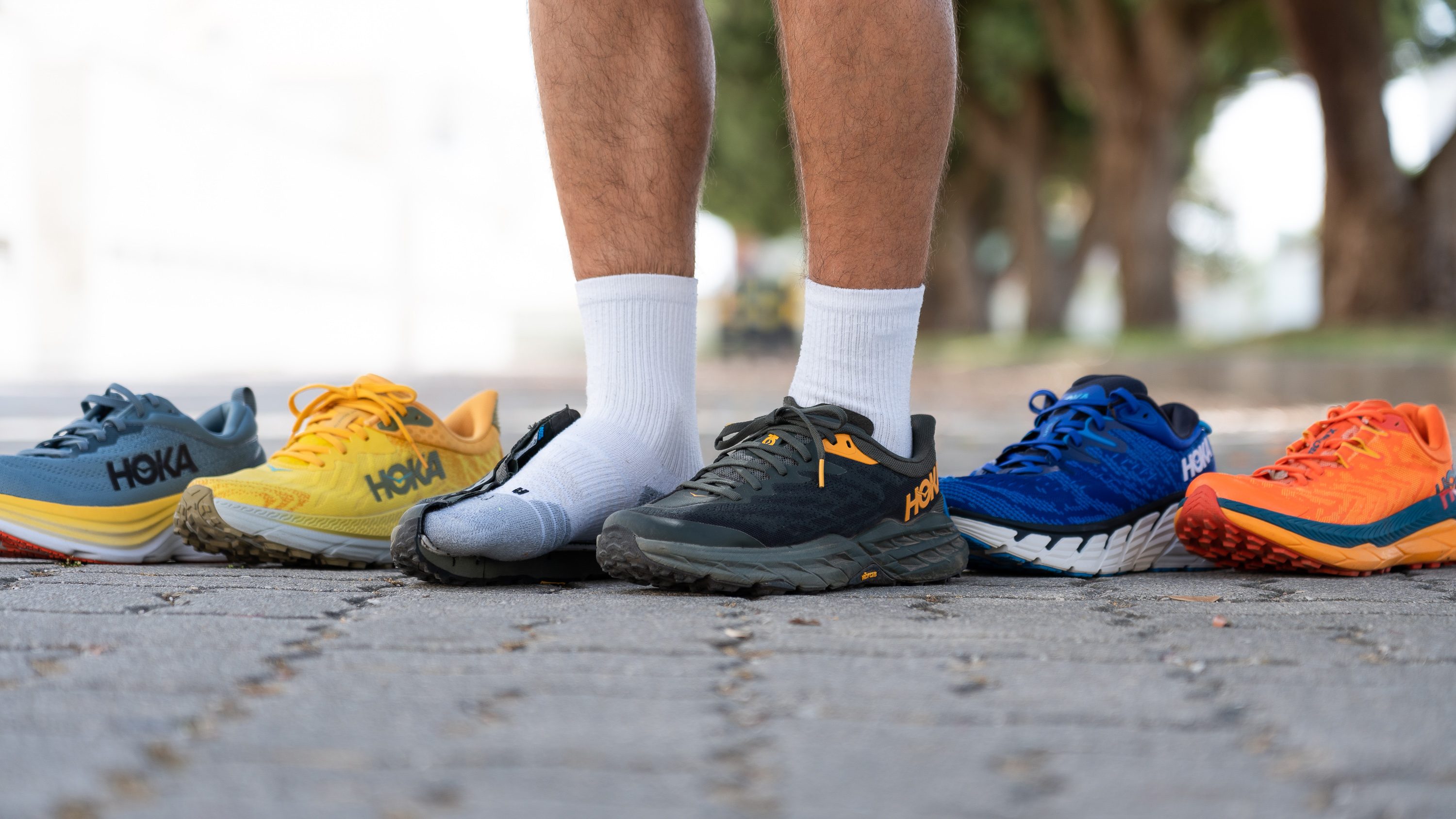
Making the Intelligent Investment: Fit, Longevity, and Value
Purchasing the right walking shoe is an investment in your physical health, and like any good investment, it requires due diligence. The single most critical factor is fit. A shoe that is too small will cause blisters and toenail damage; one that is too large will create friction and instability. Experts at institutions like the American Podiatric Medical Association recommend shopping for shoes in the afternoon, when feet are naturally slightly swollen, and ensuring there’s about a thumb’s width of space between your longest toe and the end of the shoe. Don’t be wedded to your usual size—brands and models vary significantly. Longevity is another key consideration. The cushioning materials in midsoles compress and lose their resiliency over time, typically between 300 to 500 miles of use, regardless of visible wear on the outsole. Continuing to use worn-out shoes is a primary cause of overuse injuries. This brings us to value. While premium walking shoes from brands like New Balance, Saucony, or Merrell may carry a higher initial price tag, their superior materials, construction, and biomechanical design offer far greater durability and protection per mile than discount alternatives. The true cost is not the price on the box, but the cost per step of support and comfort provided.
Your Personalized Path: Matching Shoe to Terrain and Physiology
Not all walks are created equal, and neither are all walking shoes. Your ideal pair is a function of your environment and your body’s unique mechanics. For the urban explorer primarily on pavement, a shoe with ample cushioning and a durable rubber outsole for grip on concrete is essential. For trail walking, look for models with aggressive lugs on the outsole for traction, a protective toe cap against rocks, and often a stiffer plate to shield the foot from uneven terrain. Your individual physiology is paramount. Those with flat feet or who overpronate require shoes with structured support and motion control features. Individuals with high arches or rigid feet often benefit from neutral shoes with enhanced cushioning to compensate for their foot’s natural lack of shock absorption. Many specialty running and walking stores offer gait analysis, sometimes using pressure plates or video, to provide data-driven recommendations. This personalized approach ensures the walking shoe you select is not just a generic product, but a tailored tool for your specific journey.
The journey toward finding the perfect walking shoe is a journey toward a more engaged and pain-free life. It is a decision that acknowledges the profound importance of the foundation upon which we move through our world. By prioritizing the scientific principles of biomechanics, the non-negotiable requirements of proper fit and support, and the modern reality that style is an integral component of function, you empower yourself to make an enlightened choice. Let your shoes be a testament to intelligent design, a daily companion that celebrates every step you take without complaint or compromise. The path forward is clear, and it begins with the conscious step of choosing the right footwear for the long walk ahead.
