

The Walking Shoe: Your Ultimate Guide to Comfort and Style
Forget the notion that functionality and fashion are mutually exclusive. The modern walking shoe stands as a testament to human ingenuity, a piece of engineered apparel designed to carry you through city streets, park trails, and daily errands without sacrificing an ounce of personal style. This isn’t about mere footwear; it’s about a foundation for an active, engaged life. The right pair can transform a chore into a pleasure, a commute into a journey, and a simple stroll into a moment of personal wellness. We are no longer bound to choose between orthopedic-looking clunkers and flimsy fashion sneakers. Today’s market offers a synthesis, where biomechanical science meets contemporary design, creating a product that supports your body and expresses your identity. Let’s delve into what makes the ideal walking companion, moving beyond marketing hype to the core principles of comfort, technology, and aesthetic appeal.
The Anatomy of Comfort: More Than Just a Soft Insole
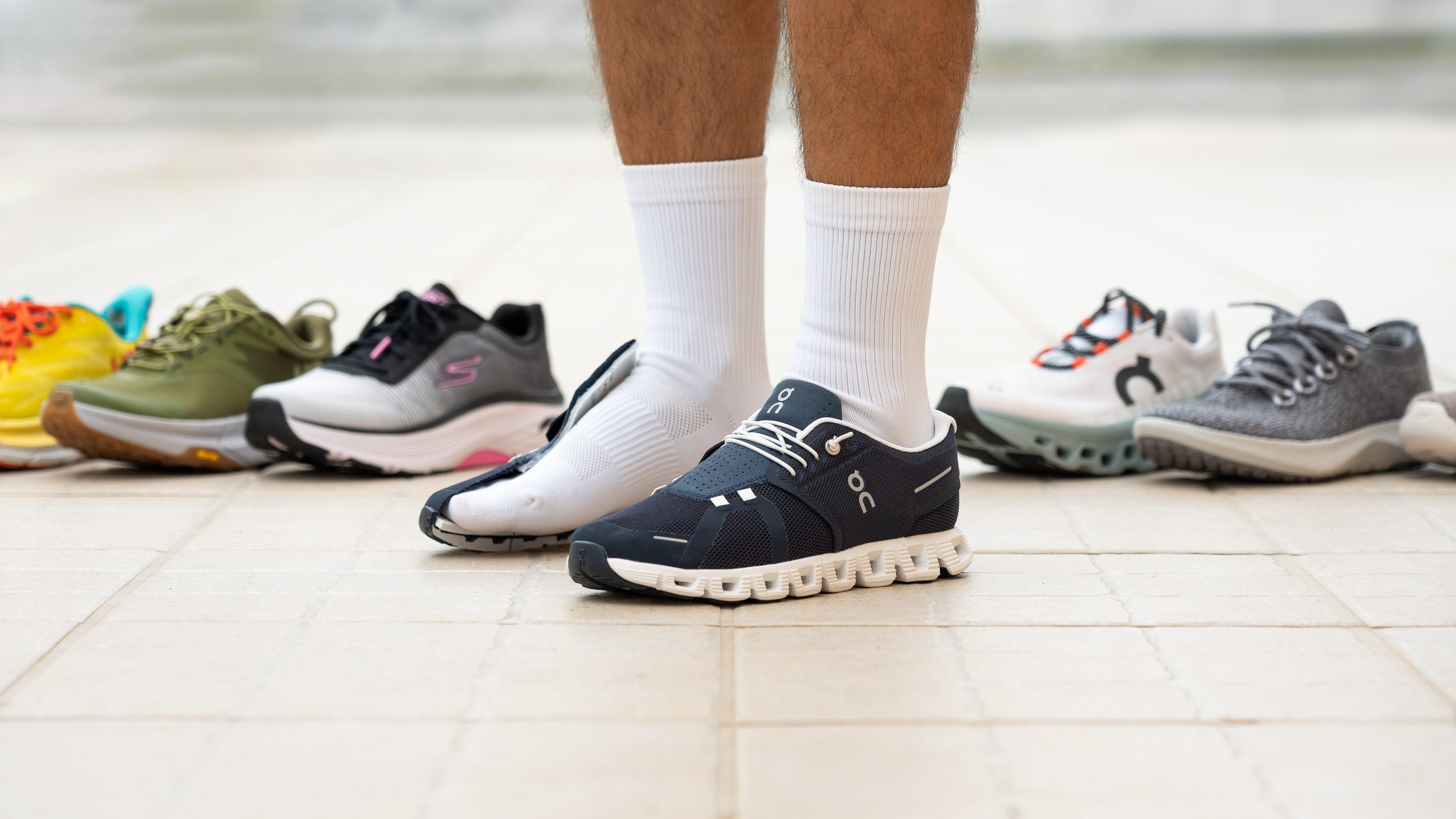
Comfort in a walking shoe is a complex, multi-layered experience, not a single feature. It begins with the last—the foot-shaped form around which the shoe is built. A well-designed last accommodates the natural splay of the toes upon foot strike, a principle often highlighted in podiatric literature from institutions like the American Podiatric Medical Association. The midsole is the true engine of comfort, typically utilizing advanced polymer foams like EVA (ethylene-vinyl acetate) or polyurethane. These materials are engineered for a specific balance: they must provide cushioning to attenuate the shock of heel strike—which can generate forces up to 1.5 times your body weight with each step—while also offering sufficient resilience or “energy return” to avoid a dead, mushy feel. As renowned ultrarunner and biomechanics researcher Dr. Ray McClanahan has often discussed in interviews, the goal is to protect the joints without destabilizing the foot. The insole or sockliner is the interface with your foot, managing moisture and providing arch support. True comfort is holistic, ensuring that from the plantar fascia under your arch to the Achilles tendon at your heel, every structure is considered and supported throughout the gait cycle. A shoe that fails in one area, no matter how plush its lining, will ultimately betray you over distance.
Material Science and Breathability
The upper of the shoe plays a critical role that is often underestimated. Modern uppers are feats of material science, utilizing engineered meshes, seamless thermoplastic polyurethane (TPU) overlays, and even knitted textiles. The primary objective is breathability coupled with structured support. A mesh that is too open may offer supreme ventilation but lack the necessary lockdown, causing your foot to slide and blister. Conversely, a non-breathable synthetic leather might offer structure but turn the shoe into a sweaty, uncomfortable environment. Brands often reference technologies like Gore-Tex for waterproof breathability in inclement conditions, but for the everyday walker, a well-engineered mesh is paramount. Consider the words of shoe designer Tinker Hatfield, known for iconic Nike designs, who once stated in a documentary that “the shoe must be a tool and a piece of sculpture.” This philosophy extends to the walking shoe: the upper must be a functional tool for climate control and fit, sculpted to move with the foot’s complex geometry. The choice of materials directly impacts hygiene, durability, and the micro-climate around your foot, making it a cornerstone of long-term comfort.
:max_bytes(150000):strip_icc()/vwt-asics-womens-gel-pulse-16-jinfeng-chen-21-712f0f140e834b84b3a8dcf0bf154771.jpeg)
Style as Self-Expression: The Aesthetic Revolution
Gone are the days when “sensible shoes” were a style concession. The contemporary walking shoe has undergone an aesthetic revolution, driven by the athleisure trend and a cultural shift towards health-conscious living. Style in this context is not about frivolous decoration; it’s about integration into your personal wardrobe. Do you prefer minimalist, monochromatic designs that echo Scandinavian aesthetics, like those from brands such as Allbirds or certain ECCO models? Or are you drawn to the bold, maximalist tech-wear look, with striking color blocking and complex midsole geometries exemplified by HOKA ONE ONE? This stylistic diversity is powerful. It means you can transition from a morning walk to a casual lunch or even a less formal workplace without feeling conspicuously “sporty.” The influence is visible in popular culture, from the sleek trainers worn by characters in films like “Her” to the ubiquitous presence of stylish sneakers on fashion-focused platforms like Instagram and TikTok. The shoe becomes an extension of your personal narrative, signaling that you value both well-being and design intelligence. Choosing a style isn’t superficial; it’s about selecting a tool that you are excited to wear, which in turn motivates consistent use.
The Color and Silhouette Balance
Navigating style involves understanding the balance between color and silhouette. A chunky, supportive sole—a common feature for stability and cushioning—can be styled effectively. The key is in the color palette. A bold, chunky shoe in a neutral tone like white, grey, or black can act as a statement piece that grounds an outfit, a concept frequently explored in men’s and women’s fashion magazines. Conversely, a more streamlined silhouette can carry a brighter, more adventurous color without overwhelming the wearer. Fashion historian and author of “Sneakers: The Complete Limited Editions Guide,” Simon Wood, notes that the acceptance of athletic silhouettes in everyday fashion represents a democratization of style, prioritizing individual comfort and choice over rigid formal codes. Your walking shoe’s silhouette should complement your typical attire, while its color can either serve as a versatile anchor or a purposeful accent. This thoughtful selection ensures your footwear is not just worn but showcased, blending seamlessly into your life’s visual tapestry.

The Fitting Ritual: Why Your Afternoon Feet Need Attention
Perhaps the most critical, yet most overlooked, step in acquiring the perfect walking shoe is the fitting process. Your feet are dynamic, changing throughout the day due to gravity and activity. They can swell by as much as a half-size or more from morning to afternoon, a fact routinely cited by professional shoe fitters and pedorthists. Therefore, the ideal time to shop for shoes is in the late afternoon or evening. The fit must account for more than just length. Width is paramount—a shoe that is too narrow will compress the metatarsals and lead to issues like neuromas, while one too wide will lack stability. There should be about a thumb’s width (roughly 3/8 to 1/2 inch) of space between your longest toe and the end of the shoe to allow for natural forward movement during the heel-to-toe transition. Don’t assume your size; have your feet measured each time, and always try on both shoes. Walk around the store on a hard surface, not just carpet. As the famous running coach and author Jeff Galloway emphasizes in his training guides, “The shoe must fit the foot you have today, not the foot you wish you had.” This ritualistic attention to fit is the single greatest determinant of whether a shoe’s advanced technology will work for or against you.
Investment Versus Cost: Decoding Value in Footwear
Viewing a walking shoe through the lens of cost alone is a short-sighted approach. The true metric is value, which encompasses durability, performance, and the preventative health benefits it provides. A cheaper shoe may use lower-grade foam that compresses and loses its cushioning properties within a few months, altering your gait and potentially leading to discomfort in the knees, hips, or back. A well-constructed shoe from a reputable brand, while perhaps carrying a higher initial price tag, is an investment in your musculoskeletal health. The materials in the outsole (like carbon rubber in high-wear areas), the quality of the stitching, and the integrity of the midsole compound all contribute to a longer usable lifespan. Think of it as cost-per-mile. A $50 shoe that falls apart in 3 months is far more expensive than a $120 shoe that provides support and comfort for 12 months or 500 miles, a common replacement benchmark suggested by many podiatrists. Furthermore, the market often provides opportunities for value. End-of-season sales, outlet stores, and reputable online retailers frequently offer previous models at significant discounts—sometimes 30-50% off—with only minor technological differences from the latest version. This is where professional knowledge pays off: understanding that last year’s award-winning model at a discounted price is almost always a smarter buy than this year’s untested, full-price alternative.
Your Gait, Your Guide: The Personalization Imperative
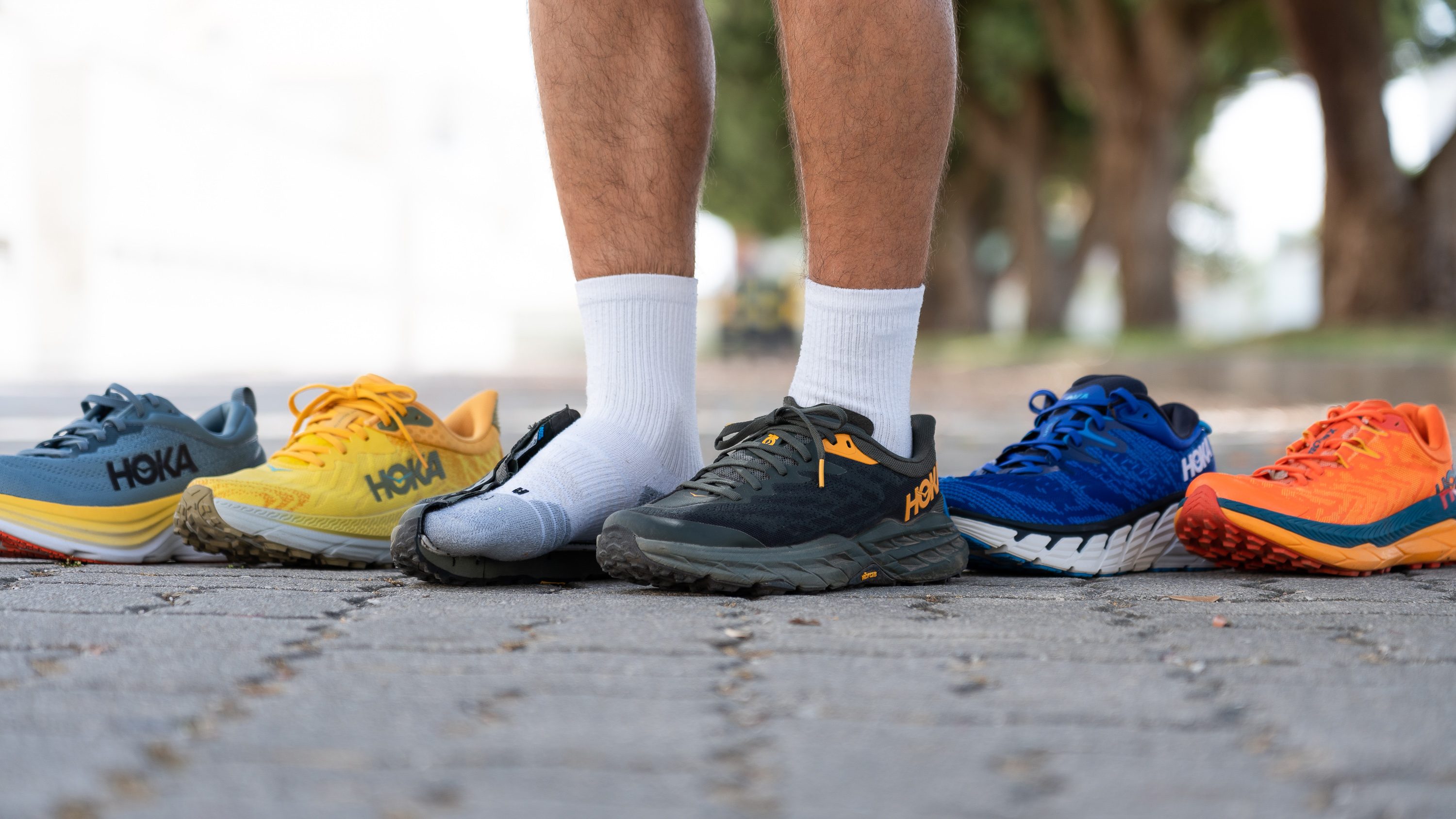
Finally, the quest for the ultimate walking shoe is deeply personal because your gait is as unique as your fingerprint. While general categories like “neutral,” “stability,” and “motion control” provide a starting framework, they are not absolute commandments. Your gait involves the complex interplay of pronation (the natural inward roll of the foot upon landing), stride length, and foot strike pattern. A “stability” shoe with a medial post might be essential for someone with excessive, uncontrolled pronation, but it could be overly rigid and restrictive for a neutral walker. Many specialty running and walking stores offer gait analysis, sometimes using simple video technology, to provide personalized recommendations. This aligns with a broader trend in wellness towards personalized solutions, much like the tailored fitness regimens found on apps or advice from physical therapists. Literature from sports medicine departments, such as those at the University of British Columbia, often stresses that footwear should complement, not correct, natural movement patterns unless a specific, diagnosed pathology exists. The best walking shoe is the one that feels like a natural extension of your body, facilitating your inherent movement rather than fighting against it. It should make you forget it’s there, freeing you to focus on the world around you, the rhythm of your steps, and the simple joy of movement.
The journey to finding your ideal walking companion is an intersection of science and sensibility. It demands an understanding of the technology that cushions your stride, an eye for the design that reflects your style, and the wisdom to invest in a fit that respects your body’s mechanics. When these elements align, the shoe ceases to be a mere accessory. It becomes a trusted partner in exploration, a daily catalyst for movement, and a quiet statement that in your life, comfort and style walk hand in hand. Embrace the search, for the right pair doesn’t just carry you forward—it elevates every step of the way.
