

The Walking Shoe: Your Secret to Effortless Style and All-Day Comfort
Forget the notion that comfort and style exist in separate realms. The modern walking shoe has evolved into a sophisticated hybrid, a piece of footwear engineered not just for movement but for living. It is the unsung hero of the urban landscape, the foundation upon which a day of confidence, productivity, and ease is built. This isn’t about athletic performance in the traditional sense; it’s about the performance of daily life. From the first step out your door to the last one back in, the right shoe doesn’t just carry you—it elevates you. The secret lies in understanding that this essential item is no longer a compromise but a deliberate choice for a better, more comfortable, and inherently stylish existence.
The Anatomy of All-Day Comfort: More Than Just a Soft Sole
Comfort in a walking shoe is a complex symphony of biomechanics and material science, not a single note of cushioning. It begins with ergonomic design principles that align with the natural gait cycle. As noted in podiatric literature from institutions like the University of Pittsburgh School of Medicine, proper foot support is critical in preventing a cascade of issues, from plantar fasciitis to knee and lower back pain. A truly comfortable shoe addresses three core areas: cushioning, stability, and fit. Cushioning, often provided by advanced polymer foams like EVA or proprietary blends such as Brooks’ DNA LOFT or Hoka’s Profly+, absorbs impact forces that can be up to 1.5 times your body weight with each step. However, cushioning alone is insufficient without stability. Motion control technologies, like medial posts or arch-supporting bridges, guide the foot to prevent excessive inward rolling (overpronation) or outward rolling (supination), which are primary culprits of fatigue and injury. Finally, the fit must be precise—roomy in the toe box to allow natural splay, secure in the heel to prevent slippage, and accommodating through the midfoot. This tripartite approach transforms walking from a potentially taxing activity into a sustained, pleasurable one.
Where Engineering Meets Aesthetics: The Rise of Technical Style
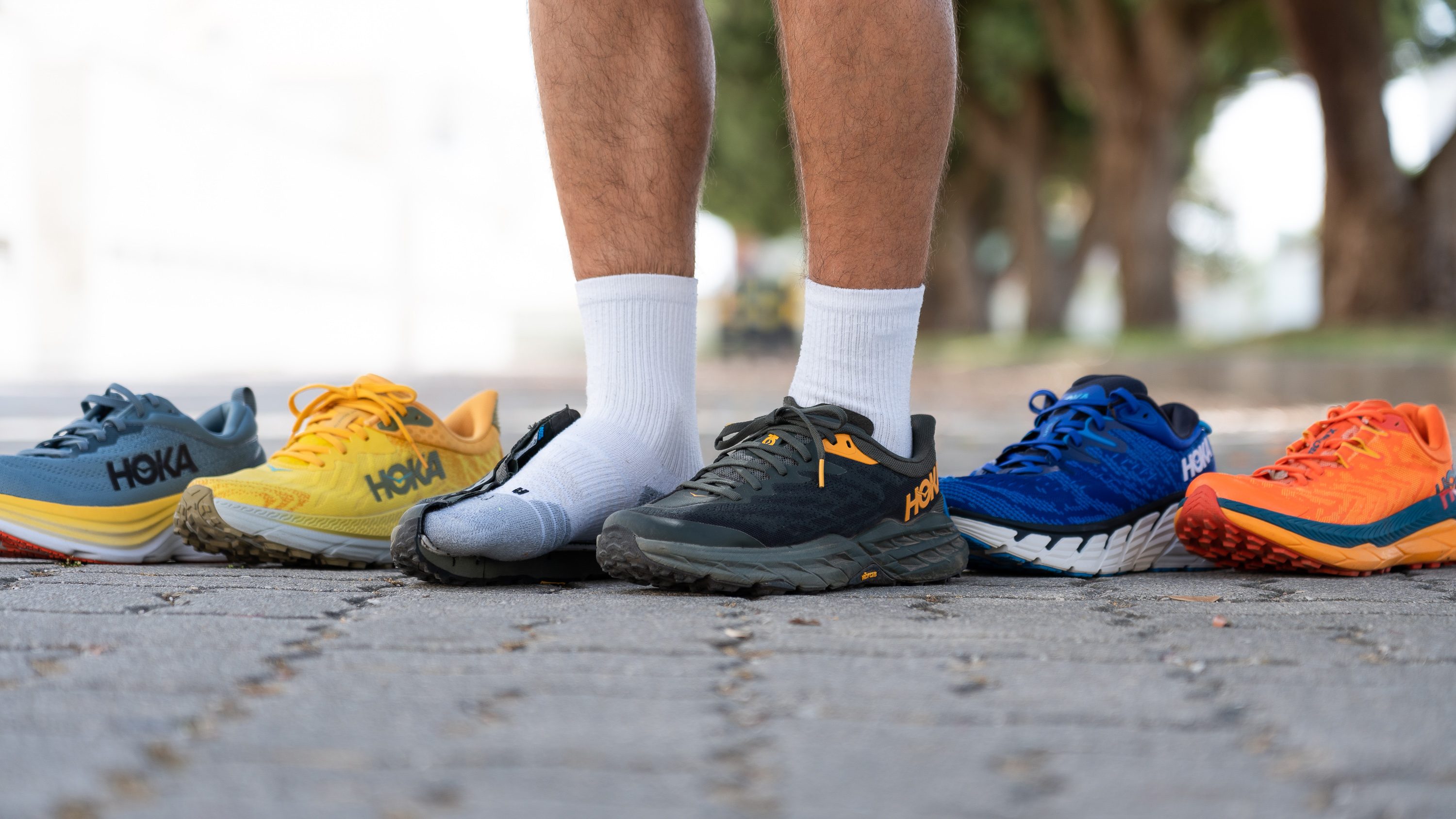
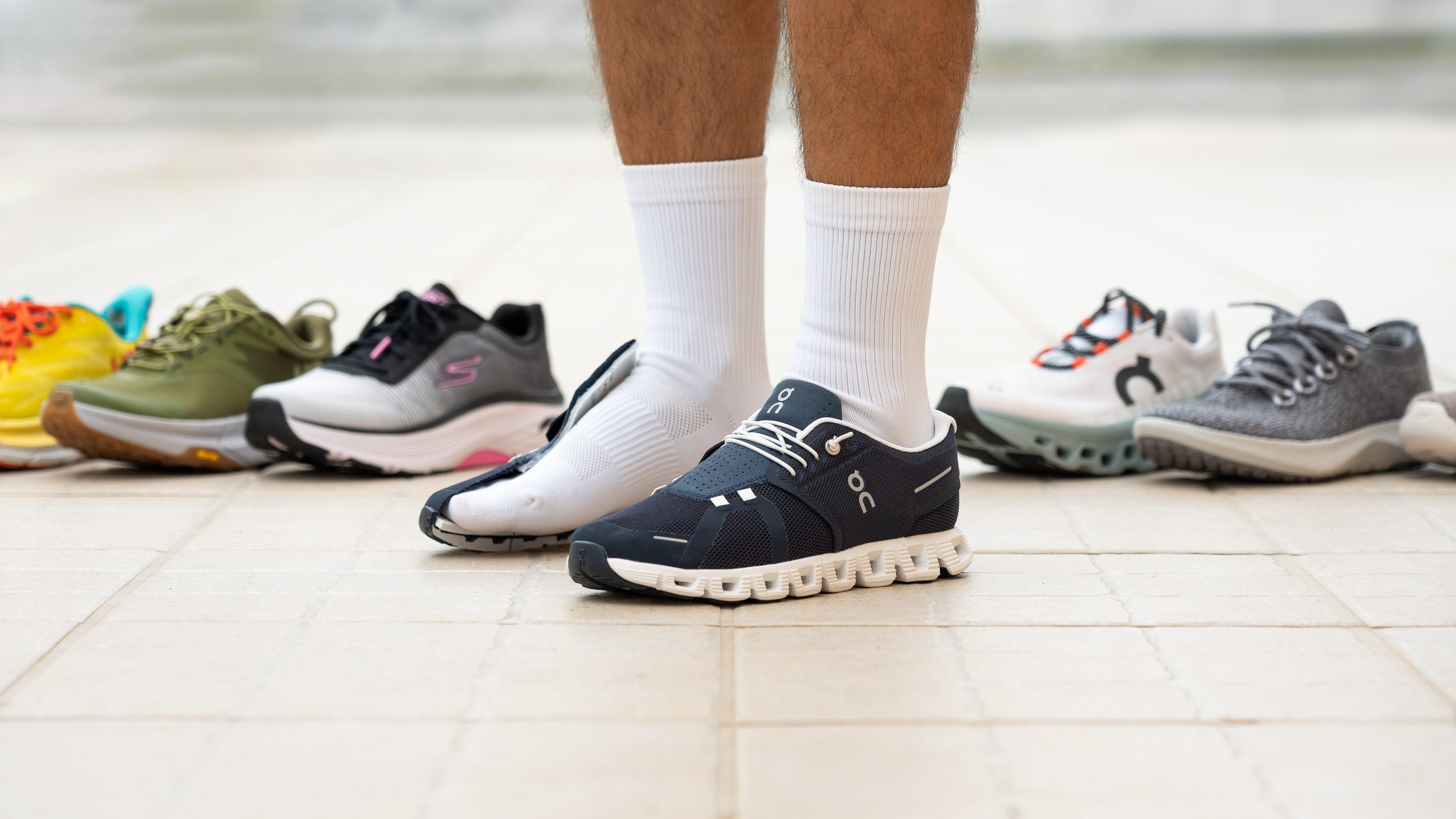
The historical divide between “sneakers” and “dress shoes” has irrevocably blurred. This shift is driven by a cultural movement, famously echoed by figures like Steve Jobs and Mark Zuckerberg, who adopted uniform, comfortable footwear as a statement of pragmatic focus. Today, the aesthetic of the technical walking shoe is celebrated. Brands are leveraging clean lines, monochromatic color palettes, textured fabrics like engineered mesh and suede, and sculptural midsoles that look as compelling in a design museum as they do on the street. The chunky, “dad shoe” trend, popularized by high-fashion houses, is a direct homage to the comfort-first ethos of performance walking shoes. This isn’t merely a trend; it’s a redefinition of smart casual. A sleek, well-designed pair from brands like On Running or Cole Haan’s Grand series can seamlessly transition from a morning commute to a client meeting to an evening out. The viewpoint is clear: style is no longer skin deep. True modern style incorporates the intelligence of its construction, making the engineered look of a high-performance walking shoe a badge of informed, conscious living.
The Investment in Your Foundation: Cost-Per-Wear Wisdom
Viewing a premium walking shoe as an expense is a fundamental error; it is an investment in your physical capital. Consider the cost-per-wear model: a $150 pair worn 300 days a year for two years costs just 25 cents per day. Compare this to cheaper, poorly constructed shoes that may cause discomfort, reduce your willingness to walk, and potentially lead to medical bills. The value proposition extends beyond durability. As celebrity trainer Harley Pasternak has often stated on platforms like YouTube, “The most important piece of equipment in your fitness journey is your shoes.” This sentiment is echoed by countless physical therapists on Quora and health blogs, who identify footwear as the first line of defense against chronic pain. The materials in higher-end shoes—carbon rubber outsoles for longevity, breathable, moisture-wicking liners for hygiene, and adaptive cushioning that doesn’t break down quickly—justify the initial outlay. Furthermore, the market has democratized access to this technology. Direct-to-consumer brands and frequent sales on reputable sites bring professional-grade features to users at discounted prices, making the investment more accessible than ever. You are not buying a product; you are purchasing sustained comfort, health, and mobility.

The Unseen Benefits: Psychology and Posture
The influence of the right shoe extends into the psychological realm. There is a well-documented connection between physical comfort and mental state, often referred to as embodied cognition. When your feet are at ease, your mind is freed from a constant, low-level distraction. This allows for greater focus, reduced stress, and a more positive outlook. Moreover, proper footwear directly impacts posture. A shoe with adequate arch support and a balanced heel-to-toe drop encourages a neutral alignment of the spine. As noted in ergonomics literature from Cornell University, poor posture can lead to decreased energy, reduced lung capacity, and a less confident appearance. The right walking shoe literally helps you stand taller. This physical uplift translates into a psychological one. The act of choosing a shoe that supports your well-being is an act of self-care, a daily reminder that you value your own comfort and capability. It’s a subtle yet powerful form of empowerment that resonates through every interaction and task.
Navigating the Selection: A Guide to Your Perfect Pair
Finding your ideal walking shoe is a personal journey, but it should be guided by science, not just marketing. First, understand your foot type. The “wet test” (checking your footprint on a dry surface after stepping out of water) can reveal if you have low, neutral, or high arches, which correlates to your pronation pattern. Second, prioritize fit over size number. Your feet swell throughout the day, so shop in the afternoon or evening. There should be about a thumb’s width of space between your longest toe and the end of the shoe. Third, consider your primary terrain. Are you mostly on paved surfaces, or do you incorporate light trails? The outsole tread pattern varies accordingly. Fourth, don’t ignore weight. A lighter shoe reduces leg fatigue over long distances, a principle championed by running experts like those cited in “Runner’s World.” Finally, trust reputable brands with a heritage in biomechanics—such as Asics, New Balance, Saucony, and the aforementioned Brooks and Hoka. These companies invest in research and development that trickles down into every model they produce. Remember, the best shoe is the one that disappears on your foot, allowing you to move through your world without a second thought.
A Statement Beyond Words
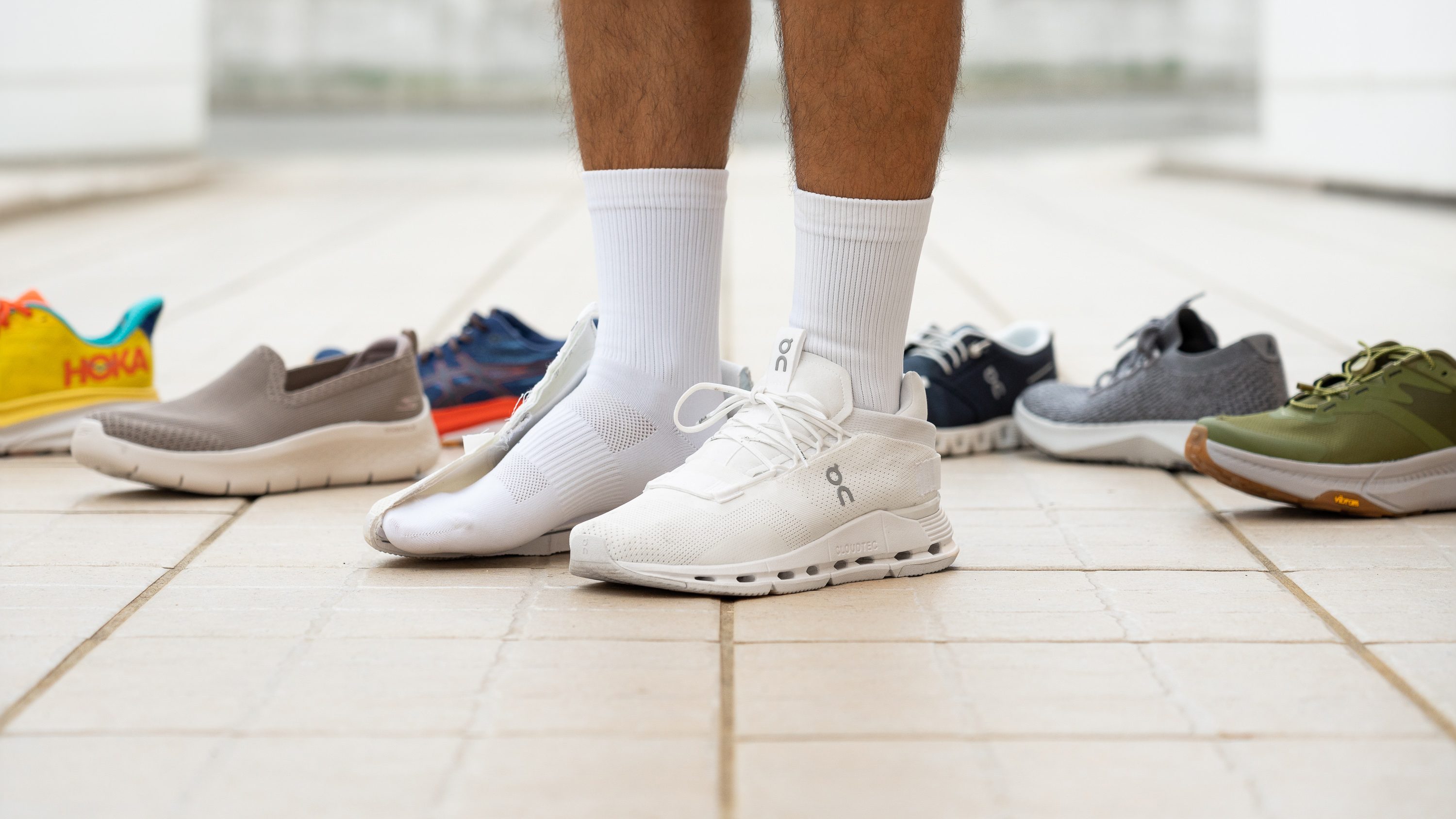
In the end, the walking shoe you choose is a silent communicator. It speaks to your understanding of your own body, your respect for the demands of your day, and your appreciation for design that serves a purpose. It rejects the false choice between looking good and feeling good. As the lines between work, leisure, and fitness continue to merge, our footwear must be equally versatile. The modern walking shoe is that versatile tool. It is the secret weapon for the urban explorer, the busy professional, the active parent, and the style-conscious individual. It promises and delivers a foundation of comfort that makes every step confident, every journey enjoyable, and every day just a little bit easier. This is the new standard: effortless style and all-day comfort, engineered into every step.
