

The Walking Shoe: Your Secret to Effortless Style and All-Day Comfort
Imagine a single item in your wardrobe that bridges the gap between a demanding schedule and personal well-being, between looking polished and feeling utterly at ease. This isn’t a fantasy of futuristic fashion; it’s the reality offered by the modern walking shoe. Far from the clunky, purely utilitarian designs of the past, today’s iterations are a masterclass in biomechanical engineering and aesthetic subtlety. They are the unsung heroes of urban life, the foundation upon which a day of confidence and comfort is built. This article delves into the anatomy, science, and philosophy behind the perfect walking shoe, arguing that its conscious selection is not merely a purchase but an investment in your daily performance and style.
The Foundation: Understanding Gait Biomechanics and Shoe Architecture
To appreciate the sophistication of a proper walking shoe, one must first understand the complex mechanical process it supports: the human gait. According to research from institutions like the Harvard Medical School and the American Podiatric Medical Association, walking is a repeated cycle of heel-strike, mid-stance, and toe-off, involving a delicate coordination of bones, muscles, ligaments, and tendons. Each step generates forces that can exceed 1.5 times your body weight. A shoe that fails to accommodate or support this natural motion can lead to a cascade of issues, from localized foot pain and plantar fasciitis to problems radiating upwards into the knees, hips, and lower back. The architecture of a dedicated walking shoe is a direct response to this. Key features include a beveled or rounded heel to promote a smooth heel-to-toe transition, flexible forefoot construction to facilitate the toe-off phase, and strategic cushioning that absorbs shock without creating an unstable, overly soft platform. Unlike running shoes, which are designed for forward momentum and higher impact, walking shoes prioritize stability and support for the more grounded, heel-first strike. This scientific foundation transforms the shoe from a simple covering into a dynamic partner in movement.
Midsole Technology: The Engine of Comfort
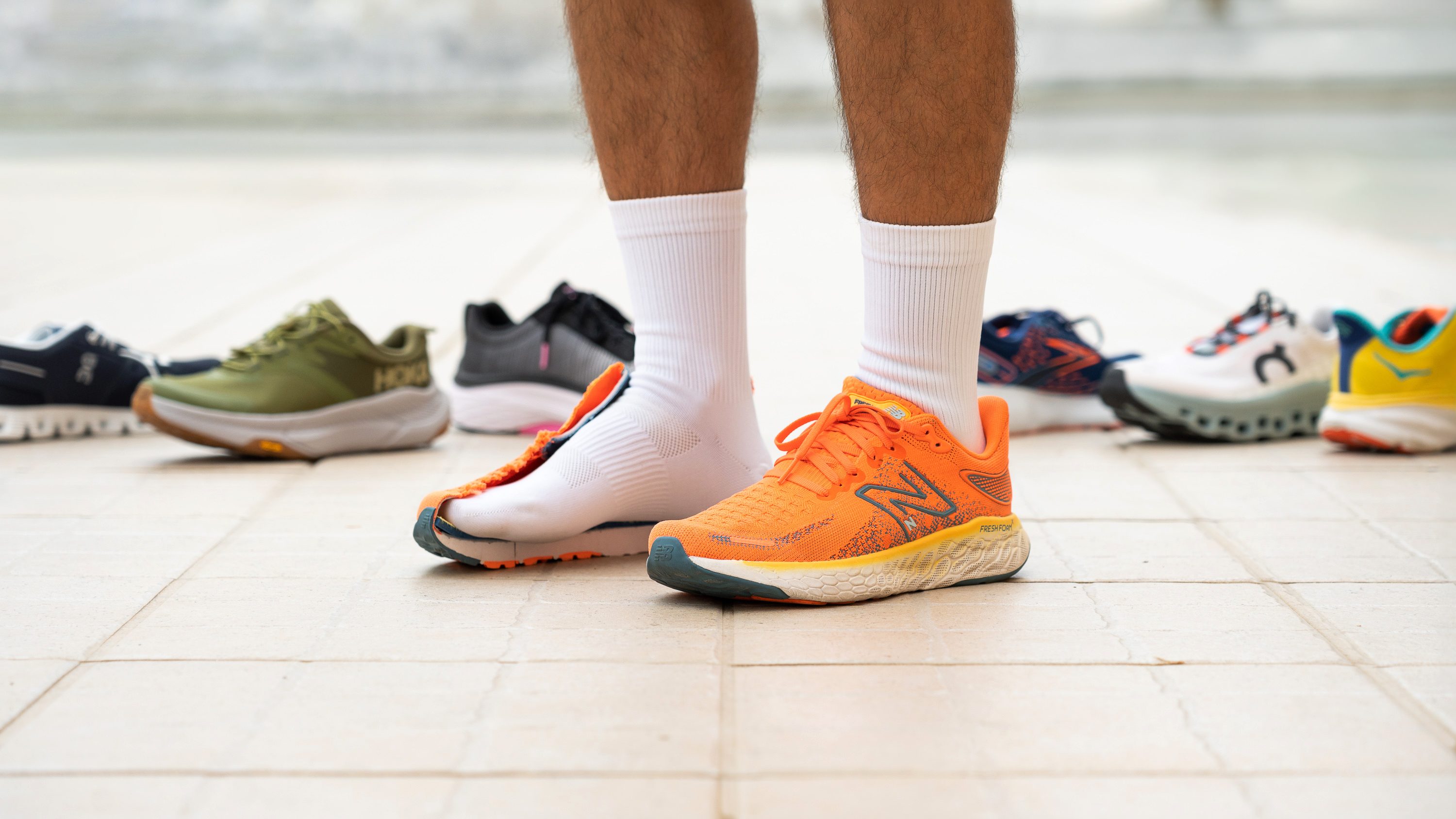
At the heart of every great walking shoe lies its midsole, the layer between the outsole and the upper. This is where material science meets comfort engineering. Traditional materials like EVA (ethylene-vinyl acetate) foam provide lightweight cushioning, but advanced compounds like polyurethane, TPU (thermoplastic polyurethane), and proprietary blends from brands like ASICS (GEL), Brooks (DNA LOFT), and HOKA (Profly) offer enhanced durability, energy return, and compression resistance. The concept of “energy return” is crucial here. As noted in analyses from Runner’s World and biomechanics labs, it refers to the percentage of energy absorbed upon foot strike that is returned to the runner—or walker—to propel them forward. A higher energy return can make walking feel less taxing over long distances. Furthermore, the midsole often incorporates dual-density foams or medial posts to combat overpronation, where the foot rolls inward excessively. This isn’t just marketing jargon; it’s a clinically recognized intervention for improving gait efficiency and preventing injury. When you slip on a well-crafted walking shoe, you are essentially standing and moving on a personalized, reactive cushion system engineered to manage the specific, repetitive forces of walking.
Upper Design and Materials: Where Breathability Meets Structure
While the midsole manages impact, the upper of the shoe is responsible for fit, breathability, and overall foot containment. Modern uppers have evolved dramatically from heavy leather to engineered meshes, knit fabrics, and synthetic overlays. Materials like Adidas’s Primeknit or Nike’s Flyknit offer a sock-like, adaptive fit that moves seamlessly with the foot, reducing the potential for friction-induced blisters. Breathability is a non-negotiable feature; as the American Academy of Podiatric Sports Medicine highlights, a moist environment inside a shoe can lead to maceration of the skin and fungal infections. High-quality meshes facilitate air circulation, keeping feet dry and comfortable. However, structure remains paramount. Strategic overlays—often made from fused thermoplastic polyurethane (TPU)—provide essential support around the midfoot and heel counter, ensuring the foot remains stable and aligned within the cushioned midsole. This marriage of flexible, breathable materials with targeted structural support creates a harmonious environment for the foot, allowing it to function naturally while being protected from the external environment.
:max_bytes(150000):strip_icc()/vwt-asics-womens-gel-pulse-16-jinfeng-chen-21-712f0f140e834b84b3a8dcf0bf154771.jpeg)
From Clinic to Catwalk: The Aesthetic Evolution of the Walking Shoe
The historical perception of comfortable shoes as aesthetically lacking has been decisively overturned. The rise of “athleisure” and a cultural shift towards wellness and practicality have propelled functional footwear into the realm of high style. Designers and brands now understand that consumers refuse to choose between comfort and appearance. This has led to collaborations between technical sportswear giants and high-fashion houses, and more importantly, to mainstream walking shoes being designed with a conscious aesthetic. Neutral color palettes (think greys, blacks, navy, and off-whites), streamlined silhouettes, and the elimination of overly loud, sporty logos have made modern walking shoes incredibly versatile. They can be paired with tailored trousers, jeans, chinos, or even certain styles of dresses, creating a look that is both intentional and relaxed. As fashion influencer and author Tan France has often stated, the key to effortless style is in the details of fit and foundation—and what is more foundational than your shoes? The contemporary walking shoe embodies this principle, offering a clean, minimalist design that communicates a sense of curated practicality rather than overt athleticism.
The Psychology of Comfort: How the Right Shoes Influence Your Day
The impact of footwear extends far beyond the physical. There is a profound psychological dimension to wearing shoes that genuinely comfort and support you. When your feet are in pain or discomfort, it dominates your consciousness, draining cognitive resources and negatively affecting your mood, a concept supported by research into pain psychology. Conversely, the absence of discomfort fosters a state of physical ease that allows you to focus on tasks, engage socially, and present your best self. The confidence that comes from knowing you can navigate a day—whether it involves a long commute, hours on your feet at work, or an impromptu walk—without foot fatigue is liberating. It’s the difference between watching the clock, waiting for a moment to sit down, and moving through your day with agency and presence. In this sense, the right walking shoe acts as an enabler, removing a common barrier to productivity and enjoyment. It’s a tool for sustained performance, much like an ergonomic chair for someone who works at a desk. The investment in proper footwear is, therefore, an investment in your mental bandwidth and overall quality of life.
Making the Informed Choice: A Guide to Selection and Longevity
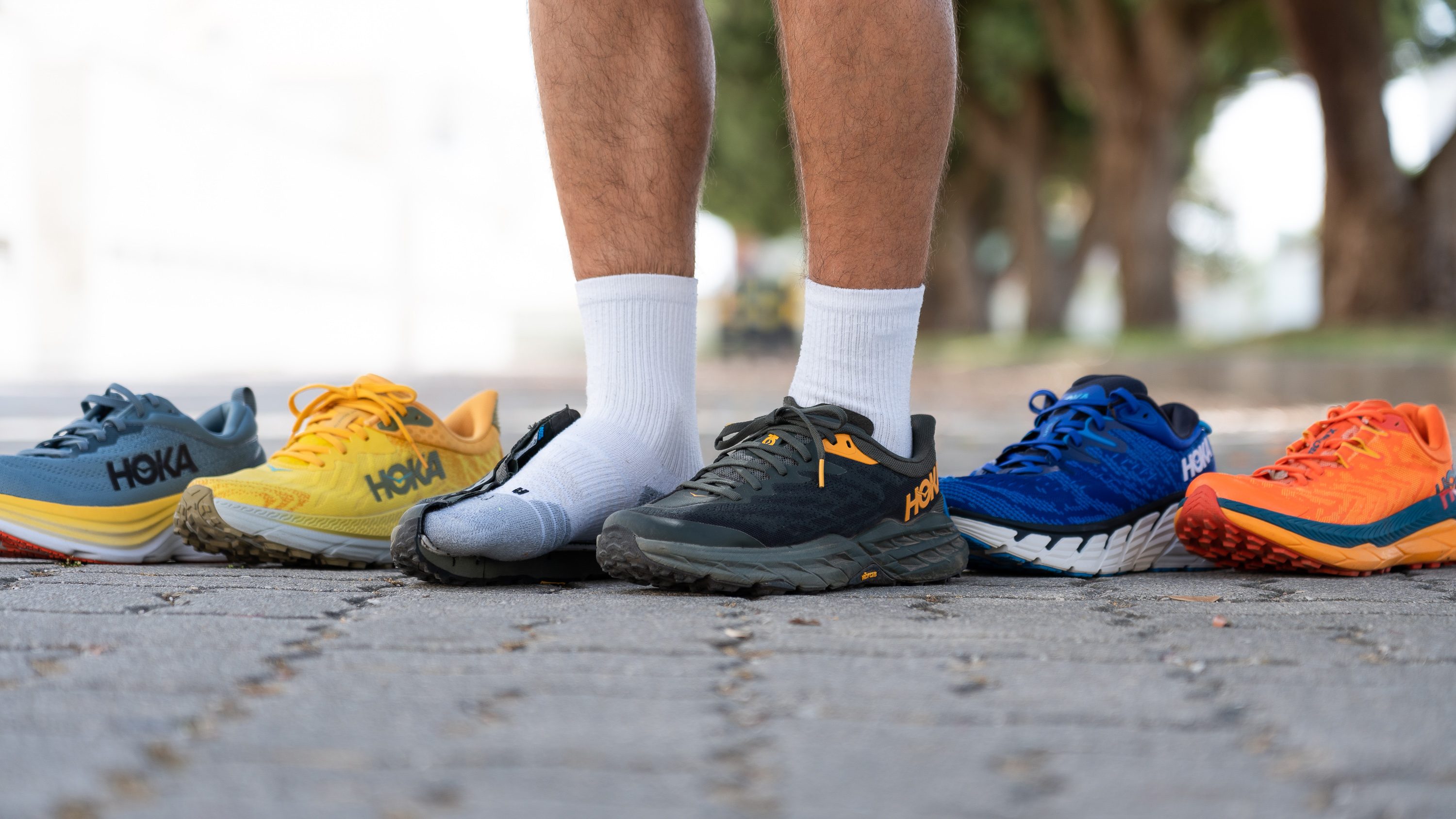
Understanding the “why” behind walking shoes naturally leads to the “how” of selecting them. The process should begin with a honest assessment of your gait, often available at specialty running or walking stores with video analysis tools. Consider your typical walking environment: paved city streets, park trails, or indoor surfaces. Prioritize fit above all else—there should be about a thumb’s width of space between your longest toe and the end of the shoe, and the widest part of your foot should align with the widest part of the shoe. Don’t be seduced by style alone; the most beautiful shoe is worthless if it doesn’t fit your foot’s unique shape. Once you’ve made your selection, understand that even the best shoes have a finite lifespan. The cushioning materials in the midsole compress and lose their resiliency long before the outsole wears out. Experts from sources like Verywell Fit and podiatry clinics universally recommend replacing walking shoes every 300 to 500 miles. For a daily walker, this could mean every six to nine months. Ignoring this is akin to driving a car on worn-out shock absorbers; the ride becomes harsh and damaging.
An Investment That Pays Dividends
It is tempting to view a high-quality pair of walking shoes as an expensive purchase. However, when framed as a cost-per-wear investment and, more importantly, as a preventive health measure, the perspective shifts dramatically. The price of a premium shoe, often ranging from $120 to $160, amortized over 500 miles of comfortable, injury-free walking, represents exceptional value. Compare this to the potential costs—both financial and personal—of dealing with chronic foot pain, physical therapy, or other related ailments. Brands frequently offer direct-to-consumer sales, seasonal discounts, and outlet stores, making top-tier technology more accessible. The key is to view this not as an accessory expense, but as a fundamental allocation for your physical infrastructure. By bringing together professional knowledge of biomechanics, material science, and empathetic design, the modern market offers solutions that cater to a wide array of needs and budgets. Your journey toward effortless style and all-day comfort begins from the ground up. Choosing the right walking shoe is the definitive first step, a silent promise to yourself that how you feel while moving through the world matters as much as the destination itself.
:max_bytes(150000):strip_icc()/when-should-i-replace-my-walking-shoes-3436325-0801-7a1840d83573471092e0380f9e230ecc.jpg)
