

The Walking Shoe: Your Secret to Effortless Everyday Style
Forget the endless chase for the perfect outfit. The true cornerstone of daily elegance isn’t found in a fleeting trend or a statement piece; it’s grounded in what you wear from the ground up. The unassuming walking shoe has evolved from purely functional footwear into the silent architect of personal style and well-being. This isn’t about athletic performance or rugged trails; it’s about the shoe that carries you through commutes, errands, workdays, and casual outings with unwavering support and understated sophistication. The right pair doesn’t just complement your look—it fundamentally transforms your daily experience, merging biomechanical science with aesthetic sensibility to create a foundation of effortless confidence.
The Anatomy of Comfort: More Than Just Soft Soles
To understand the revolution of the modern walking shoe, we must dissect its engineering. Comfort is a complex equation, not a single feature. It begins with the midsole, often crafted from advanced materials like EVA (ethylene-vinyl acetate) foam or proprietary compounds like Brooks’ DNA LOFT or ASICS’ GEL technology. These aren’t just marketing terms; they represent specific damping properties. As noted in biomechanics literature from institutions like the University of Calgary’s Human Performance Laboratory, effective cushioning doesn’t merely absorb impact; it manages the rate of load application to the joints, reducing peak forces that travel up the kinetic chain from heel to spine. The rocker sole, a subtle curvature built into the outsole, is another scientific innovation. It facilitates the natural gait cycle—heel strike, foot flat, mid-stance, heel-off, toe-off—reducing the energy expenditure required from your calf and Achilles tendon with each step. Furthermore, the last (the foot-shaped form around which the shoe is built) determines its volume and fit. A proper last accommodates the natural splay of the toes upon weight-bearing, a concept championed by podiatrists and evident in brands focusing on anatomical design. This scientific approach ensures that what feels like “comfort” is actually your body operating with greater efficiency and less strain.

From Clinic to Street: The Evolution of a Lifestyle Essential
The journey of the walking shoe from orthopaedic recommendation to style staple is a fascinating study in design convergence. Initially, shoes designed for comfort were clinical, often visually unappealing. The shift began when sportswear giants and niche wellness brands recognized a growing consumer demand for footwear that didn’t force a choice between well-being and appearance. This mirrors a broader cultural movement, akin to the “athleisure” trend but with a more focused, functional core. Influential figures have subtly endorsed this philosophy. Renowned architect and designer Sir Norman Foster, who famously prioritizes both form and function in his structures, once remarked on the importance of good design in everyday objects, implying that what supports the body deserves as much consideration as what surrounds it. On platforms like YouTube, certified pedorthists and physical therapists, such as those from the “Bob & Brad” channel (known as the “most famous physical therapists on the internet”), consistently analyze footwear, emphasizing features like heel counters for stability and flexible forefoots for natural movement—features now seamlessly integrated into stylish designs. The modern walking shoe is the result of this fusion, where data-driven support meets minimalist sneaker aesthetics or classic loafers re-engineered with memory foam insoles.
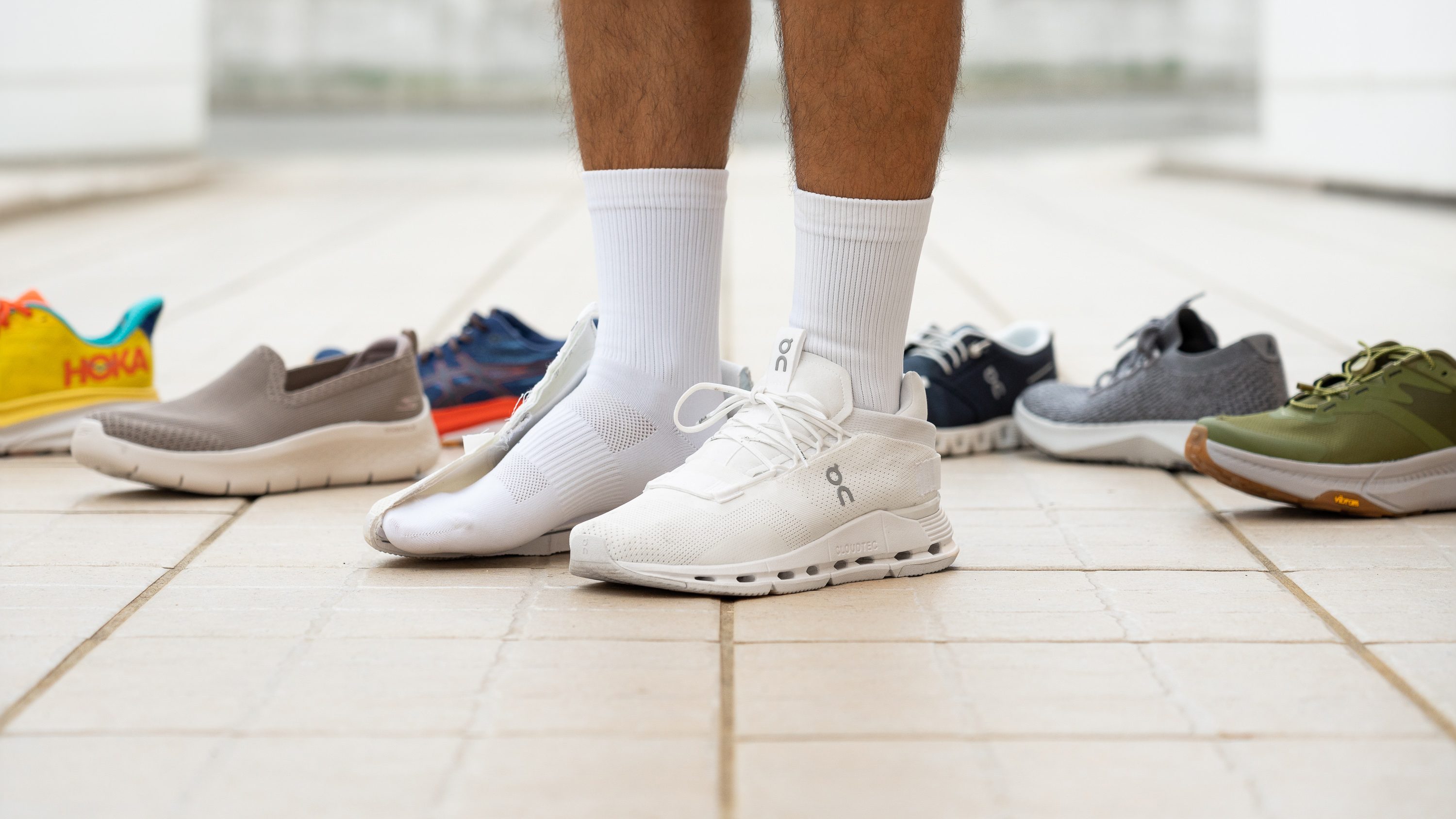
The Style Alchemy: Pairing Unlikely Heroes
The greatest sartorial power of a superior walking shoe lies in its versatility. It acts as a neutral, confident base that recontextualizes your entire wardrobe. Consider the sharp lines of tailored trousers. Traditionally paired with leather dress shoes, they take on a refreshingly modern, approachable edge when combined with a sleek, monochromatic walking sneaker. This juxtaposition—structured top with intelligent foundation—is a style principle seen in the off-duty looks of celebrities known for their pragmatic elegance, like actress and activist Emma Watson, who often champions sustainable and comfortable fashion. Similarly, a flowing midi dress or a casual pair of jeans finds its perfect partner in a shoe that promises all-day exploration without a second thought. This philosophy echoes the “quiet luxury” trend, where value is inherent in quality and experience rather than overt branding. The shoe becomes the common denominator in a capsule wardrobe, reducing decision fatigue and ensuring that every outfit is built on a platform of readiness and ease. You’re not dressing for the destination alone; you’re dressing for the journey there, and every step in between.
The Investment in Your Kinetic Self
Viewing a walking shoe as a mere purchase is a profound underestimation; it is an investment in your kinetic future. The human foot is a complex structure of 26 bones, 33 joints, and over 100 muscles, tendons, and ligaments. Compromising its function has cascading effects. As stated by the American Podiatric Medical Association, improper footwear can contribute to a host of issues beyond foot pain, including knee, hip, and lower back problems. Conversely, a well-designed shoe is a preventive tool. It’s the daily maintenance that keeps the intricate machine of your body running smoothly. This isn’t speculative wellness; it’s applied biomechanics. Consider the words of legendary runner and biomechanist Dr. Nicholas Romanov, developer of the Pose Method: “The body is a system of levers and hinges. The shoe is the interface between that system and the ground.” By optimizing that interface, you are directly investing in your mobility, posture, and long-term physical capital. The cost-per-wear of a shoe that actively protects and enhances your movement becomes negligible compared to the potential cost—both financial and personal—of neglect.
:max_bytes(150000):strip_icc()/when-should-i-replace-my-walking-shoes-3436325-0801-7a1840d83573471092e0380f9e230ecc.jpg)
Discerning Your Foundation: A Curator’s Guide
Selecting your ideal pair is a personal curation process, not a one-size-fits-all solution. Begin with an honest assessment of your gait. Many specialty running stores offer free gait analysis, which can reveal if you overpronate (foot rolls inward), supinate (foot rolls outward), or have a neutral stride. This knowledge is crucial, as brands design shoes with specific stability features to align and support these natural movements. Next, prioritize fit over size number. Your feet swell throughout the day, so shop in the afternoon. There should be a thumb’s width of space between your longest toe and the end of the shoe, and the widest part of your foot should align comfortably with the shoe’s widest part without pinching. Don’t be seduced by softness alone; a shoe that is too mushy can lack the necessary support for prolonged wear. Finally, consider the “life” of the shoe. Most experts, including those cited in resources like Verywell Fit, recommend replacing walking shoes every 300-500 miles. The cushioning and support materials break down long before the outer sole shows significant wear, making a log of your usage a wise practice.
A Note on Value: Where Knowledge Meets Opportunity
Equipped with this knowledge, you become an empowered consumer, capable of recognizing true value. The market for quality walking shoes is dynamic, with new models released seasonally. This creates frequent opportunities to acquire previous-generation models—which offer nearly identical core technology and performance—at significantly discounted prices. Brands like ASICS, New Balance, Saucony, and HOKA often have “outlet” or “sale” sections on their official websites where last season’s premium walking shoe can be found. Furthermore, subscribing to newsletters from reputable athletic retailers can provide alerts for site-wide sales or clearance events. The goal is to marry professional insight with financial savvy, ensuring that the investment in your foundational style and health is both intelligent and accessible. You are not just buying a product; you are strategically acquiring a tool for a better daily life.
:max_bytes(150000):strip_icc()/vwt-asics-womens-gel-pulse-16-jinfeng-chen-21-712f0f140e834b84b3a8dcf0bf154771.jpeg)
Style that feels like an effort is merely a costume. True, enduring style is an expression of self-assurance that comes from within and is supported from the ground up. It is the confidence of knowing your foundation is solid, that your comfort is non-negotiable, and that your choices are informed by both design and science. The right walking shoe ceases to be just an accessory and becomes an extension of your intention—to move through the world with grace, resilience, and quiet purpose. Let your first step be your most considered one, and every step thereafter will follow with effortless ease.
