

The Ultimate Guide to Tennis Shoes for Walking
Let’s dispel a common misconception right away: not all athletic shoes are created equal for every activity. The idea of using a tennis shoe for walking is a topic of much debate in fitness and podiatry circles. While it’s a common sight on pavements and trails, the suitability of this practice hinges on a deep understanding of biomechanics, shoe design, and personal physiology. This guide isn’t about dictating rules but about empowering you with objective, scientific information. We’ll dissect the anatomy of a tennis shoe, compare it to the engineered purpose of a dedicated walking shoe, and provide you with the knowledge to make an informed choice that supports your body’s long-term health and comfort during your walks.
The Biomechanical Divide: Tennis vs. Walking
To comprehend why the choice matters, we must first understand the fundamental biomechanical differences between the sports. Tennis is a multi-directional, high-impact sport involving rapid lateral cuts, sprints, stops, and pivots. The footwear, therefore, is engineered for stability during side-to-side movements. As noted in research from the University of Calgary’s Human Performance Laboratory, tennis shoes prioritize a reinforced upper and a outsole designed for traction on court surfaces, often with a herringbone or modified pattern to prevent sliding. The cushioning, while present, is often firmer in the midfoot to provide a stable platform for explosive movements. Walking, in contrast, is a linear, repetitive, heel-to-toe motion. The primary forces are vertical compression and forward propulsion. According to the American Podiatric Medical Association (APMA), ideal walking shoes facilitate this gait cycle with flexible forefoots, adequate heel cushioning to absorb impact, and a design that encourages the natural roll of the foot from heel strike to toe-off. Using a shoe designed for aggressive lateral containment for a straight-line activity can inadvertently restrict the foot’s natural flexion, potentially leading to altered gait patterns.

Anatomy of a Tennis Shoe: Built for the Court
Deconstructing a typical tennis shoe reveals features that speak directly to its intended use. The upper is frequently constructed from durable, often less-breathable materials like reinforced leather or synthetic overlays to withstand abrasion from the court surface and the shoe-dragging common in tennis strokes. The toe box area is particularly fortified. The midsole, featuring technologies like Nike’s Air, Adidas’s Boost, or ASICS’s GEL, is calibrated for responsive cushioning—returning energy quickly for the next movement rather than purely absorbing shock over long periods. Most critically, the outsole is flat and wide, extending up the sides of the shoe (a feature known as a “outrigger” or lateral support bridge) to prevent rollovers during lateral cuts. This very feature that protects an athlete’s ankle on the court can create a stiff, unyielding platform on the road. As renowned sports podiatrist Dr. Rob Sobel once stated in an interview for Runner’s World,
“The greatest mistake people make is assuming ‘sport’ equals ‘universal.’ A tennis shoe is a specialized tool. Its wide, flat, non-articulating sole can inhibit the subtalar joint’s necessary motion during the walking gait, which over miles, may contribute to issues from the foot up through the kinetic chain to the knee and hip.”
This insight underscores the importance of matching tool to task.
The Dedicated Walking Shoe: Engineered for Repetitive Stride
In opposition, a shoe designed specifically for walking addresses the linear stress of the activity. The primary focus is on shock attenuation and smooth transition. You’ll find a beveled or rounded heel, a design principle supported by studies from the Spaulding National Running Center, which helps guide the foot smoothly into the next step, reducing braking forces. The flexibility is concentrated in the forefoot, allowing the toes to bend and push off without resistance. The cushioning systems, while they may share branding with running or tennis lines (like GEL or Boost), are often tuned to be softer and more consistently cushioned along the entire length of the sole to handle the constant, repetitive impact. The upper prioritizes breathability and a comfortable, non-constricting fit, as walking typically doesn’t involve the extreme foot splay inside the shoe that tennis does. The difference is one of specialized optimization versus general-purpose assumption.
When Can a Tennis Shoe Function as a Walking Shoe?
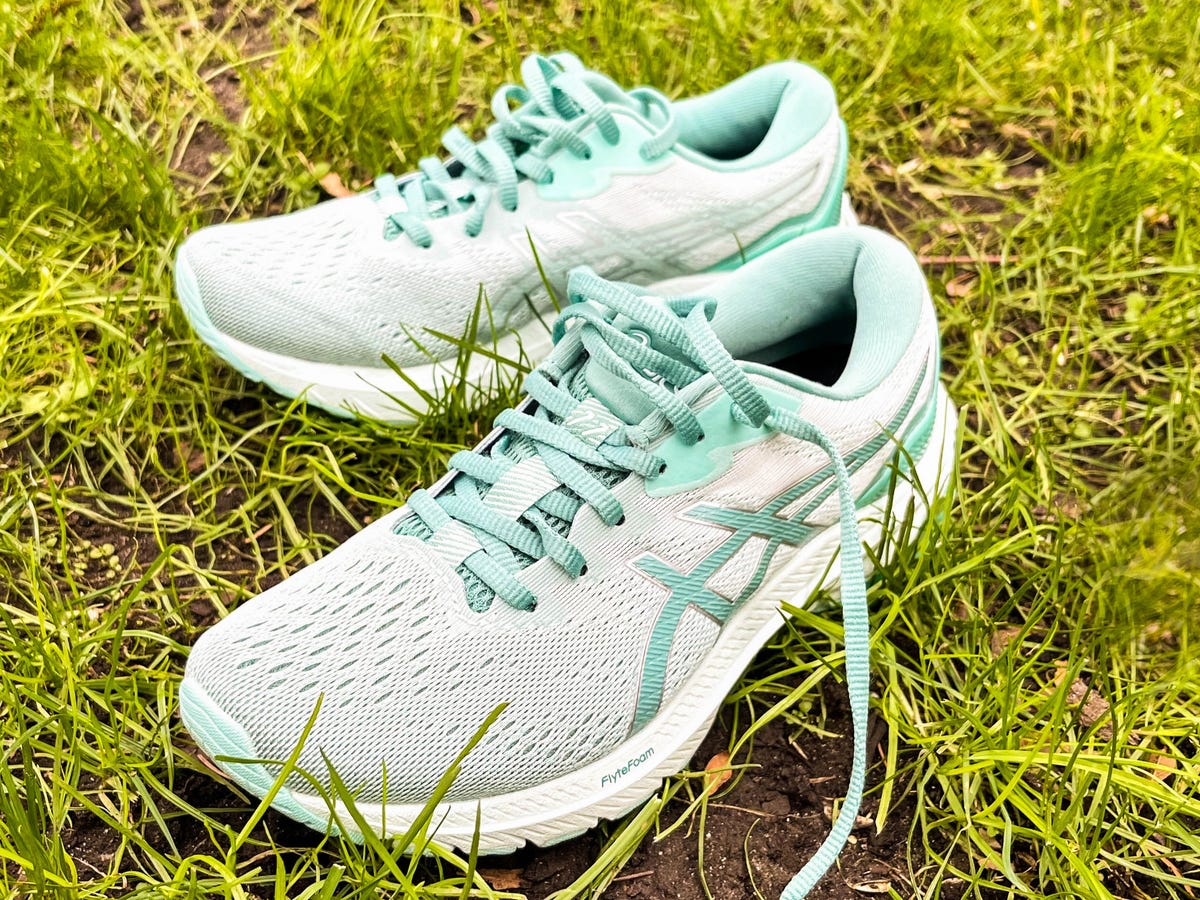
The answer is not a simple yes or no, but a conditional “it depends.” For the casual, short-distance walker—perhaps someone who walks a mile to the coffee shop and back on weekends—a comfortable pair of tennis shoes for walking may pose little to no issue. The critical factors are fit, wear pattern, and personal biomechanics. If your walking style is neutral (neither overpronating nor supinating excessively) and you prioritize a stable, firm feel underfoot, certain tennis shoe models might feel satisfactory. However, for dedicated fitness walkers, power walkers, or anyone logging substantial daily mileage (consistently over 3-5 miles per day), the specialized design of a walking shoe becomes increasingly important. The repetitive stress magnifies any minor incompatibility. Think of it this way: you could use a wrench to hammer a nail in a pinch, but for building a deck, you’d want a hammer. Your body, over thousands of steps, feels the difference between the right and the “close enough” tool.
Evaluating Your Personal Needs and Gait
Your individual physiology is the ultimate deciding factor. Before deciding on any shoe, including a repurposed tennis shoe for walking, a gait analysis is invaluable. Many specialty running and walking stores offer this service. It can reveal if you need additional arch support, motion control, or maximum cushioning. Furthermore, examine the wear pattern on your old shoes. Excessive wear on the inside heel and forefoot suggests overpronation, a condition where a very stable tennis shoe might offer some benefit but perhaps not the ideal motion-control features of a dedicated walking shoe. Wear on the outer edge suggests supination, where ample, soft cushioning is key—a feature more consistently found in premium walking or running shoes. Your weight also plays a role; a heavier individual will compress midsole materials more and may require shoes with higher durability and cushioning density, which are specs more explicitly outlined in the walking and running categories.

Professional Knowledge and Making the Smart Choice
Armed with this knowledge, your shopping strategy should shift from seeking a style to seeking a specification. If you are considering using a tennis model, look for ones that lean towards “court comfort” or “all-court” designs, which may have slightly more flexible forefoots and softer cushioning than performance-oriented models. Brands like K-Swiss or certain New Balance tennis lines sometimes offer this. However, for a guaranteed fit-for-purpose, explore the walking-specific lines from brands like ASICS (Walker series), Brooks (Addiction Walker), Saucony (Grid Omni Walker), or New Balance (877, 928). These incorporate the rounded heels, rocker soles, and appropriate flex points we’ve discussed. Remember, an investment in proper footwear is an investment in joint health. The potential cost of physiotherapy for knee, hip, or plantar fasciitis issues far outweighs the price differential between a generic athletic shoe and a purpose-built one.
Bringing Value: Performance Meets Price
Understanding the technology shouldn’t mean breaking the bank. The market offers excellent value at various price points. Last season’s models of top-tier walking shoes often see discounts of 30-50% as new colors are released. Online retailers and outlet stores are treasure troves for these deals. For instance, a premium walking shoe with advanced cushioning like the ASICS Gel-Tech Neo 4 or the New Balance 847v4, which might retail for $140 at launch, can frequently be found for under $90 on sale. The key is to know the model name and search for it specifically. Don’t pay full price for a tennis shoe for walking compromise when you can get a technologically superior, purpose-built walking shoe at a comparable or lower discounted price. Your feet, and your entire musculoskeletal system, will recognize and appreciate the specialized engineering with every comfortable, pain-free mile you log.
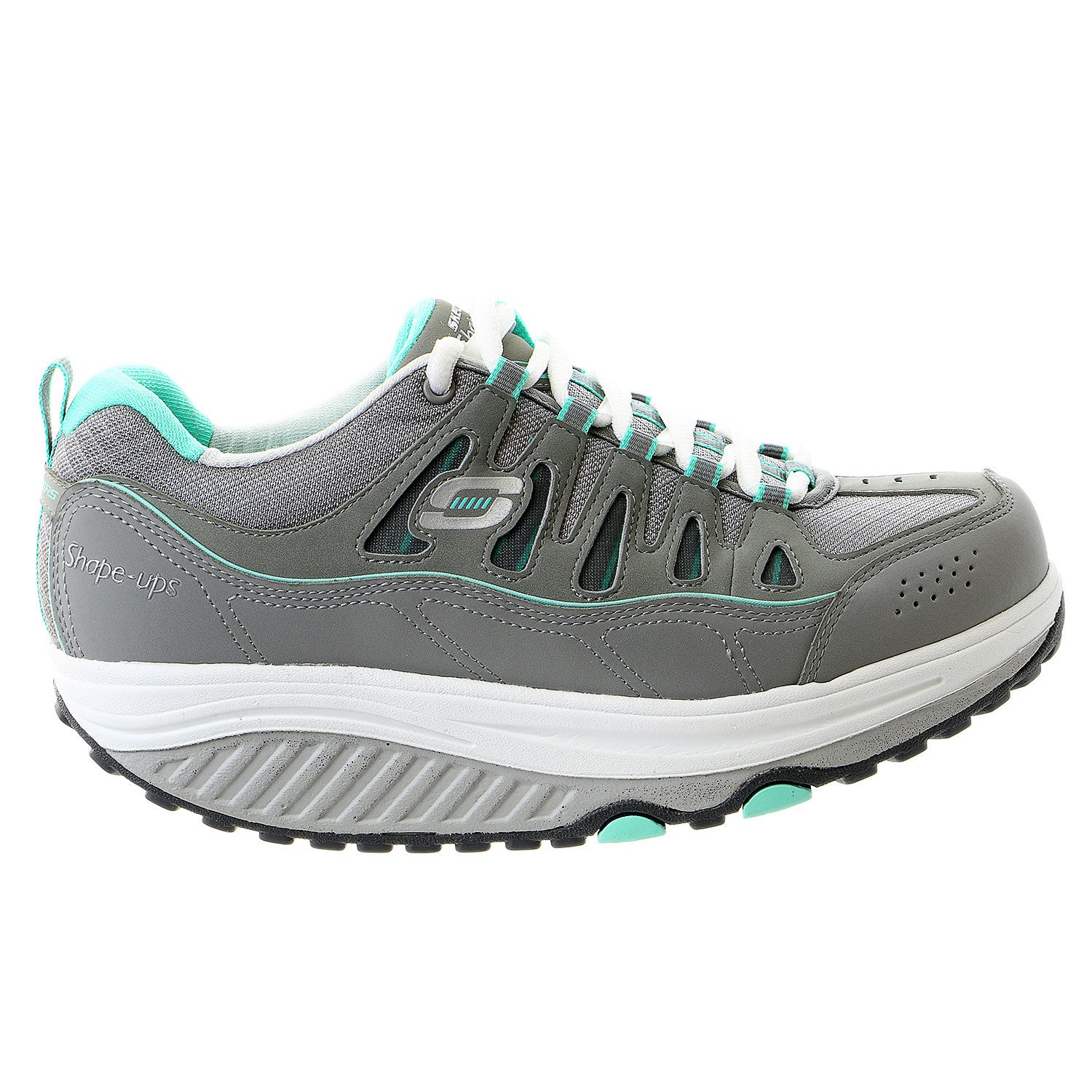
The journey to finding the perfect footwear for your walks is a personal one, but it should be guided by science and design intent. While a tennis shoe for walking can serve as a temporary or casual solution, the evidence from biomechanics, podiatry, and footwear engineering clearly advocates for using a tool designed for the specific task at hand. Your daily walk is a cornerstone of health; equip it with shoes that celebrate and support the elegant, repetitive simplicity of the stride, ensuring every step is a firm, comfortable, and protected move toward your well-being.
