

The Ultimate Guide to Tennis Shoes for Walking
Let’s dismantle a persistent myth right at the outset: the best shoe for walking is not necessarily a “walking shoe.” For decades, the footwear industry has segmented our needs into rigid categories, but our feet and our daily routines tell a more nuanced story. This guide posits that a modern, well-designed pair of tennis shoes for walking often provides a superior blend of cushioning, stability, and versatility for the urban explorer and fitness walker alike. We are moving beyond the old paradigms, seeking footwear that adapts to the dynamic nature of city sidewalks, park paths, and our own biomechanics. The goal is not just to walk, but to walk with efficiency, comfort, and style, supported by objective science and proven design principles.
The Anatomical Argument: Why Tennis Shoes Fit the Walking Gait
The human walking gait is a complex, heel-to-toe rolling motion that involves distinct phases: heel strike, midfoot stance, and toe-off. Traditional running shoes are engineered for a more pronounced midfoot or forefoot strike and higher impact forces, often featuring excessive heel cushioning that can destabilize the slower, rolling walk. Pure walking shoes, while stable, can be overly rigid and lack the adaptive flexibility needed for varied surfaces. This is where the engineered design of a tennis shoes for walking comes into play. Tennis is a sport of multi-directional, lateral movements, quick stops, and constant weight shifts. Consequently, tennis shoe design prioritizes medial-lateral stability—support against rolling your ankle—a feature that translates perfectly to navigating uneven sidewalks or curbs. Furthermore, the cushioning in quality tennis shoes is designed to be responsive and low-to-the-ground, promoting a better feel for the surface and a more natural foot roll, unlike the sometimes mushy, high-stack heels of running shoes. As Dr. Casey Kerrigan, a former Harvard Medical School professor and gait analysis expert, has often highlighted in her research, overly cushioned shoes can actually lead to increased joint loading by encouraging a harder foot strike; a more balanced, stable platform is key for natural movement.

Decoding the Midsole: Cushioning vs. Responsiveness
At the heart of any discussion about tennis shoes for walking lies the midsole, typically made from EVA (ethylene-vinyl acetate) foam, PU (polyurethane), or modern compounds like Nike’s ZoomX or Adidas’s Boost. The choice here is critical. For walking, we seek a midsole that offers a harmonious balance between cushioning and energy return. A study from the University of Colorado Boulder’s Locomotion Laboratory suggests that while cushioning absorbs impact, shoes with good energy return can improve metabolic efficiency—meaning you use less energy with each step. Tennis shoes often utilize firmer, more responsive foam compounds in the midsole to provide explosive push-off during play. For a walker, this translates to a subtle propulsive feel during toe-off, reducing leg fatigue over long distances. The key is to avoid foams that are too soft or “dead,” which can cause your foot to sink and your muscles to work harder to stabilize. Look for technologies that brands openly detail; for instance, Asics, a brand born from a deep study of biomechanics, often incorporates GEL cushioning in the heel—a silicone-based material that attenuates shock waves—precisely where a walker’s heel first strikes. This targeted approach to cushioning, common in performance tennis models, is far more effective for walking than uniform, maximalist softness.
The Outsole and Traction: Grip for the Urban Jungle
Walking primarily happens on hard, sometimes slick, man-made surfaces. The outsole of a dedicated walking shoe is often made of solid, durable rubber with a simple flex groove pattern. A tennis shoe outsole, by contrast, is a masterpiece of functional geometry. Designed for clay, grass, or hard courts, these outsoles feature multi-directional herringbone, zig-zag, or modified patterns that provide exceptional grip during lateral pushes. When repurposed as tennis shoes for walking, this complex patterning offers superior traction on wet pavement, polished mall floors, or gravel paths. The rubber compound is also a consideration. Durable, non-marking rubber (common in tennis shoes to avoid scuffing courts) is ideal for indoor/outdoor use and tends to be more wear-resistant than the softer carbon rubber sometimes used in running shoes. The flexibility of the outsole is also paramount. It must bend easily at the metatarsal heads (the ball of your foot) to facilitate the walking gait’s toe-off phase. A simple test is to hold the heel and toe and gently bend the shoe; it should crease naturally at the forefoot, not in the middle of the arch. This design principle is non-negotiable in tennis footwear due to the need for quick footwork and is inherently beneficial for walkers.

Selecting Your Pair: A Framework for Every Walker
Understanding the theory is one thing; applying it is another. Your choice in a tennis shoes for walking should be dictated by your physiology, walking environment, and personal style. Let’s break down the selection into actionable criteria.
Arch Type and Support: The Foundation of Comfort
Your arch type—neutral, low (flat feet), or high—dictates your need for support. Most tennis shoes are built with substantial arch support and a secure midfoot “saddle” to lock the foot in place during side-to-side movements. This inherently provides good support for neutral and moderately low arches. For individuals with significant overpronation (where the ankle rolls inward excessively), many tennis shoe models come in “stability” versions, featuring denser foam on the medial (inner) side of the midsole—a technology often called a “post.” Brands like New Balance, which has a storied history in both walking and athletic shoes, excel in offering multiple width options, ensuring a truly tailored fit that accommodates orthotics if necessary. Remember the words of renowned podiatrist Dr. William Rossi, who famously stated, “Shoes are the foundation of our body’s architecture.” Choosing a shoe that respects your natural architecture is the first step toward pain-free miles.
Breathability and Upper Construction: Beyond the Mesh
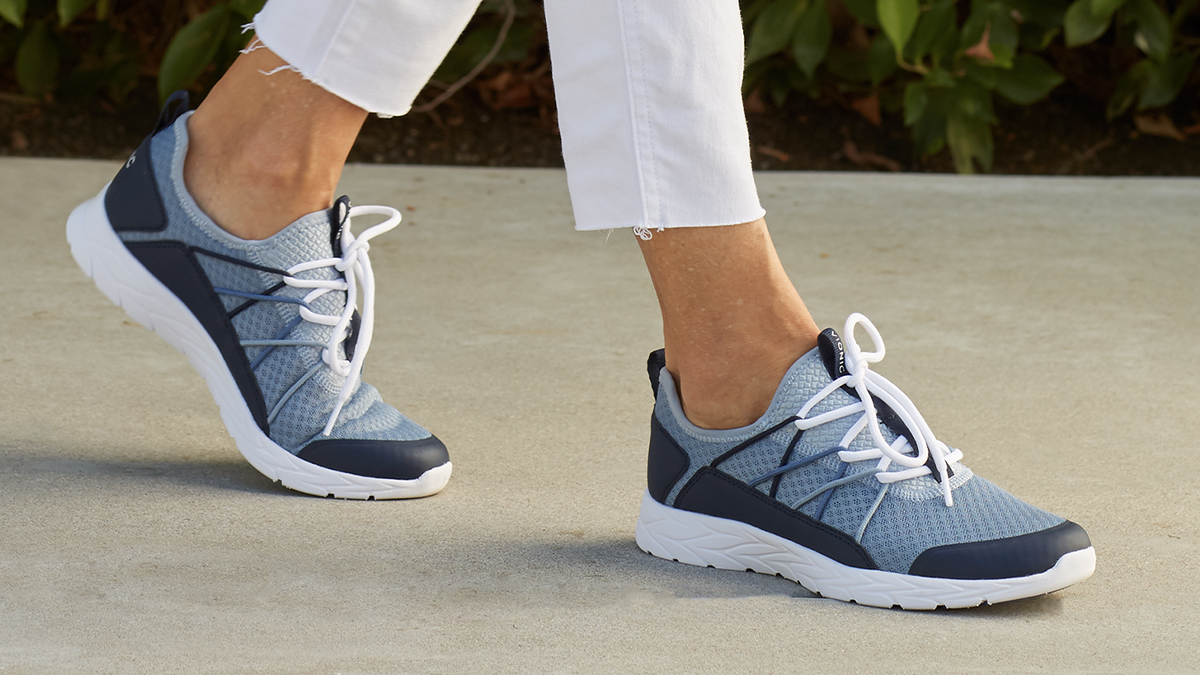
A long walk can generate considerable heat and moisture. While modern athletic uppers are predominantly engineered mesh for breathability, tennis shoes often incorporate more robust synthetic leather or thermoplastic polyurethane (TPU) overlays. These are not just for style; they provide crucial structure and durability in high-wear areas like the toe box (for drag during serves) and the medial side. For a walker, this means a shoe that maintains its shape and support over hundreds of miles, protecting your foot from abrasion. The internal construction is equally vital. A well-padded tongue and collar prevent chafing, and a heel counter—the rigid cup at the back—should be firm yet comfortably lined to stabilize the heel without causing blisters. When trying on potential tennis shoes for walking, pay attention to how the upper wraps your midfoot. It should feel secure, like a firm handshake, without any pinching or pressure points on the top of your foot.
The Verdict on Style and Value: Performance Meets Everyday Life
One cannot ignore the aesthetic and economic dimension. The classic, clean lines of a tennis shoe—think the Adidas Stan Smith, the Nike Court Legacy, or the New Balance 996—have been fashion staples for decades. This inherent style means a pair of tennis shoes for walking seamlessly transitions from a morning fitness walk to running errands or a casual lunch, eliminating the need for a shoe change. From a value perspective, the durability built into tennis shoes for court abrasion directly translates to a longer lifespan on pavement. While premium models from Asics (like the Gel-Resolution) or Nike (the Air Zoom Vapor) can retail from $120 to $160, the market is full of exceptional value. Previous season’s models, often identical in core technology to the latest release, can frequently be found at discounts of 30-50% at major online retailers or outlet stores. Brands like K-Swiss and Prince also offer high-performance features at accessible price points. Investing in a quality pair is an investment in foot health, but savvy shopping makes it an economical one too.
Caring for Your Investment: Maximizing Longevity
To ensure your chosen tennis shoes for walking deliver on their promised mileage, proper care is essential. Rotate between two pairs if possible, allowing the foam midsoles 24-48 hours to fully rebound and dissipate moisture. For cleaning, remove the insoles and laces, then use a soft brush, mild soap, and cold water on the upper and outsole. Never put them in the dryer; instead, stuff them with newspaper or use a shoe tree to absorb moisture and maintain shape while air-drying away from direct heat. Regularly inspect the outsole for wear patterns. Excessive smoothing of the tread, particularly under the ball of the foot or heel, is a sign that the shoe’s shock absorption and traction are compromised, even if the upper looks new. Most experts, including those cited in resources like Runner’s World’s gear guides, suggest replacing walking or athletic shoes every 300-500 miles. Listening to your body is the best indicator; new aches in your knees, shins, or back can often be traced to worn-out footwear.
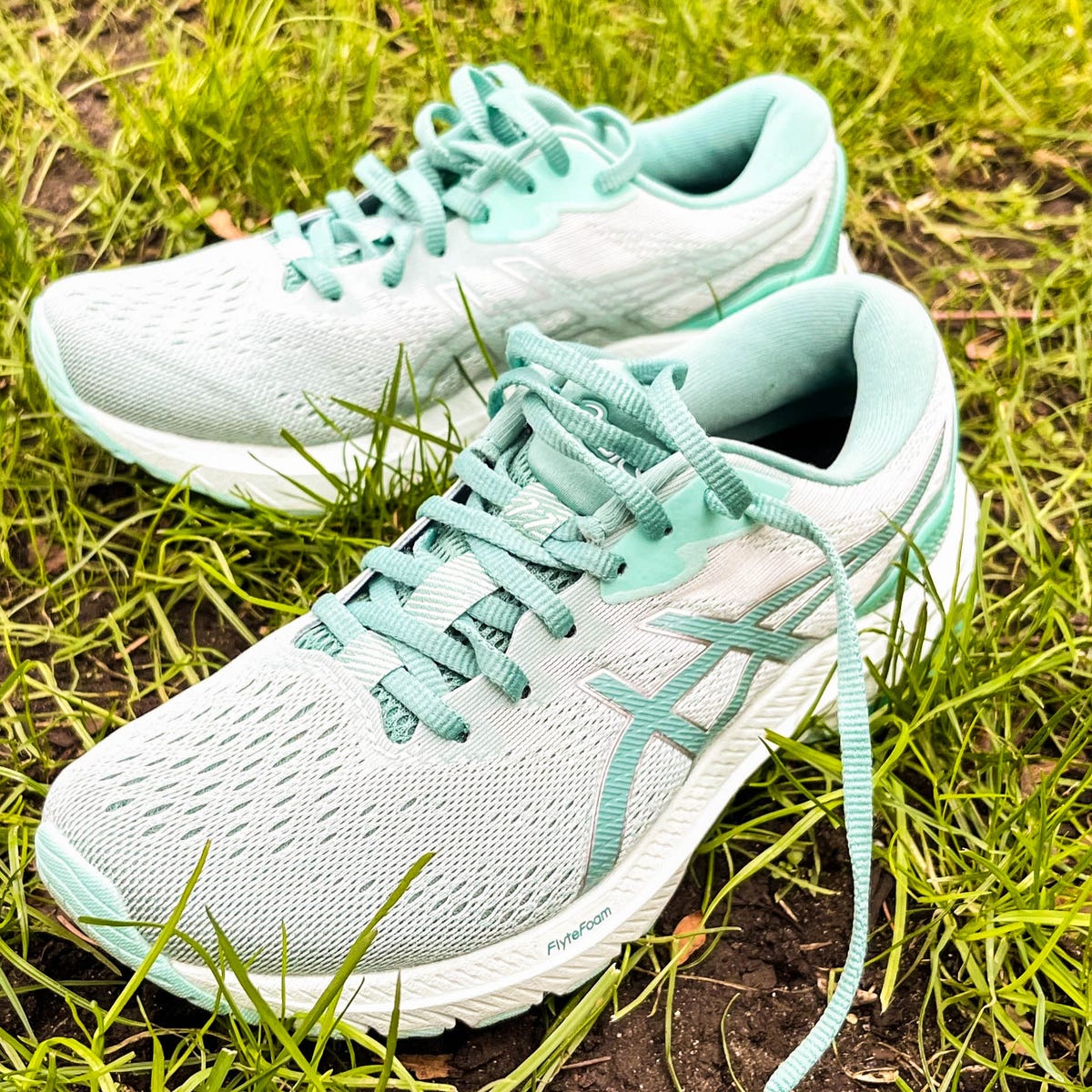
The journey to finding the perfect walking companion ends not with a labeled category, but with an understanding of engineering and self. The modern tennis shoes for walking represents a convergence of stability technology, responsive cushioning, and durable design that aligns beautifully with the biomechanical and practical demands of daily walking. It is a tool that respects the complexity of the human gait while offering the versatility and style required for contemporary life. Forget the aisle labels and focus on the features that matter: a supportive yet flexible platform, a grippy and durable outsole, and a secure, breathable upper. When you find that pair, you won’t just be wearing shoes; you’ll be enabling a more active, comfortable, and connected experience with every step you take.
