

The Ultimate Guide to Tennis Shoes for Everyday Walking
For years, the idea of using tennis shoes for walking was met with skepticism. Purists argued that sport-specific footwear was essential, and a shoe designed for lateral cuts and court sprints couldn’t possibly support the repetitive, linear motion of a daily walk. Yet, walk into any city park or suburban neighborhood, and you’ll see them everywhere: people logging miles in shoes originally built for the baseline. This isn’t a fashion faux pas or a compromise; it’s a recognition that the modern athletic shoe has evolved into a versatile tool. The right pair of tennis shoes for walking can offer a unique blend of cushioning, support, and durability that rivals—and sometimes surpasses—many dedicated walking shoes. This guide cuts through the noise to explore why these shoes work, what to look for, and how to choose a pair that will make every step of your daily journey more comfortable.
The Anatomy of Support: Why Tennis Shoes Can Work for Walking
To understand the suitability of tennis shoes for ambulatory use, we must dissect their design philosophy. Tennis is a sport of explosive, multi-directional movement. As noted in biomechanics literature from institutions like the University of Calgary’s Human Performance Laboratory, tennis demands footwear that provides exceptional medial-lateral (side-to-side) stability to prevent ankle rolls during aggressive lateral cuts. This is achieved through features like a reinforced outrigger—a widened base on the lateral side—and a sturdy heel counter that cups the foot. For a walker, this translates to outstanding stability on uneven sidewalks or mild trails, offering a secure platform that many neutral running or walking shoes lack. Furthermore, the cushioning systems in tennis shoes are engineered to absorb impact from constant jumping and pounding on hard courts. Brands often utilize advanced foam technologies like Adidas’ Boost or Nike’s React, which provide resilient, energy-returning cushioning. From a materials science perspective, these polymer foams are designed for durability under high-load, repetitive stress, making them exceptionally long-lasting for the lower-impact activity of walking. The outsole, typically made of durable, non-marking rubber with a herringbone or modified tread pattern, offers substantial grip and abrasion resistance. When you walk, the primary wear point is the heel and forefoot; a tennis shoe’s durable rubber compound often outlasts the softer carbon rubber found on many running shoes. Therefore, the very construction that makes a tennis shoe a powerhouse on the court—its robust stability, durable cushioning, and grippy outsole—creates a formidable foundation for the walker seeking longevity and all-day support.

Cushioning vs. Responsiveness: Finding Your Footfall Feel
The debate between plush cushioning and firm responsiveness is central to choosing any athletic shoe, and it’s particularly nuanced when selecting tennis shoes for walking. Walking is a lower-impact activity than running, but it involves a longer contact time with the ground and a distinct heel-to-toe rolling gait cycle. Some walkers prefer a supremely soft, pillowy feel that minimizes joint sensation with each step. This is where maximalist tennis shoes, often favored by players who spend hours on hard courts, excel. Their thick, soft midsoles can make long urban walks feel less jarring. However, as noted by podiatrists and biomechanists quoted in resources like the American Podiatric Medical Association’s educational materials, excessive softness without guidance can sometimes lead to instability or muscle fatigue over very long distances, as the foot works harder to stabilize itself. On the other end of the spectrum, “court feel” oriented tennis shoes offer a more responsive, firmer ride. They bring you closer to the ground, providing a sense of connection and propulsion that many find energizing. This characteristic can encourage a more active walking gait. The key is to match the shoe to your physiology and walking style. If you have sensitive joints or primarily walk on unforgiving surfaces like concrete, prioritize cushioning. If you value a connected, agile feel and walk on varied or softer surfaces, a more responsive model might be ideal. It’s a personal calibration between comfort and energy, and the diverse range within the tennis category allows for this precise tuning.
Stability and Motion Control: The Hidden Advantage
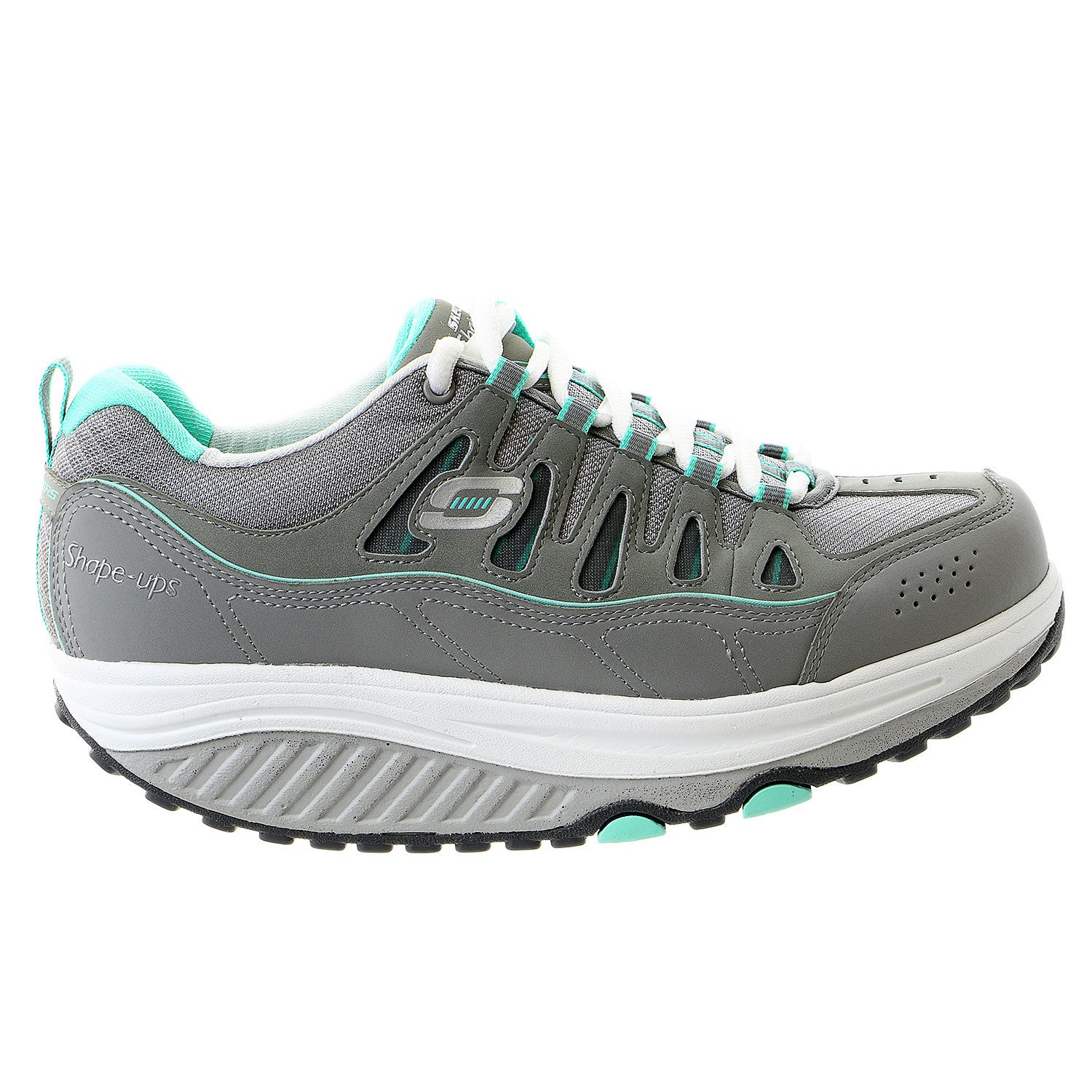
One of the most compelling, yet under-discussed, reasons to consider tennis shoes for pedestrian use is their inherent focus on stability. While walking shoes certainly offer support, the engineering priority is often on facilitating a smooth heel-to-toe roll. Tennis shoes, conversely, are built to prevent unwanted foot motion in all planes. This is crucial for overpronators—walkers whose feet roll inward excessively—or those with weaker ankles. The structural elements that achieve this are profound. The midfoot “shank” or torsional rigidity plate, common in performance tennis shoes, reduces twisting of the shoe, promoting efficiency and reducing fatigue on the arch. The aforementioned heel counter is typically more rigid and deeply padded than in many running shoes, locking the heel in place to prevent slippage and provide a stable base for the gait cycle. As Roger Federer once remarked in an interview about his signature shoe line, “On the court, stability isn’t just about performance; it’s about injury prevention. Every step, even in preparation, needs a solid foundation.” This philosophy directly benefits the everyday walker. Whether navigating crowded streets, uneven park paths, or simply carrying a backpack, the stable platform of a good tennis shoe can enhance confidence, reduce muscular effort in the lower legs, and provide a sense of security that allows you to focus on your surroundings, not your footing. For individuals who have been told they need “motion control” shoes, exploring the tennis aisle might reveal options with even more robust architectural support.
Durability and Value: The Long-Term Investment
Let’s address a practical concern: cost per mile. High-quality athletic footwear is an investment, and consumers rightly expect longevity. Here, tennis shoes for walking frequently offer outstanding value. The demands of tennis—dragging toes on serves, aggressive toe-offs, sliding on abrasive surfaces—require manufacturers to use some of the most durable materials in their athletic catalog. The outsole rubber is a high-abrasion compound, often covering a larger surface area than a running shoe’s outsole. The uppers are reinforced in high-wear areas like the toe box (for toe-drags) and the medial side (for serving scrapes). When repurposed for walking, these reinforced zones correspond perfectly to areas of typical wear. The toe area remains robust, and the medial reinforcement can help resist breakdown for overpronators. Consequently, a tennis shoe that might last a serious player three months on court can easily provide a walker with a year or more of daily service. This durability translates to significant value. While the initial price point for a premium tennis shoe (often in the $120-$160 range) may seem high, its extended lifespan can make it more economical than replacing a less durable walking or running shoe twice in the same period. Furthermore, end-of-season sales on previous models can offer these technologically advanced, durable shoes at discounted prices of $70-$90, presenting an exceptional opportunity to acquire premium footwear for everyday use.
Making the Right Choice: A Practical Selection Framework
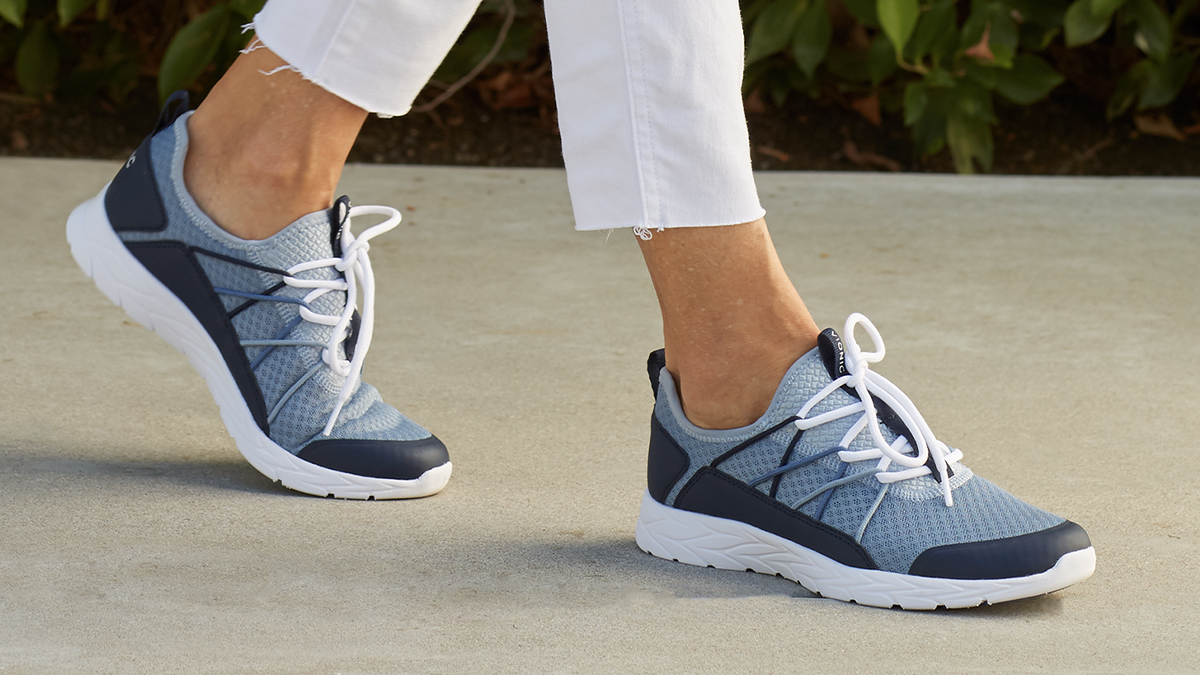
Not every tennis shoe is an ideal candidate for walking. Applying a simple framework can guide you to the perfect pair. First, prioritize fit and comfort over style. Your foot should feel secure but not constricted, with a thumbnail’s space between your longest toe and the shoe’s end. The heel should be locked down without slippage. Second, analyze the sole flexibility. While tennis shoes are generally stiffer than runners, they should still bend at the ball of the foot—the metatarsal break point—where your foot naturally flexes when pushing off. A shoe that’s completely rigid through the midfoot will hinder a natural walking gait. Third, examine the tread pattern. A classic herringbone pattern offers excellent multi-surface grip, but some modern “all-court” patterns with more nubs and pods can be more comfortable on pavement. Avoid aggressive, deeply-lugged “clay court” soles, as they can feel lumpy on hard surfaces. Fourth, consider the weight. Modern tennis shoes have become remarkably lightweight. A lighter shoe reduces leg fatigue over long distances, so compare weights within your shortlist. Finally, don’t ignore the upper. Breathable mesh is ideal for ventilation, while synthetic leather overlays provide structure and durability. The best tennis shoes for walking will strike a balance, offering breathable zones in high-heat areas with strategic reinforcements for support.

Beyond the Pavement: Versatility in Use
The final, often overlooked, advantage of choosing a tennis shoe for your walking needs is its inherent versatility. A dedicated running shoe can look out of place with casual attire, and a sleek walking moccasin might not feel right for a quick gym session. A well-designed tennis shoe, however, often occupies a stylish middle ground. Its aesthetic, born from sport but refined for the consumer market, transitions seamlessly from a long morning walk to running errands, casual Friday at the office, or even light gym work. This “one-shoe-does-more” capability reduces clutter and increases the utility of your purchase. As lifestyle and fitness experts on platforms like Quora and YouTube often highlight, the most sustainable and practical fitness gear is the gear you actually wear consistently across multiple aspects of your life. A comfortable, supportive, and good-looking pair of tennis shoes encourages an active lifestyle not just during designated “walk times,” but throughout your entire day. They become a tool for spontaneous activity, whether it’s taking the stairs, an extra lap around the mall, or a walk with a friend after dinner. This psychological nudge towards movement, facilitated by versatile and comfortable footwear, is an intangible benefit that far exceeds the simple metric of miles walked.
The journey to finding perfect walking footwear doesn’t require limiting yourself to a single aisle labeled “walking shoes.” The engineering marvels developed for the tennis court—unrivaled stability, durable cushioning, and long-lasting construction—present a compelling alternative for the everyday pedestrian. By understanding the design principles and applying a thoughtful selection criteria, you can harness these features for your daily ambulation. The right pair of tennis shoes for walking offers more than just comfort; it provides a stable, durable, and versatile foundation that supports not only your feet but an active, integrated lifestyle. Your path forward might just be best traveled in shoes built for the baseline.
