

The Ultimate Guide to Comfortable Walking in Tennis Shoes
For years, the idea of using tennis shoes for walking was met with skepticism from purists in both sports. However, a shift is underway. The modern athletic shoe landscape has blurred the lines, and many are discovering that a well-chosen tennis shoe can provide an exceptional, stable, and surprisingly comfortable platform for dedicated walkers. This isn’t about repurposing old, worn-out court shoes; it’s about understanding the specific engineering of modern tennis footwear and how its features align perfectly with the biomechanical demands of walking. We’re moving beyond the generic “sneaker” category to a more nuanced appreciation of how lateral support, durable outsoles, and cushioned midsoles—hallmarks of a good tennis shoe—can transform your daily stride from a mundane task into a genuinely pleasurable and joint-friendly activity.
The Unseen Architecture: Why Tennis Shoes and Walking Are a Scientific Match
To comprehend the synergy, we must dissect the act of walking itself. According to biomechanics literature from institutions like the University of Calgary’s Human Performance Laboratory, the gait cycle involves a complex sequence of heel strike, midfoot stance, and toe-off. This generates forces of 1-1.5 times your body weight with each step. Now, consider the tennis court: a sport defined by explosive lateral cuts, quick stops, and forward lunges. The footwear designed for this environment, therefore, prioritizes three critical elements: lateral stability to prevent ankle roll, forefoot durability for toe-drags, and impact absorption at the heel. These are not arbitrary features. A study cited on Wikipedia’s “Athletic Shoe” entry notes that tennis shoes often incorporate a reinforced “outrigger” or a wider base. For a walker, this translates to unparalleled stability on uneven sidewalks or park trails, actively counteracting the subtle supination or pronation that occurs with each step. The durable toe guard, designed for court abrasion, protects a walker’s toes during a powerful push-off phase. In essence, you are leveraging footwear engineered for higher-stress, multi-directional movement for the simpler, repetitive motion of walking—a case of over-engineering that works decidedly in your favor.
Decoding the Jargon: Cushioning, Drop, and the Myth of the “Soft” Sole
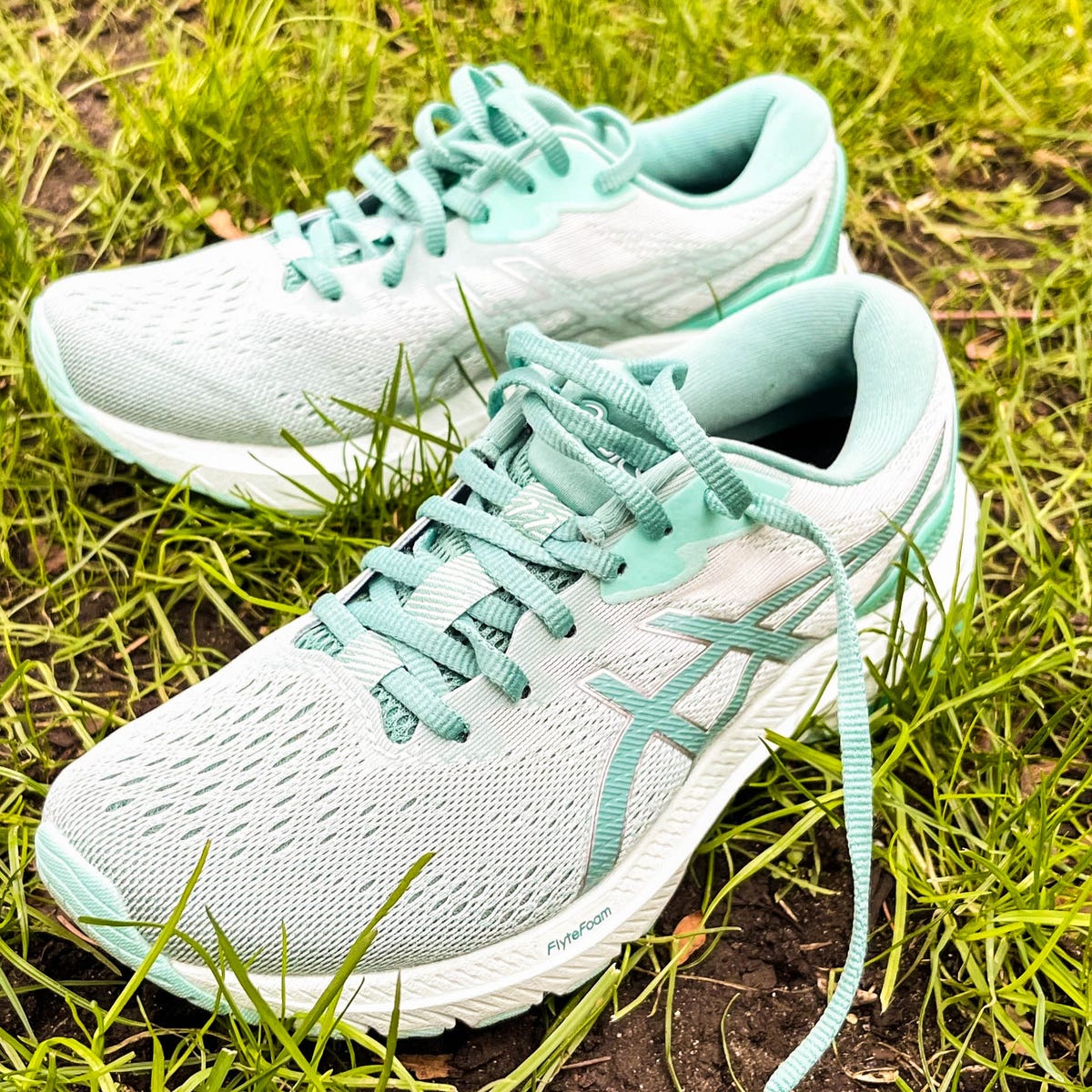
A common misconception in choosing walking shoes is the pursuit of maximum softness. As noted by podiatrist Dr. Ray McClanahan in a widely-shared Quora discussion on foot health, excessive, mushy cushioning can actually weaken the intrinsic muscles of the foot and dampen the proprioceptive feedback your body needs for natural gait. This is where the construction of many tennis shoes for walking shines. They typically employ a balanced approach: a firm, resilient foam in the midsole (like EVA or polyurethane) paired with a softer, responsive top layer. This provides shock attenuation without the unstable “quicksand” feel. Another critical term is “heel-to-toe drop.” Popularized by running shoe reviews, the drop is the height difference between the heel and forefoot. Many traditional walking shoes have a significant drop (10-12mm), which can encourage a harder heel strike. Tennis shoes often feature a moderate drop (6-10mm), promoting a more natural foot transition. As biomechanist Katy Bowman argues in her book “Move Your DNA,” varying your footwear, including using shoes with different drops, can contribute to overall foot health. Therefore, integrating a pair of tennis shoes for walking into your rotation introduces a beneficial variation in stimulus, challenging your feet and lower legs in a supportive way.
The Durability Dividend: An Economic and Environmental Argument
Let’s address a practical, often overlooked advantage: longevity. The outsole of a tennis shoe is a masterpiece of rubber science. Designed to withstand the abrasive, sandpaper-like surface of a hard court, it is made from high-density, non-marking rubber compounds. When you take this technology onto asphalt or concrete sidewalks, you are subjecting it to a less aggressive environment. The result? The outsole simply lasts longer. A contributor from the “Well-Built” section of Baidu Baike points out that the herringbone or modified tread patterns on tennis shoes are not just for traction; they distribute wear more evenly across a larger surface area. This means you get more miles before the shoe is “bald.” From an economic perspective, the cost-per-walk decreases significantly. Environmentally, it’s a nod toward conscious consumption—buying one durable pair of tennis shoes for walking that serves multiple purposes (light court play, gym workouts, daily walking) is preferable to purchasing several specialized, less-durable pairs. The value proposition extends beyond immediate comfort to long-term utility and sustainability.
:max_bytes(150000):strip_icc()/Web_1500-vwt-primary-best-overall-shoe-tstaples-118-671f4e0048e64d14a1c42e4f8d9e6658.jpg)
Selecting Your Perfect Pair: A Buyer’s Framework
Not all tennis shoes are created equal for walking purposes. Applying a structured framework will lead you to the optimal pair. First, prioritize fit over brand. Your foot should feel secure in the heel and midfoot, with ample room (about a thumbnail’s width) in the toe box to allow for natural splay and swelling during longer walks. Second, examine the midsole. Press on it; it should compress and then spring back, indicating good energy return. Avoid models that feel dead or overly rigid. Third, perform the “flex test.” Bend the shoe at the ball of the foot. It should flex easily there, mirroring your foot’s natural hinge point, but resist twisting through the arch, indicating torsional stability. As YouTube reviewer and certified pedorthist “The Foot Doctor” often emphasizes, “A shoe that bends in half like a taco is offering zero support for your plantar fascia.” Finally, consider weight. While tennis shoes are generally sturdier than minimalist runners, advances in materials have led to lighter models. A lighter shoe reduces leg fatigue over distance, making your walk feel more effortless.
A Note on Style and Versatility: Beyond the Court
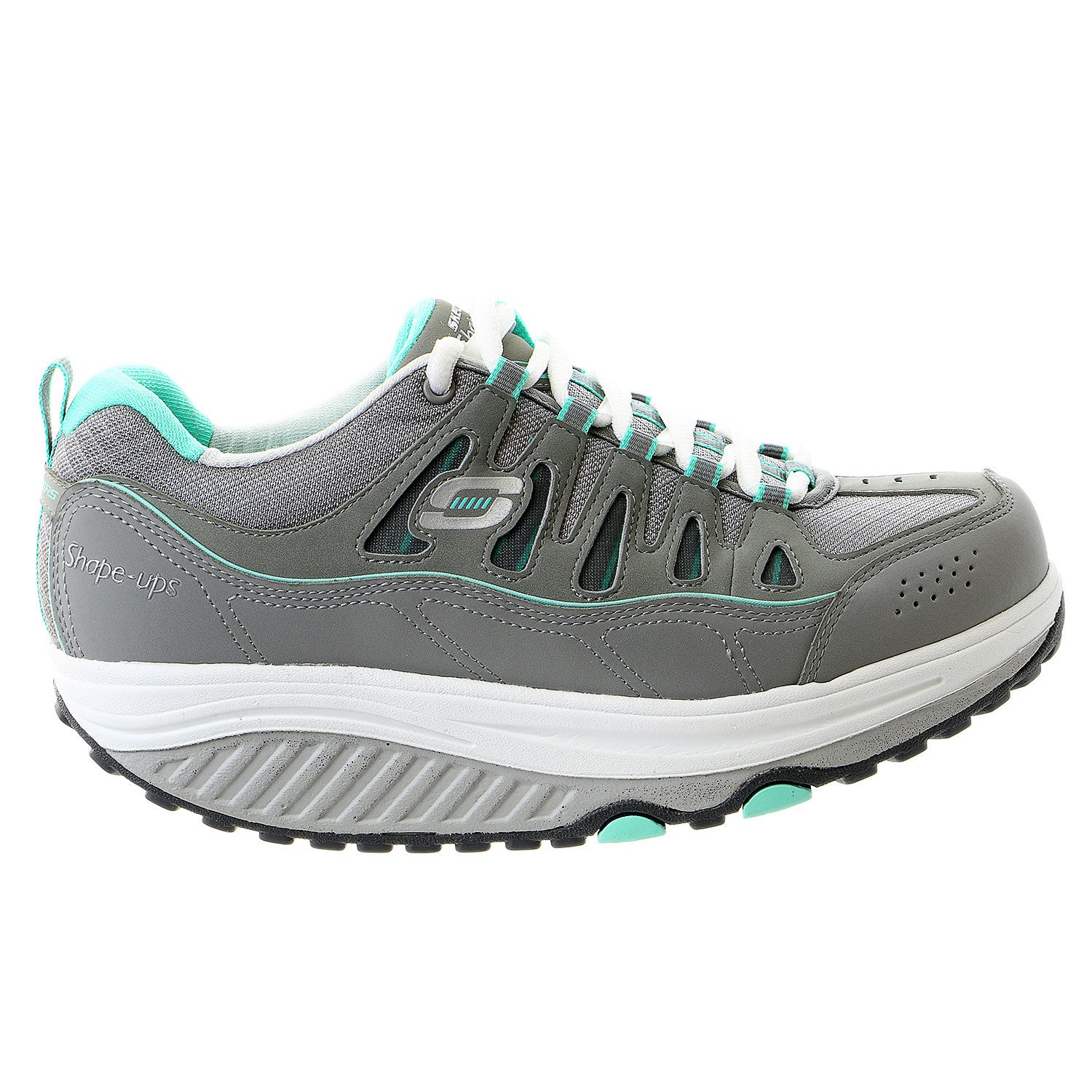
The aesthetic evolution of tennis shoes has been remarkable. Gone are the days of purely white, bulky designs. Brands now offer tennis shoes for walking in a spectrum of colors and profiles that seamlessly transition from the pavement to a casual lunch. This psychological aspect shouldn’t be underestimated. When you enjoy the look of your footwear, you’re more likely to wear it consistently. The versatility is a key selling point. As a style commentator from a renowned fashion website noted, the “tennis core” trend has legitimized the court shoe as a fashion staple, meaning your investment serves both performance and style needs. You are not buying a single-use tool but a multifaceted piece of gear that supports your active lifestyle and personal expression.
Integrating Professional Insight and Smart Shopping
To truly harness the benefits, pair your shoe knowledge with professional insight. If you have specific biomechanical issues (like severe overpronation or a history of plantar fasciitis), consulting a podiatrist or a specialist at a reputable running store is invaluable. They can analyze your gait and recommend specific tennis shoe models known for their supportive features. Now, let’s talk about access. Premium technology often comes with a premium price tag, but savvy shopping can bridge the gap. Consider previous season’s models, which often see discounts of 30-50% as new colorways are released. The core performance technology—the foam, the stability features, the outsole rubber—remains largely unchanged. Signing up for brand newsletters or following retailers on social media can alert you to flash sales. The goal is to bring professional-grade support and comfort to your walk without straining your budget. Remember, the best shoe is the one that fits your foot, your biomechanics, and your financial reality.

The First Step is Informed
Walking is our most fundamental movement, a rhythm of life that deserves to be honored with thoughtful equipment. Dismissing tennis shoes for walking based on outdated categorizations means overlooking a category of footwear meticulously designed for stability, durability, and dynamic support. By understanding the science behind their construction, applying a discerning selection criteria, and shopping strategically, you unlock a new tier of walking comfort. This isn’t a compromise; it’s an upgrade. It’s about choosing a tool that respects the engineering of your body and the rigors of the urban or natural landscape beneath your feet. Lace up a pair designed for the demands of the court, and discover how they can redefine the simple, profound act of putting one foot in front of the other.
