

The Ultimate Guide to Comfortable and Stylish Tennis Shoes for Walking
Let’s be clear from the start: the perfect shoe for your daily strides isn’t always a dedicated walking shoe. Often, it’s a well-chosen pair of tennis shoes for walking. This guide isn’t about following fleeting trends; it’s about understanding the biomechanical marriage between your foot, your gait, and a category of footwear engineered for lateral support and cushioning. We’re moving beyond the assumption that “walking” and “running” shoes are the only options. Instead, we’re exploring how the structural tenets of a tennis shoe—durability, stability, and responsive cushioning—can translate into an exceptional walking companion for urban explorers, all-day standers, and anyone seeking a blend of undeniable comfort and street-ready style. The journey to finding that ideal pair is a fusion of science, personal need, and aesthetic preference, and it begins with dismantling a few preconceptions.
The Unlikely Synergy: Why Tennis Shoes Work for Walking
The fundamental question is logical: why would a shoe designed for the quick, side-to-side bursts of a tennis court serve a walker well? The answer lies in the shared, yet distinct, biomechanical demands. Both activities are heel-to-toe movements, but walking involves a longer period of full-foot contact and a more pronounced roll-through from heel strike to toe-off. A quality tennis shoe is built with this roll-through in mind, offering structured heel counters and forefoot flexibility. According to research from the University of Calgary’s Human Performance Laboratory, footwear stability is a critical factor in reducing excessive foot motion, which can lead to discomfort and injury over long distances. Tennis shoes inherently provide this through reinforced midsoles and supportive uppers to handle court movements. When you translate this to walking, you get a shoe that offers superior medial-lateral (side-to-side) stability compared to many minimalist running shoes, cradling your foot through each phase of the stride. Furthermore, the outsole durability designed to withstand abrasive court surfaces translates to exceptional longevity on pavement and trails. The cushioning systems in brands like ASICS, often featuring GEL technology, or Nike’s Air units, are engineered to absorb vertical impact—a constant in both tennis and walking. Therefore, choosing a tennis shoes for walking isn’t a compromise; it’s a strategic selection of a tool built for sustained, stable, and supported movement.
Deconstructing Comfort: The Pillars of a Great Walking Experience
Comfort is a subjective feeling, but its foundations are objective and scientific. For a tennis shoes for walking to succeed, it must excel in three key areas: cushioning, fit, and breathability. Cushioning isn’t just about softness; it’s about energy return and impact dispersion. As Dr. Casey Kerrigan, a former Harvard Medical School researcher and founder of a footwear science company, once noted in an interview, “The goal of cushioning should be to reduce the loading rates on your joints, not just to feel plush.” Many tennis shoes utilize dual-density foams or encapsulated cushioning systems that offer a balanced feel—firm enough for stability during push-off, yet soft enough to cushion the heel strike. Fit is paramount. The “glove-like” feel often described in tennis shoe reviews points to a secure midfoot and heel lockdown, preventing slippage that can cause blisters. A study published in the Journal of Foot and Ankle Research emphasizes the importance of adequate toe box space to allow for natural splay and swelling during prolonged activity, a feature present in many performance tennis models. Finally, breathability, often achieved through engineered mesh uppers, manages moisture and temperature, creating a sustainable microclimate for your foot. When these pillars align, the shoe disappears from your consciousness, allowing you to focus on the journey, not your feet.
Arch Support and Last Design: The Blueprint of Your Shoe
Beneath the visible layers of a shoe lies its architectural blueprint: the last. This is the three-dimensional mold around which the shoe is constructed, and it determines its fundamental shape—straight, semi-curved, or curved. Your arch type (neutral, low, or high) must correspond with the last and the built-in support. For instance, a person with overpronation (flat feet) would benefit from a straight-lasted tennis shoe with substantial medial support, much like the stability models from brands like New Balance. As noted on the American Podiatric Medical Association’s public resources, proper arch support helps distribute pressure evenly across the foot. This isn’t mere marketing; it’s applied podiatric science. A tennis shoe designed for a player with a specific foot type brings that same supportive technology to your walk. Ignoring the last is like building a house on an unstable foundation; no amount of superficial comfort features will compensate for a fundamental mismatch between your foot’s structure and the shoe’s shape. Therefore, identifying your arch type, often via a simple wet foot test or at a specialty store, is a non-negotiable first step before even considering style.

Style as Function: When Your Shoes Need to Transition
Let’s address the elephant in the room: many dedicated walking shoes are functional triumphs but stylistic tragedies. The modern consumer often demands versatility—a shoe that can perform during a morning power walk, endure a day of errands, and still look appropriate for a casual lunch. This is where tennis shoes for walking have a distinct advantage. Born from sportswear, they carry an inherent athletic aesthetic that has been seamlessly integrated into streetwear for decades. The classic white leather tennis shoe, epitomized by models like the Adidas Stan Smith or the Nike Court Vision, offers a clean, minimalist profile. The technical designs of modern performance models, with their dynamic lines and mixed materials, project an active, engaged vibe. This stylistic currency is not trivial. When you feel good about what you’re wearing, your posture improves, your mood lifts, and your activity becomes a more integrated part of your lifestyle, not a segregated chore. As fashion historian and author of Sneakers, Elizabeth Semmelhack, stated in a Vogue interview, “The sneaker represents a convergence of performance, technology, and cultural identity.” Choosing a stylish, comfortable shoe removes a barrier to consistent activity, making the healthy choice the easy and attractive choice.

Making the Investment: Longevity, Care, and Finding Value
Purchasing the right pair of shoes is an investment in your physical well-being. A high-quality pair of tennis shoes for walking, constructed with durable rubber outsoles and robust upper materials, will typically outlast many softer-soled dedicated walking shoes. However, even the best shoes have a lifespan. The general rule, supported by exercise physiologists, is to replace shoes every 300-500 miles, as the midsole foam loses its resiliency and ability to absorb shock, long before the outsole wears through. To extend this lifespan, rotate between two pairs if possible, allowing the foam to fully decompress between uses. Care is simple: use a soft brush for dried mud, a mild soap solution for stains, and always air dry away from direct heat. Now, let’s talk value. While premium models from ASICS, Nike, or Saucony might retail between $120-$160, significant value can be found. End-of-season sales, outlet stores, and reputable online retailers often offer previous-generation models at 30-50% discounts. The technology difference between last year’s model and the current one is often minimal, especially for a walker’s needs. For instance, a top-tier stability model like the ASICS GT-1000, often found on sale, provides exceptional guidance and cushioning at a fraction of the cost of its flagship sibling. The key is to prioritize the core features—fit, support, and durable construction—over the very latest colorway or marginal performance claim.
A Curated Selection: Models That Bridge the Gap
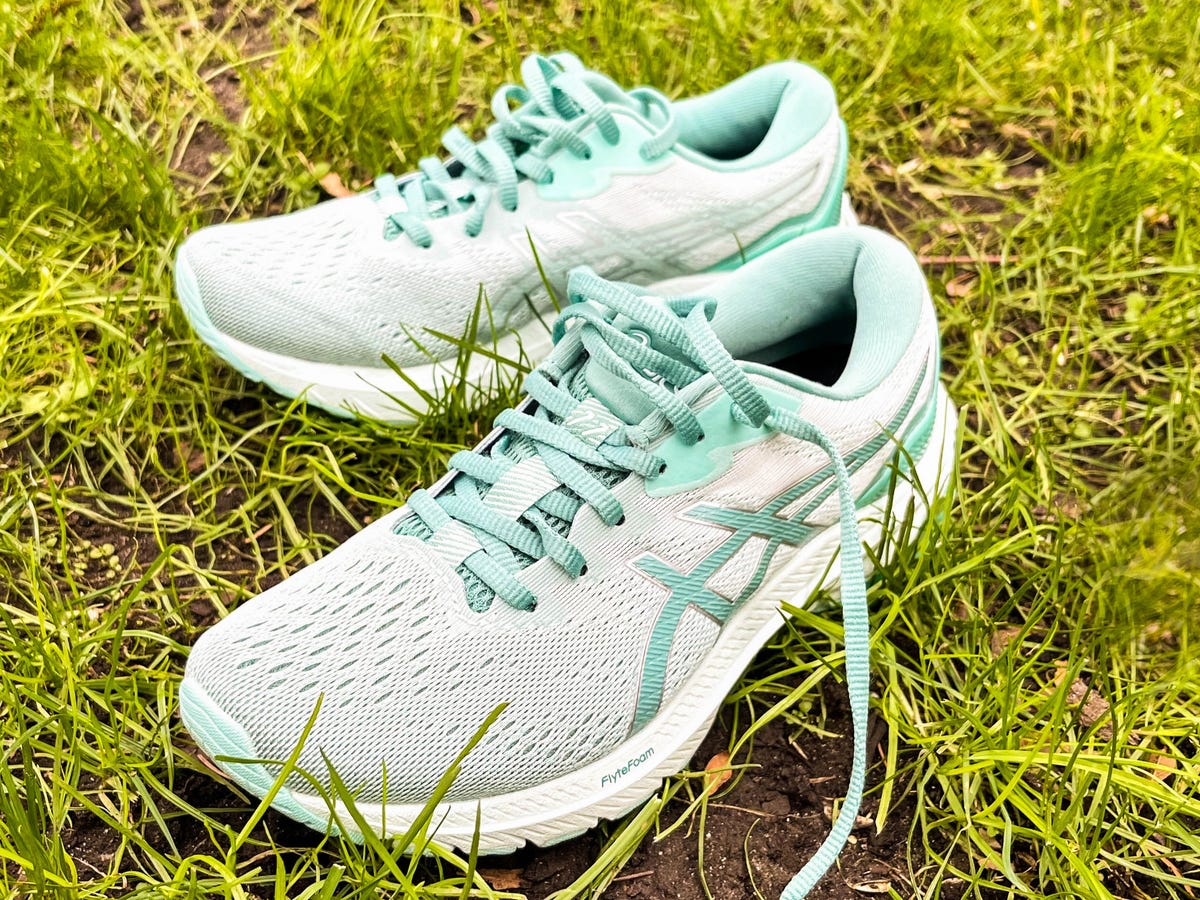
To translate theory into practice, here are a few categories of tennis-inspired shoes that excel for walking. First, the Modern Comfort Pillar: The Ryka Devotion X is a standout, specifically engineered for women’s foot anatomy. It features a balanced cushioning system and a secure, supportive fit that makes it a favorite for long-distance walkers, as seen in numerous reviews on Verywell Fit. Second, the Heritage Style Icon: The Adidas Stan Smith or Nike Court Legacy. Their simple, leather construction, flat, stable outsole, and timeless profile offer all-day comfort for low-impact, urban walking where style is a priority. Third, the Technical Performance Hybrid: Shoes like the ASICS Gel-Resolution or Nike Air Zoom Vapor Cage. These bring advanced technologies like GEL cushioning and Zoom Air units to the table, offering exceptional impact absorption and energy return for brisk, fitness-focused walking. They represent the pinnacle of repurposing court technology for forward motion. Trying on shoes from each category will give you a tangible feel for the spectrum of what tennis shoes for walking can offer.
:max_bytes(150000):strip_icc()/vwt-walking-shoes-test-ryka-devotion-x-sahara-borja-02-18807b688fbb49e4ba30a3ee438600cb.jpeg)
The search for the perfect walking shoe ends not in a narrow specialty aisle, but in a broader understanding of biomechanics and design. A thoughtfully chosen tennis shoe provides a formidable combination of structured support, durable cushioning, and versatile style that can elevate your daily movement. It’s a testament to the idea that the best tool for a job might not be the most obvious one, but the one whose engineering principles align most closely with your body’s needs and your life’s rhythm. Forget rigid categories and listen to the evidence underfoot; your ideal path might just be paved in the reliable, supportive foundation of a great pair of tennis shoes.
