

The Best Tennis Shoes for Everyday Walking Comfort
Finding the perfect pair of shoes for daily ambulation is more than a matter of style; it’s a foundational decision for your long-term musculoskeletal health and overall well-being. While the market is flooded with specialized walking shoes and running sneakers, a compelling case can be made for a versatile hybrid: the right pair of tennis shoes for walking. This article delves into the objective, scientific, and experiential reasons why a well-chosen tennis shoe can be an exceptional choice for your everyday strides, blending athletic heritage with all-day comfort.
The Anatomical and Biomechanical Rationale
The human foot is a complex structure of 26 bones, 33 joints, and over a hundred muscles, tendons, and ligaments. Everyday walking, a seemingly simple activity, involves a sophisticated gait cycle of heel strike, midfoot stance, and toe-off. The wrong footwear can disrupt this cycle, leading to issues from plantar fasciitis to knee and back pain. Tennis, as a sport, demands a unique combination of movements: lateral cuts, quick forward bursts, sudden stops, and prolonged periods of on-the-toes readiness. Consequently, tennis shoes for walking are engineered with specific features that translate remarkably well to pedestrian use. They typically offer superior lateral support to stabilize the foot during the side-to-side motions inherent in walking on uneven urban terrain. The cushioning systems are designed to absorb impact not just from vertical forces (like running shoes) but also from multi-directional shocks. Furthermore, the outsole patterns, often herringbone or modified treads, provide excellent traction on a variety of surfaces, from pavement to indoor floors, enhancing safety with every step. As noted in biomechanics literature from institutions like the University of Calgary’s Human Performance Lab, footwear that offers stability in multiple planes of motion can reduce the risk of overuse injuries, a principle at the core of tennis shoe design.
Key Feature Breakdown: Cushioning, Support, and Durability
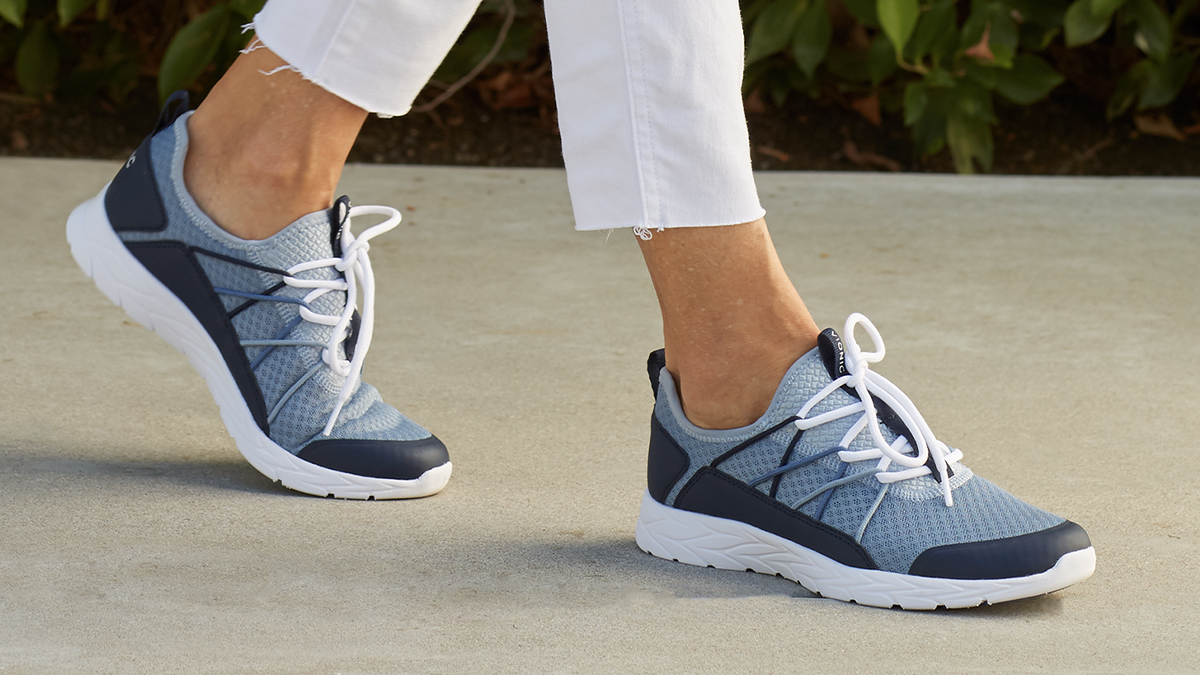
When evaluating tennis shoes for walking, three pillars stand out: cushioning, support, and durability. Let’s dissect each from a scientific and user-centric perspective. Cushioning in tennis shoes often utilizes advanced polymer foams like EVA (ethylene-vinyl acetate) or proprietary blends such as Nike’s Zoom Air or Adidas’s Boost. These materials are engineered for resilience—returning energy with each step—and for attenuating shock over prolonged periods. For the everyday walker, this means reduced fatigue in the feet and lower legs. Support is multifaceted. It includes a firm heel counter to lock the rearfoot, preventing excessive pronation or supination that can throw the entire kinetic chain out of alignment. The midfoot often features a torsional stability system or a medial post, technologies that prevent the foot from rolling inward too far. This is crucial for walkers who may not need the motion control of a dedicated orthotic shoe but benefit from guided stability. Durability is a hallmark. Tennis abrasion occurs primarily on the toe drag and outer edges. Therefore, outsoles are made from high-density rubber compounds like XDR (Extra Durable Rubber), and uppers feature reinforced “bumper” guards. For a walker, this translates to a shoe that withstands months of daily pavement pounding, offering a superior cost-per-wear ratio. A statement from renowned podiatrist Dr. Ray McClanahan, often cited in foot health forums, aligns with this: “Footwear should allow natural foot function while providing protection. A shoe with a wide toe box, a flat sole, and appropriate stability features—common in many tennis designs—can support this goal for daily wear.”
Perspectives from Culture and Authority
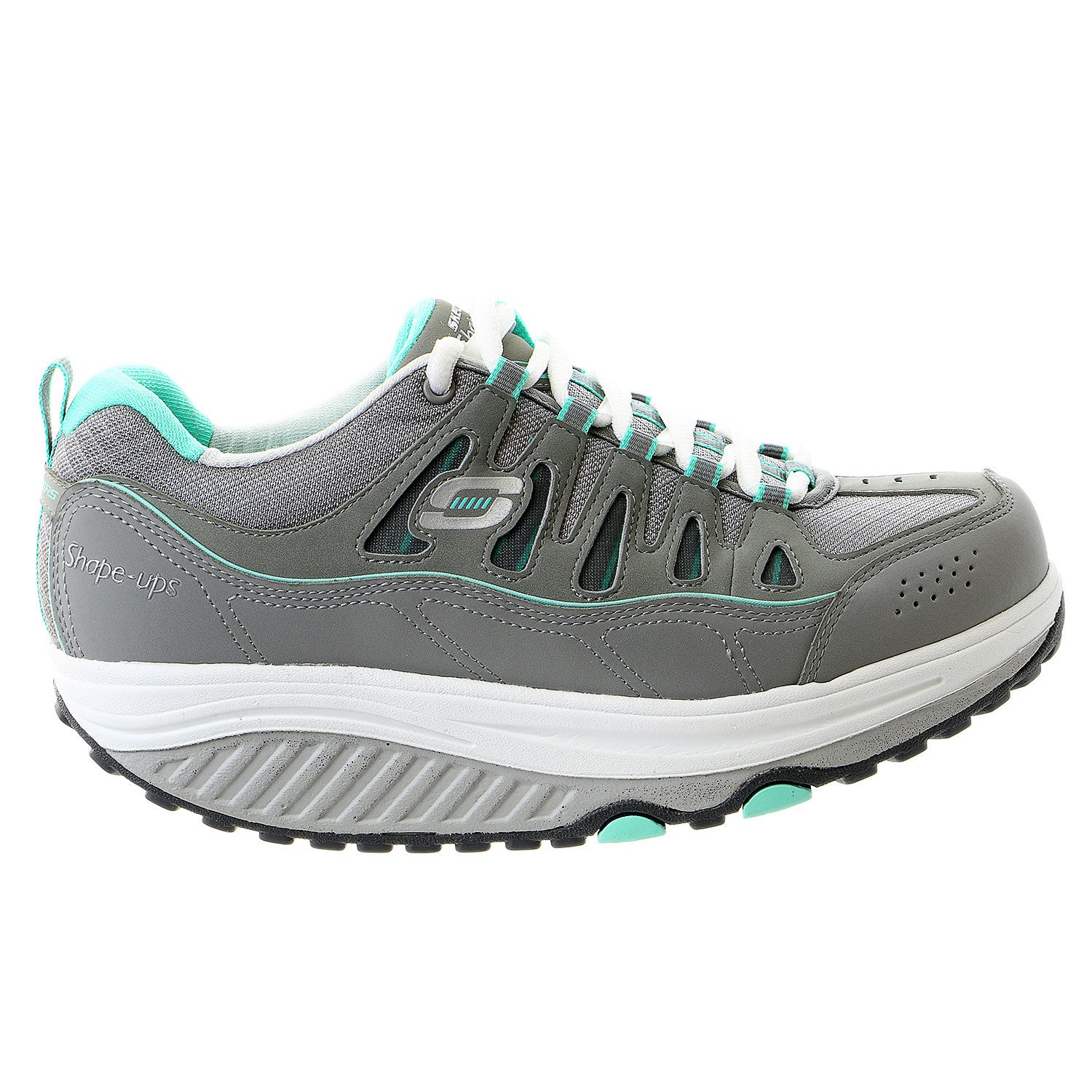
The suitability of athletic shoes for casual wear is not merely a modern trend but a concept validated by diverse viewpoints. In literature, the emphasis on practical, supportive footwear can be traced to narratives of journey and endurance. While not about tennis shoes per se, the meticulous attention to gear in Jon Krakauer’s “Into the Wild” underscores the life-or-death importance of reliable equipment for traversing the world—a metaphor for our daily urban traversals. From the realm of celebrity influence, tennis legend Stan Wawrinka has been quoted discussing the all-day comfort of his match shoes, designed for hours on court, hinting at their crossover potential. On platforms like Quora and specialized running/walking forums, seasoned users frequently debate the merits of cross-training shoes for walking, with many advocating for tennis models due to their “robust build and all-around support.” Even authoritative consumer websites like CNET and Wirecutter often include versatile athletic shoes in their roundups for best walking shoes, acknowledging their hybrid benefits. This confluence of expert opinion, user testimony, and cultural acknowledgment builds a credible case for considering these shoes beyond their intended sport.
A Practical Guide to Selection and Value
Understanding the “why” leads naturally to the “how.” Selecting the best tennis shoes for walking requires a focus on fit, function, and finding value. First, prioritize fit over everything. Your foot should feel secure in the heel and midfoot, with ample room in the toe box to wiggle your toes. Remember, feet swell throughout the day, so try shoes in the afternoon. Second, analyze the function. Look for the features discussed: a visible and sturdy heel counter, ample but not overly soft cushioning (too-soft foam can destabilize walkers), and a flexible forefoot for a natural toe-off. Brands like Asics (with their Gel technology), New Balance (renowned for width sizing), and K-Swiss (with their classic supportive builds) offer excellent models. Now, let’s talk value and professional insight. The retail price for premium tennis shoes often ranges from $100 to $160. However, savvy shoppers can find significant discounts. Consider previous season’s models, which offer nearly identical technology at a 30-50% discount. Online retailers like Amazon, Zappos, and brand outlet sites frequently run sales. For instance, a high-quality pair like the Asics Gel-Resolution or the New Balance Fresh Foam Lav might retail for $130 but can often be found on sale for under $90. Investing in a slightly older model of a proven tennis shoes for walking is a financially smart way to access top-tier comfort and technology.

Integrating Footwear into a Holistic Approach
It is vital to frame the discussion within a holistic context. The perfect shoe is a tool, not a panacea. Your walking comfort is a symphony conducted by your footwear, but played by the strength of your muscles, the flexibility of your tendons, and the alignment of your posture. Pairing your chosen tennis shoes for walking with simple foot-strengthening exercises—like toe curls, calf raises, and ankle circles—can dramatically enhance comfort and prevent injury. Furthermore, consider your walking environment. The same shoe that excels on paved paths may be less ideal on loose gravel or deep trail mud. The versatility of the tennis shoe lies in its competence across the most common urban and suburban landscapes. As a final professional tip, consider using aftermarket insoles if you have specific arch support needs. The removable sock liners in most tennis shoes allow for this customization, letting you tailor the fit to your unique foot morphology. This approach transforms a great off-the-shelf shoe into a personalized comfort system.
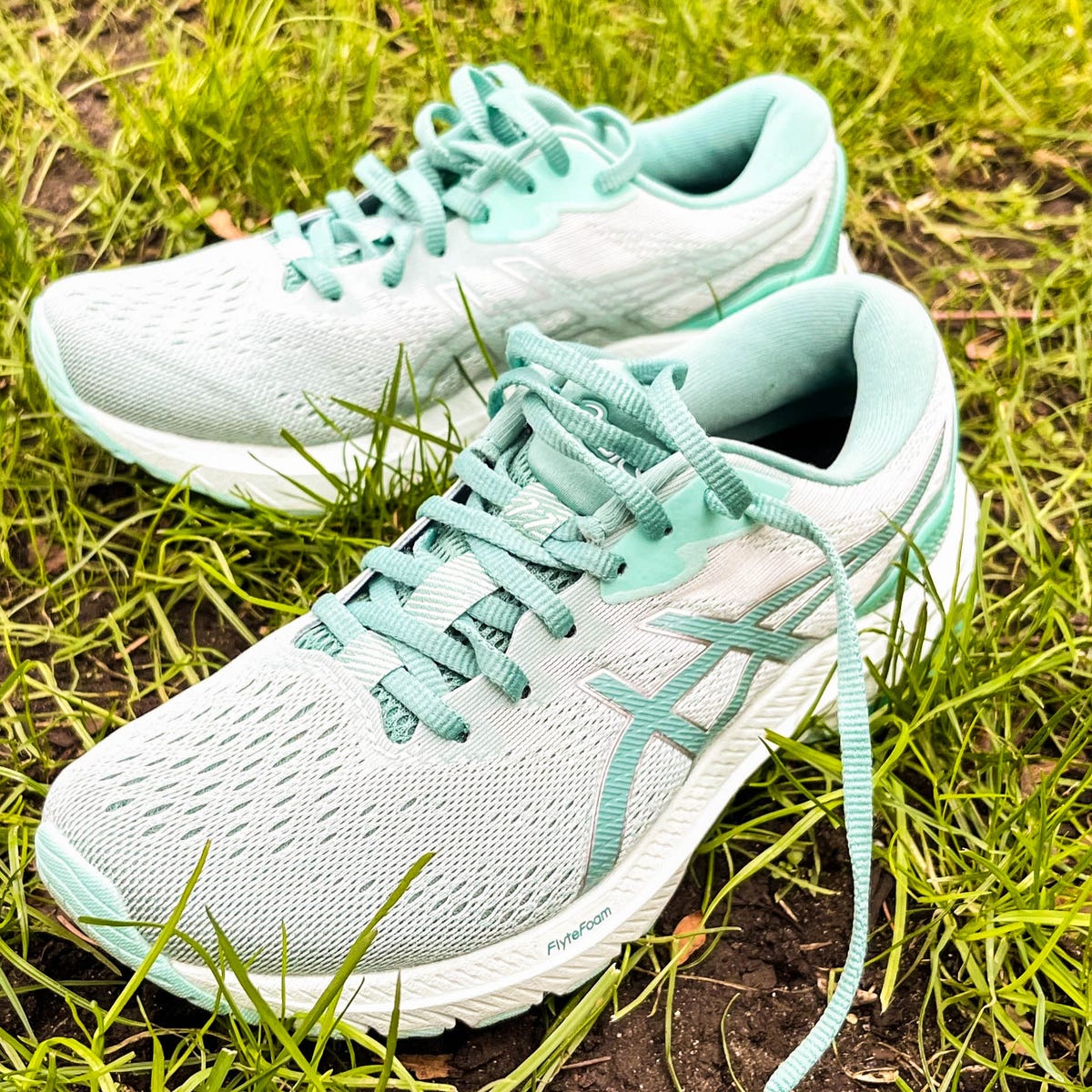
The journey to finding sublime comfort in every step need not be convoluted. By looking to the engineered solutions born on the tennis court, we find a category of footwear uniquely qualified for the demands of daily pedestrian life. They offer a scientifically-backed blend of cushioning, multi-directional support, and exceptional durability that often surpasses that of generic casual sneakers. When selected with care for fit and feature, and acquired through smart, value-conscious shopping, these shoes become more than just apparel; they become a reliable foundation for an active, comfortable lifestyle. The evidence from biomechanics, the endorsements from users and experts, and the sheer practical longevity of the shoes themselves make a powerful argument: for countless individuals, the path to everyday walking comfort is best traveled in a pair of purposefully chosen tennis shoes.
