

The Best Tennis Shoes for Everyday Walking Comfort
Forget the notion that tennis shoes are solely for the court. In the rhythm of daily life, where each step carries us through errands, commutes, and casual strolls, the right footwear is not a luxury but a necessity for sustained well-being. The quest for the perfect walking companion often leads us past specialized walking shoes and back to a versatile classic: the tennis shoe. This article posits that a well-chosen pair of tennis shoes for walking can provide an unparalleled blend of cushioning, stability, and style for everyday ambulation. We will dissect the anatomical and technological merits of modern tennis footwear, grounding our exploration in biomechanical principles and expert insights, to guide you toward a step that is not only comfortable but scientifically sound.
The Foundation: Why Tennis Shoes Excel Beyond the Baseline
The design philosophy of a tennis shoe is inherently transferable to walking. Tennis is a multidirectional sport involving lateral cuts, quick stops, and explosive forward movements. Consequently, manufacturers engineer these shoes with a profound focus on midfoot support and lateral stability—features that are often under-prioritized in shoes designed purely for straight-line motion. According to biomechanics literature from institutions like the University of Calgary’s Human Performance Lab, excessive foot pronation (inward rolling) during the gait cycle is a common source of discomfort and injury. A quality tennis shoe counters this through structured heel counters and supportive midsoles, effectively guiding the foot into a more neutral alignment with each step. This engineering makes tennis shoes for walking particularly beneficial for those whose daily routes involve varied surfaces or occasional uneven terrain, providing a stable platform that pure running or walking shoes might lack. The outsole, typically made of durable, non-marking rubber with a herringbone or modified tread pattern, offers reliable traction on both pavement and indoor surfaces, echoing the need for grip on diverse court surfaces like clay or hard court.

Deconstructing Comfort: Cushioning and Impact Absorption
At the heart of walking comfort lies the shoe’s ability to attenuate ground reaction forces—the shock that travels up your legs with every heel strike. Leading athletic brands invest heavily in cushioning technologies, such as Nike’s Air Zoom, Adidas’s Boost, and ASICS’s GEL. These are not mere marketing terms; they represent polymer compounds and mechanical systems designed to absorb and return energy. Dr. Casey Kerrigan, a former Harvard Medical School researcher and founder of a biomechanics-focused footwear company, has published studies suggesting that certain shoe cushioning materials can reduce joint loading in the lower extremities. In the context of a long day on your feet, this reduction in load is paramount. Tennis shoes often feature these advanced cushioning systems in the heel and forefoot, areas that endure significant pressure during both the serve-and-volley and the simple, repetitive motion of walking. Therefore, when you select a tennis shoes for walking, you are not just buying foam; you are investing in a scientifically-vetted damping system that protects your joints from the cumulative stress of thousands of daily steps.
The Arch of Support: Navigating Foot Type and Shoe Structure
One cannot discuss footwear objectively without addressing the triumvirate of foot types: neutral, overpronated, and supinated (underpronated). This is where the subjective “fit” meets objective science. Many premium tennis shoe models are available in variants that cater to these specific needs. For instance, a shoe with “motion control” properties, often featuring a denser medial (inner) post, is engineered for overpronators. This design principle is supported by podiatric guidelines which recommend structured support to prevent the arch from collapsing excessively. Conversely, a neutral-cushioned tennis shoe offers uniform support for those with a biomechanically efficient gait. Renowned running and walking coach Jeff Galloway often emphasizes in his workshops that “the shoe should complement your foot’s natural movement, not fight it.” This wisdom applies directly to choosing tennis shoes for walking. By trying on shoes from lines known for stability (like the ASICS Gel-Resolution) versus those known for plush cushioning (like the New Balance Fresh Foam Lav), you can empirically determine which architecture makes your foot feel secured and supported throughout the simulated walking motion in the store.
:max_bytes(150000):strip_icc()/vwt-walking-shoes-test-ryka-devotion-x-sahara-borja-02-18807b688fbb49e4ba30a3ee438600cb.jpeg)
Material Matters: Breathability and Durability in Daily Wear
The upper material of a shoe dictates its climate and longevity. Traditional tennis shoes frequently utilize engineered mesh, synthetic leather, or a combination thereof. Engineered mesh provides exceptional breathability, a feature critical for preventing moisture buildup and maintaining foot hygiene during all-day wear. From a materials science perspective, these synthetic fabrics are designed for high tensile strength and abrasion resistance, as they must withstand the dragging and scraping inherent to tennis. This durability translates superbly to everyday walking, where shoes face scuffs from curbs, friction from carpets, and general wear and tear. A resource like Wirecutter or Runner’s World gear guides consistently highlights the long-term value of shoes with robust uppers. When your primary activity is walking, the shoe’s lifespan extends significantly compared to rigorous athletic use, meaning a well-constructed pair of tennis shoes for walking can serve as a reliable daily driver for many months, offering outstanding cost-per-wear value. This durability, paired with the discounted prices often found on previous-season models or during major sales events, makes high-performance tennis shoes an astute and economical choice for the discerning walker.
Aesthetic Versatility: From Path to Pavement
Function does not have to forsake form. The modern tennis shoe sits at a fashionable crossroads. Inspired by classic designs from the likes of Stan Smith, Rod Laver, and the on-court styles of contemporary stars, today’s tennis shoes boast clean lines and colorways that transition seamlessly from a morning walk in the park to casual office settings or social engagements. This sartorial flexibility is a non-trivial advantage. It eliminates the need for multiple shoe changes and aligns with a minimalist, practical lifestyle. As fashion commentator and author Dana Thomas noted in her work on the democratization of style, athletic footwear has become a legitimate and expressive component of everyday wardrobe. Choosing a versatile pair of tennis shoes for walking means investing in an item that supports your physical health without compromising your personal aesthetic, proving that what works biomechanically can also work brilliantly within your personal style ecosystem.

Making the Informed Choice: A Buyer’s Considerations
Armed with this knowledge, your selection process should be deliberate. First, prioritize fit above all else. Your foot should feel secure without pressure points, with about a thumbnail’s space between your longest toe and the shoe’s end. Second, consider the primary walking environment. A shoe with a deeper, more aggressive tread may be ideal for park trails, while a smoother, flatter sole might be better for primarily urban settings. Third, do not overlook weight. A lighter shoe reduces leg fatigue over distance, a principle corroborated by studies in energy expenditure during locomotion. Finally, leverage the market. End-of-season sales, online retailers’ clearance sections, and brand outlet stores are excellent avenues to acquire premium technology at a fraction of the original cost. The goal is to find the intersection where cutting-edge comfort technology meets your budgetary reality.
The Verdict of Experience: Testimonials and Expert Nods
The suitability of tennis shoes for walking is not merely theoretical; it is echoed in the experiences of countless users and professionals. On platforms like the /r/walking subreddit or dedicated Quora threads, anecdotes abound of individuals who switched from dedicated walking shoes to performance tennis models and found relief from plantar fasciitis or knee pain. Furthermore, celebrity fitness trainers on YouTube, such as Holly Perkins or Jeanette Jenkins, have been seen recommending stable, supportive athletic shoes for clients’ daily walking routines, often highlighting models born from court sports. While these are endorsements, they point to a broader, experiential truth: when a shoe is built to handle the dynamic, impactful nature of sport, it often excels in the less strenuous, but prolonged, test of daily pedestrian life.
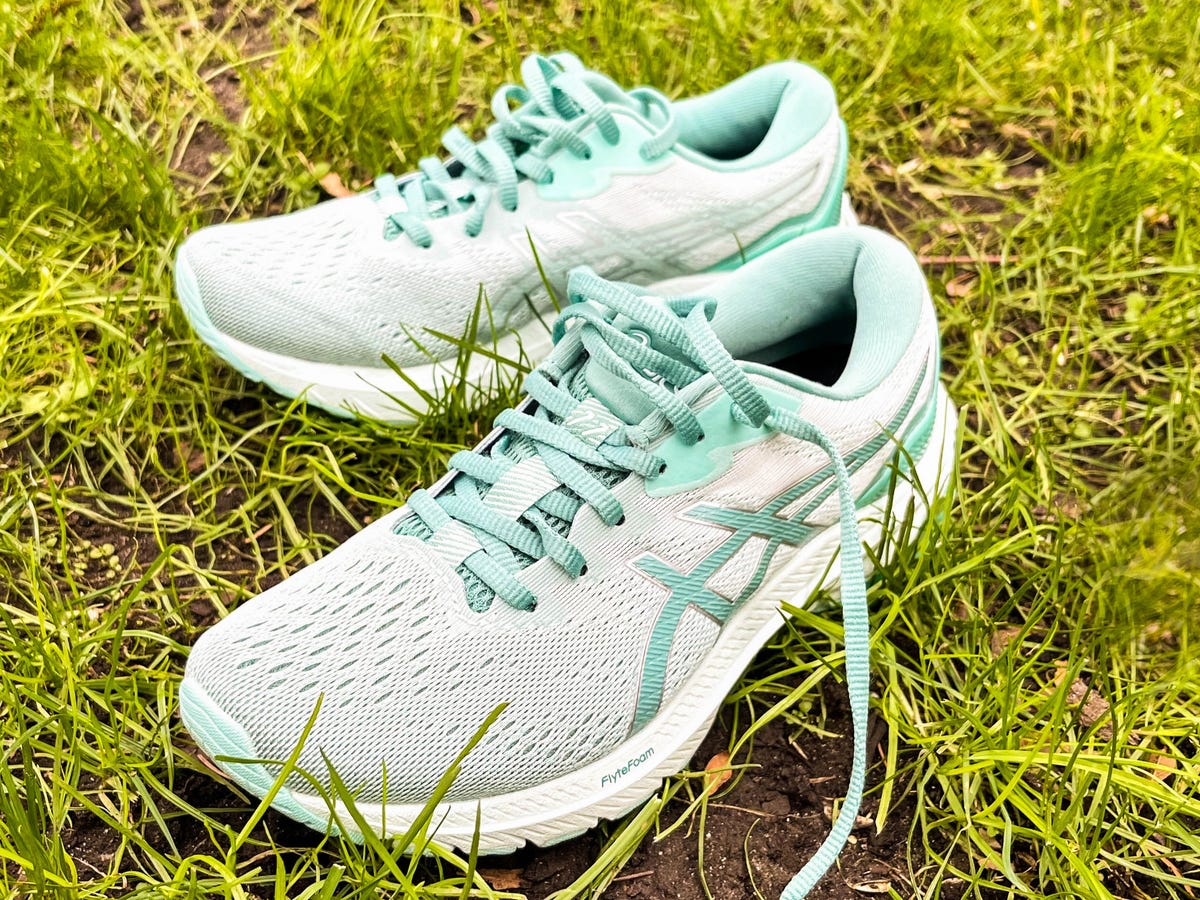
In the final analysis, the search for everyday walking comfort need not be confined to a single aisle labeled “walking shoes.” The engineered response to tennis’s demands—for stability, cushioning, durability, and breathability—creates a footwear category uniquely qualified for the multifaceted challenges of daily movement. By applying a discerning eye to fit, technology, and personal need, you can identify a pair of tennis shoes for walking that transforms a simple, necessary act into a sustained experience of comfort and support. Your journey begins with a single, well-supported step.
