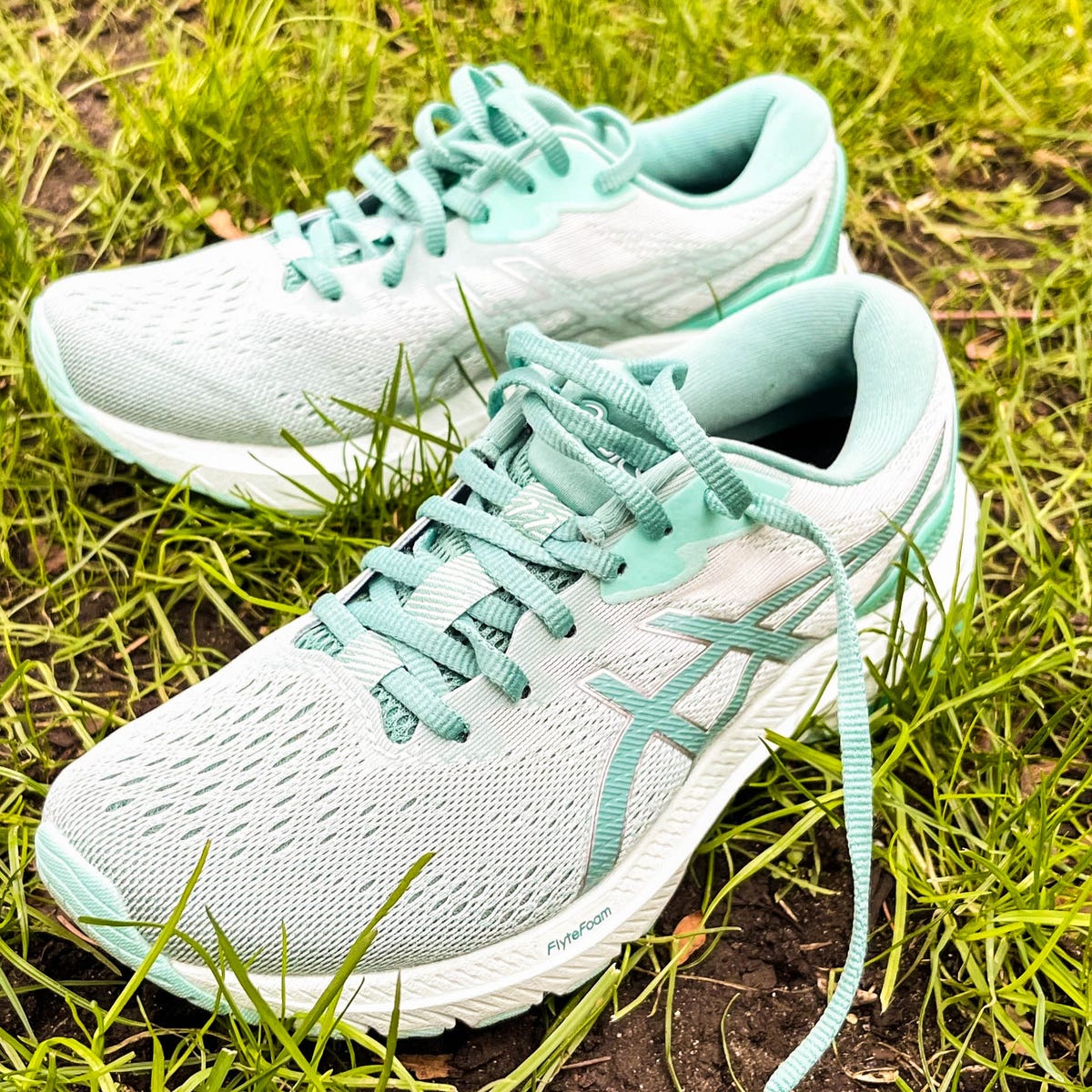
The Best Tennis Shoes for Everyday Walking Comfort
When we talk about finding the perfect shoe for daily ambulation, the conversation often veers towards specialized walking shoes or running sneakers. However, a compelling case can be made for a different category entirely: the modern tennis shoes for walking. These shoes, born from the lateral demands of the court, have evolved into versatile marvels of engineering that offer exceptional support, cushioning, and durability for the pedestrian. This isn’t about repurposing a clay-court specialist for a grocery run; it’s about recognizing how the fundamental design principles of a quality tennis shoe align almost perfectly with the biomechanical needs of everyday walking. Let’s explore why a well-chosen pair of tennis shoes might be the unsung hero of your daily comfort.
The Unseen Engineering: Why Tennis Shoes Work for Walking
To understand the suitability of tennis shoes for walking, we must first dissect their design DNA. Unlike running, which is a series of forward-propelling motions, tennis involves explosive lateral cuts, quick stops, and multi-directional sprints. As noted in biomechanics literature from institutions like the University of Calgary’s Human Performance Laboratory, this demands a shoe with exceptional medial-lateral stability. The midfoot and heel are often fortified with thermoplastic urethane (TPU) or similar supportive cages to prevent the foot from rolling inward (overpronation) or outward (supination) during aggressive side-to-side movement. For the walker, this translates to unparalleled stability on uneven sidewalks, during curb steps, or simply when navigating crowded streets. The outsole, typically made of durable, non-marking rubber with a herringbone or modified tread pattern, is designed for traction on varied surfaces—from clay and hard court to, by extension, asphalt, tile, and hardwood floors. This multifaceted grip is a boon for everyday safety. Furthermore, the cushioning systems in tennis shoes, such as Adidas’ Boost or Nike’s Air Zoom, are tuned for impact absorption from jumps and hard landings, which, while less intense, directly correlates to cushioning the repetitive heel-strike of walking. In essence, a tennis shoes for walking provides a fortress of stability and cushioning that many dedicated walking shoes, optimized primarily for linear motion, cannot match.

Key Feature Deep Dive: Cushioning and Arch Support
Cushioning in athletic footwear is not merely about softness; it’s about energy return and impact dispersion. Dr. Casey Kerrigan, a renowned biomechanist and former Harvard Medical School professor, has extensively researched gait and footwear. Her work suggests that overly soft shoes can actually lead to increased joint loading by destabilizing the foot. Tennis shoes often strike a critical balance. They employ dual-density midsoles—softer foam for cushioning surrounded by firmer foam for stability—a technology that directly benefits walkers. For arch support, tennis shoes are frequently designed with consideration for plantar fascia strain during dynamic stops. Many models offer substantial arch reinforcement, which can be a revelation for individuals with plantar fasciitis or flat feet who spend hours on their feet. Brands like ASICS, with their Gel technology, and K-Swiss, with their SuperFoam, have built reputations on this balanced approach. When you slip on a pair of tennis shoes for walking, you’re not just getting a pillow for your foot; you’re getting a structured, responsive platform that works with your physiology to reduce fatigue. This scientific approach to comfort is why podiatrists often recommend certain tennis shoe models for patients needing daily orthotic-friendly, supportive footwear.
Beyond the Court: Lifestyle Integration and Style
The aesthetic evolution of tennis shoes has been dramatic. From the classic white leather of the Stan Smith to the sleek, knit uppers of modern performance models, tennis shoes have seamlessly crossed over into mainstream fashion. This is a significant practical advantage. Why choose between a comfortable “walking shoe” that may lack visual appeal and a stylish sneaker that offers no support? The best tennis shoes for walking bridge this gap. As fashion commentator and author Alec Leach notes in his writings on wearable design, the best functional fashion items serve their purpose without announcing it loudly. A pair of clean, well-designed tennis shoes from New Balance or Nike can transition from a full day of museum walking to a casual dinner without a second thought. This versatility is economically savvy, reducing the need for multiple specialized footwear. Furthermore, the construction quality of performance tennis shoes is typically high, using materials meant to withstand the abrasion of court surfaces. For a walker, this means the shoe’s upper and outsole will likely endure months of pavement-pounding far better than a cheaper, fashion-focused sneaker. You are investing in durability alongside comfort and style.
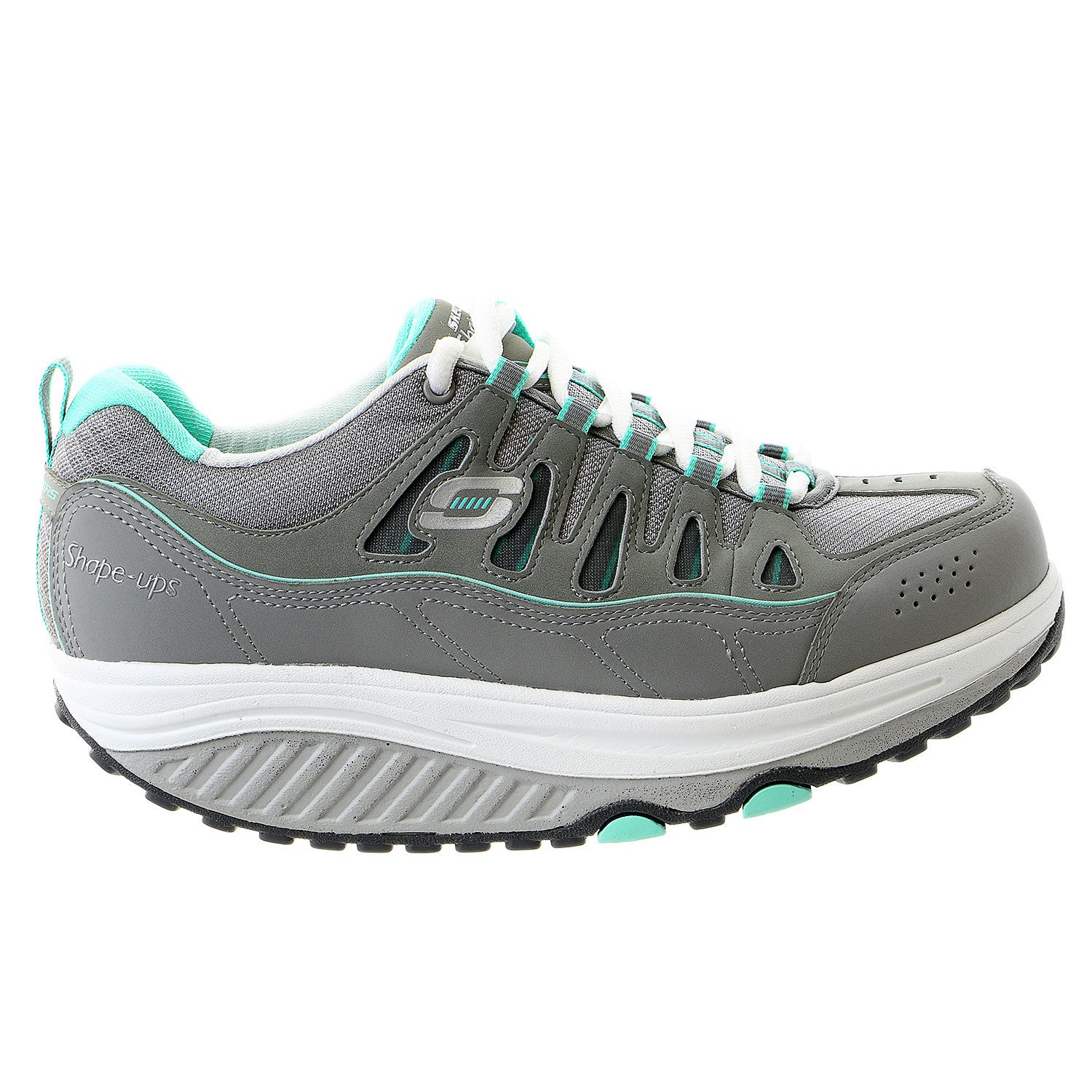
Selecting Your Pair: A Practical Guide
Not all tennis shoes are created equal for walking purposes. Focus on models designed for “court comfort” or “all-day wear” rather than purely for “performance” or “match play.” Look for keywords like “stable,” “cushioned,” and “durable.” A shoe with a slightly rounded “rocker” sole can promote a smoother heel-to-toe transition, a feature highlighted in walking shoe guides from sources like Verywell Fit. Fit is paramount. Your foot will swell during long walks, so try shoes on in the afternoon and ensure about a thumbnail’s space between your longest toe and the shoe’s end. Width is crucial; many tennis shoe brands like Brooks and Altra offer wide options. Don’t be swayed by hype; a model endorsed by a tennis star for explosive play might be too stiff for walking. Instead, seek out reviews from fellow walkers or trusted gear sites. For instance, the Asics Gel-Resolution series is often praised for its all-day support, while the K-Swiss Hypercourt Express is lauded for its cloud-like comfort. Remember, the goal is to find a tool that supports your daily journey. A proper fitting session, perhaps at a specialty running store that also carries tennis shoes, can provide invaluable insights.

Economic and Professional Considerations
Let’s address value. High-quality tennis shoes often carry a premium price tag, typically ranging from $100 to $160 for current models. However, their robust construction means they often outlast cheaper alternatives, providing a better cost-per-wear ratio. The professional knowledge here is to shop strategically. Previous season’s models, which offer nearly identical technology and construction, can frequently be found at discounts of 30-50% off. Websites of major retailers and brand outlets are excellent hunting grounds. For example, a top-tier tennis shoes for walking like the Adidas Barricade or the Nike Air Zoom Vapor Cage, once the domain of serious players, can now be found on sale as new iterations are released. Investing in such a pair at a discounted price is an intelligent way to access premium biomechanical engineering without the premium cost. Furthermore, consider the long-term health savings. Proper footwear is a preventative measure against foot, knee, and back pain. As the American Podiatric Medical Association emphasizes, appropriate shoes are a cornerstone of foot health. Viewing a quality pair of shoes as an investment in your mobility and well-being reframes the expense from a cost to a value.
The journey for perfect walking comfort doesn’t end in the aisle of specialized gear; it might just begin on the tennis court. The structural integrity, adaptive cushioning, and versatile design of modern tennis shoes present a formidable solution for the urban explorer, the busy professional, or anyone who values comfort in motion. By choosing a pair designed with the rigorous science of court sports in mind, you are equipping yourself with footwear built to handle more than just a straight line. It’s about embracing a shoe that understands movement in all its complexity and offers a foundation of unwavering support for every step of your day. The path to all-day comfort is underfoot, and it may just be laced up like a champion’s.