

The Best Tennis Shoes for All-Day Walking Comfort
Finding the perfect shoe for extended periods on your feet isn’t just about style; it’s a deliberate investment in your physical well-being. While specialized walking shoes exist, a high-quality pair of tennis shoes for walking can offer an exceptional blend of cushioning, support, and versatility that is often overlooked. This exploration delves into why certain tennis shoes excel as all-day walking companions, grounded in biomechanics, material science, and the lived experiences of countless individuals. We will move beyond marketing claims to examine the objective features that transform a court shoe into a pavement champion, providing you with the knowledge to make an informed choice that supports every step of your day.
The Unlikely Synergy: Tennis Demands and Walking Needs
At first glance, tennis and walking seem to require opposite things from footwear. Tennis involves rapid lateral cuts, sudden stops, and explosive forward movements. Walking is a repetitive, linear, heel-to-toe motion. However, this disparity is precisely where the potential lies. A shoe engineered for the dynamic, multi-directional stresses of tennis must possess a foundational stability and cushioning system robust enough to handle impact from all angles. According to biomechanics literature from institutions like the University of Calgary’s Human Performance Lab, athletic shoes designed for court sports prioritize midfoot integrity and torsional stability to prevent rollovers during side-to-side movements. When applied to walking, this translates to exceptional foot containment and arch support, reducing the pronation or supination that can lead to fatigue and injury over miles. The cushioning in premium tennis shoes for walking, often utilizing advanced compounds like polyurethane or encapsulated gel systems, is designed to absorb the high-impact force of a tennis player coming down from a serve or jump. For a walker, this means a plush, resilient response to the consistent, lower-impact strike of each step, effectively dissipating shock before it travels up the kinetic chain to knees and hips. Therefore, the very engineering that protects a tennis player’s joints during a match offers a pre-emptive defense for the urban explorer or all-day stander.

Decoding the Anatomy of Comfort: Key Features to Prioritize
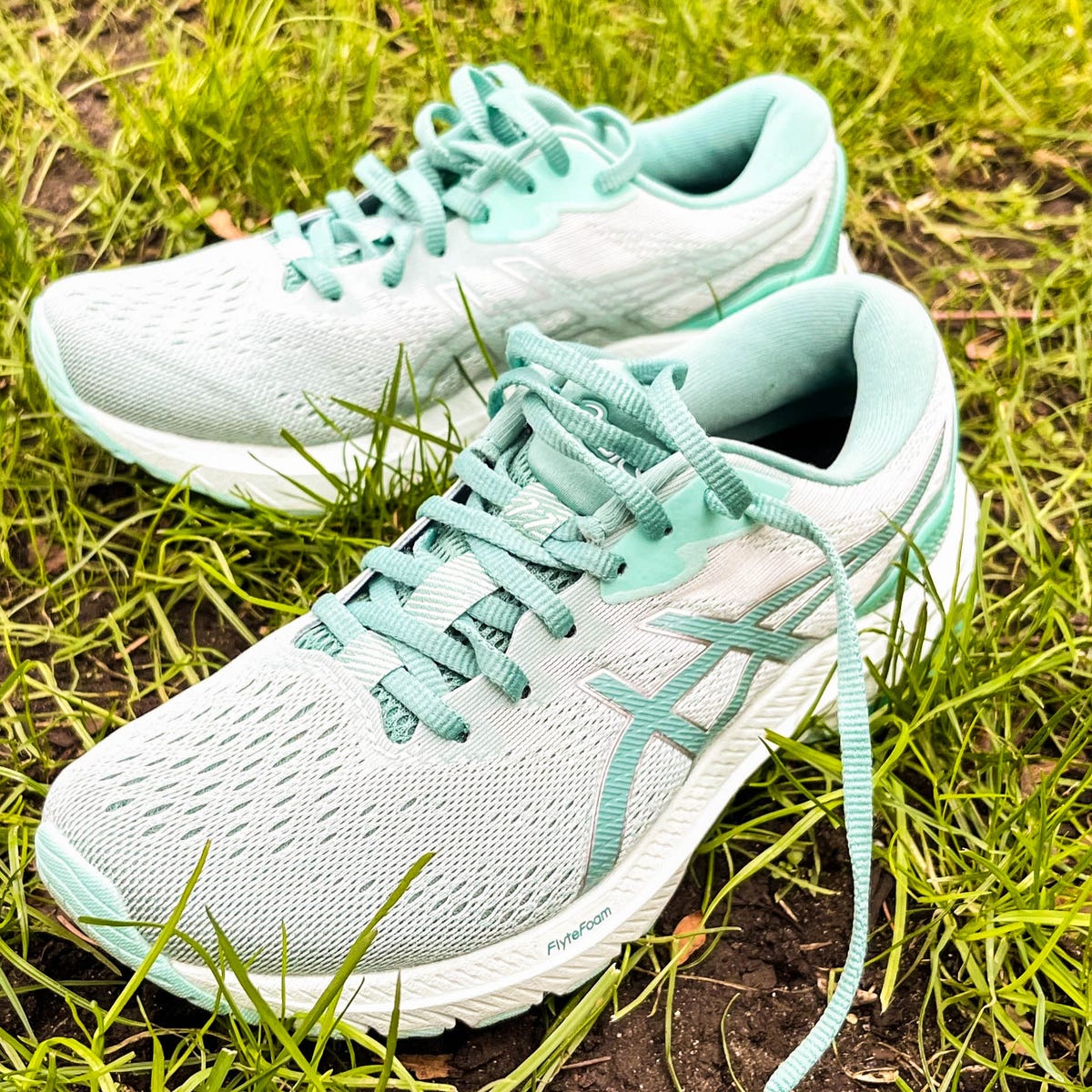
Not every tennis shoe is created equal for walking purposes. Selecting the ideal pair requires a forensic look at specific components. The midsole is the command center of comfort. Technologies such as ASICS’ GEL cushioning, pioneered by their Institute of Sport Science, or Nike’s Air Zoom units, are not mere gimmicks. Peer-reviewed studies in journals like the Journal of Science and Medicine in Sport have examined how such cushioning systems reduce peak vertical impact forces. For you, the wearer, this means a tangible decrease in foot fatigue during long museum tours or bustling market walks. Next, consider the upper. A breathable mesh, like those used in many modern performance shoes, is crucial for thermoregulation, preventing the hot, sweaty environment that blisters thrive in. The heel counter—the firm cup at the back—should be rigid and well-padded. As noted by podiatrists on professional platforms like Podiatry Today, a secure heel counter minimizes slippage and provides calcaneal (heel bone) stability, a non-negotiable for repetitive stride mechanics. Finally, the outsole pattern matters. A modified herringbone or circular tread pattern common on tennis shoes offers a solid grip on paved surfaces, while a durable rubber compound like Adidas’ Adiwear ensures the shoe doesn’t break down prematurely under daily abrasion. When these features converge, you have a tennis shoes for walking that functions as a holistic comfort system.
Material Science and Longevity: Investing in Every Mile
The value of a shoe is measured in comfort per mile, not just the initial price tag. The advanced materials in leading tennis shoes are a testament to decades of research and development. Take, for instance, the evolution of midsole foam. From basic ethylene-vinyl acetate (EVA) to compressed EVA, and now to proprietary blends like Nike’s React foam or Brooks’ DNA LOFT, the goal has been to create a material that is both soft and resilient. A soft foam compresses easily for comfort but can bottom out; a resilient foam returns energy but can feel firm. The breakthrough in modern foams is their ability to do both, a property often discussed in materials science forums and by industry insiders on channels like the YouTube channel “Rose Anvil,” which cuts shoes in half to analyze construction. This duality is paramount for walking, where comfort must be sustained, not just initial. Furthermore, consider the integration of knitted uppers, such as those found in some contemporary models. These provide a dynamic, sock-like fit that moves with your foot, reducing pressure points. Investing in a pair built with these materials might carry a higher upfront cost—often ranging from $120 to $160 for premium models—but the cost per wear plummets as the shoe maintains its structural integrity and comfort over hundreds of miles. This makes a high-performance tennis shoes for walking not an expense, but a strategic investment in your daily mobility and health.
Voices from the Ground: Testimonials and Expert Perspectives
Theoretical advantages mean little without real-world validation. The suitability of tennis shoes for walking is echoed by diverse voices. On platforms like Quora and specialized subreddits, countless nurses, teachers, and retail workers—professions synonymous with long hours on hard floors—swear by brands like ASICS, New Balance, or specific Nike tennis models for their shift-long comfort. Their lived experience forms a powerful corpus of anecdotal evidence. This is complemented by expert opinions. Renowned fitness trainer and author Harley Pasternak has often emphasized in media interviews that “the best shoe is the one that fits your foot and your activity,” noting that many cross-trainers (including tennis shoes) provide the support needed for all-day wear. Similarly, statements from orthopedic surgeons, cited in health publications, frequently advise patients seeking walking shoes to prioritize “adequate arch support and cushioning,” criteria many tennis shoes meet admirably. Even in popular culture, the practicality is acknowledged. In the book What I Talk About When I Talk About Running by Haruki Murakami, the author’s meticulous attention to his running gear underscores a universal truth for any endurance activity: the right equipment is foundational. For walking, that foundation can be a well-chosen pair of tennis shoes for walking.
“The intersection of support, cushioning, and durability found in a high-performance tennis shoe often mirrors the very requirements we podiatrists outline for patients with active lifestyles suffering from plantar fasciitis or metatarsalgia. It’s about managing load and providing a stable platform—principles that transcend the specific sport.”
Making the Smart Choice: A Practical Selection Guide
Armed with this knowledge, how do you choose? Start not with the brand, but with your own foot. Understand your arch type (low, neutral, or high) and any gait peculiarities. Many specialty running stores offer free gait analysis, which provides invaluable insights applicable to walking. When trying on shoes, do so in the afternoon when your feet are naturally slightly swollen. Wear the socks you intend to walk in. There should be a thumb’s width of space between your longest toe and the shoe’s end. Focus on the feel: does the shoe hug your midfoot securely without pinching? Does your heel stay put when you walk? Does the bend of the shoe align with the natural flex point of your foot? Don’t be swayed by trends; a shoe celebrated by a professional athlete for performance might be overly stiff for your walking needs. Look for models historically recognized for comfort, such as the New Balance 990 series, the ASICS Gel-Resolution, or the Adidas Ultraboost (originally a running shoe but with a tennis-like construction). Remember, the goal is to find a tool that disappears on your foot, allowing you to focus on your day, not your discomfort. This mindful selection process ensures your chosen tennis shoes for walking become a seamless extension of yourself.

Beyond the Purchase: Maximizing Your Investment
Your relationship with the shoe begins at purchase, but its longevity is determined by care and rotation. Using them solely for their intended purpose—long walks and daily wear—will extend their life. Avoid using them for heavy gardening or other activities that could prematurely degrade the materials. Consider purchasing a second, identical pair to rotate. This allows the midsole foam, which compresses under weight, a full 24 hours to rebound to its original shape, dramatically slowing the rate of material fatigue. This practice, recommended by shoe durability research, effectively doubles the functional lifespan of your shoes, making the initial investment even more economical. Furthermore, pay attention to wear patterns on the outsole. Uneven wear can be an indicator of your gait and may inform your next purchase. While these shoes are durable, they are not immortal. A general rule from biomechanists is to consider replacement every 300-500 miles of walking, or when the cushioning no longer feels responsive or the upper shows significant structural breakdown. By adopting these habits, you transform a simple purchase into a sustainable system for comfort, ensuring that the support and cushioning you rely on remain consistent and reliable.
:max_bytes(150000):strip_icc()/Web_1500-vwt-primary-best-overall-shoe-tstaples-118-671f4e0048e64d14a1c42e4f8d9e6658.jpg)
The quest for all-day walking comfort leads us down a path where sport-specific engineering meets universal human need. Tennis shoes, with their rigorous demands for stability, impact absorption, and durability, emerge as a surprisingly adept solution for the pedestrian. This isn’t about repurposing in a pinch; it’s about recognizing a designed synergy. By focusing on the scientific principles of cushioning, support, and material longevity, and heeding the experiences of both everyday users and experts, you can select a pair that doesn’t just carry you through your day but actively enhances it. The right shoe is a quiet enabler of adventure, productivity, and well-being, proving that sometimes, the best tool for a journey is one forged in the fires of a different, but equally demanding, arena.
