

Step Into Style: The Ultimate Guide to Toe Walker Shoes for Effortless Chic
Fashion is a dialogue between form and function, a pursuit where aesthetics meet the very mechanics of how we move. For a distinct group, this dialogue is centered on a specific gait pattern known as toe walking. The quest for footwear that addresses this while upholding a standard of style has long been a challenge. This guide is dedicated to dismantling that challenge, presenting the toe walker shoes not as a mere medical appliance, but as the foundation of a confident, chic, and effortless personal style. We will navigate the intersection of podiatric science, biomechanical design, and contemporary fashion, proving that support and sophistication are not mutually exclusive.
Understanding the Gait: More Than Just a Walk
To appreciate the innovation behind specialized footwear, one must first understand the context. Toe walking, or equinus gait, refers to a pattern of walking where the heel makes little or no contact with the ground. In early childhood, it can be a common phase. However, persistent toe walking beyond the toddler years may be idiopathic (without a known cause) or associated with neurological conditions, tight Achilles tendons, or sensory processing differences. From a biomechanical perspective, this gait places abnormal stress on the ball of the foot, the metatarsals, and can alter the entire kinetic chain, affecting ankles, knees, hips, and even the lower back. The conventional fashion shoe, with its often rigid soles, elevated heels, and narrow toe boxes, exacerbates these issues, offering neither the stability nor the proprioceptive feedback needed. This is where the narrative shifts from limitation to liberation through intelligent design.
The Pillars of Design: Where Science Meets the Sole
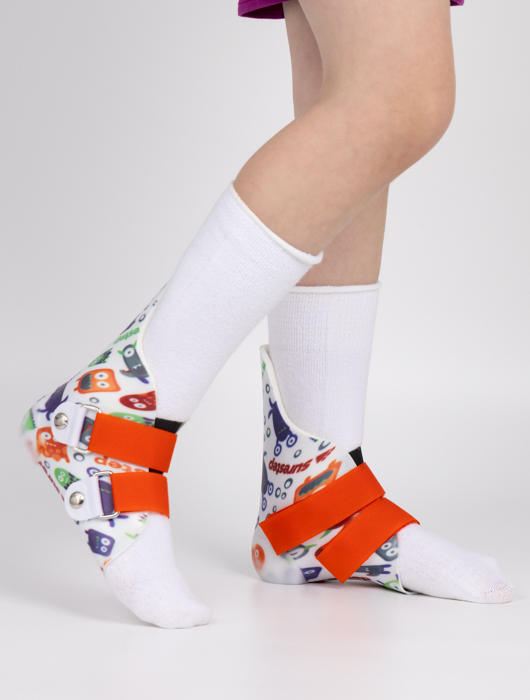
The architecture of a true toe walker shoe is built upon several non-negotiable pillars. First is rocker sole technology. Inspired by studies from institutions like the Gait and Motion Analysis Laboratory at Harvard-affiliated Spaulding Rehabilitation Hospital, a rocker sole is designed with a curved profile. This ingenious design facilitates a smoother roll from heel to toe during the gait cycle, reducing the effort required for push-off and minimizing the tendency to get stuck in a toe-walking position. It effectively “guides” the foot through a more natural motion. Second is rigid heel counter and medial-lateral support. A firm heel cup stabilizes the calcaneus (heel bone), preventing excessive pronation or supination that can accompany an unstable gait. Third is accommodative depth and volume. These shoes are built to house custom orthotics or insoles—a critical component for many toe walkers. As noted on platforms like Quora and in patient forums, the ability to use custom footbeds without cramping is a game-changer. Finally, flexibility at the right point is key. Unlike flimsy flats, the shoe bends at the metatarsophalangeal joints (where your toes meet your foot), not in the midfoot, preserving structural integrity.
Curating Your Aesthetic: The Chic Revolution
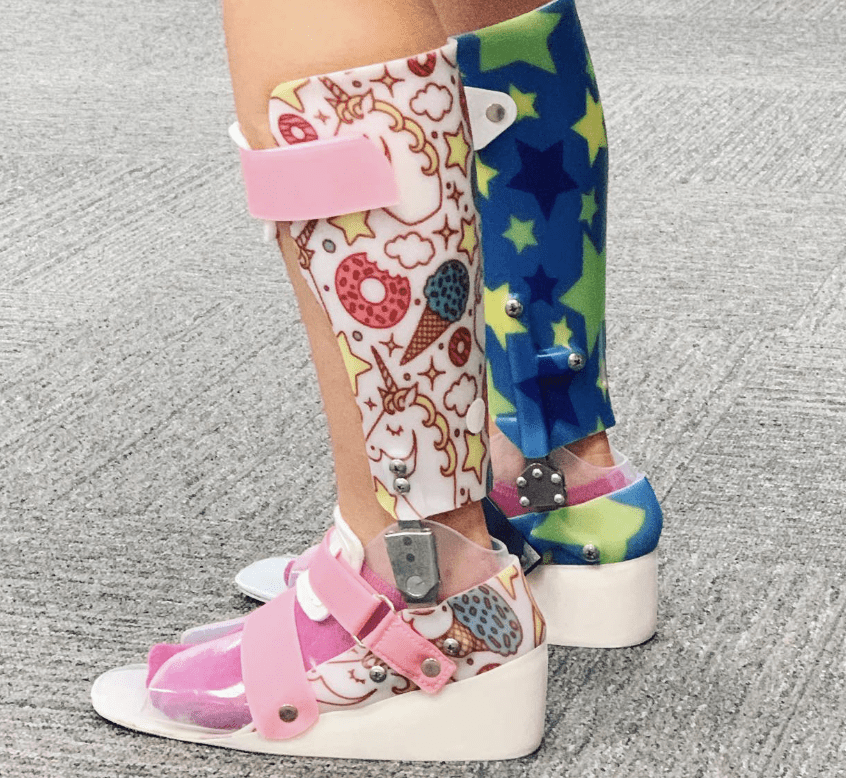
Gone are the days of purely clinical appearances. The modern market for toe walker shoes has witnessed a silent revolution, led by brands that refuse to sacrifice style. The chic factor lies in subtlety and smart design choices. Look for minimalist leather sneakers in neutral tones that mimic high-end designer models. Consider ankle boots with clean lines and hidden rocker soles that pair seamlessly with both denim and tailored trousers. For warmer months, explore sandals with adjustable, wide straps that offer containment and support while remaining fashion-forward. The principle is “elevated basics.” As fashion icon Diana Vreeland once opined, “The eye has to travel.” A well-designed supportive shoe should invite the eye on a journey of sleek lines and quality materials, not shout its functional purpose. Brands are now sourcing buttery-soft leathers, using premium suedes, and incorporating details like contrasting stitching or discreet metallic accents, proving that therapeutic footwear can hold its own in a curated wardrobe.
The Insider’s Guide to Integration and Investment
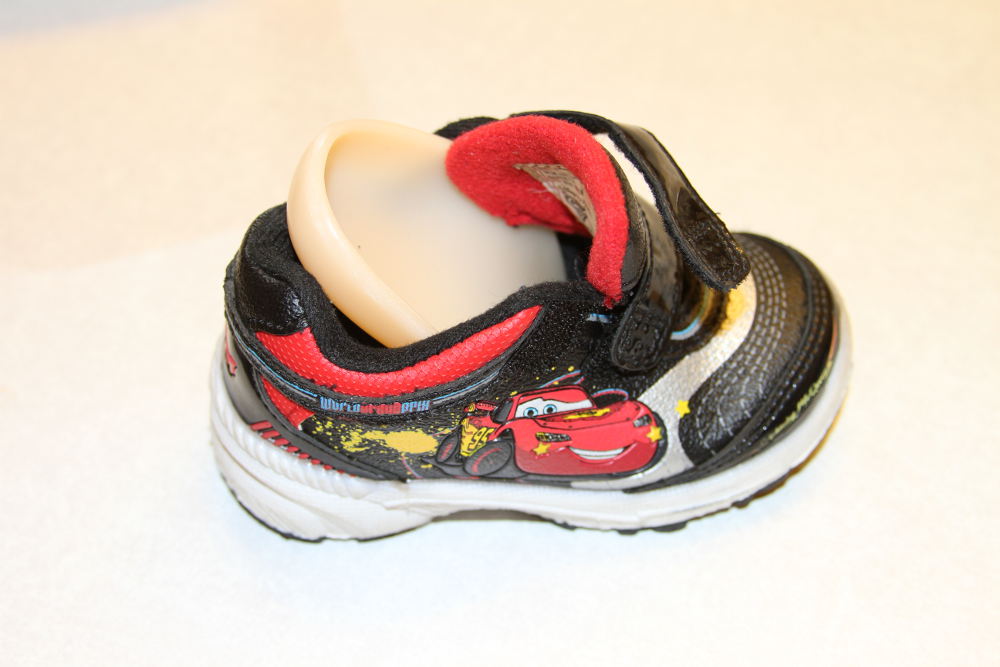
Adopting a new category of footwear is an investment in your well-being and style. The process begins with a professional assessment. A podiatrist or orthotist can provide precise recommendations, often prescribing custom orthotics. The synergy between a quality orthotic and a properly fitted toe walker shoe is paramount. As one YouTube channel dedicated to orthopedic wear explains, “The shoe is the house, and the orthotic is the furniture. You need both to be perfectly suited for comfort and function.” When shopping, prioritize fit over size. Your feet may require a longer or wider size than usual to accommodate both the orthotic and natural swelling. Walk on different surfaces in the store, feel for any pressure points, and ensure the rocker motion feels natural, not forced.
Now, let’s address the practical matter of cost. Quality biomechanical footwear represents an investment, often ranging from $150 to $300 per pair. However, this is where knowledge becomes power. Many insurance plans, including certain Medicare and private policies, may cover part of the cost if the shoes are deemed medically necessary and prescribed. Always submit itemized receipts. Furthermore, several reputable brands offer direct-to-consumer models at more accessible price points, especially during seasonal sales or through certified online retailers. Websites like Orthotics Direct often have clearance sections. Consider this: a single, well-constructed pair that you wear daily offers a better cost-per-wear ratio than multiple cheaper, less supportive pairs that cause discomfort and need frequent replacement. Investing in your foundation is never a frivolous expense.
Beyond the Shoes: A Holistic Approach to Effortless Movement
While the right shoes are the cornerstone, true effortless chic comes from a holistic approach. Incorporate gentle stretching into your daily routine, focusing on the calf muscles and Achilles tendon, as recommended by physical therapy literature from universities like the University of California, San Francisco. Strengthening exercises for the core and glutes can improve overall posture and gait stability. Mindfulness about your movement patterns throughout the day can also be beneficial. The goal is to create a synergy where your toe walker shoes support your body’s mechanics, and your body, in turn, moves with greater awareness and ease. This integrated approach transforms wearing specialized footwear from an act of necessity to one of empowered self-care and sophisticated living.
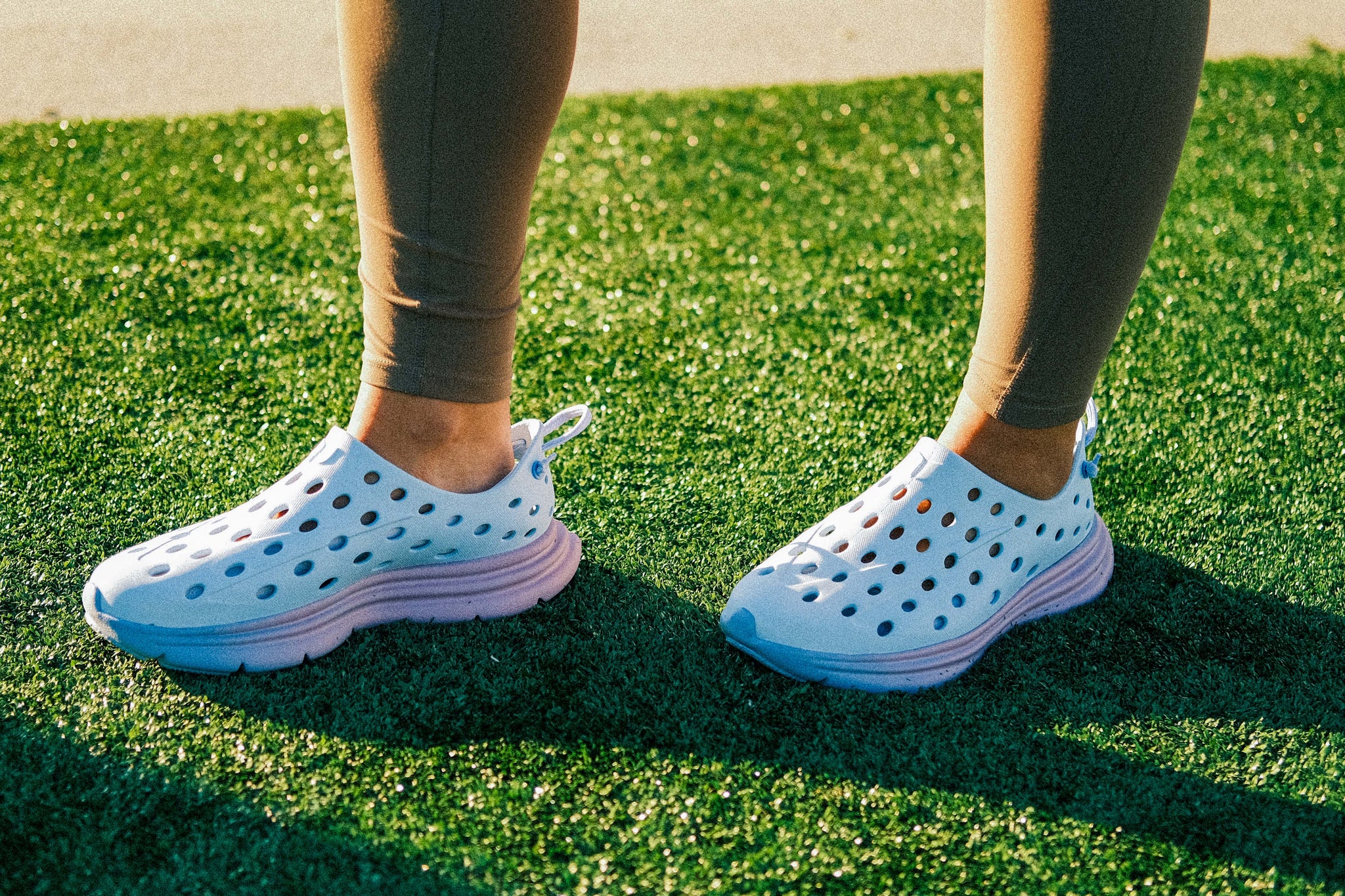
The journey to effortless chic is not about hiding a part of yourself; it’s about embracing your needs and meeting them with intelligence and flair. The modern toe walker shoes are a testament to how design can bridge the gap between medical necessity and personal expression. They offer a foundation of stability, allowing you to step forward with confidence, comfort, and undeniable style. Your walk is uniquely yours—now, let your shoes honor it.
