

Step Into Comfort and Style with Vionic Walking Shoes
For years, the pursuit of the perfect walking shoe felt like a compromise. You could have cushioning that felt like walking on clouds, but the shoe looked like a medical device. You could find a stylish sneaker, but after a few city blocks, your feet would ache, and your back would protest. This false choice between wellness and aesthetics has dominated the footwear industry, leaving active individuals feeling they must sacrifice one for the other. That era is over. The integration of biomechanically-sound design with contemporary style is not a future promise; it is a present reality. At the forefront of this revolution is a specific category of footwear engineered to support your body’s natural alignment while complementing your personal style. This article delves into why a well-designed walking shoe is a non-negotiable tool for modern life and how one brand has mastered this fusion, offering a solution that finally allows you to step into both comfort and style without compromise.
The Foundation: Why Biomechanics Matter in Every Step
To appreciate the innovation in modern footwear, we must first understand the science of human movement. Biomechanics, the study of the structure and function of biological systems by means of the methods of mechanics, provides the blueprint. Every step you take is a complex chain of events involving bones, muscles, tendons, and ligaments. A neutral gait, where the foot strikes, rolls, and pushes off efficiently, is the ideal. However, many factors—from genetics to lifestyle—can lead to overpronation (excessive inward rolling) or supination (outward rolling). These deviations are not merely foot problems; they are the starting point for a kinetic chain reaction. As noted by the American Podiatric Medical Association, improper foot mechanics can lead to a host of issues, including plantar fasciitis, shin splints, knee pain, and even hip and lower back discomfort. The common sneaker, focused primarily on soft cushioning, often does little to correct this. It may absorb impact, but it fails to guide the foot through its proper motion. This is where the concept of orthotic design becomes critical. Unlike a simple cushioned insole, an orthotic is designed to correct alignment, provide arch support, and redistribute pressure. When this level of podiatric science is built directly into the foundation of a shoe, it transforms the experience from mere walking to supported, healthy movement. It’s the difference between sitting in a sagging, unsupportive couch and a chair designed by ergonomic experts—both allow you to sit, but only one actively supports your spine’s health over time.
Dissecting the Innovation: The Core Technologies of Supportive Footwear
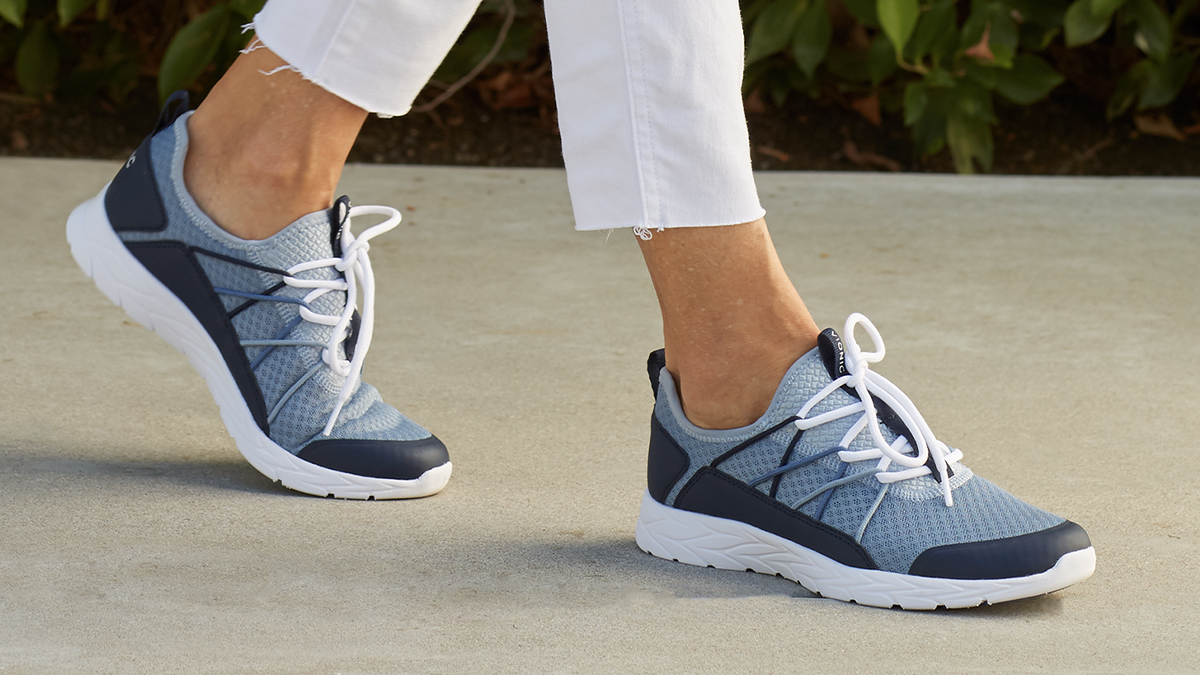
Moving from theory to application, let’s examine the specific technological pillars that elevate a walking shoe from basic to biomechanically advanced. The first and most crucial element is the orthotic footbed. This is not a generic foam insert but a precisely contoured platform, often developed in collaboration with podiatrists. Its tri-planar motion control—supporting the foot in three dimensions—is key. It features a deep heel cup to stabilize the rearfoot, a robust arch support to prevent collapse, and a well-defined metatarsal ridge to encourage proper toe-off. This built-in orthotic is the cornerstone of the Vionic walking shoe design philosophy. The second pillar is midsole geometry. Brands that prioritize biomechanics employ materials like EVA (ethylene-vinyl acetate) or polyurethane that are not just soft, but strategically firm in certain areas to control motion. The shape of the midsole, including features like a medial post (a denser area on the inner side of the heel), works in tandem with the footbed to gently guide the foot back to a neutral path with each step. Third is the outsole design. Flexibility is important, but it must be strategic. A quality walking shoe will have a “rocker” sole—a slightly curved profile from heel to toe. This design, validated in rehabilitation literature, promotes a smoother gait cycle by reducing the strain on the Achilles tendon and calf muscles, effectively propelling you forward with less effort. Finally, the upper construction must balance structure with comfort. Materials need to be durable yet breathable, and the lacing system must allow for a secure, customizable fit that locks the heel in place without creating pressure points. When these four elements—the orthotic footbed, the motion-control midsole, the rocker outsole, and the adaptive upper—work in harmony, the result is a shoe that doesn’t just house your foot; it actively works with it.

Style as a Function, Not an Afterthought
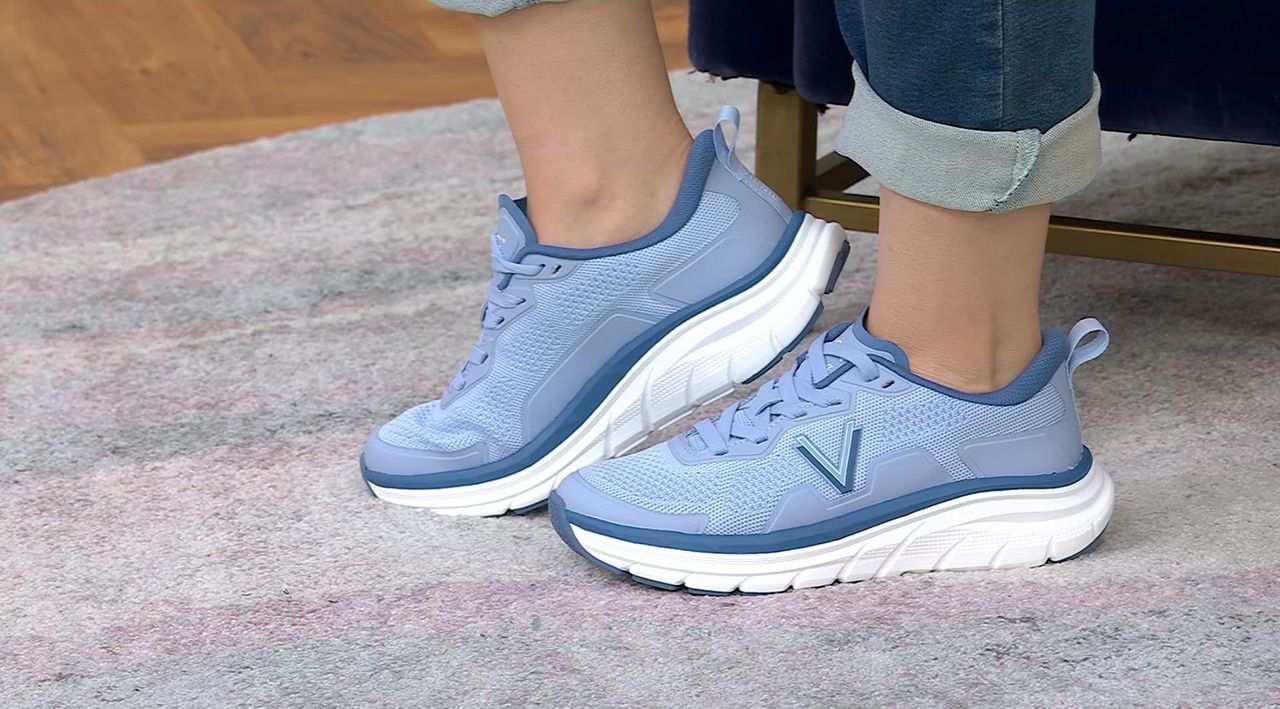
Historically, “comfort shoes” carried a stigma—they were often clunky, visually unappealing, and came in a limited palette of beige and white. This created a psychological barrier for many, especially those who view their footwear as an extension of their personal style. The groundbreaking shift we are witnessing is the erasure of this stigma. Modern biomechanical footwear companies have invested heavily in design teams whose mandate is to translate clinical efficacy into contemporary aesthetics. The Vionic walking shoe range exemplifies this. You will find sleek sneakers with clean lines that rival any fashion-brand trainer, elegant sandals with hidden arch support that look perfect with summer dresses, and sophisticated loafers that provide all-day comfort in a professional setting. This is not about slapping a trendy color onto an old model; it is about re-engineering the silhouette from the ground up. The footbed and midsole technologies are integrated so seamlessly that the external profile remains streamlined. As fashion influencer and chronic pain advocate Zeliyah often notes on her platform, “Finding shoes that don’t exacerbate my joint issues used to mean sacrificing my entire wardrobe’s vibe. Now, with brands that prioritize both, I can wear supportive shoes that actually look good with my outfits, which is empowering.” This fusion is vital because compliance is key to therapeutic benefit. If you don’t want to wear the shoes, their advanced technology is irrelevant. By making style a core function, these brands ensure that their health-positive footwear becomes a desirable, everyday choice.
Beyond the Feet: The Holistic Impact on Wellbeing
The benefits of a properly supported gait extend far beyond avoiding sore feet at the end of the day. This is a holistic wellness investment. Consider the kinetic chain: when your feet are stable and aligned, your ankles, knees, and hips follow suit. This reduces rotational stresses on the joints, which is a primary factor in the development of osteoarthritis over time. Improved alignment also allows your larger muscle groups—the glutes and core—to engage more effectively. You walk more efficiently, expending less energy and reducing fatigue. This can transform daily activities, making a long walk through an airport or a day of sightseeing not just manageable, but enjoyable. Furthermore, the reduction of chronic pain points like heel pain from plantar fasciitis has a profound impact on mental health and quality of life. The ability to move without pain is a form of freedom. As Dr. Andrew Weil, a pioneer in integrative medicine, has stated, “Movement is medicine.” By facilitating pain-free, efficient movement, a biomechanically designed shoe becomes an essential tool in a proactive health regimen. It’s an investment in mobility, vitality, and long-term joint health. Whether you’re a dedicated walker, someone who is on their feet all day for work, or simply seeking greater comfort in daily life, the right shoe acts as a foundational piece of your physical wellbeing architecture.
Making the Investment Accessible: Value Beyond the Price Tag
It’s true that shoes built with this level of technology and design often carry a higher initial price point than a standard department store sneaker. However, evaluating them solely on upfront cost is a narrow view. The true value is measured in cost-per-wear and, more importantly, cost-per-benefit. A pair of cheap, unsupportive shoes that lead to a bout of plantar fasciitis can result in hundreds of dollars in medical bills, physical therapy co-pays, and lost productivity. A Vionic walking shoe, by contrast, is a preventive measure. Furthermore, the construction quality is typically superior, with durable materials and solid craftsmanship that ensure the shoe maintains its supportive structure over many miles, outlasting several pairs of lesser shoes. To make this investment more accessible, it’s wise to look for official sales, seasonal promotions, and bundle deals directly from the brand’s website or authorized retailers. Many offer discounts for first-time subscribers or during major holiday sales. Viewing the purchase through the lens of healthcare rather than mere apparel reframes the decision. This is not a frivolous fashion buy; it is procuring essential equipment for your body’s most fundamental activity. The return on investment is paid daily in comfort, reduced pain, and sustained energy.
A Step into a New Standard
The journey to find footwear that truly serves our bodies and our sense of self has been long and fraught with compromise. We no longer need to accept that equation. The marriage of podiatric science and intentional design has given rise to a new category of footwear that honors both form and function with equal rigor. The Vionic walking shoe stands as a prime example of this evolution, offering a tangible solution where advanced biomechanical support is woven into styles you are genuinely excited to wear. This is more than a trend; it is a recalibration of expectations. It proves that you can walk through your day—whether that day involves a power walk, a busy shift, or simply living life on your feet—in supreme comfort without sacrificing an ounce of personal style. The path forward is clear. It’s time to step out of the old paradigm and into a future where every step is supported, stylish, and unequivocally yours.

