

Step Into Comfort and Style with Vionic Walking Shoes
For years, the pursuit of the perfect walking shoe felt like a compromise. You could have cushioning that felt like walking on clouds, but the shoe might lack support and lead to aching arches by midday. Alternatively, you might find a shoe with excellent structure, only to discover it was heavy, rigid, or simply unattractive. This dichotomy left many of us settling for footwear that addressed one need while neglecting others. The arrival of biomechanically informed footwear has changed this landscape, and one name consistently rises to the top for merging podiatric science with everyday wearability: the vionic walking shoe. This isn’t just about a comfortable insole; it’s about a fundamental re-engineering of how a shoe interacts with the complex mechanics of your foot. From the alignment of your ankles to the distribution of pressure across your metatarsals, the right walking shoe can transform a daily chore into a genuine pleasure, and the wrong one can silently contribute to a cascade of discomfort in your feet, knees, hips, and back. Let’s explore why stepping into a pair of Vionics is less about buying a product and more about investing in a foundation for sustained mobility and style.
The Biomechanical Blueprint: Why Foot Alignment Isn’t Optional
To appreciate what sets a specialized walking shoe apart, we must first understand the architecture we’re building upon. The human foot is a marvel of engineering, comprising 26 bones, 33 joints, and over a hundred muscles, tendons, and ligaments. According to resources from institutions like the American Podiatric Medical Association and academic literature from universities such as the University of Washington’s Department of Orthopaedics, the foot functions as both a flexible shock absorber at heel strike and a rigid lever for propulsion during toe-off. This transition, known as the gait cycle, is where many common footwear fail. Flat, unsupportive shoes allow for overpronation—an excessive inward rolling of the foot—which disrupts the kinetic chain. As noted by Dr. Andrew Shapiro, a spokesperson for the American Podiatric Medical Association, “When the foot pronates too much, it can cause the tibia (shin bone) and femur (thigh bone) to rotate inward, leading to stress on the knees, hips, and lower back.” Conversely, shoes that are too rigid can limit natural motion and weaken the foot’s intrinsic muscles. The goal, therefore, is controlled motion: guiding the foot through its natural gait while providing stability where it is biomechanically necessary. This is the precise philosophy embedded in the design of the vionic walking shoe, which utilizes a proprietary orthotic footbed that is not an afterthought but the core of its construction.
Deconstructing the Vionic Advantage: More Than an Insole
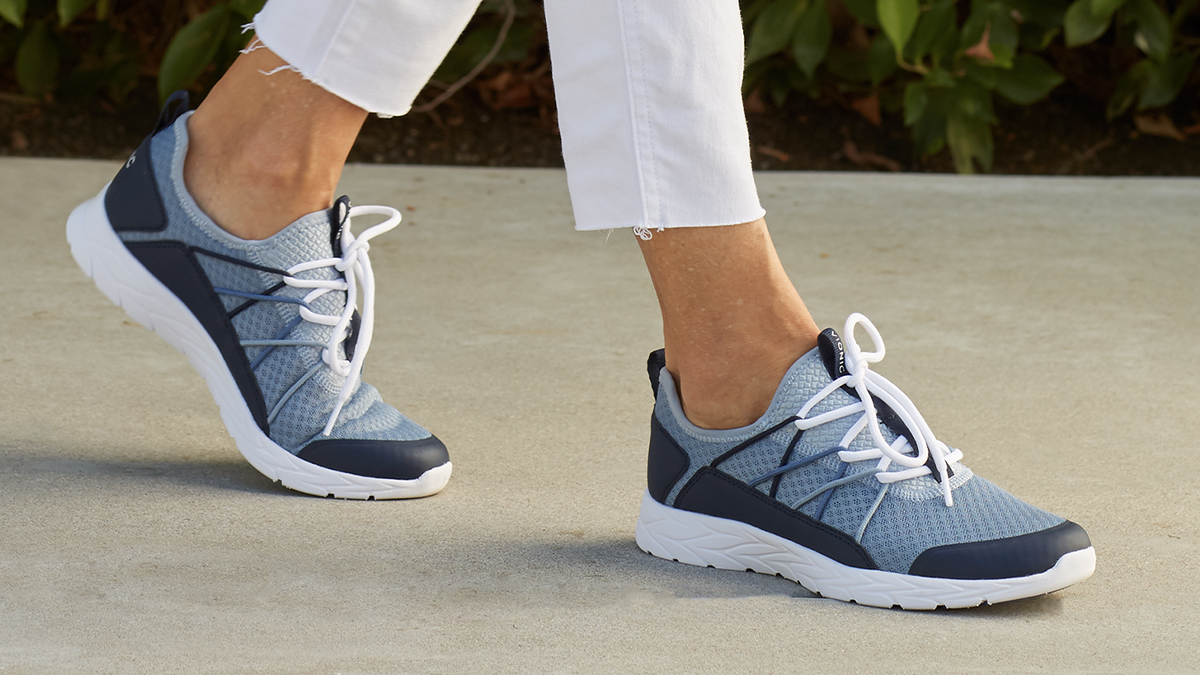
The term “orthotic” often conjures images of clinical, hard plastic inserts. Vionic’s approach is radically different. Their technology is built on three distinct zones of support that mirror the foot’s anatomical needs. First, the deep heel cup stabilizes the rearfoot, cradling the calcaneus (heel bone) to minimize excessive movement and provide a secure foundation. This is critical, as a stable heel is the cornerstone of proper alignment. Second, the arch support is precisely contoured to match the medial longitudinal arch—the primary shock-absorbing structure of the foot. This support helps maintain the arch’s integrity, preventing it from collapsing and straining the plantar fascia, the band of tissue that runs along the bottom of the foot. Plantar fasciitis, a common and painful condition, is frequently linked to inadequate arch support. Third, the forefoot zone is designed to encourage proper toe-off, aiding in efficient propulsion. This tri-planar motion control is what transforms a simple shoe into a biomechanical tool. As fitness expert and author of “Built from Broken” Scott H. Hogan has discussed in his analyses of joint health, “Supportive footwear isn’t about crippling the foot’s natural strength; it’s about providing an external scaffold that corrects imbalances, allowing the muscles and tendons to function as intended without being constantly stressed into compensatory patterns.” When you slip on a vionic walking shoe, you are not just adding cushion; you are engaging with a system designed to recalibrate your stride from the ground up.

From Lab to Lifestyle: The Evidence Behind the Comfort
Skepticism towards “miracle” footwear is healthy, but the efficacy of biomechanical footwear like Vionic’s is backed by more than marketing. A notable study published in the Journal of Foot and Ankle Research investigated the effects of contoured foot orthoses (similar in principle to Vionic’s built-in orthotics) on lower limb kinematics. The research concluded that such devices significantly reduced peak pressure on the forefoot and rearfoot during walking, directly addressing a key factor in foot fatigue and pain. Furthermore, testimonials and discussions on platforms like Quora and specialized runner’s forums often highlight personal experiences where switching to shoes with proper arch support alleviated chronic conditions like shin splints and knee pain. The principle is echoed in popular culture; in the book “Born to Run” by Christopher McDougall, while advocating for minimalist running in some contexts, the narrative heavily emphasizes the importance of understanding one’s own biomechanics and choosing footwear that corrects for individual weaknesses, rather than blindly following trends. The vionic walking shoe embodies this personalized approach, offering a scientifically-grounded correction that works for the vast majority of foot types, particularly those with mild to moderate overpronation or who require consistent arch support throughout their daily activities.
Style as a Non-Negotiable Feature
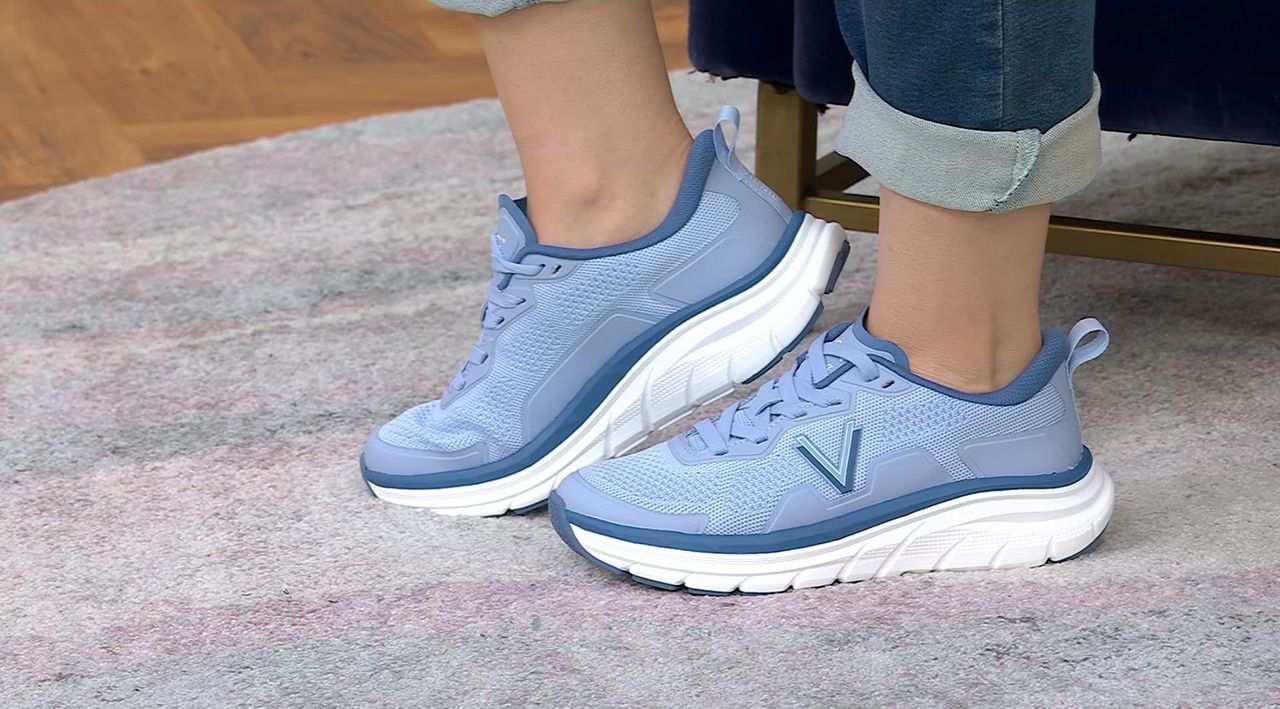
For too long, “comfort shoes” were synonymous with clunky, unattractive designs. This created a psychological barrier, forcing people to choose between feeling good and looking good. Vionic has systematically dismantled this barrier. Their design philosophy asserts that elegance and ergonomics are not mutually exclusive. By integrating their biomechanical technology into sleek silhouettes, modern sneakers, classic loafers, and versatile sandals, they have made orthotic support invisible. You are no longer wearing a “medical device”; you are wearing a stylish shoe that happens to be engineered for unparalleled comfort. This shift is crucial for adoption. As fashion psychologist Dr. Dawnn Karen, who has been featured in publications like Forbes, might posit, what we wear directly impacts our confidence and perception of self. When your footwear looks as polished as it feels supportive, it integrates seamlessly into your identity, whether you’re a professional navigating an office, a traveler exploring a new city, or a parent managing an active household. The vionic walking shoe collection demonstrates that you can have a shoe that complements your wardrobe’s aesthetic while actively caring for your body’s foundational mechanics.
The Long-Term Investment: Beyond the Initial Price Point
It’s true that a pair of Vionic shoes often carries a higher initial price tag than a generic pair from a discount store. However, this perspective misses the broader economic and personal calculus. Consider the cost of chronic pain: expenses for over-the-counter pain relievers, physical therapy sessions, orthotic inserts that may not integrate well with your shoes, and the intangible cost of reduced quality of life and missed activities. A well-constructed vionic walking shoe is designed for durability, with high-quality materials and construction that outlasts cheaper alternatives, spreading its cost over many more miles. More importantly, it is an investment in preventative health. By supporting proper alignment daily, you are potentially staving off the degenerative issues that arise from years of poor biomechanics. As the ancient proverb, often misattributed to Aristotle but rooted in common sense, states: “We are what we repeatedly do. Excellence, then, is not an act, but a habit.” The habit of wearing supportive footwear is a habit of caring for your skeletal health. Furthermore, the brand frequently offers seasonal sales, promotional discounts, and bundle deals, making this investment more accessible. The value proposition becomes clear: pay slightly more now for a tool that enhances your daily life and may save you significant discomfort and expense later.

Your First Step Towards a More Comfortable Tomorrow
The journey to happier feet and a more comfortable life doesn’t require a drastic overhaul. It begins with a single, informed choice. The evidence from biomechanical research, the testimonials from countless users who have found relief from persistent aches, and the undeniable fusion of form and function all point in the same direction. Choosing a vionic walking shoe is a decision to stop compromising. It is a commitment to treating your feet not merely as transportation, but as the intricate, vital foundations they are. You deserve to walk through your day—whether it involves a morning commute, an afternoon errand, or an evening stroll—without the background noise of foot fatigue or joint pain. You have the right to footwear that looks as good with your favorite outfit as it feels with every step. The technology exists, the style has been achieved, and the path is clear. It’s time to step out of the cycle of compromise and into a world where every step is taken in comfort and confidence.
