

Step Into Comfort and Style with Vionic Walking Shoes
For too long, the world of footwear has presented a false dichotomy: shoes that are good for you are often clunky and unattractive, while stylish options leave your feet aching by day’s end. This compromise is not just an inconvenience; it can have profound implications for your posture, joint health, and overall well-being. The pursuit of a shoe that seamlessly marries biomechanical support with contemporary design is not a mere luxury—it’s a foundational element of an active, pain-free life. Enter the paradigm shift: the modern walking shoe engineered for holistic wellness. We are moving beyond simple cushioning into an era of podiatrist-inspired technology designed to work in harmony with the body’s natural mechanics. This article dismantles the old trade-off, presenting a compelling case for why your next pair of walking shoes should be your last compromise, focusing on the innovative approach of one standout brand. The journey to all-day comfort and confident style begins with a single, scientifically-informed step.
The Foundation of Foot Health: Why Biomechanics Matter
To appreciate the innovation in modern supportive footwear, one must first understand the critical role our feet play. The human foot is a complex structure of 26 bones, 33 joints, and over 100 muscles, tendons, and ligaments. According to biomechanics literature from institutions like the University of California’s Department of Orthopaedic Surgery, the foot functions as both a flexible shock absorber and a rigid lever during the gait cycle. When this intricate system is misaligned—often due to improper footwear—it can create a chain reaction of stress that travels upward, affecting ankles, knees, hips, and even the lower back. Pronation, the natural inward roll of the foot upon ground contact, is a key concept. While normal pronation is essential for shock absorption, excessive or insufficient pronation (overpronation and supination) are major contributors to injury. The goal of advanced footwear is not to immobilize the foot but to guide it through a more natural, stable motion. This is where science meets design. A well-engineered shoe provides structured support at three key arches—the medial longitudinal, lateral longitudinal, and transverse arches—to distribute pressure evenly and maintain optimal alignment from the ground up. Ignoring this foundation is akin to building a house on an unstable base; eventually, the entire structure feels the strain.

Beyond Cushioning: The Podiatrist-Designed Difference
Mainstream athletic shoes often focus primarily on soft, plush cushioning. While comfort is subjective, a sole that is too soft can actually be detrimental, allowing the foot to sink and roll uncontrollably. The true differentiator in therapeutic footwear is a focus on motion control and arch support. This philosophy is championed by podiatrists worldwide. Dr. Andrew Shapiro, a spokesperson for the American Podiatric Medical Association (APMA), has noted, “Support is not about rigidity; it’s about providing a platform that encourages the foot to function as it was anatomically intended.” This principle is the cornerstone of brands that earn the APMA Seal of Acceptance, a recognition granted to products found to promote good foot health. The technology embedded in such shoes often includes a deep heel cup for rearfoot stability, a firm midsole that resists excessive torsion, and a strategically placed orthotic insole. This insole is the heart of the system. Unlike flat, generic foam inserts, a biomechanical orthotic features a pronounced arch contour, a metatarsal pad to relieve forefoot pressure, and a heel cradle. It’s a corrective, yet comfortable, interface that actively works to align the foot with every step you take. When you slip into a shoe built on these principles, like a pair of Vionic walking shoes, you’re not just putting on footwear; you’re adopting a portable orthotic solution designed by foot health experts.
Dissecting the Vionic Innovation: Where Technology Meets the Pavement
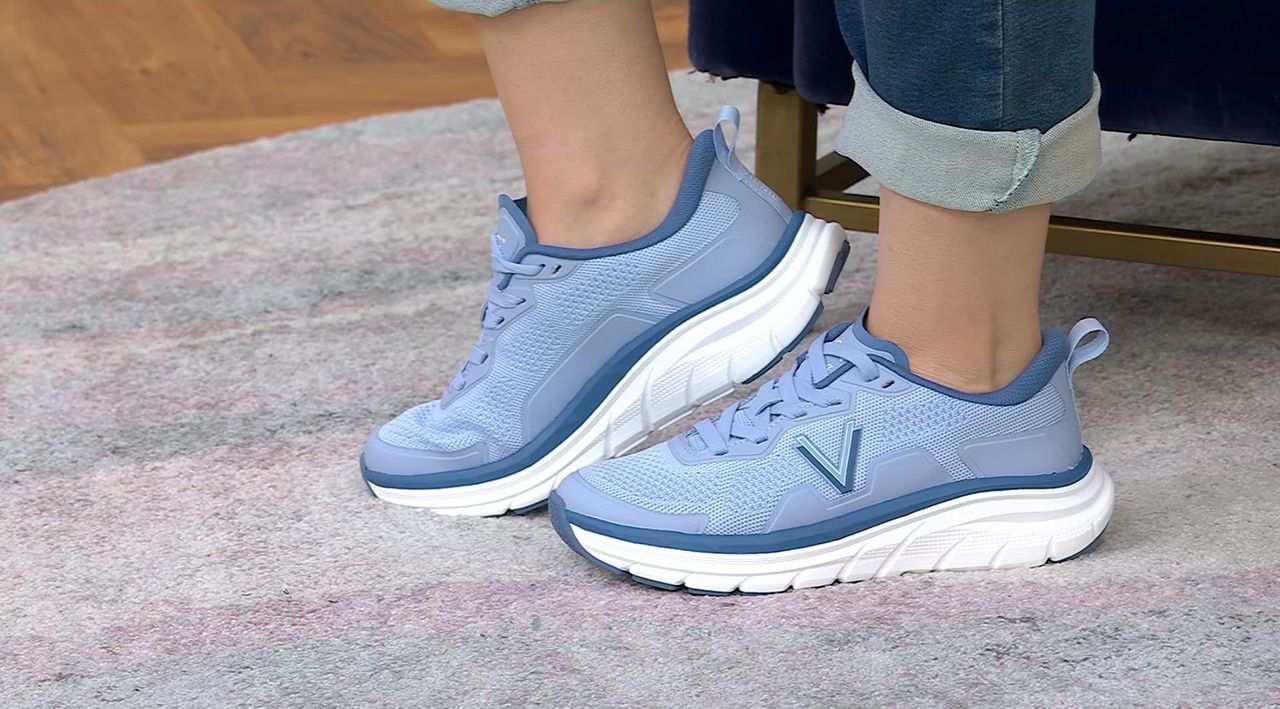
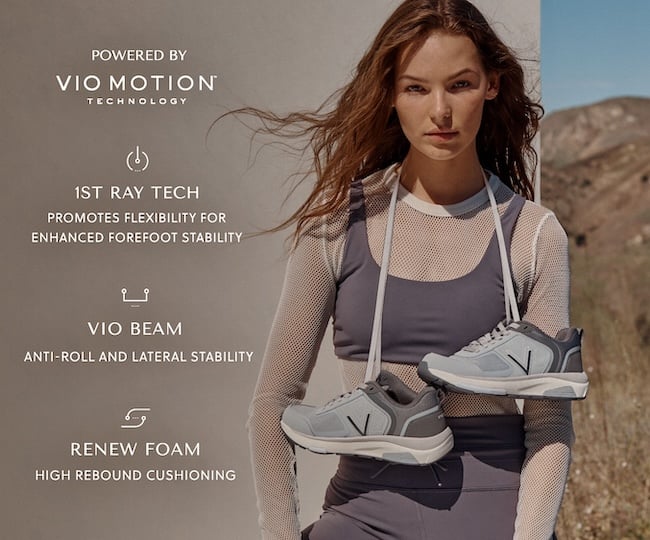
Let’s examine the specific technologies that define this category. Take the Vionic walking shoe as a prime example. Its core is the proprietary Vio-Motion Support™ system, a three-zone comfort technology developed by podiatrists. This isn’t marketing jargon; it’s a describable biomechanical intervention. Zone 1 focuses on heel cushioning and stability to absorb impact at its point of origin. Zone 2 provides targeted arch support, lifting and cradling the medial arch to combat overpronation—a common issue cited in studies from the Harvard Medical School publications on walking for health. Zone 3 offers a forefoot pad to ease pressure on the ball of the foot and toes. The result is a guided gait cycle. Furthermore, the importance of materials cannot be overstated. A breathable mesh upper accommodates natural foot swelling that occurs throughout the day, while a flexible yet supportive rubber outsole provides durable traction. This meticulous attention to detail transforms a daily walk from a potential source of strain into a therapeutic activity. As noted in reviews on platforms like Runner’s World and Quora threads dedicated to foot pain, users often report a noticeable reduction in plantar fasciitis symptoms, knee ache, and general fatigue after switching to shoes with this level of integrated support. The Vionic walking shoe exemplifies this, acting as a tool for proactive health management.
Ergonomic Design as a Style Statement
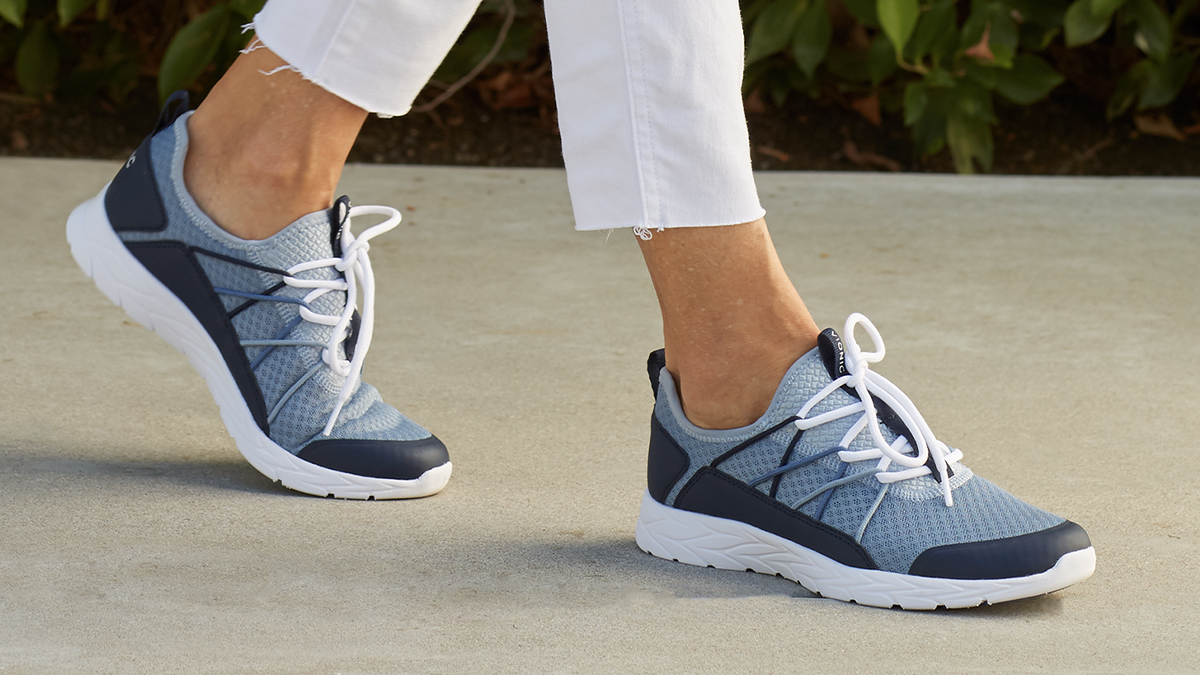
The historical stigma that “comfort shoes” must be unfashionable has been decisively shattered. Today’s leading brands in this space invest heavily in design teams whose mandate is to translate clinical efficacy into sleek, versatile aesthetics. The modern consumer no longer has to choose between a shoe that looks good in a casual Friday meeting and one that can power through a weekend of museum walks and errands. The evolution is visible in the silhouettes: clean lines, modern color-blocking, and textures that wouldn’t look out of place in a high-end sneaker boutique. This design-forward approach is crucial for adoption. When a shoe looks attractive, it gets worn more often, thereby providing its health benefits consistently. It integrates seamlessly into your wardrobe, pairing as easily with jeans as with travel-friendly trousers. The psychological impact is significant. There’s a confidence that comes from knowing you are equipped with hidden technology that cares for your body, all while presenting a polished, intentional appearance. This fusion represents a broader trend in wellness—where self-care is not a separate, cumbersome activity but an integrated, elegant part of daily life. The right Vionic walking shoe becomes more than an accessory; it’s a foundational piece of a conscious lifestyle.
The Long-Term Calculus: Investment Versus Expense
It is tempting to view premium, technology-backed footwear as a significant upfront cost. However, a more accurate perspective is to see it as a strategic investment in your long-term mobility and quality of life. Consider the alternative costs: copays for doctor visits, physical therapy sessions, orthotic inserts purchased separately, and the intangible cost of pain and limited activity. A study referenced in the Journal of Foot and Ankle Research underscores that inappropriate footwear is a modifiable risk factor for numerous musculoskeletal conditions. By investing in a biomechanically sound foundation, you are potentially pre-empting these issues. Furthermore, the construction quality of these shoes often far exceeds that of fast-fashion alternatives. Durable materials, reinforced stitching, and high-grade rubber outsoles mean a longer lifespan, providing better value per wear. Brands committed to this market frequently offer direct-to-consumer discounts, seasonal sales, and bundle promotions, making this investment more accessible. When you factor in the daily benefit—waking up without heel pain, ending a day on your feet without dread, enjoying walks without consequence—the price transforms from a simple shoe cost into a subscription to greater vitality. It’s an investment that pays dividends with every single step you take.
Making the Informed Choice: Your Path to Better Steps
The journey to finding your ideal walking companion begins with self-awareness. Listen to your body. Do you experience heel pain in the morning? Do your knees ache after a long day? Do you feel unstable on uneven surfaces? These are signals. The next step is research, focusing on brands that transparently detail their technologies and hold recognitions like the APMA Seal. Read reviews from diverse sources—verified purchase platforms, independent health blogs, and community forums. When you’re ready to try, prioritize fit over size number. Your supportive shoe should feel secure at the heel, with ample room in the toe box to wiggle your toes, and the arch support should align naturally with your own, not sit beside it or dig in uncomfortably. Walk around on a hard surface during your fitting. The sensation should be one of balanced, guided stability, not just softness. Remember, the perfect shoe is the one that addresses your unique biomechanical needs while resonating with your personal style, encouraging you to wear it day in and day out. This is the ultimate goal: to make exceptional support an effortless, even enjoyable, part of your everyday life.
The narrative that we must sacrifice style for comfort or vice versa is obsolete. Today, advanced footwear technology offers a synthesis, delivering podiatrist-inspired support within designs that reflect contemporary taste. This isn’t about following a trend; it’s about embracing a smarter, more sustainable approach to how we move through our world. By choosing shoes built on the principles of biomechanics, like the exemplary Vionic walking shoes, you are making a proactive decision for your musculoskeletal health. You are choosing to walk with stability, stand with confidence, and explore with endurance. The path to a more comfortable, active, and stylish life is quite literally at your feet. It’s time to step into it.
