

Step Into Comfort and Style with Vionic Walking Shoes
For years, the pursuit of the perfect walking shoe felt like a compromise. You could have cushioning that felt like walking on clouds, but the shoe looked like a medical device. You could find a stylish sneaker, but after a few city blocks, your feet would ache, and your back would protest. This false choice between wellness and aesthetics has dominated the footwear market, leaving many to accept discomfort as the price of looking good or to sacrifice style for the sake of their soles. But what if this dichotomy is a relic of the past? The emergence of biomechanically informed footwear, led by pioneers like Vionic, challenges this very notion. A Vionic walking shoe is not merely an accessory; it is an engineered platform designed to align your body from the ground up, merging podiatric science with contemporary design. This article delves into why settling for less is no longer necessary, exploring how the right shoe can transform walking from a mundane task into a foundation for daily vitality and confidence.
The Foundation of Foot Health: Beyond Simple Cushioning
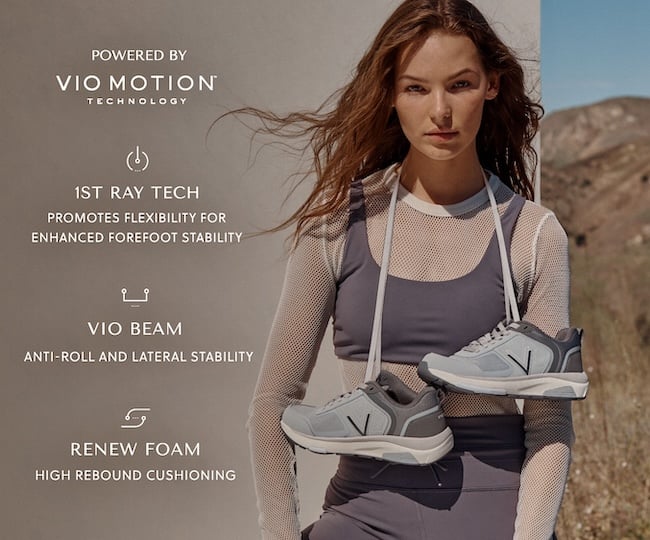
To understand the revolution a Vionic walking shoe represents, we must first dismantle a common misconception: that comfort is synonymous with softness. Many shoes offer plush, memory foam-like insoles that provide immediate, sinking comfort. However, from a biomechanical perspective, this can be detrimental. Excessive softness lacks support, allowing the foot to overpronate (roll inward excessively) or supinate (roll outward). This misalignment doesn’t stop at the ankle; it cascades upwards, affecting knees, hips, and the lower back. The American Podiatric Medical Association (APMA) emphasizes that proper arch support is critical in preventing such chain reactions. Vionic’s core technology addresses this directly through its proprietary biomechanical footbed. This isn’t just an insole; it’s a three-zone comfort system with a deep heel cup, arch support that aligns with the foot’s natural contour, and a forefoot pad that works in concert. This design is grounded in the principles of orthotics, which, as noted in research from institutions like the University of Pittsburgh School of Medicine, are used to correct abnormal walking patterns and redistribute pressure. When you slip into a Vionic shoe, you’re not just getting a soft layer—you’re getting a guided, supportive architecture for your foot’s every movement.
Style as a Non-Negotiable: The End of the “Clunky” Orthopedic Shoe
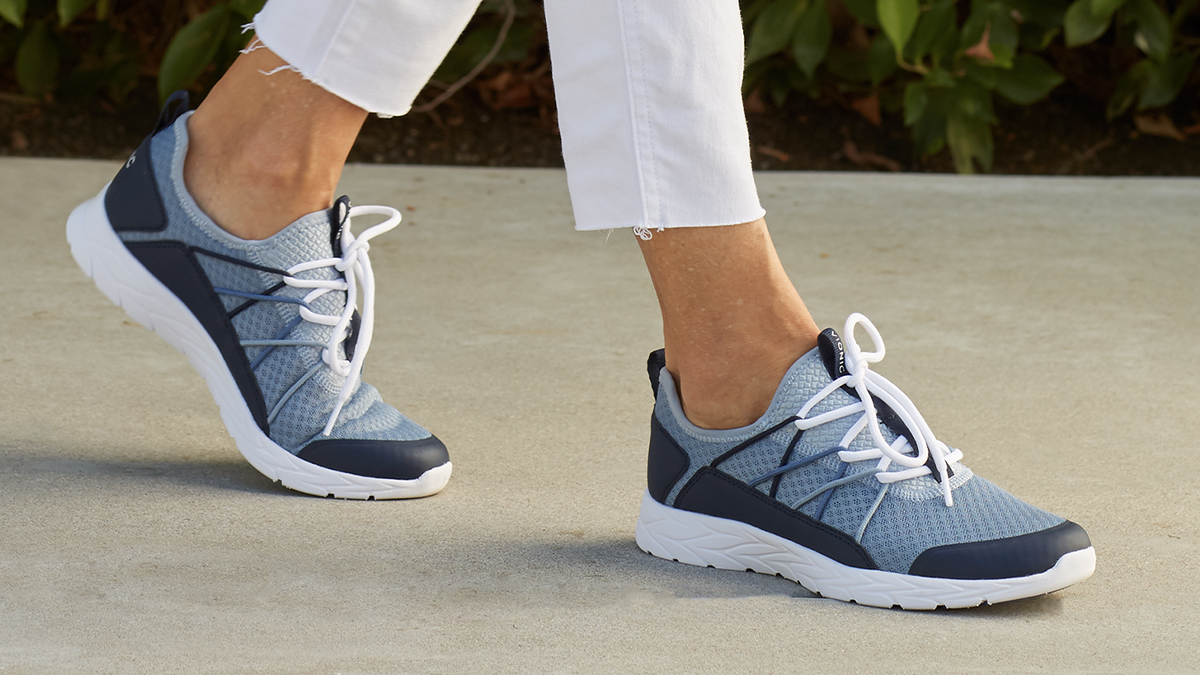
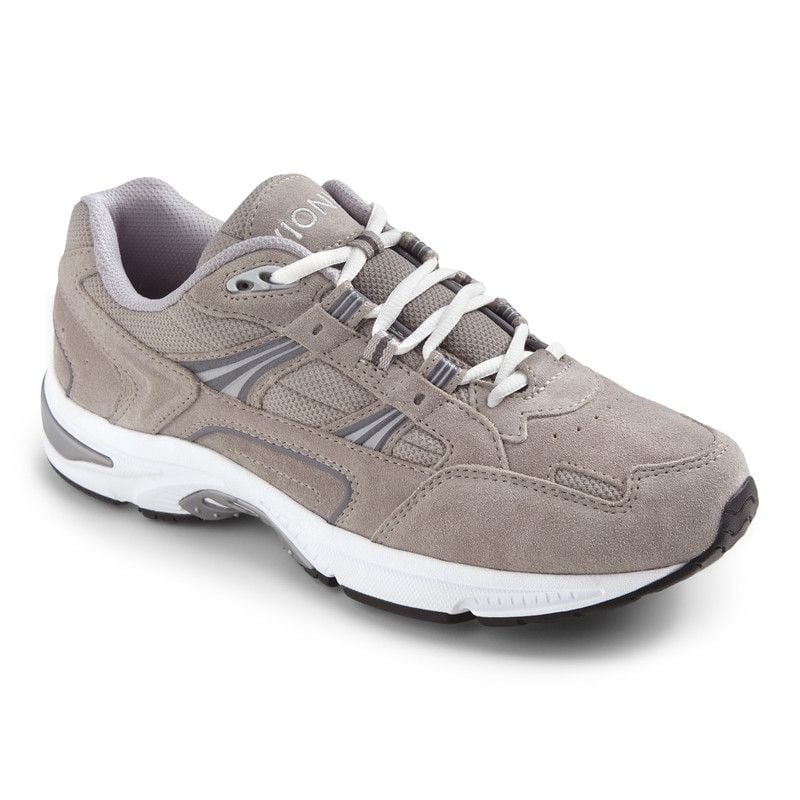
Historically, shoes offering real biomechanical support were visually distinct, often bulky and unmistakably “orthopedic.” This created a psychological barrier for many, especially those who view footwear as an expression of personal style. The fashion industry, for decades, largely ignored the functional needs of the foot, prioritizing silhouette over structure. Vionic’s design philosophy boldly bridges this gap. They operate on a principle that style and substance are not mutually exclusive. By collaborating with designers who understand trends, they integrate their patented technology into sleek sneakers, elegant loafers, and modern sandals. This approach resonates with a cultural shift noted by influencers and lifestyle experts. As fashion commentator and author Dana Thomas explores in her works on the democratization of style, modern consumers demand authenticity and functionality from their products. A Vionic walking shoe, such as their popular Walk Strider or chic sneaker lines, proves that you can have a shoe that looks at home on a fashionable street and provides the support expected from a clinical recommendation. The APMA Seal of Acceptance awarded to many Vionic styles is a testament to this successful fusion, certifying that a shoe can be both health-positive and aesthetically appealing.
The Personal Testimony: From First-Step Feel to All-Day Resilience
Let’s shift from the scientific to the experiential. Imagine you, the reader, are about to embark on a day that involves hours on your feet—perhaps exploring a new city, navigating a large conference, or managing a busy shift. The difference your shoes make is palpable from the very first step. In a conventional flat-soled shoe, the impact of each step travels straight up your leg. In a well-cushioned but unsupportive shoe, your foot muscles work overtime to stabilize, leading to fatigue. Now, experience the alternative. The moment your foot settles into the contoured footbed of a Vionic walking shoe, there’s a distinct sensation of being “held” and aligned. The deep heel cup stabilizes your rearfoot, the arch support prevents the dreaded midday arch collapse, and the strategic cushioning absorbs shock precisely where it’s needed. This isn’t just my opinion; it’s echoed in countless user reviews on platforms like Quora and retail sites, where individuals with plantar fasciitis, flat feet, or simply a desire for comfort report transformative differences. The resilience builds throughout the day. Where you might have previously cut your walk short due to discomfort, you find yourself energized, able to go further. This aligns with the concept of “effortless exercise” promoted by fitness experts—when the foundation is right, movement becomes more joyful and sustainable.
Investment in Longevity: The Cost-Per-Wear Advantage
It’s true that a pair of Vionic shoes often carries a higher initial price point than a standard department store sneaker. This leads us to a critical perspective on value. Viewing footwear as a disposable commodity is a costly habit, both financially and physically. A cheaper shoe that wears out quickly or, worse, contributes to bodily strain, has a hidden cost. Conversely, investing in a biomechanically sound shoe is an investment in your mobility and well-being. Consider the “cost-per-wear” model advocated by financial and lifestyle experts. A $150 shoe worn 300 times a year costs 50 cents per wear and supports your body correctly. A $60 shoe that causes pain and is discarded after one season is a poorer investment. Furthermore, the durability of quality materials—premium leathers, robust outsoles, and resilient footbeds—means a Vionic walking shoe is built to last. Brands like Vionic frequently offer seasonal sales, promotional discounts, and bundle deals, making this investment more accessible. By bringing professional-grade support and discounted prices to the consumer, they democratize foot health. It’s a shift from buying shoes to buying an essential tool for an active, pain-free life.
A Choice for Your Future Self
The journey through the science, style, and personal impact of these shoes leads to a clear, uncompromising conclusion. Your feet are your foundation. They carry you through every experience, every challenge, every joyful moment. Compromising their support for fleeting trends or short-term savings is a disservice to your present comfort and future health. The innovation embodied in the Vionic walking shoe category offers a way out of that compromise. It represents a conscious choice to prioritize alignment, to embrace style without sacrifice, and to view each step as an opportunity for supported, graceful movement. This isn’t about following a trend; it’s about acknowledging a fundamental truth of human movement, backed by podiatric science and realized through thoughtful design. The path to comfort and style isn’t a fork in the road—it’s a single, well-supported path forward. Your next step, quite literally, can be the most comfortable and confident one you’ve ever taken.

