

Your Ultimate Guide to Comfort and Style in Every Step
Forget the notion that you must sacrifice aesthetics for support or fashion for function. The journey to finding the perfect pair of shoes is not a compromise but a discovery—a discovery of how engineering, biomechanics, and design converge to create an experience. That experience is walking, an act so fundamental it shapes our daily well-being. This guide isn’t about following fleeting trends; it’s about understanding the architecture of your stride and how the right walking shoe becomes its most crucial ally. We’ll move beyond marketing jargon, grounding our choices in objective science and proven principles, ensuring that every step you take is a confident blend of comfort and personal style.
The Foundation: Biomechanics and the Modern Walking Shoe
To appreciate the innovation in today’s footwear, we must start with the human engine: your foot. With 26 bones, 33 joints, and over a hundred muscles, tendons, and ligaments, the foot is a masterpiece of biological engineering. Its primary function during gait is to act as both a mobile adapter and a rigid lever—absorbing shock at heel strike and then propelling you forward at toe-off. A proper walking shoe is designed to facilitate this complex sequence, known as the gait cycle. According to research from institutions like the University of Virginia’s Motion Analysis and Motor Performance Laboratory, improper footwear can disrupt this cycle, leading to chain reactions of stress on ankles, knees, hips, and even the lower back. The core of a great walking shoe lies in its midsole, the layer between the outsole and the upper. This is where cushioning technologies, often involving specialized foams like EVA (Ethylene-Vinyl Acetate) or polyurethane, work to dissipate impact forces. However, as Dr. Casey Kerrigan, a former Harvard Medical School professor and founder of a biomechanics-focused footwear company, has often highlighted, cushioning alone isn’t the answer. “It’s about managing the forces of locomotion efficiently,” she notes. “An overly soft shoe can be as destabilizing as a completely rigid one.” Therefore, the ideal shoe offers a balance: responsive cushioning that doesn’t deaden the feel of the ground, coupled with stability features that guide the foot naturally through its motion path.
Decoding the Components: What Makes a Shoe Work for You
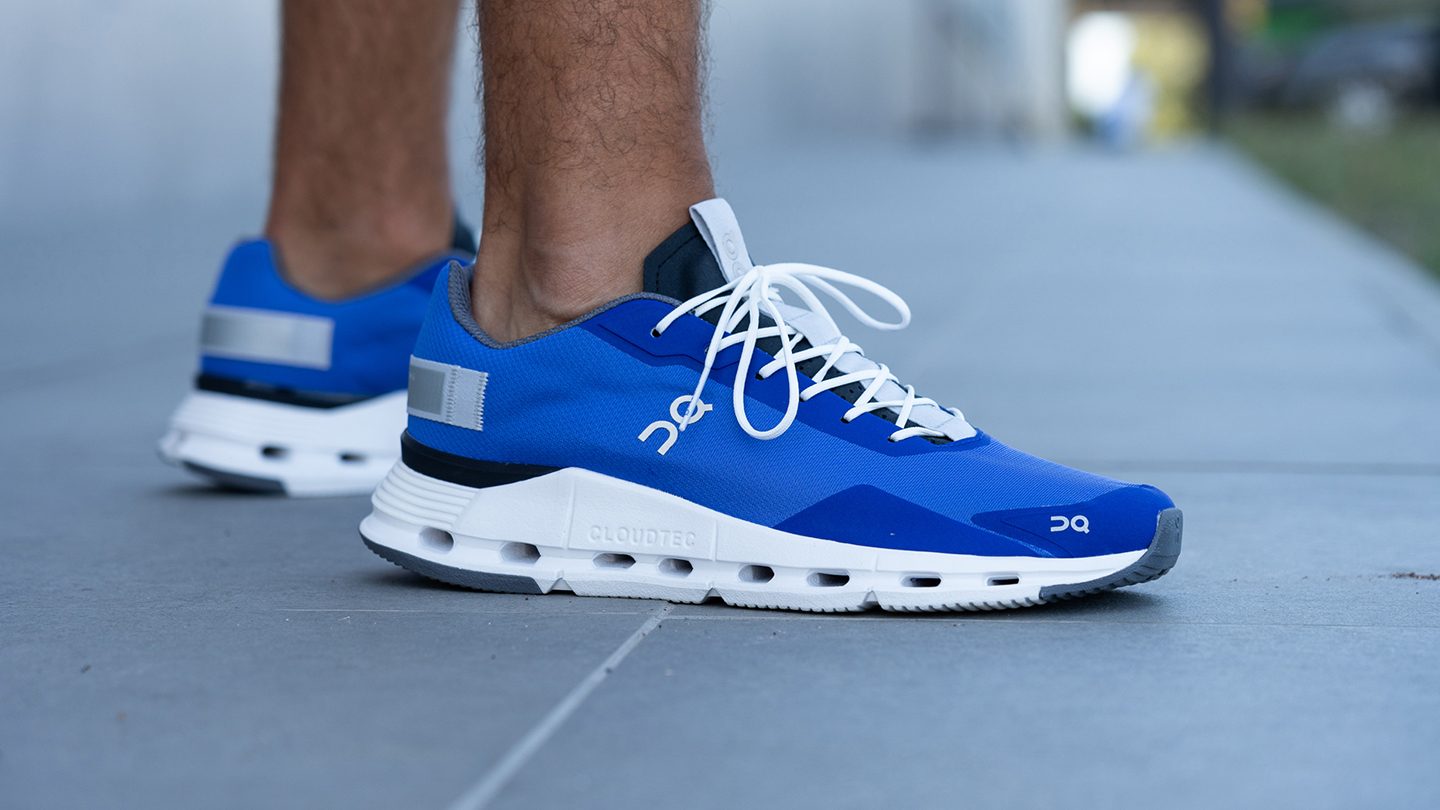
Let’s dissect the anatomy of a shoe, moving from the ground up. The outsole is your contact point with the world. Look for durable rubber, especially in high-wear areas like the heel and ball of the foot. The pattern of the tread, or lugs, determines traction; a flatter, more consistent pattern is ideal for pavement, while deeper lugs are for varied terrain. Next, the aforementioned midsole is the heart of comfort. Brands utilize proprietary compounds—Nike’s React, Adidas’s Boost, ASICS’s Gel, HOKA’s Profly+—each with claims of optimal energy return and durability. A study published in the Journal of Sports Sciences compared various midsole materials and concluded that while subjective comfort varies greatly by individual, materials with higher energy return can reduce the metabolic cost of walking, meaning you expend less energy with each step. The upper is the shoe’s body, responsible for fit, breathability, and style. Modern uppers often use engineered meshes that provide strategic stretch and support, conforming to the foot’s shape without pressure points. Finally, the heel counter, a firm cup embedded in the back of the upper, is critical for stabilizing the heel, preventing excessive inward or outward rolling (overpronation or supination). A well-constructed heel counter, as emphasized in podiatric literature, is a non-negotiable feature for a serious walking shoe, providing a secure foundation for the entire gait cycle.
The Style Equation: Where Form Meets Function
The historical divide between “sneakers” and “dress shoes” is rapidly closing. Today’s market offers walking shoes that wouldn’t look out of place in a casual office, a weekend brunch, or a long city exploration. The key is in the design language. Brands like Allbirds, Cole Haan, and even traditional athletic companies have lines dedicated to “lifestyle performance.” This means integrating the technical features of a running or walking shoe—the cushioned midsole, the flexible outsole—into silhouettes that are minimalist, sleek, and color-versatile. The philosophy echoes the words of renowned designer Tinker Hatfield, the mind behind many iconic Air Jordans: “Design must reflect the practical and aesthetic needs of the user.” A monochromatic knit upper, for instance, can offer a tailored look while providing superior breathability and flexibility compared to stiff leather. The rise of the “athleisure” trend, validated by market analyses from sites like Business of Fashion, isn’t merely a fad; it’s a consumer-driven demand for versatility. Your walking shoe should be a seamless extension of your personal style, not a technical piece of equipment you’re eager to take off. It’s entirely possible to have a shoe with a rocker sole (designed to promote a smooth heel-to-toe transition) that also comes in a chic, neutral hue that pairs effortlessly with your wardrobe.

Tailoring the Fit: A Personal Blueprint for Comfort
Even the most technologically advanced shoe is a failure if it doesn’t fit your unique foot. This process is more nuanced than just length. First, timing: Always shop for shoes in the late afternoon or evening, as feet naturally swell throughout the day. Second, socks: Wear the type of socks you intend to pair with the shoes. Third, the critical measurements: You need both length and width. Many specialty running stores offer 3D foot scanners, like the Volumental system, which provides a precise digital blueprint of your foot’s dimensions, including arch height and volume. This data is invaluable. A common rule of thumb, supported by the American Podiatric Medical Association, is to have about a thumb’s width (roughly 3/8″ to 1/2″) of space between your longest toe and the end of the shoe. The shoe should feel secure at the heel and midfoot without any slippage, with ample room for your toes to splay naturally. Don’t be enslaved by your nominal size; sizes vary dramatically between brands and even models. The number on the box is irrelevant; the feel on your foot is everything. Remember, a true walking shoe should feel comforting from the first step, requiring little to no “break-in” period, which is often a euphemism for poor fit.
Specialized Considerations: From Supination to Plantar Fasciitis
While a neutral shoe works for many, some gait patterns or conditions benefit from specific features. If you overpronate (your foot rolls inward excessively), you may benefit from shoes with “motion control” or “stability” features, such as a denser medial (inner) post in the midsole or a structured arch. Conversely, supination (outward rolling) often calls for a neutral, highly cushioned shoe with maximum flexibility to encourage natural motion. For individuals dealing with plantar fasciitis—inflammation of the thick band of tissue running across the bottom of the foot—expert recommendations, including those from the Mayo Clinic, emphasize shoes with excellent arch support and a slightly elevated heel to reduce tension on the plantar fascia. Brands like Brooks, ASICS, and New Balance have specific models engineered for these needs. Furthermore, the rocker sole design, pioneered by brands like HOKA and now widely adopted, can be particularly beneficial for those with forefoot pain or stiffness, as it facilitates the toe-off phase of gait with less effort from the joints.
Investing in Your Stride: Value Beyond the Price Tag
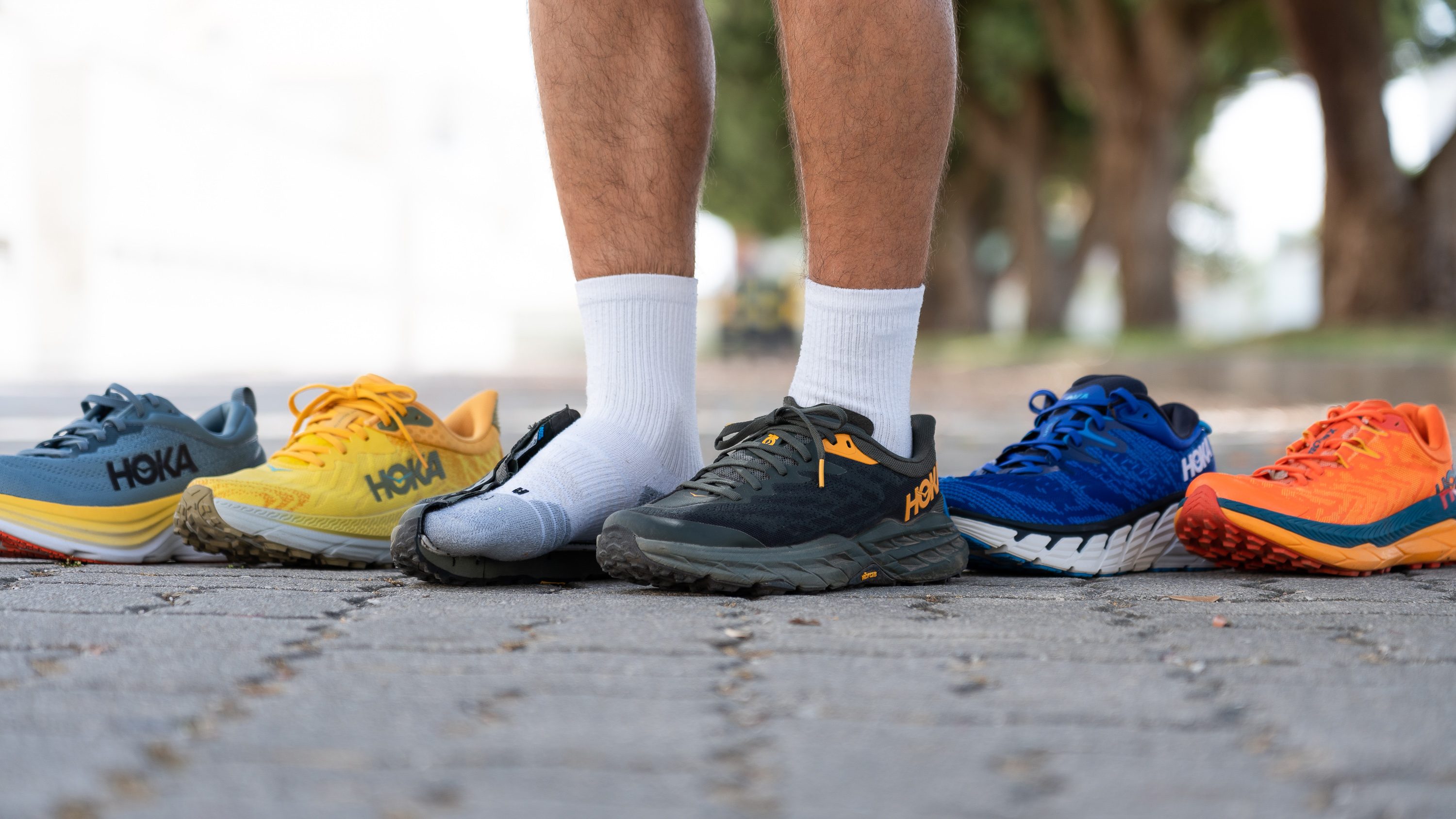
High-quality walking shoes are an investment in your long-term mobility and health. While premium models from brands like Brooks, HOKA, or On Running may carry a higher initial cost (often in the $120-$160 range), their value is measured in durability, advanced materials, and refined engineering. However, savvy shopping can bridge the gap between quality and budget. First, consider previous seasons’ models. Shoe technology evolves incrementally; last year’s top-tier walking shoe often retains 95% of the performance of the new version but can be found at significant discounts. Second, explore outlet stores and reputable online retailers that specialize in discounted performance footwear. Third, some direct-to-consumer brands, like Allbirds or certain Amazon exclusives, offer competitive pricing by cutting out traditional retail markups. The goal is to procure a shoe built with a durable outsole, a midsole that resists compression over miles, and an upper that maintains its integrity. As the old adage goes, “You get what you pay for,” but in the digital age, you can often get what you paid for—for less.
The Sustainable Step: Ethics and Longevity
Our choices extend beyond our own feet. The footwear industry is increasingly scrutinized for its environmental impact, from material sourcing to end-of-life disposal. Opting for brands that prioritize sustainability is a step toward conscious consumption. Look for companies using recycled materials (like polyester from plastic bottles in uppers or outsoles), natural and renewable resources (merino wool, sugarcane-based foams), and transparent supply chains. Patagonia and Allbirds are frequently cited for their commitments in this arena. Furthermore, the most sustainable shoe is often the one that lasts the longest. Proper care—rotating between two pairs to allow midsoles to decompress, cleaning uppers appropriately, using them for their intended purpose—can extend a shoe’s functional life to 500 miles or more. When they are finally worn out, investigate recycling programs; brands like Nike have long-running initiatives to grind down old shoes for use in playground surfaces and athletic courts.
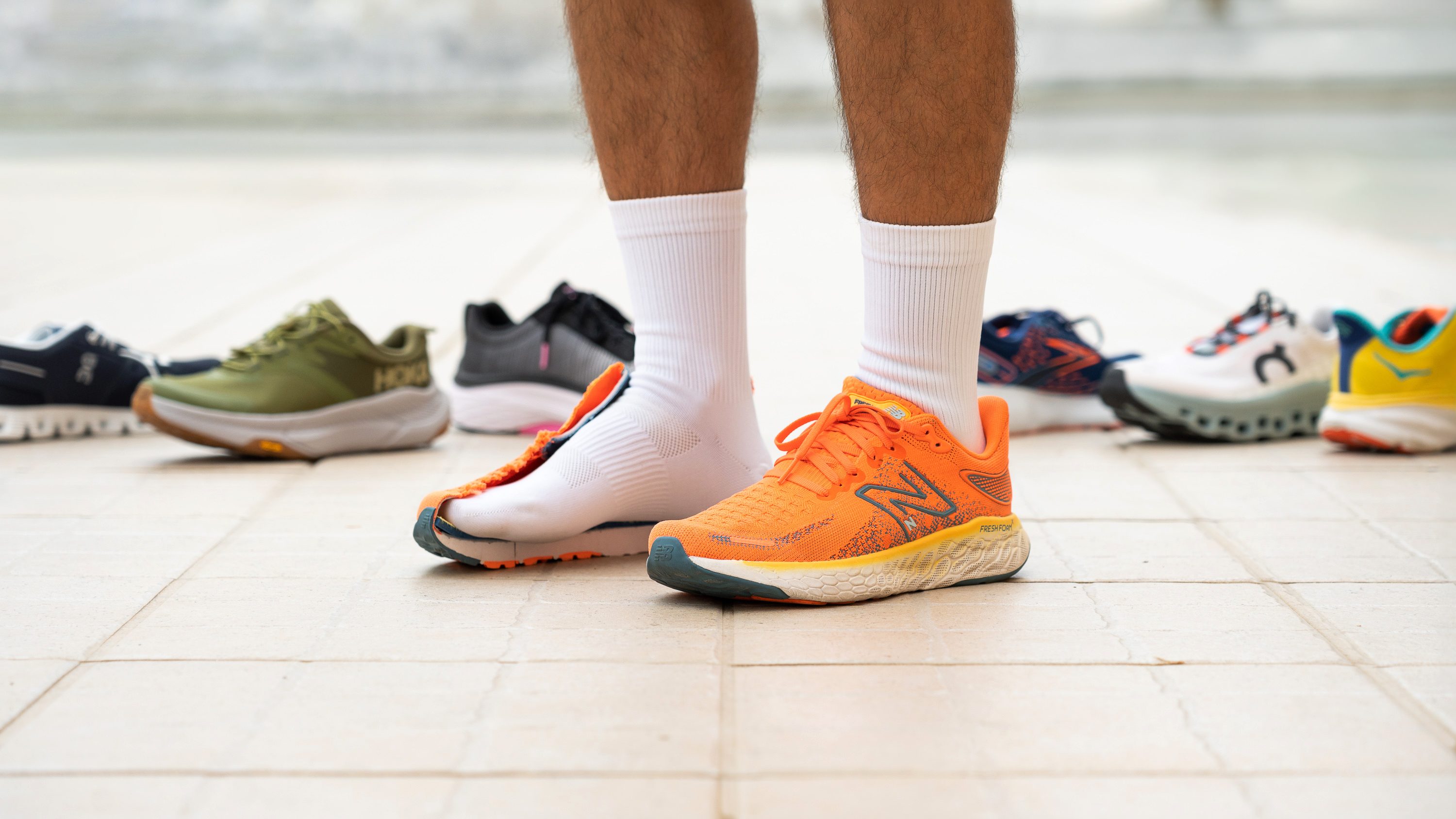
The pursuit of the perfect walking shoe is a personal journey of alignment—aligning biomechanical needs with aesthetic desires, and quality construction with conscious value. It’s about recognizing that this fundamental piece of gear does more than protect your feet; it influences your posture, your energy, and your readiness to engage with the world. By making an informed choice, grounded in science and tailored to your unique blueprint, you transform an everyday necessity into a source of confidence. Your path is unique; let every step upon it be one of uncompromised comfort and definitive style.
